

This is good to know



Tickets and related content
Barcelona Card Modernista
Discover the best of Catalan modernism with a single card! The Barcelona Modernist Card gives you free access to the city's 10 most emblematic modernist sites, so you can enjoy the most spectacular architecture without queuing and with maximum flexibility. With this card, you'll immerse yourself in the legacy of great architects such as Antoni Gaudí, Lluís Domènech i Montaner and Josep Puig i Cadafalch, and you'll have the opportunity to see their most representative works. It's the most convenient way to discover the city in a unique way. Enjoy modernist Barcelona without complications and save time and money!
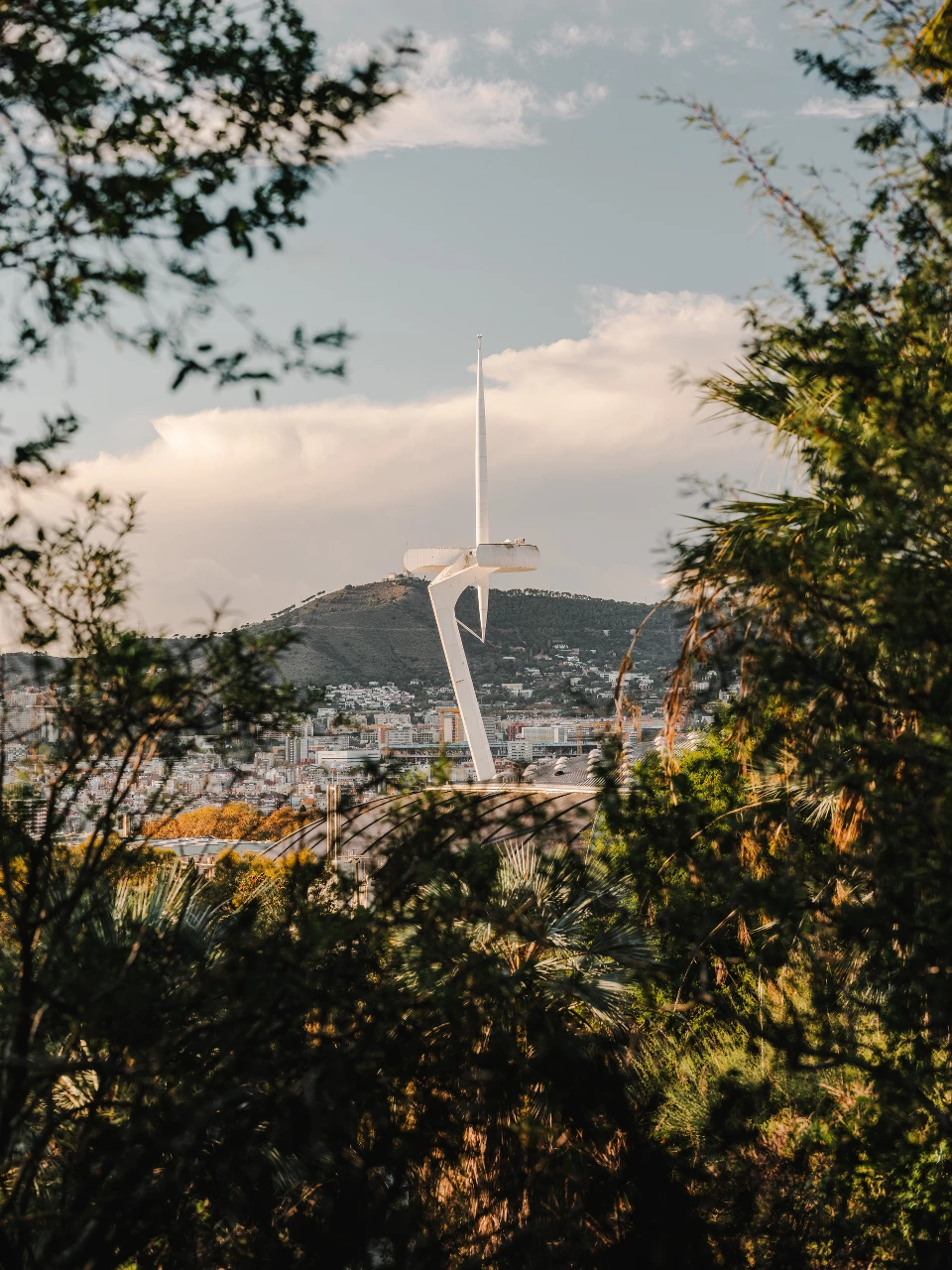
Parc de Montjuïc
An area that brings together nature, culture, sport and leisure, from botanical gardens to Olympic facilities with sweeping views over the city.
Barcelona Card
Discover the most convenient and economical way to enjoy Barcelona to the fullest! With the Barcelona Card, you will have access to unlimited transport (if you choose the option with transport included) and the city's main museums and tourist attractions. Plus, enjoy a 10% online purchase discount! The Barcelona Card includes more than 25 free museums and cultural venues and unlimited public transport for 48, 72, 96 or 120 hours, including the train and/or metro to Barcelona Airport (with the transport included option) and access to more than 70 discounts on tours, leisure activities, shows and other services. Make the most of your visit!
Barcelona Bus Turístic hop on hop off
Are you visiting Barcelona for the first time or do you have limited time to explore it? The Barcelona Bus Turístic Hop On Hop Off is the most comfortable and practical way to discover the city without missing any of its must-see sights. Explore Barcelona at your own pace and discover its monuments, neighbourhoods and landmarks from a double-decker bus with all the amenities. Hop on the Barcelona Bus Turístic and enjoy routes designed to show you the best of the city. You can hop on and off as many times as you like, giving you complete freedom to visit the most attractive and interesting places in Barcelona. Barcelona awaits you: hop on, explore and hop back on as many times as you like.
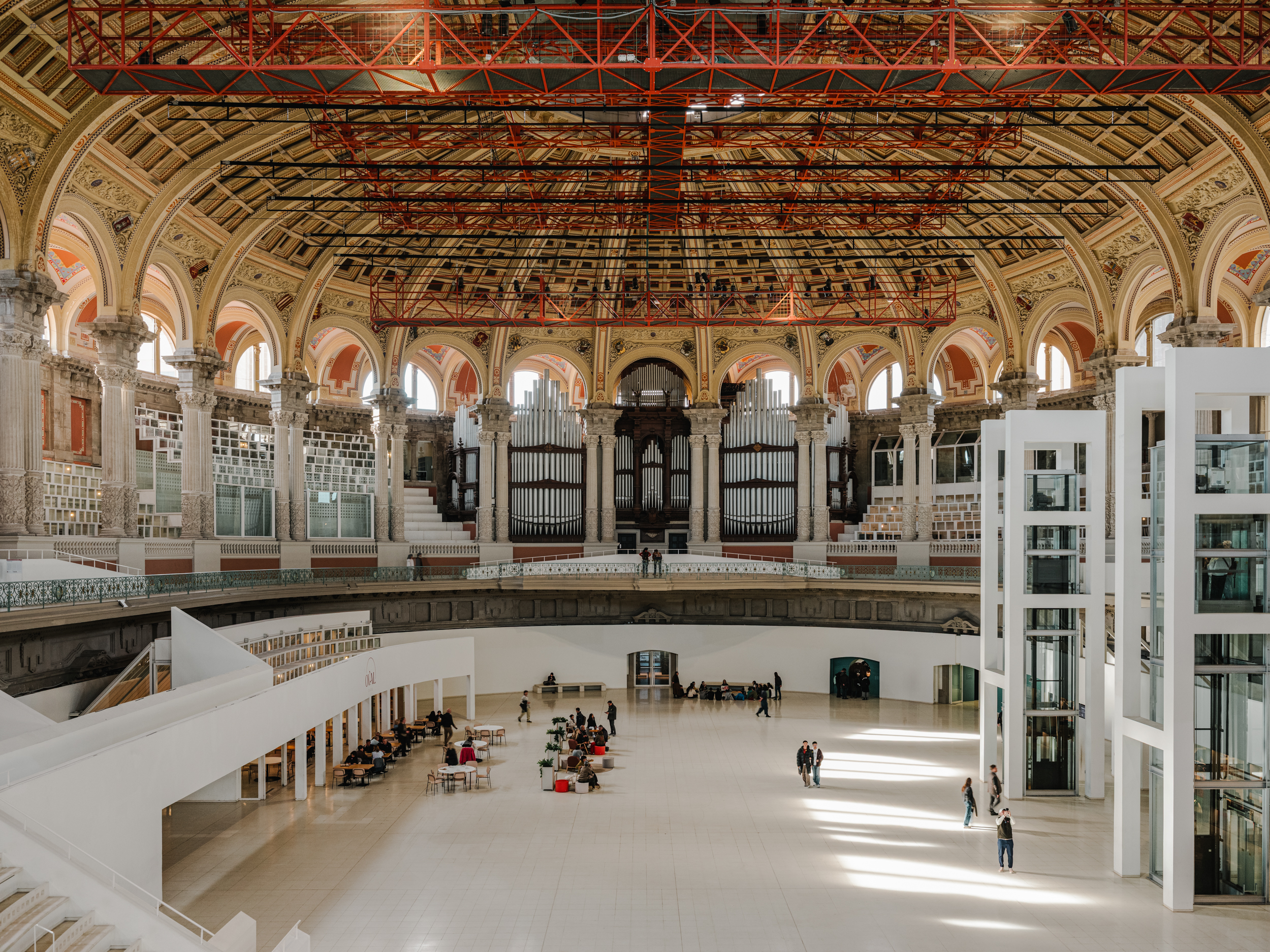
MNAC Terrace
Two rooftop viewpoints with panoramic views across the city, from the sea to the mountains.

Articket Barcelona
Discover the work of 20th-century artistic geniuses and take a journey through a thousand years of creativity. All of Barcelona's art at your fingertips, with a single ticket and great savings compared to what it would cost you to buy tickets for all the museums separately – up to 31€ off! The Articket allows you to explore works by Picasso, Miró, Tàpies and many more, as well as collections of Romanesque, Gothic, Renaissance, Modernist and contemporary art. Painting, sculpture, photography, engravings, posters, numismatics and audiovisuals, all in a single pass that turns your visit into a complete cultural experience.
