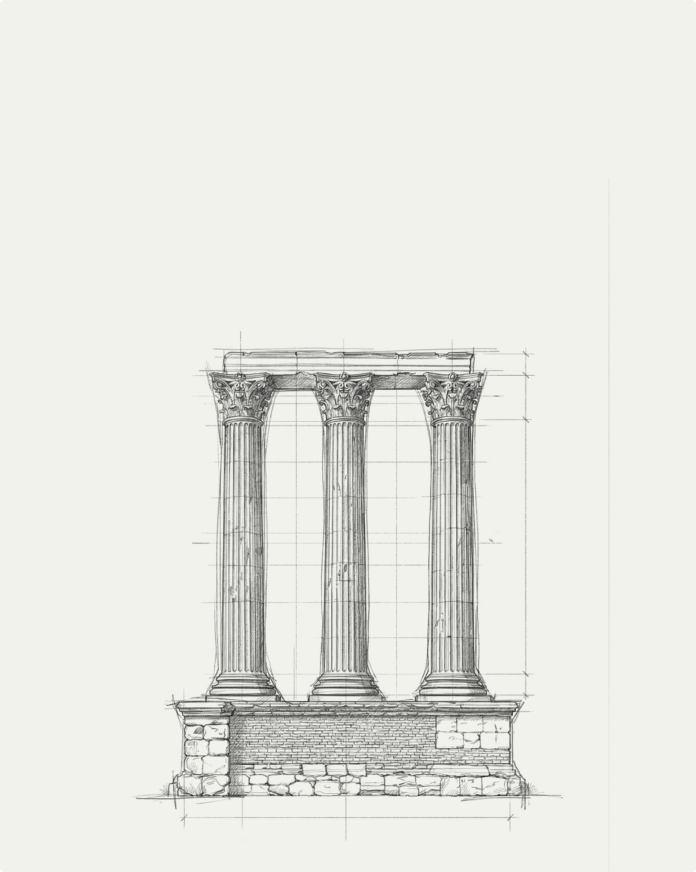
Roman origins
The first Barcelona



Ours is a story over 2,000 years in the making. Hundreds of thousands of people have left their mark on this city; countless ideas have shaped and reshaped it – some from here, others from further afield, all now part of who we are. Rome was not built in a day – and neither was Barcelona. Its architecture shows this more clearly than anything else.
The first Barcelona
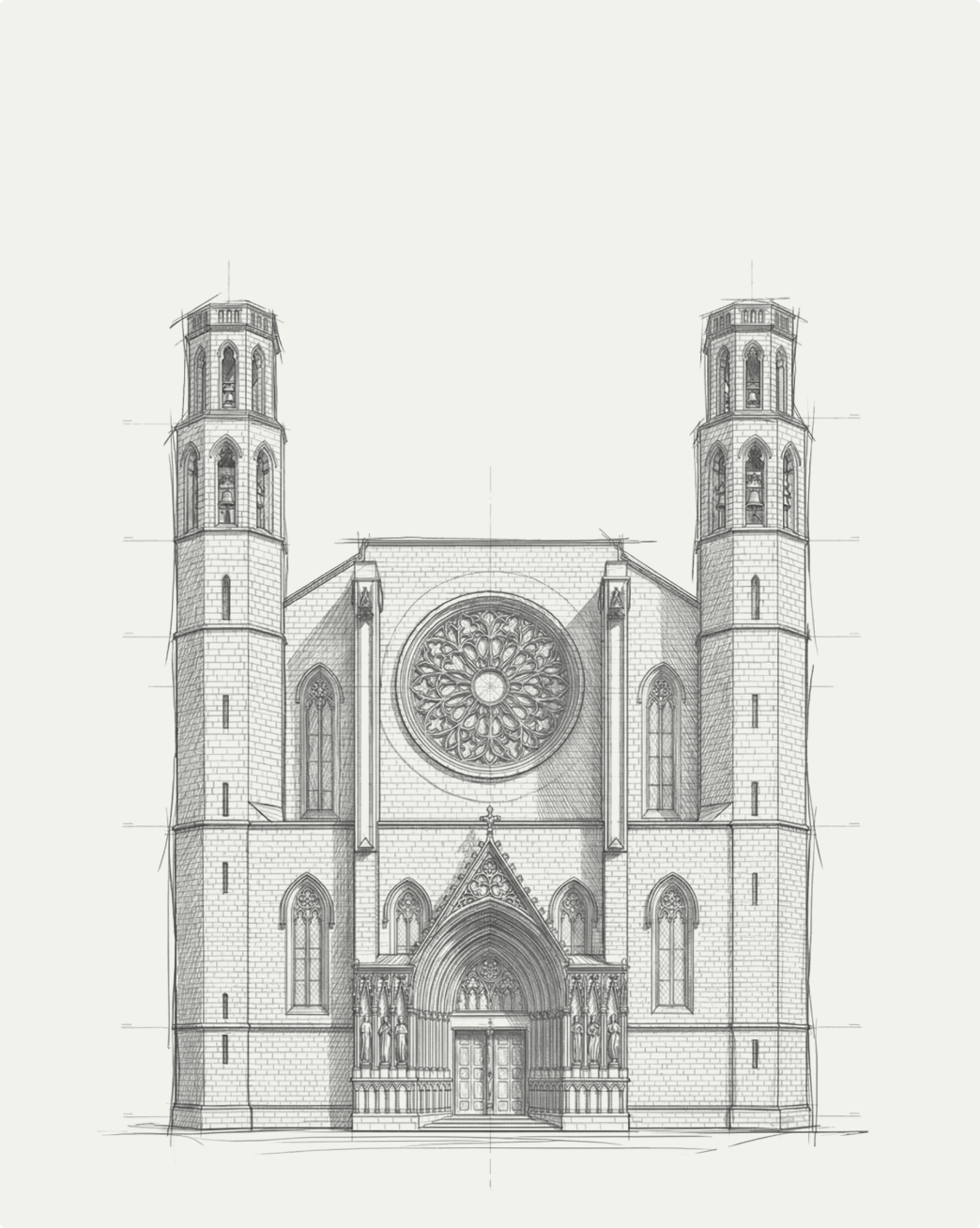
The medieval golden age
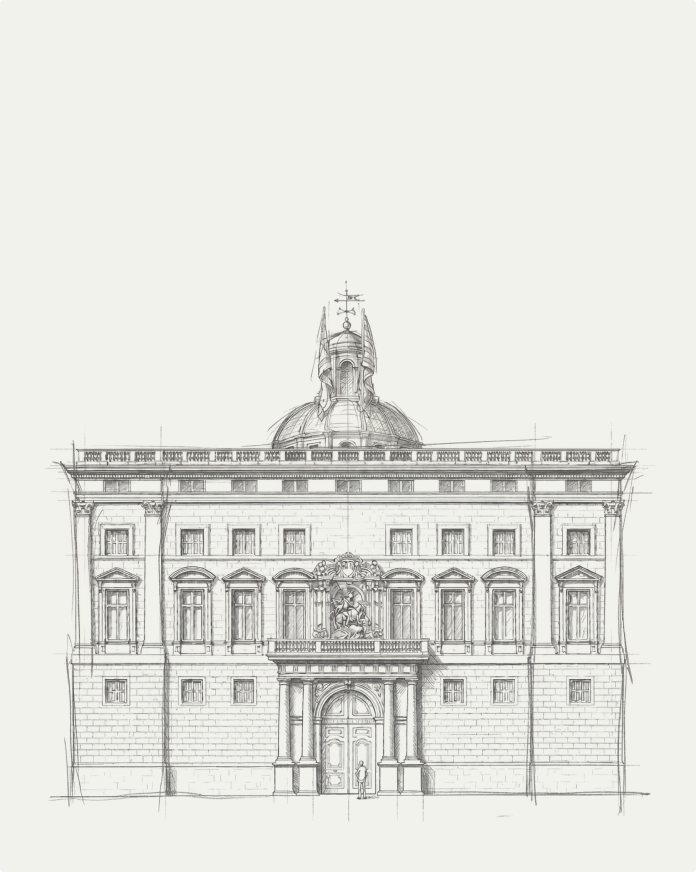
Echoes of a European evolution
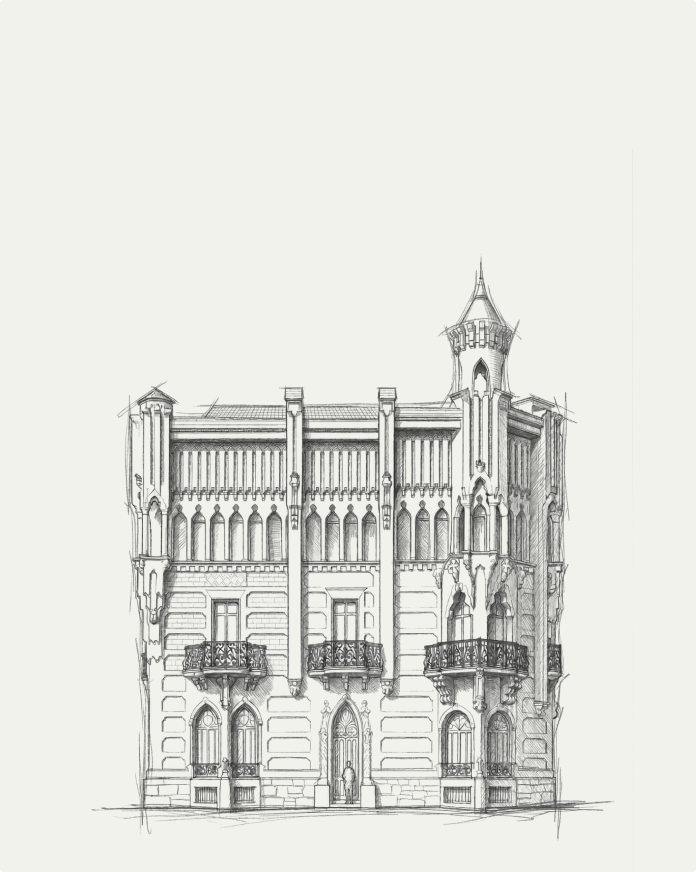
The splendour of Gaudí’s era
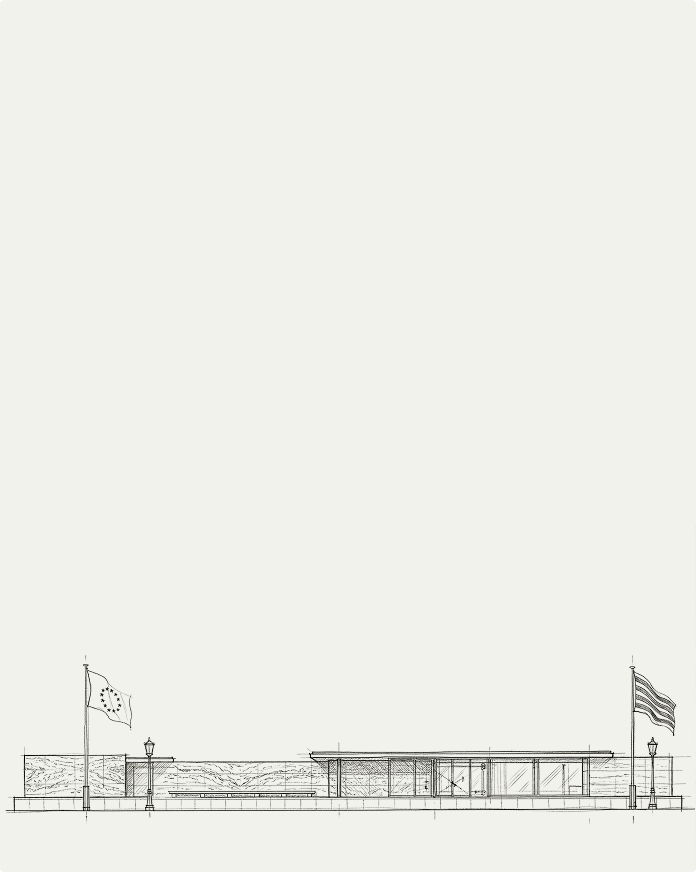
The functional revolution
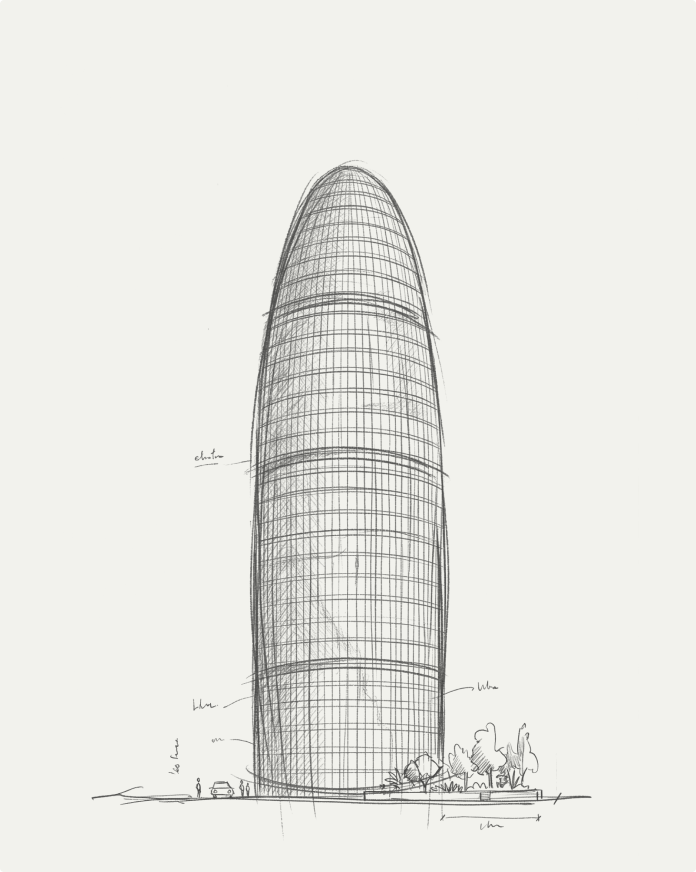
The momentum of the Olympics and the challenges ahead
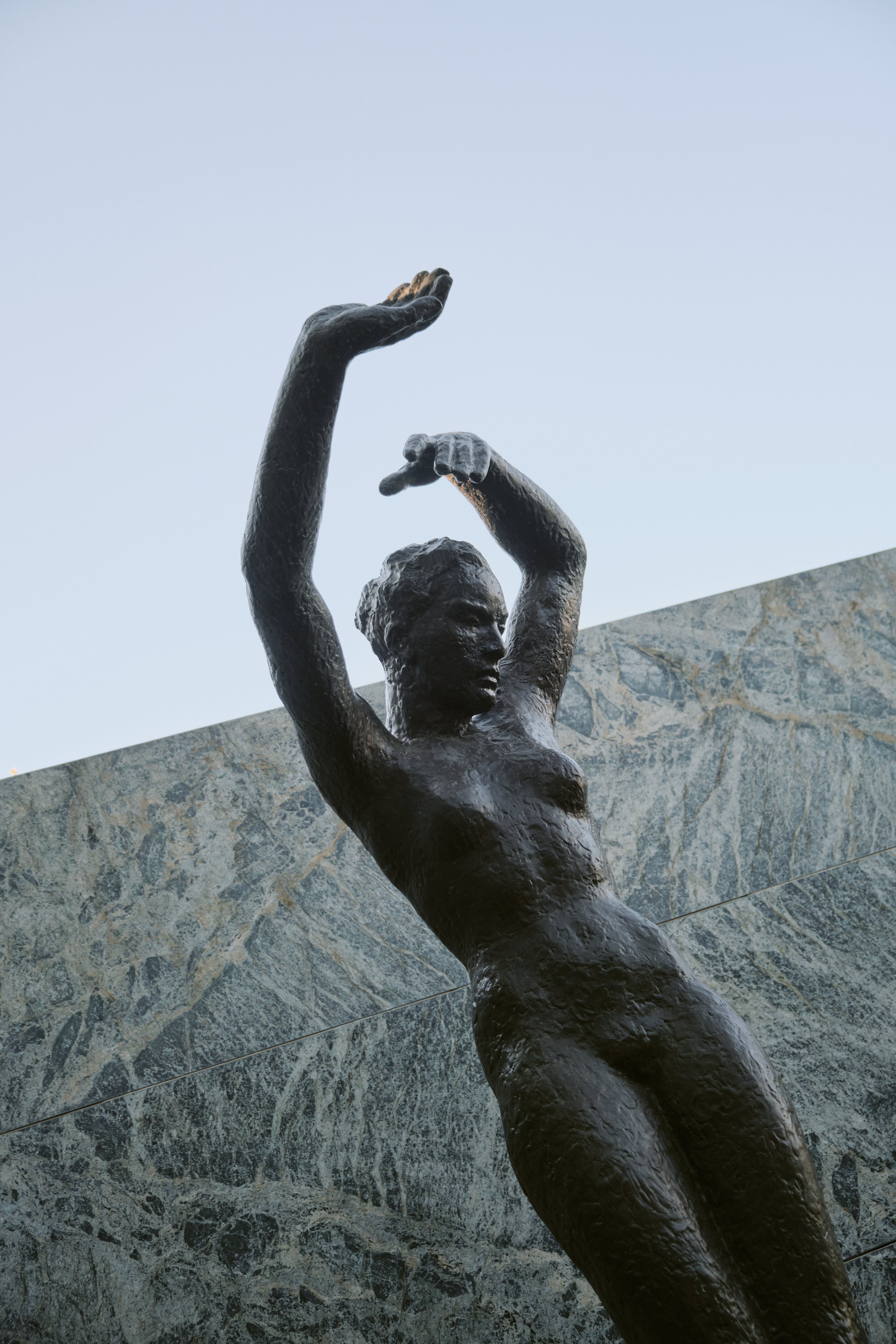
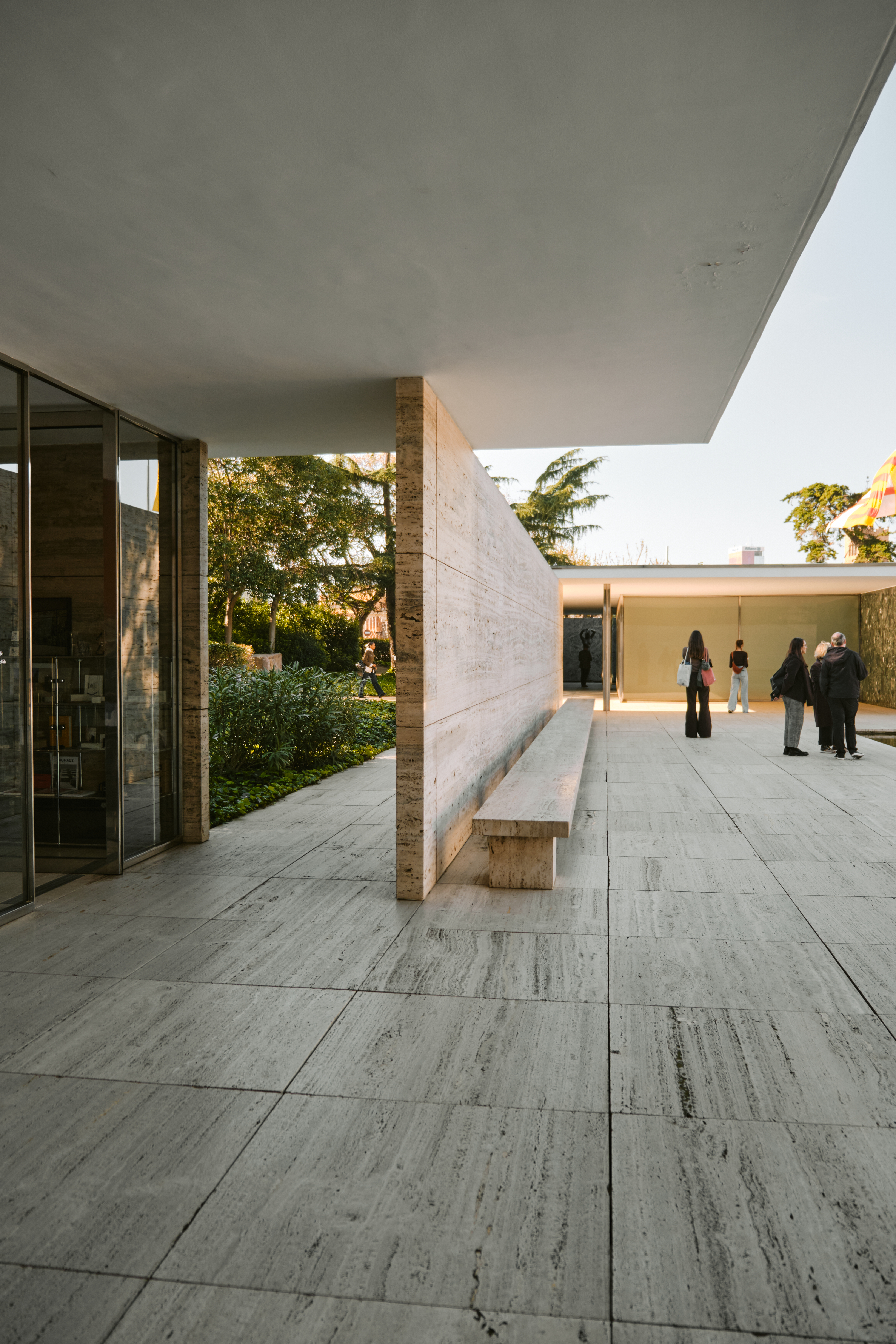
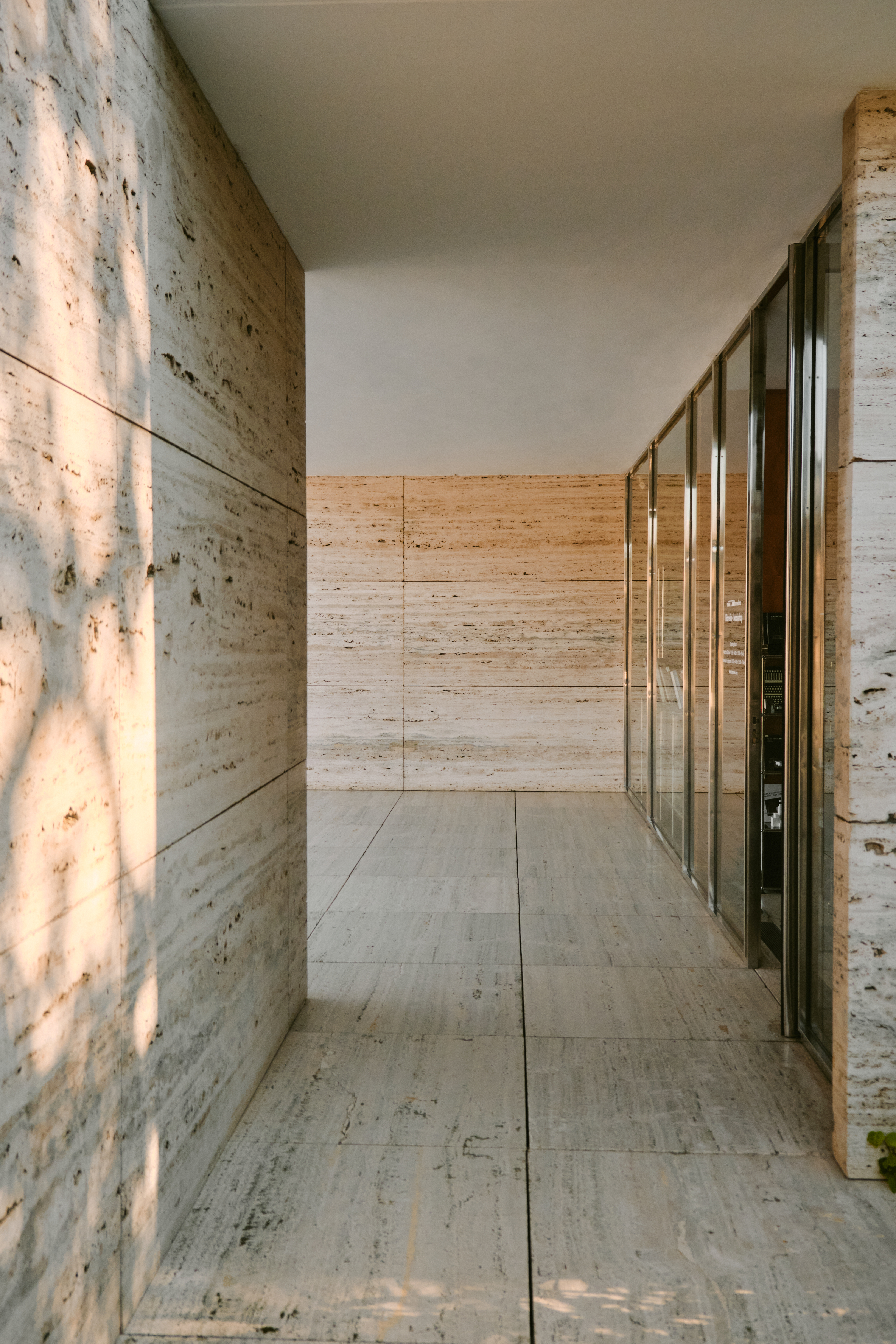
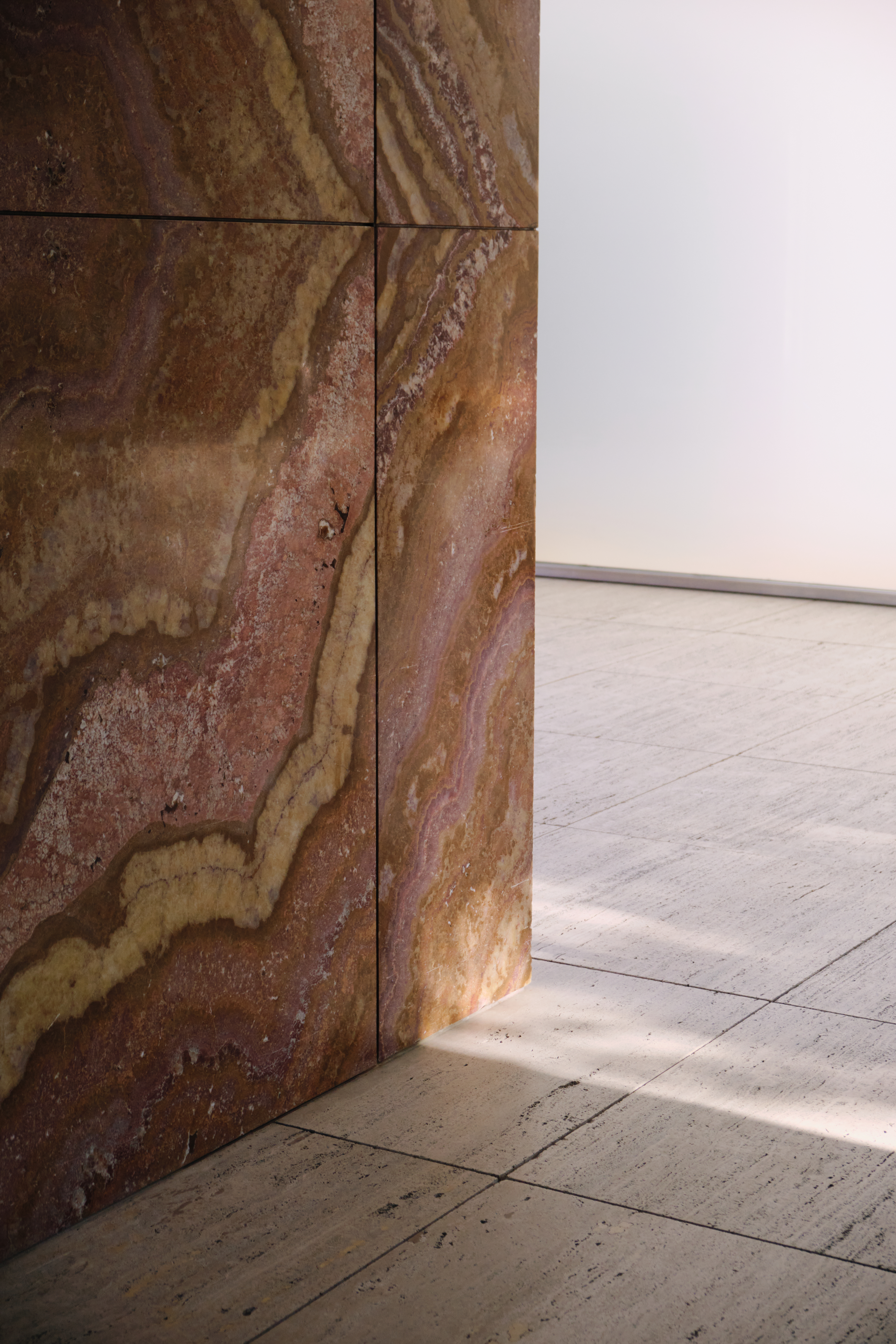
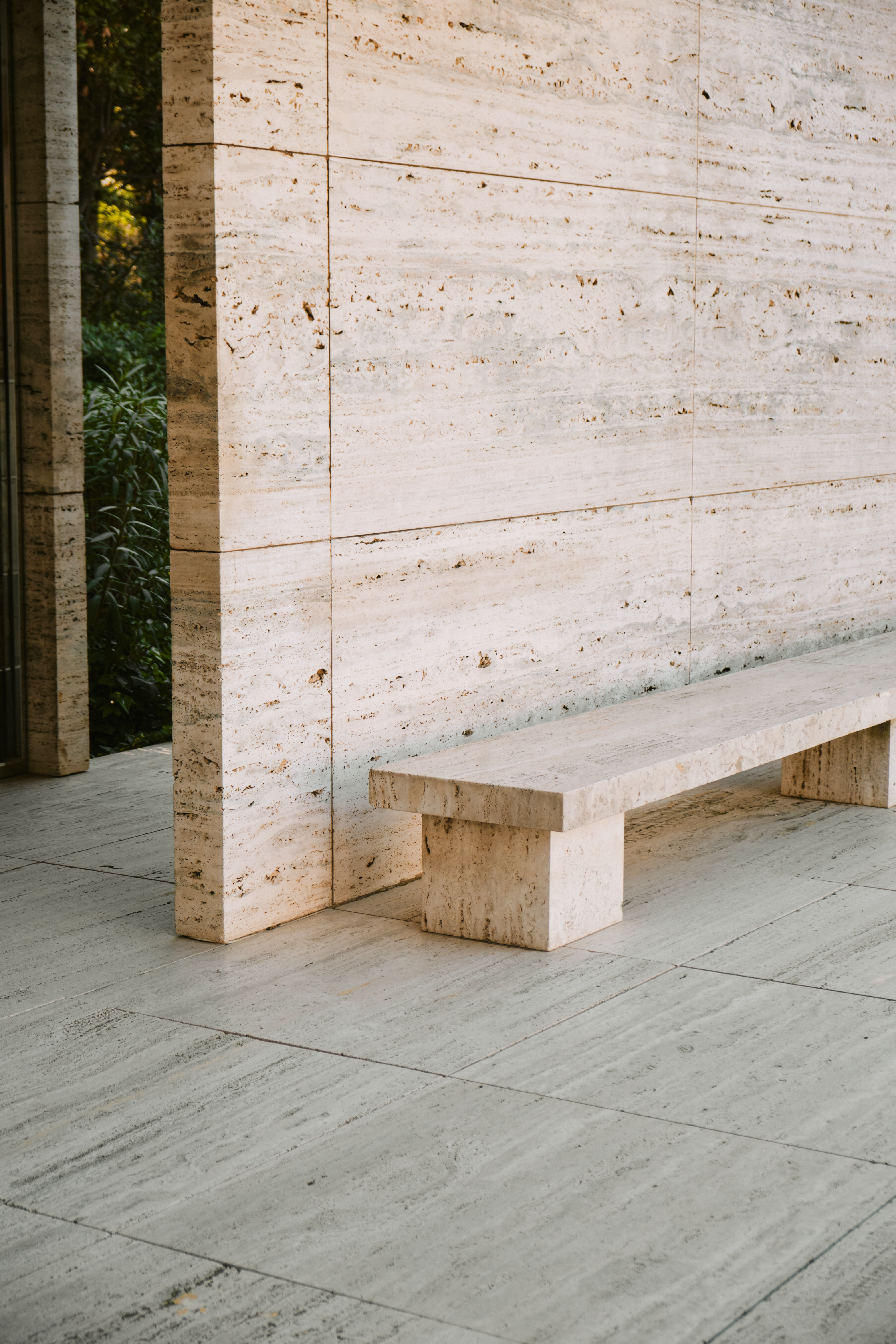
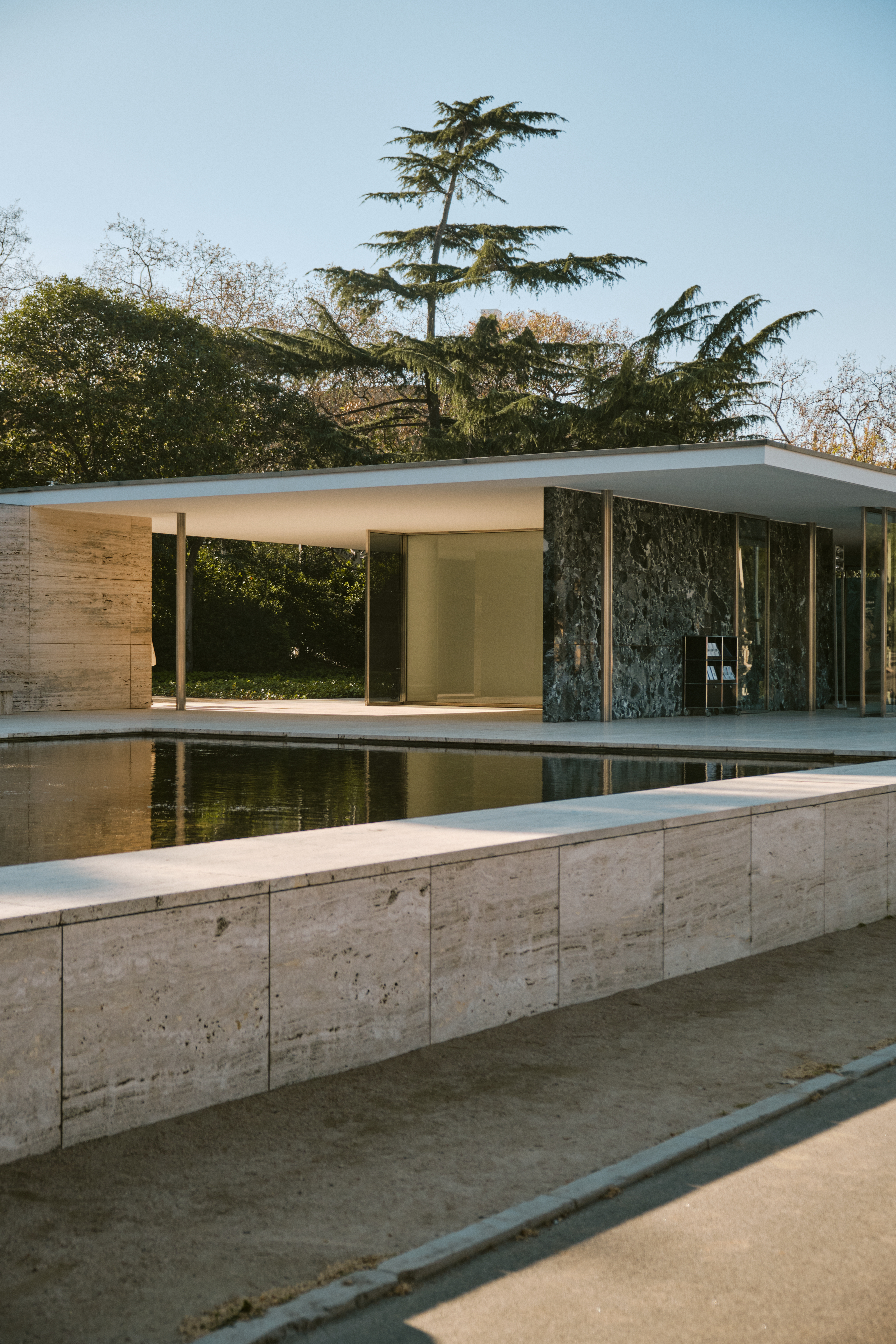
Together with textile and furniture they created a building that represented a new, radical modernism.

Discover the best of Catalan modernism with a single card! The Barcelona Modernist Card gives you free access to the city's 10 most emblematic modernist sites, so you can enjoy the most spectacular architecture without queuing and with maximum flexibility. With this card, you'll immerse yourself in the legacy of great architects such as Antoni Gaudí, Lluís Domènech i Montaner and Josep Puig i Cadafalch, and you'll have the opportunity to see their most representative works. It's the most convenient way to discover the city in a unique way. Enjoy modernist Barcelona without complications and save time and money!
Barcelona's Eixample district has hidden architectural gems like this palace, a truly unique building in a combination of classical and eclectic styles, dating from the late 19th century. It stands on the corner of Carrer Mallorca and Carrer Roger de Llúria and was the former home of the Casades family. It currently houses the lawyers' association, the Il·lustre Col·legi d'Advocats de Barcelona.
Ride the train to the top of the Montserrat mountains and you'll be able to see the beauty of these mystical mountains.
The Palau Güell is one of Antoni Gaudí's first major works and a must-see for anyone who wants to understand the origins of his architectural language. Declared a World Heritage Site by UNESCO in 1984, this urban palace brings together the ideas that would later define the architect's mature work: structural innovation, formal creativity and the perfect integration of functionality and art. Located next to Las Ramblas, the Palau Güell was designed according to the private and social needs of the Güell-López family, becoming a pioneering model of Modernist residential architecture. Its design combines noble materials, advanced solutions for its time and a careful spatial experience that make it unique within Barcelona's heritage.
Join this walking tour focusing on Barcelona’s most acclaimed architectural style and learn all about Gaudí while visiting three of his most emblematic works: Casa Vicens, La Pedrera and Casa Batlló.
This package gives you the opportunity to go on a programmed tour of two of Antoni Gaudí’s best-known landmarks, in one day and in different languages: the Sagrada Família and Park Güell. You can choose to begin your tour at Park Güell followed by the Sagrada Família, or vice-versa. You decide!.
This package gives you the opportunity to visit two of Antoni Gaudí’s best-known landmarks: the Sagrada Família and its towers and Park Güell.
Since 1876, Estrella Damm’s master brewers have taken the greatest of care in making the Mediterranean beer from 100% natural ingredients: barley malt, rice and hops.
Discover one of Barcelona's most iconic treasures! The Palau de la Música Catalana is a masterpiece of Modernism and one of the world's most outstanding concert halls, declared a World Heritage Site by UNESCO. Located in the picturesque La Ribera neighbourhood, this auditorium combines sculpture, mosaics, stained glass and wrought iron, offering a unique cultural experience. Designed by architect Domènech i Montaner, the Palau was conceived as the headquarters of the Orfeón Catalán choir and is a symbol of the city's architectural and musical heritage. Stepping inside this building will not only allow you to enjoy its spectacular architecture, but also to learn about the history of Catalan society in the 1900s. Don't miss the opportunity to visit this cultural and artistic landmark in Barcelona.
Take this guided tour and explore Park Güell, the wonderful garden-city created by the genius of Catalan art nouveau, Antoni Gaudí, and one of the most delightful works from this artistic movement.