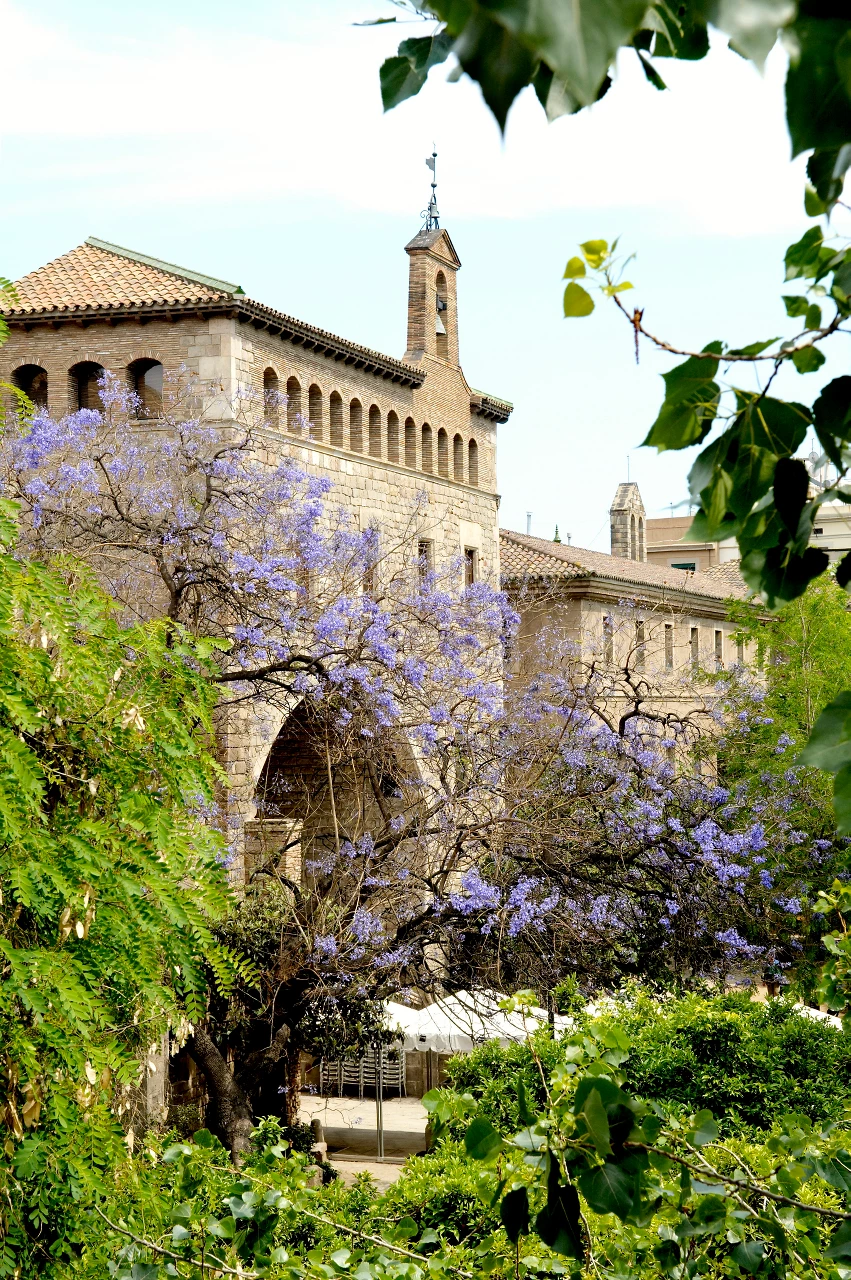
Esglésies de Sant Pere de Terrassa
These churches form a monumental medieval complex in Parc del Vallparadís, a vast green space in the city.

Basílica de Santa Maria del Mar
Monumental Catholic church, built in just 55 years by the fishermen and merchants of the La Ribera neighbourhood.

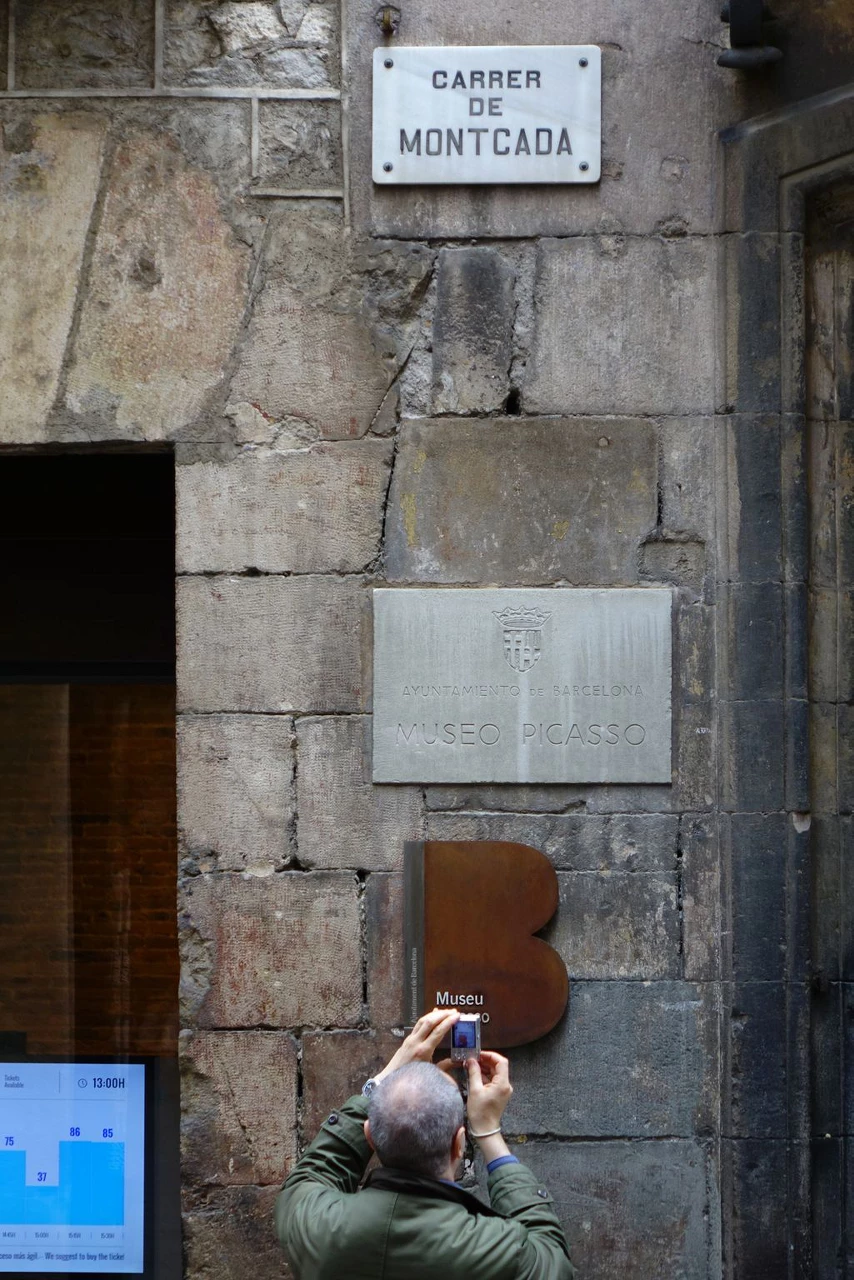
Carrer de Montcada
A major street of medieval Barcelona, lined with Renaissance courtyards and palaces.
Basílica de Santa Maria del Pi
A church in the Catalan Gothic style, built between 1319 and 1391, which also hosts exhibitions and cultural events, with a bell tower offering views over the city.

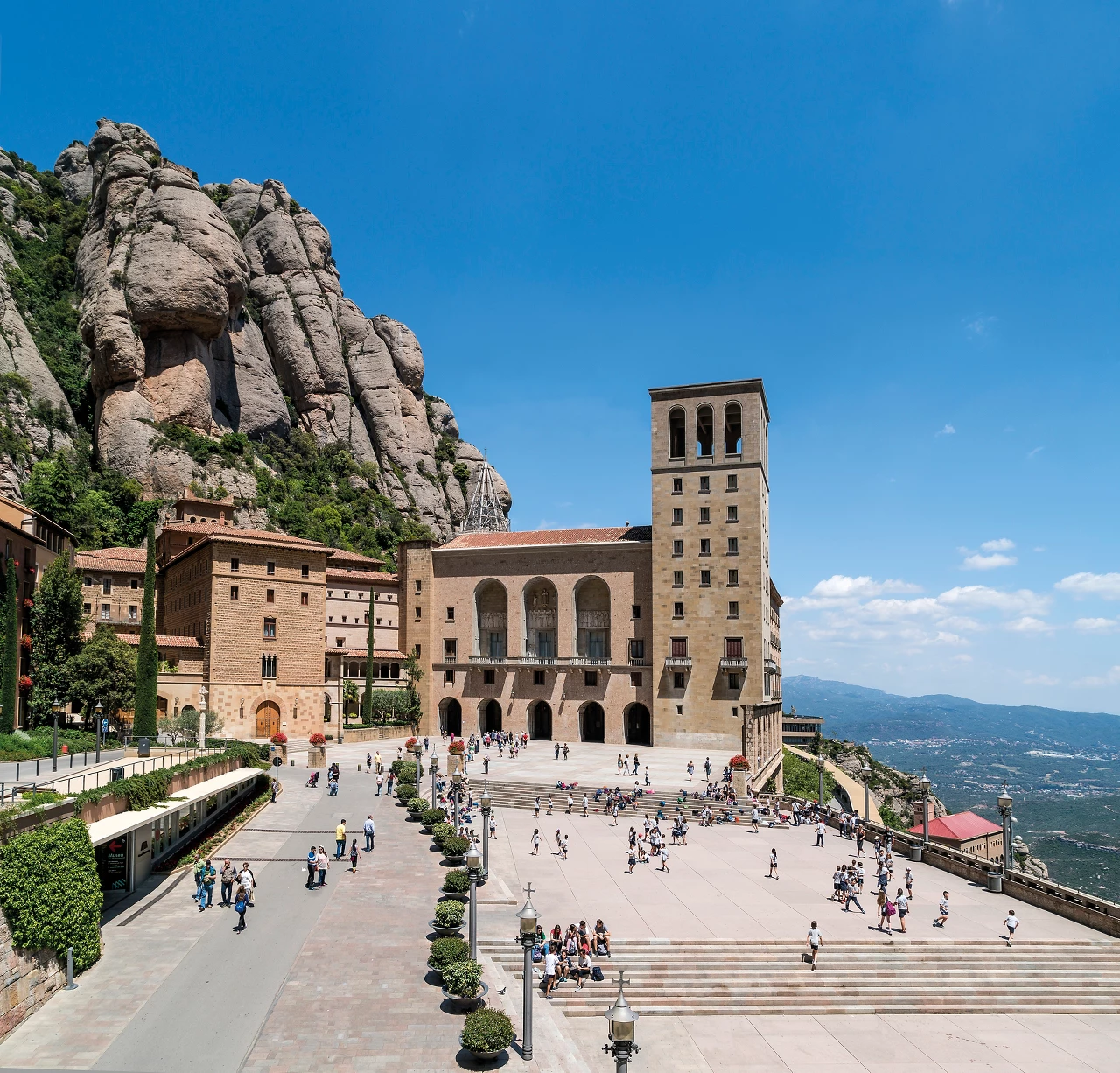
Monestir de Montserrat
A Benedictine abbey and sanctuary of the patron saint of Catalonia, a spiritual and cultural symbol overlooking the granite landscape of Montserrat.
Former Hospital de la Santa Creu
A former Gothic hospital, now hosting cultural institutions, set among centuries-old courtyards and arches in the heart of the Raval.
MUHBA – Museu d’Història de Barcelona – Plaça del Rei
Main site of the museum dedicated to preserving Barcelona’s memory, from the Roman Barcino to the contemporary city.

Catedral de la Santa Creu i Santa Eulàlia de Barcelona
The city’s main church, built between the 13th and 15th centuries and dedicated to the Holy Cross and Saint Eulàlia, patron saint of Barcelona.

Església de Sant Pere de les Puel·les
A Romanesque building that preserves the memory of the city’s oldest Benedictine nunnery.

Monestir de Sant Cugat del Vallès
Ancient fortified Benedictine abbey, featuring one of Catalonia’s best-preserved Romanesque cloisters.

Sinagoga de Barcelona
One of Europe’s oldest Jewish temples lies tucked away in the heart of the Call, Barcelona’s historic Jewish quarter.

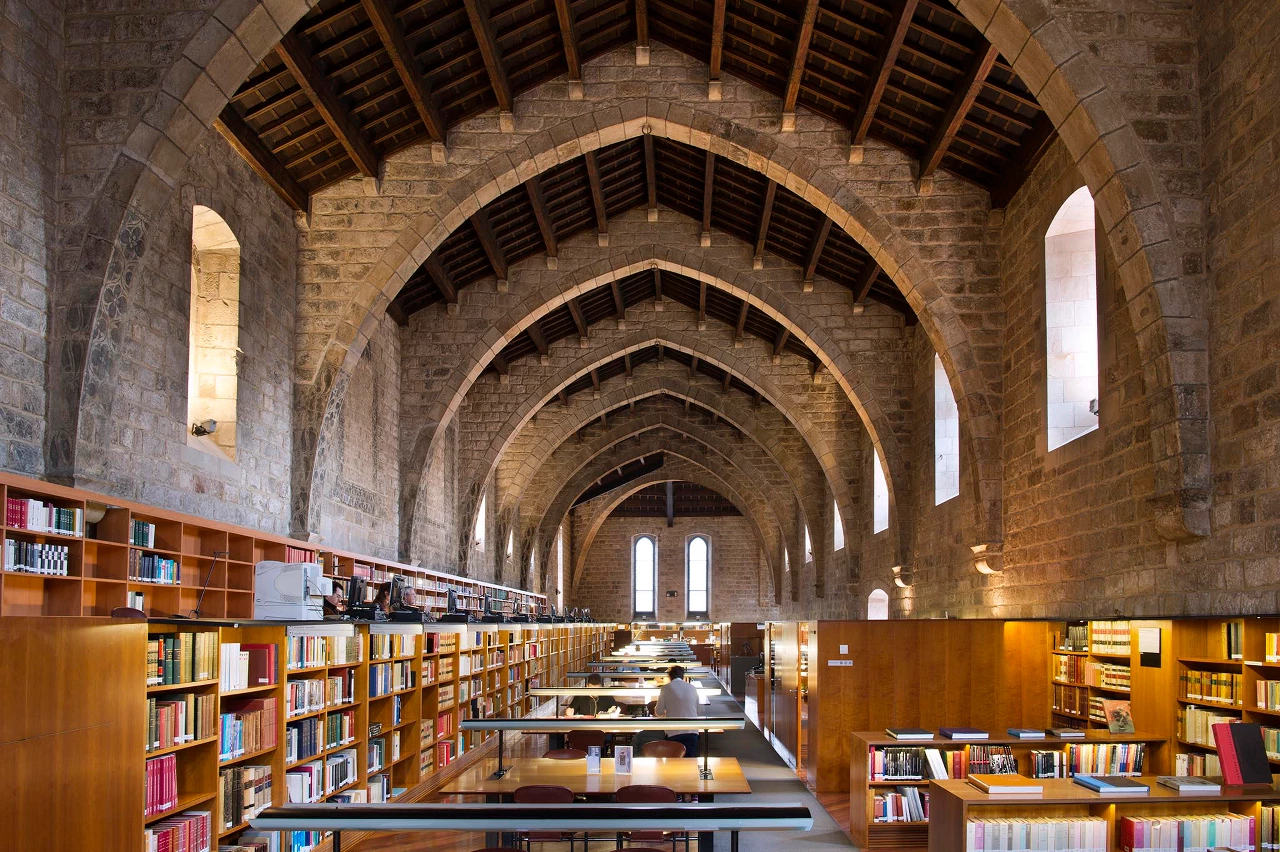
Biblioteca Nacional de Catalunya
An institution preserving Catalonia’s bibliographic heritage within the Gothic walls of the former Hospital de la Santa Creu.

Basílica dels Sants Màrtirs Sant Just i Pastor
A 14th-century Gothic gem, tucked away among centuries-old alleyways, in Barcelona’s oldest square.

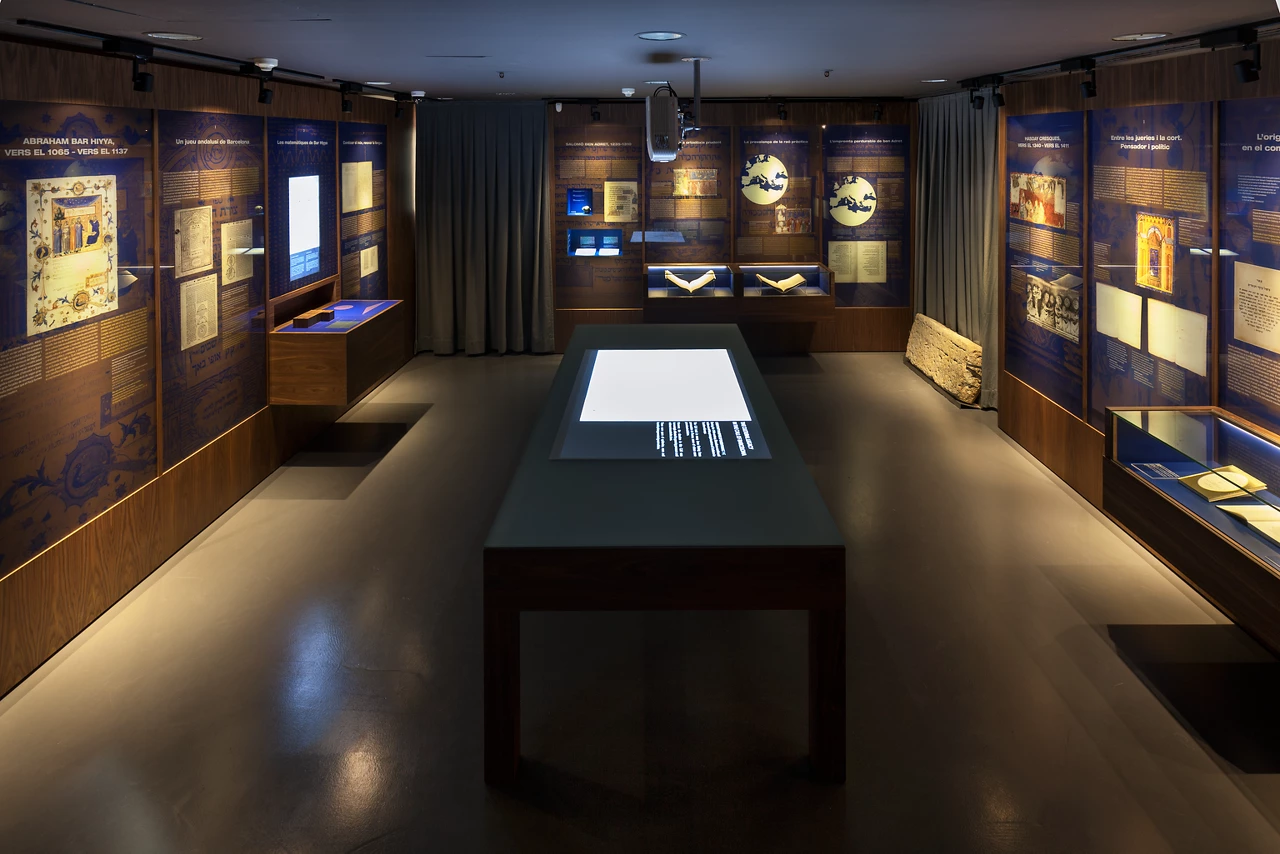
MUHBA – Museu d’Història de Barcelona – El Call
Interpretation centre located in the former Jewish quarter, dedicated to preserving and sharing the memory of Barcelona’s medieval Jewish community.