To speak of the prawn simply as a seasonal product would be misleading. It is also about memory and legacy. About not losing touch with our roots.
The red prawn is Barcelona. It is so because it keeps alive the memory of a city that still looks to the sea and recognises in its most distinctive produce a way of life that belongs to it.
It follows a path that preserves the prawn’s flavour as it has always been known, while also helping to sustain local knowledge and a fishing sector in Barcelona that is under threat. A trade as old as the city itself, closely tied to the sea and to a tradition that still endures in a globalised world.
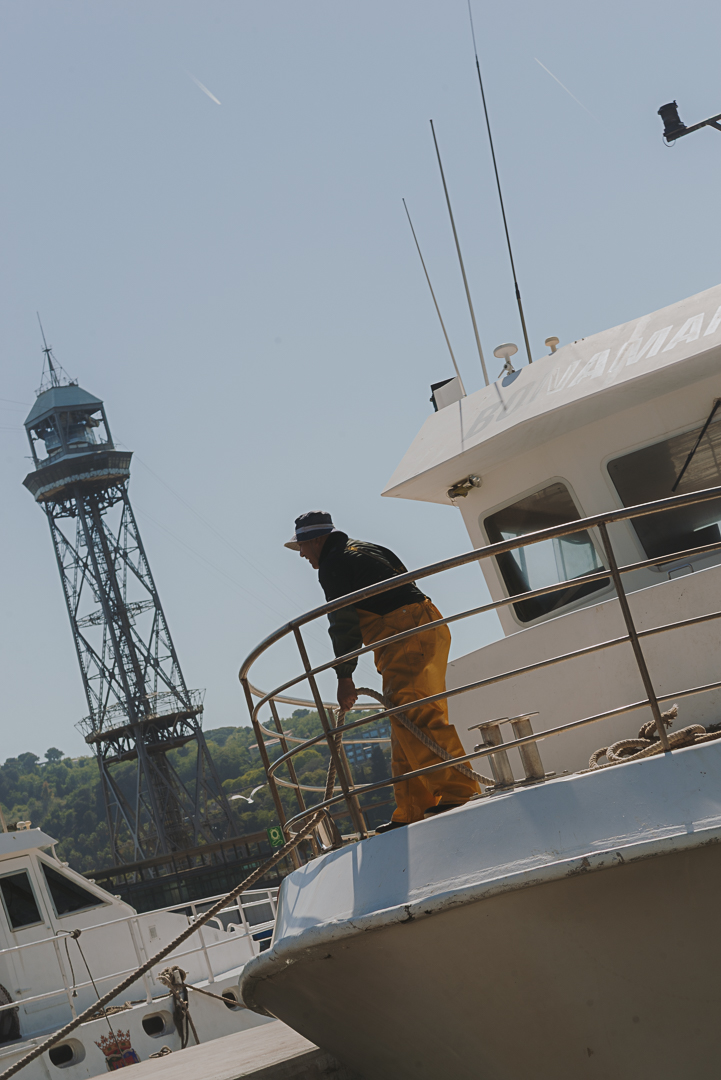
Living at depths of around 700 metres, the red prawn did not reach the table until the mid 20th century, when advances in technology made its capture possible. Its immediate popularity quickly made it one of our most recent traditional dishes.
Character
Traditionally, the prawn has not needed elaborate narratives or refined culinary presentation to be appreciated. A good plancha or grill is enough for its character to come through, although it can also take centre stage in suquets (fish stews) or rice dishes.
Its strength lies in this duality: delicate yet full of flavour, simple yet capable of elevating any dish. In Barcelona and across Mediterranean cuisine more broadly, the prawn is one of the most highly valued seafood products, a pure expression of the sea and its most intense, authentic flavours.
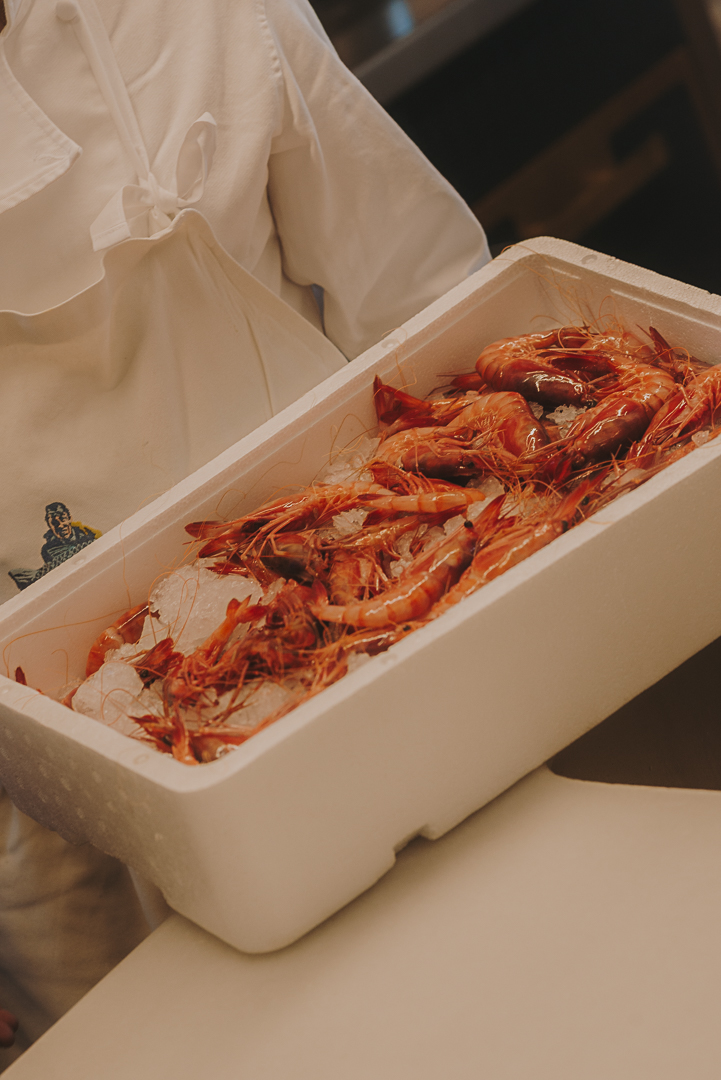
The prawn is one of the main arguments against the decline of fishing, as it remains one of its most valuable and prestigious products.
Freshness
Everything begins off the Garraf coast at depth, where the prawn lives and is caught, and where Barcelona’s fishing fleet operates: small independent boats that maintain an increasingly fragile balance between keeping the trade going, making a living and ensuring the continuity of prawn stocks.
The journey continues at the fish market, still an unusual presence in a major European capital, where boats return to port and the catch is sold just a few metres from city life, helping preserve one of fishing’s most valued qualities: freshness.
From there, the prawn moves on to restaurants, where it is treated as a gastronomic treasure, completing a cycle that connects the city’s culture, history and different parts of its life.
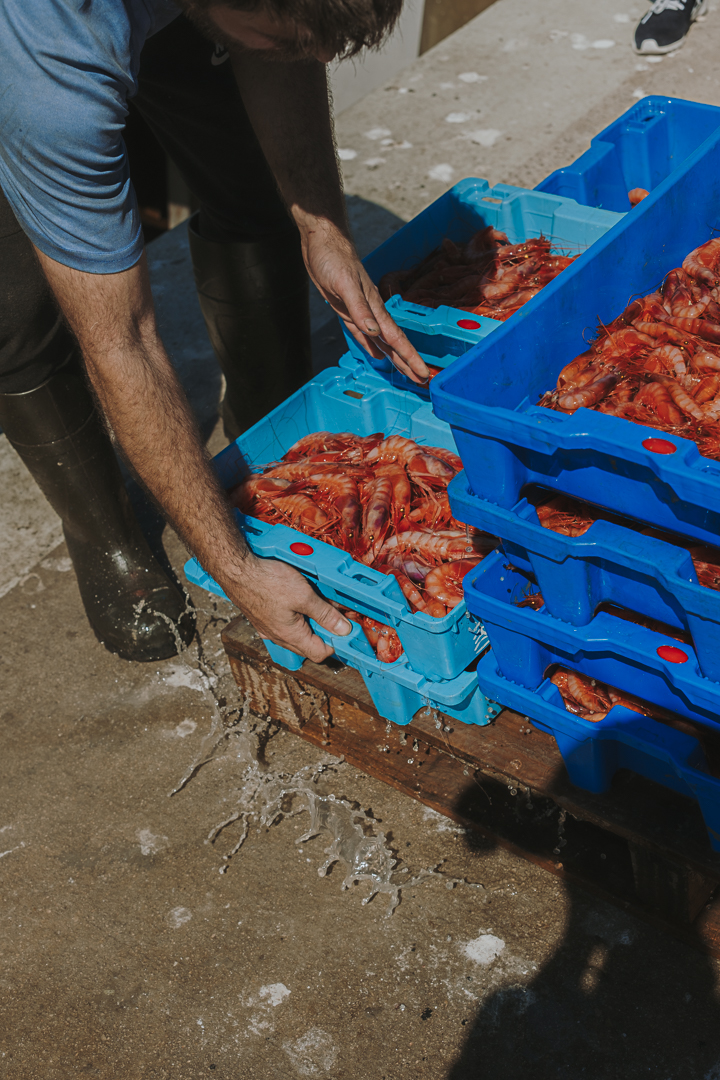

Where to find and taste the freshest prawns
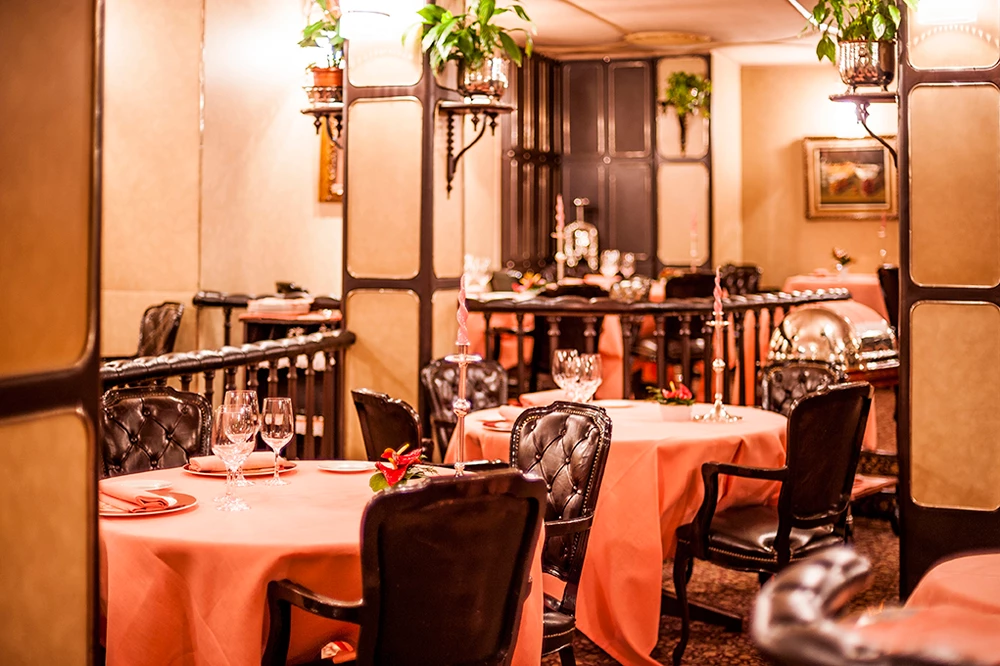
Via Veneto
An iconic restaurant with classic cuisine, seasonal touches and over 50 years of history.
Kresala
Basque grill and restaurant overlooking the sea, specialising in seasonal seafood from Cantabrian and Mediterranean fish markets.
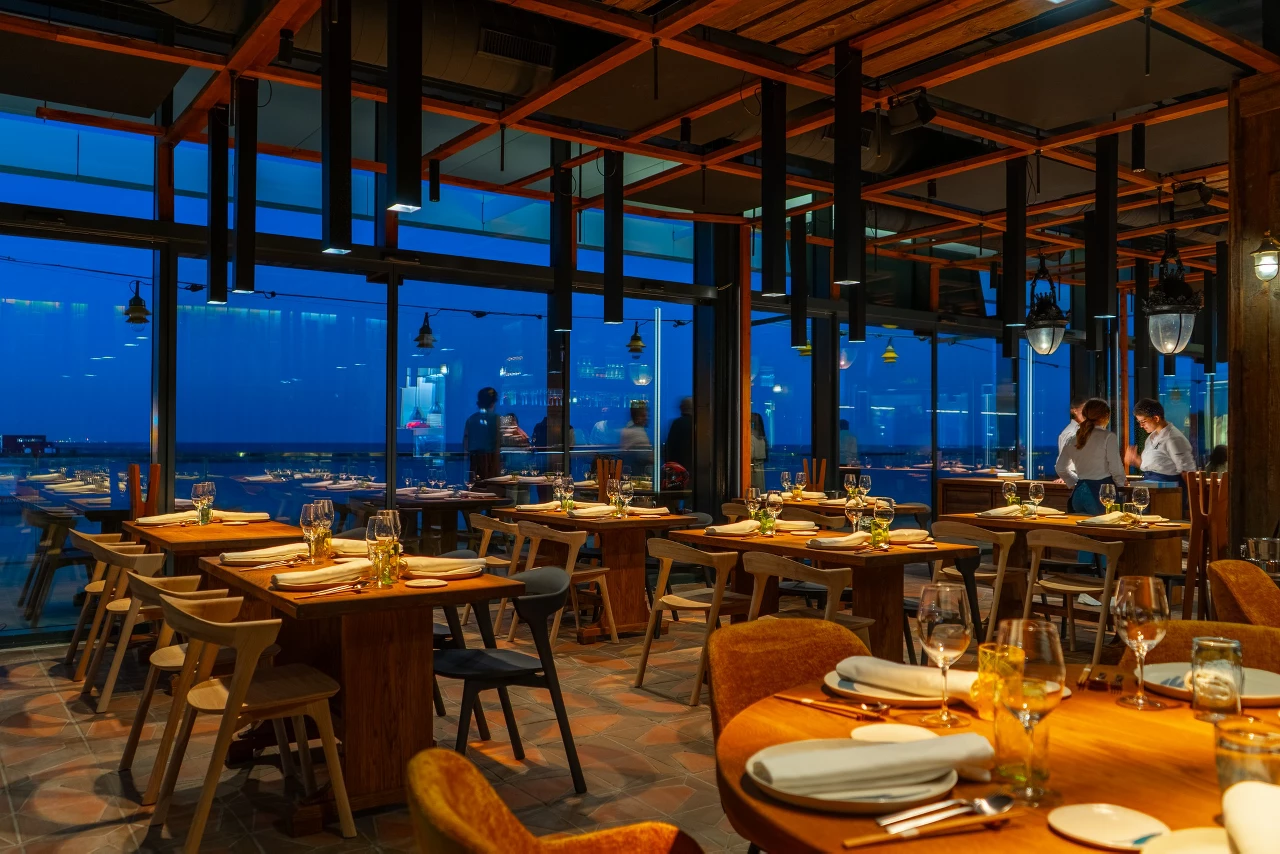
Passadís del Pep
Restaurant serving fresh, seasonal, locally sourced fish and seafood, with dishes prepared without a set menu, tailored to the diner's preferences.
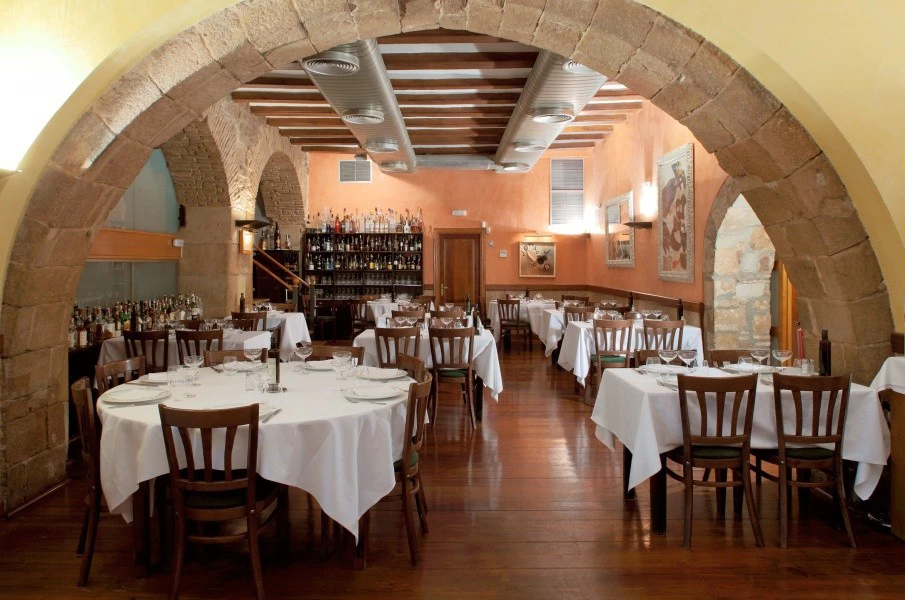
Restaurante Barceloneta
A Mediterranean restaurant overlooking the port offering tapas for starters and rice dishes, fish and seafood as the main courses.
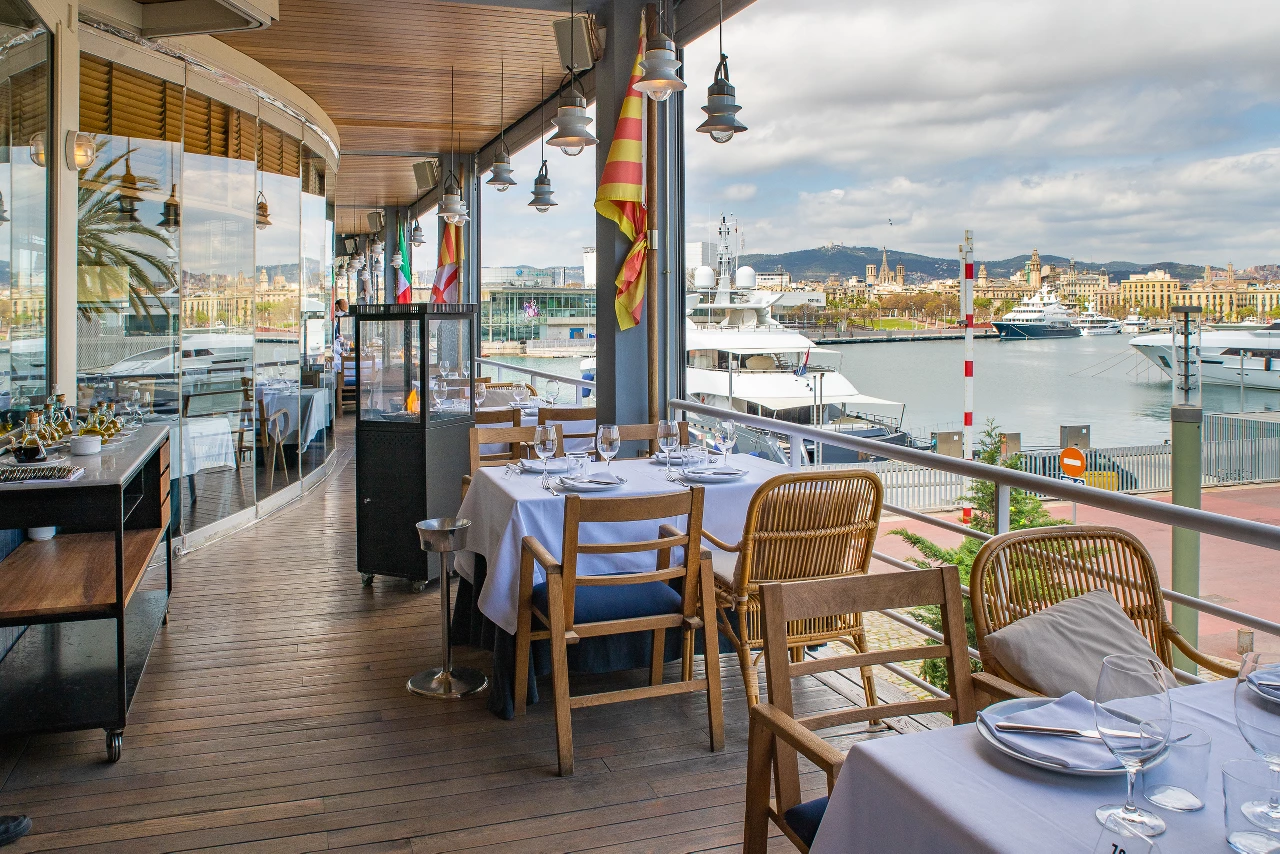
Cinc Sentits
A fine Catalan restaurant with tasting menus and wine pairings that reinterprets tradition using locally sourced products.
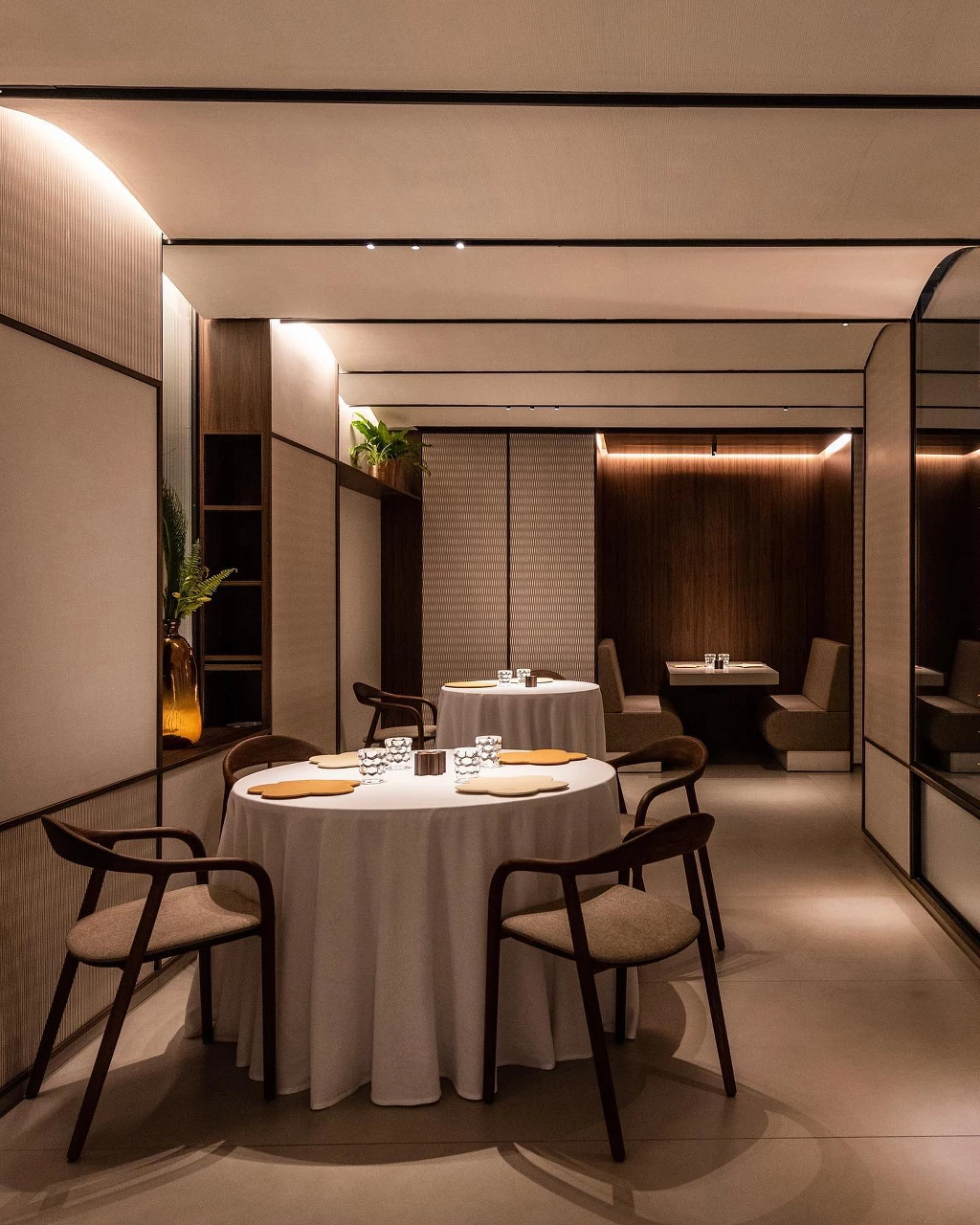
Enoteca Paco Pérez. Hotel Arts
A fine Mediterranean restaurant with signature touches focused on products from the sea, land and mountains.

7 Portes
A historic restaurant near the sea boasting Catalan and seafood cuisine, with standouts including rice dishes, fish and traditional fare.
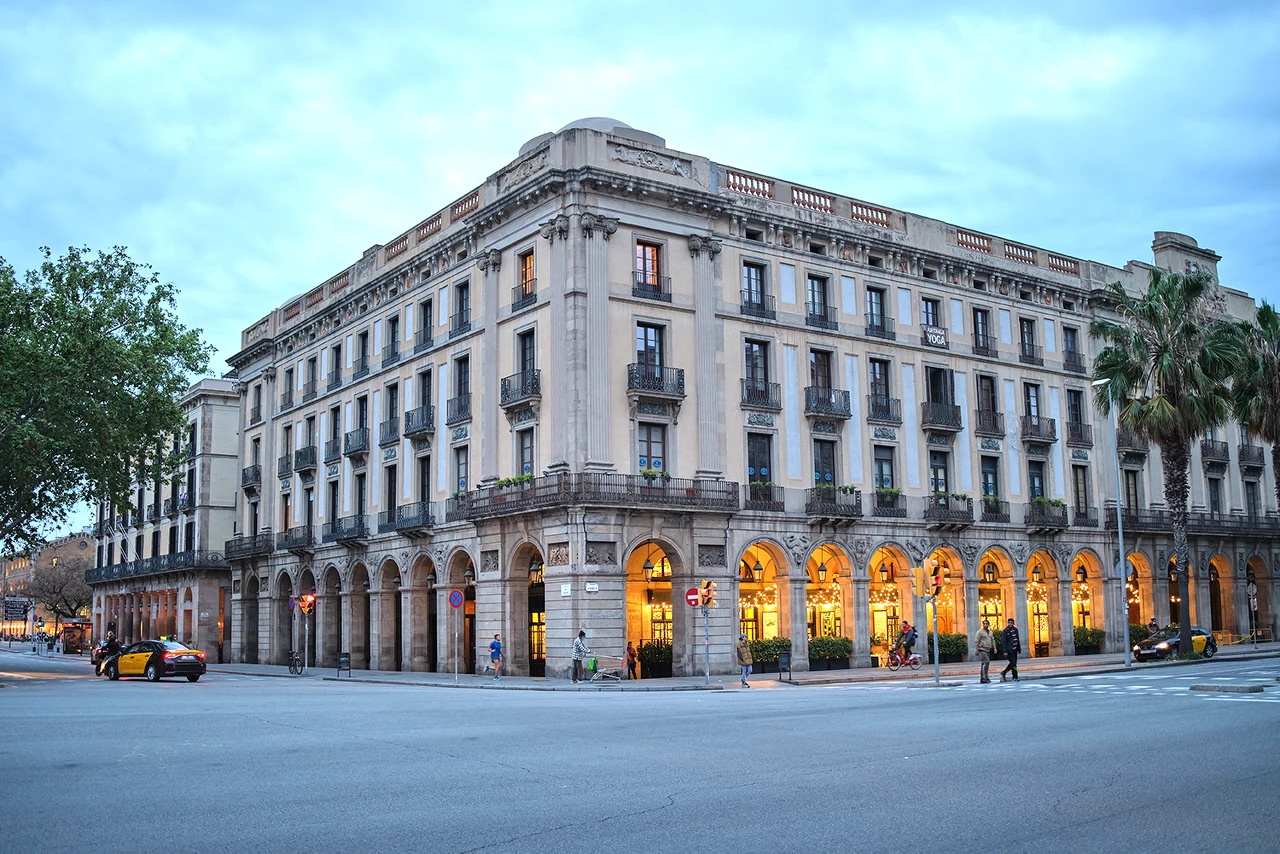
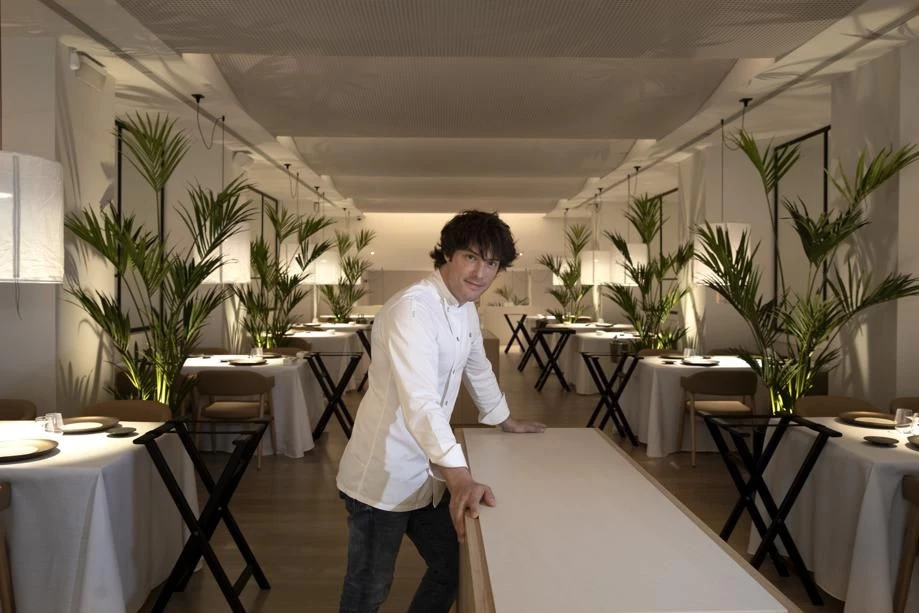
Atempo
Haute cuisine with a creative menu as its sole offering, where a different chef finishes each dish right at the table.
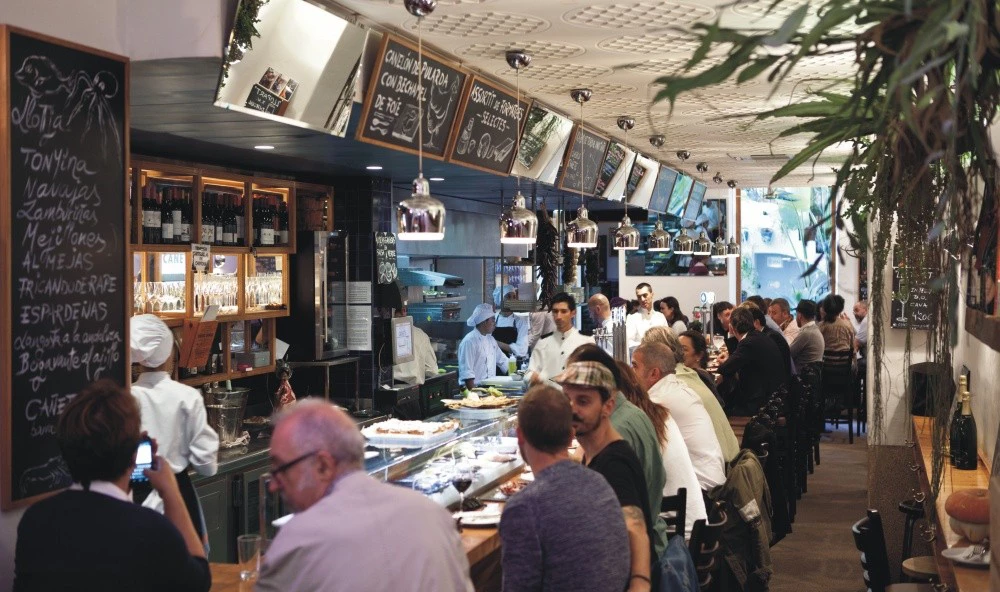
Bar Cañete
Tapas bar in El Raval where the bar and open kitchen complement a wide menu of fried fare and small dishes in a lively atmosphere.
Moments. Hotel Mandarin Oriental, Barcelona
An exclusive Catalan fine dining restaurant that reinvents tradition through tasting menus that vary according to the season.


