Each plant, a story.
Behind the produce you find in a local shop, there is always more than meets the eye, far more even than the culinary or sensory experience you expect. Each artichoke from the Parc Agrari del Baix Llobregat reflects hundreds and thousands of hours of work, along with a constant negotiation with time, the land and all those factors both within and beyond one’s control. In the end, it is not only about what is grown, but about the people behind it. Each one different, yet all essential in ensuring that the white Tudela artichoke from El Prat is regarded as one of the finest in the world.
“We have our own identity, and it shapes the way we grow. If we lose it, globalisation will sweep everything away. What you can eat here you cannot eat on the other side of the world, and vice versa. The artichoke from El Prat is a clear example.”
The artichoke is a flower. It is eaten, it needs cold weather and it is, in essence, an edible thistle. Still, it is a flower all the same. Simple, and that is exactly the point. From this unusual Mediterranean plant comes one of the city’s most valued vegetables.
That is no coincidence. It is one of the more demanding crops to grow, sensitive to water and easy to lose. If it is not handled properly, it turns fibrous. If it is not cooked fresh, it quickly loses its flavour. It calls for precision, care and experience. It has a distinctive flavour that does not always pair easily.
Even so, or perhaps for that very reason, it has a strong presence in the city’s kitchens during its season. From modest neighbourhood restaurants to fine dining tables, it appears on menus between November and April. That gives a sense of its strength.

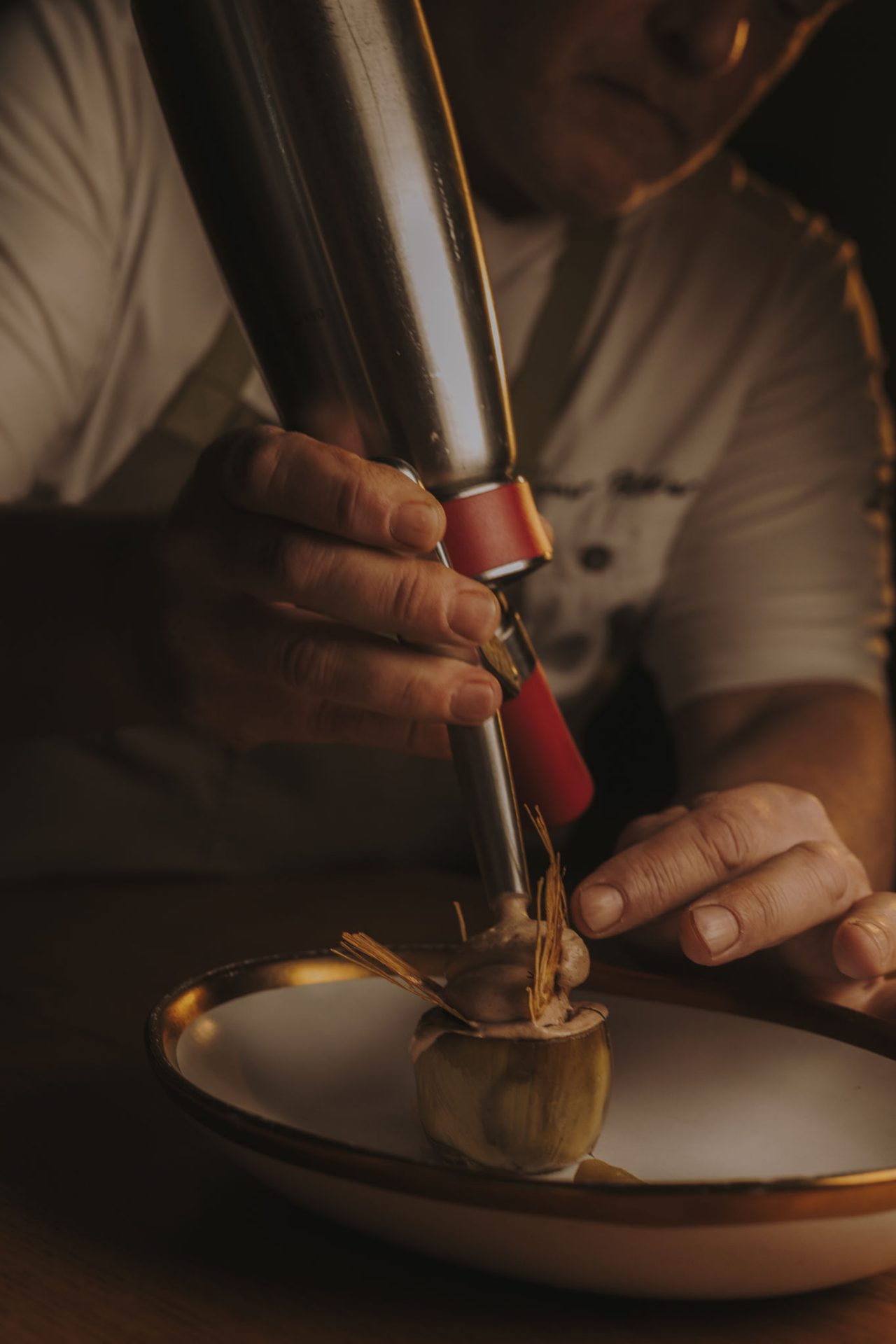
“The Baix Llobregat has long been Barcelona’s kitchen garden, and the artichoke is its signature crop. It has been grown here for generations, despite being a demanding and high-risk crop. Its survival is down to the care it receives and the value local people continue to place on it.”

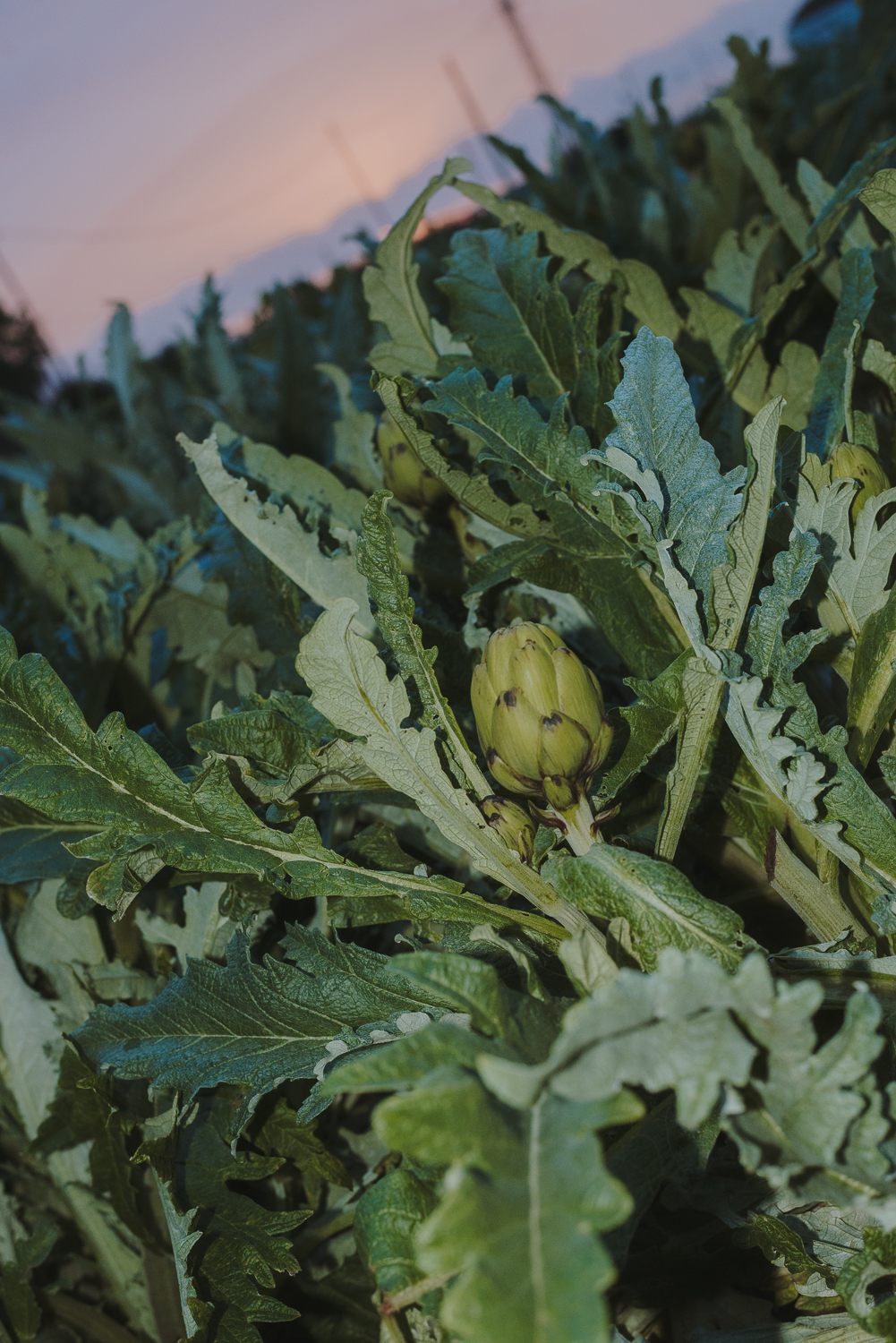
The Parc Agrari del Baix Llobregat
Over thousands of years, a river formed one of the most fertile plains in what would become Catalonia. In time, that land helped a major city grow, now the capital of Catalonia.
That plain is the Llobregat Delta. Today, there is no other European city with an agricultural area of this scale just 10 km from its centre, still able to supply fresh produce while continuing to perform the role that made it essential in the first place.
What exists here is a close and, in many ways, unusual relationship between a rural landscape that has had to withstand pressure from speculation and urban expansion and a metropolitan area of millions of people. It goes against expectations, is uncommon at this scale and carries real value.
The artichoke from El Prat is its most visible expression and one of the clearest signs of the park’s resilience in the face of land pressure and the gradual loss of agricultural space. At the same time, it depends on the specific conditions of the delta’s soil and the knowledge of those who grow it. Restaurants help sustain its value by bringing it to the table while also relying on its quality and proximity.
Without the agricultural park, this balance would not exist. It is a symbiotic relationship in the truest sense, and a rare one at that.
Where to truly enjoy artichokes
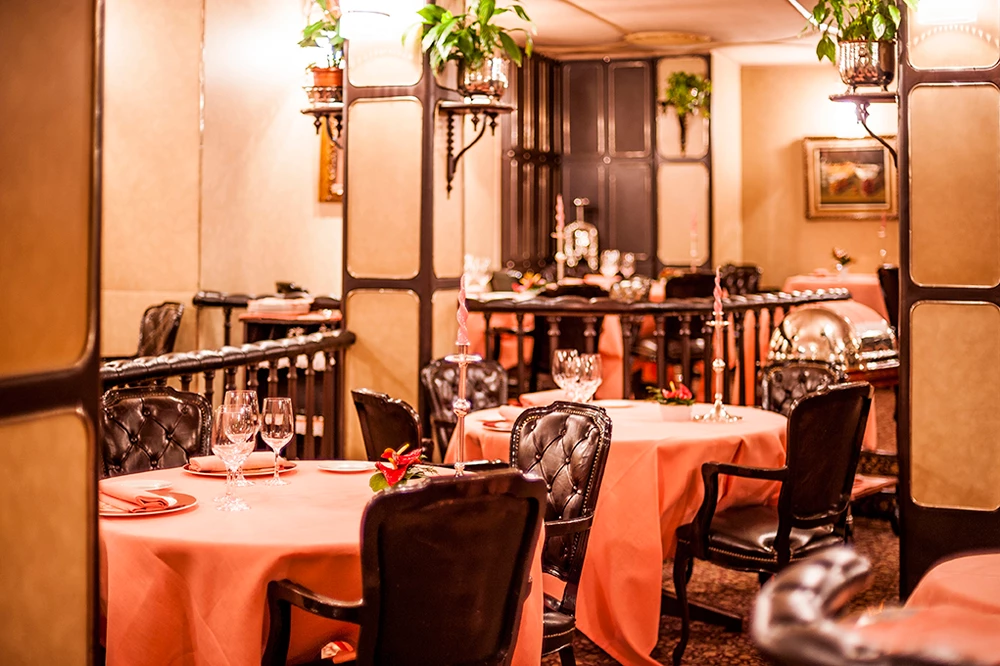
Via Veneto
An iconic restaurant with classic cuisine, seasonal touches and over 50 years of history.
Xavier Pellicer
A green culinary restaurant that specialises in vegan, vegetarian and omnivorous menus using seasonal organic products.

Galante
A restaurant with the soul of a wine cellar, offering gourmet Catalan and Spanish cuisine tapas in a space that still preserves the woodwork of an old workshop.
Leku
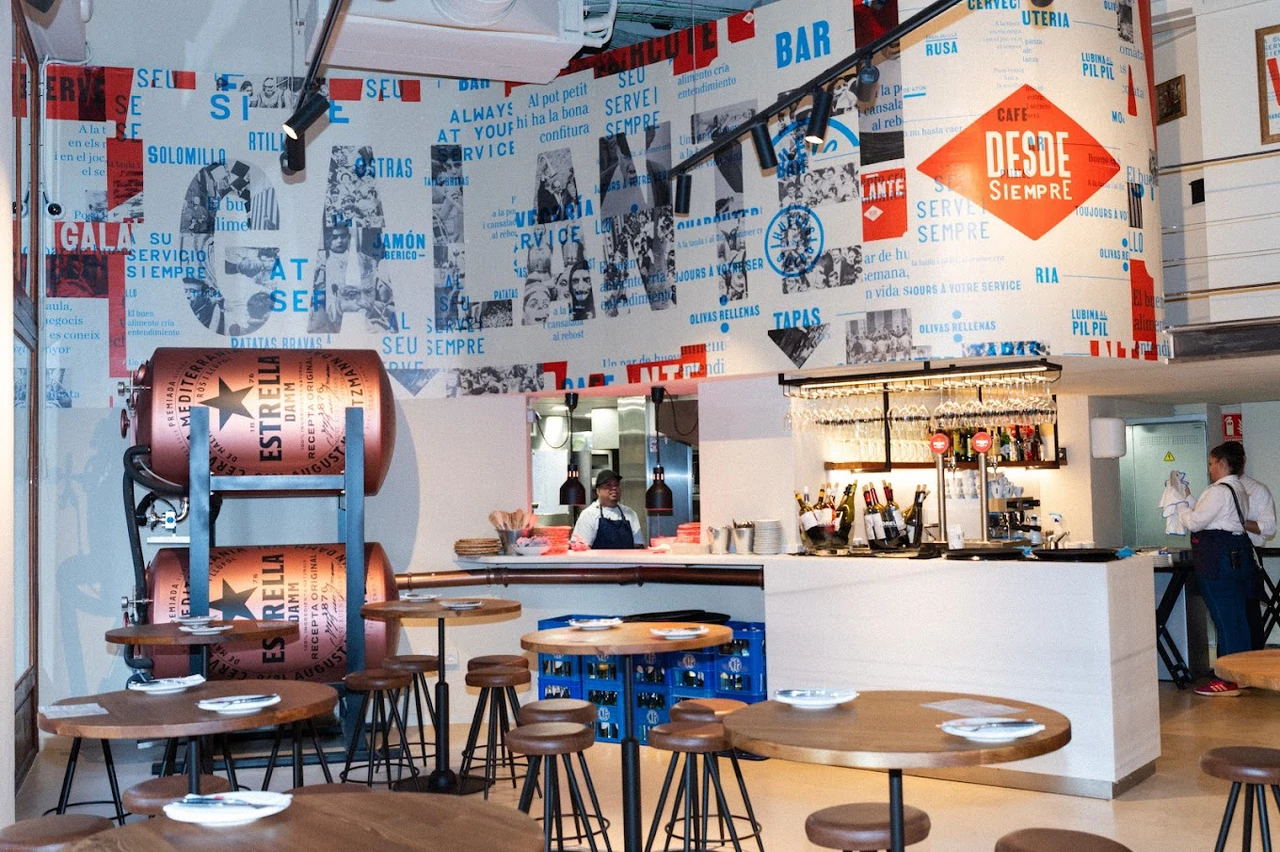
A small restaurant with a highly distinct Mediterranean style, focused on premium products and offering a selection of omelettes every Friday.

Agreste Mar
Signature Italian-Catalan cuisine boasting seasonal produce and fresh pasta in creative dishes and tasting menus.

Al Kostat
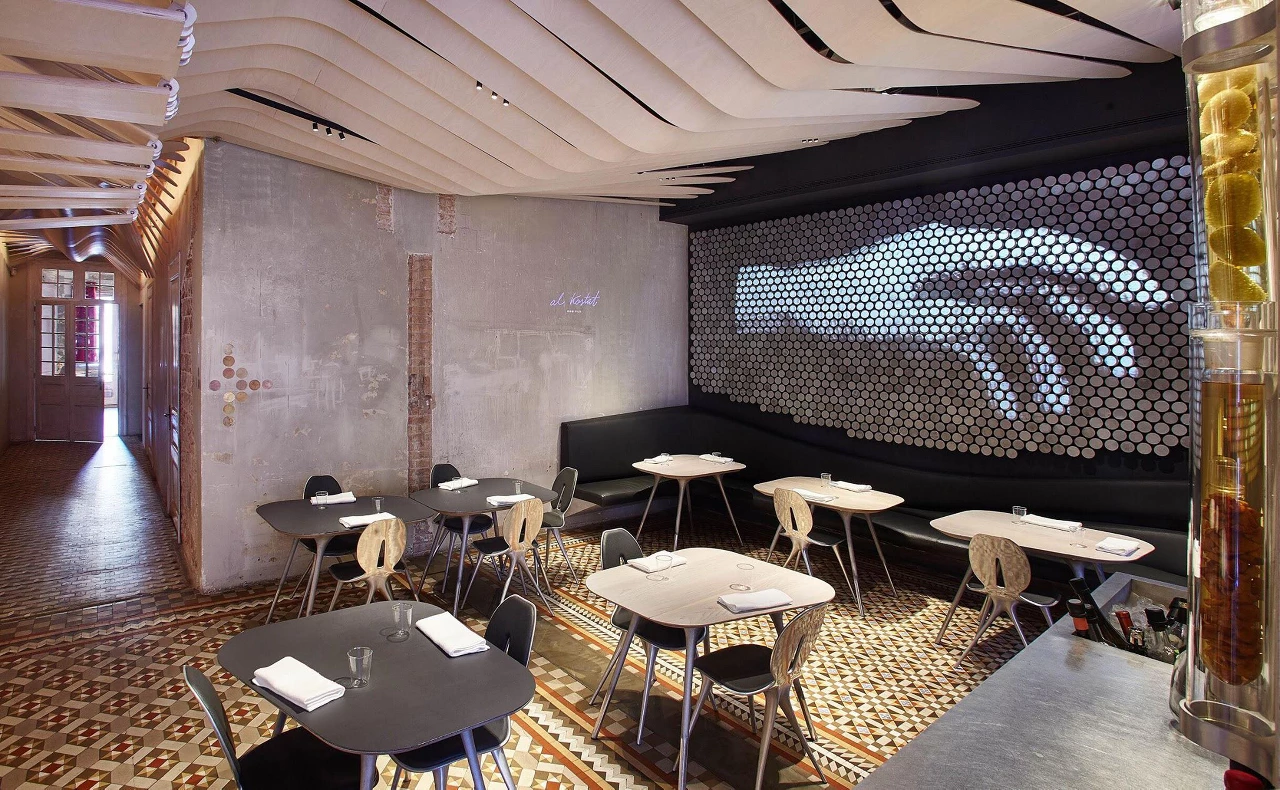
A casual eatery serving Catalan cuisine perfect for sharing, featuring classic dishes, seasonal specialties and grilled meat and fish.
Petit Comitè
A Catalan restaurant specialising in seasonal, locally sourced cuisine, featuring a tasting menu, a carefully curated wine list and an outstanding Dry Martini.

La Venta
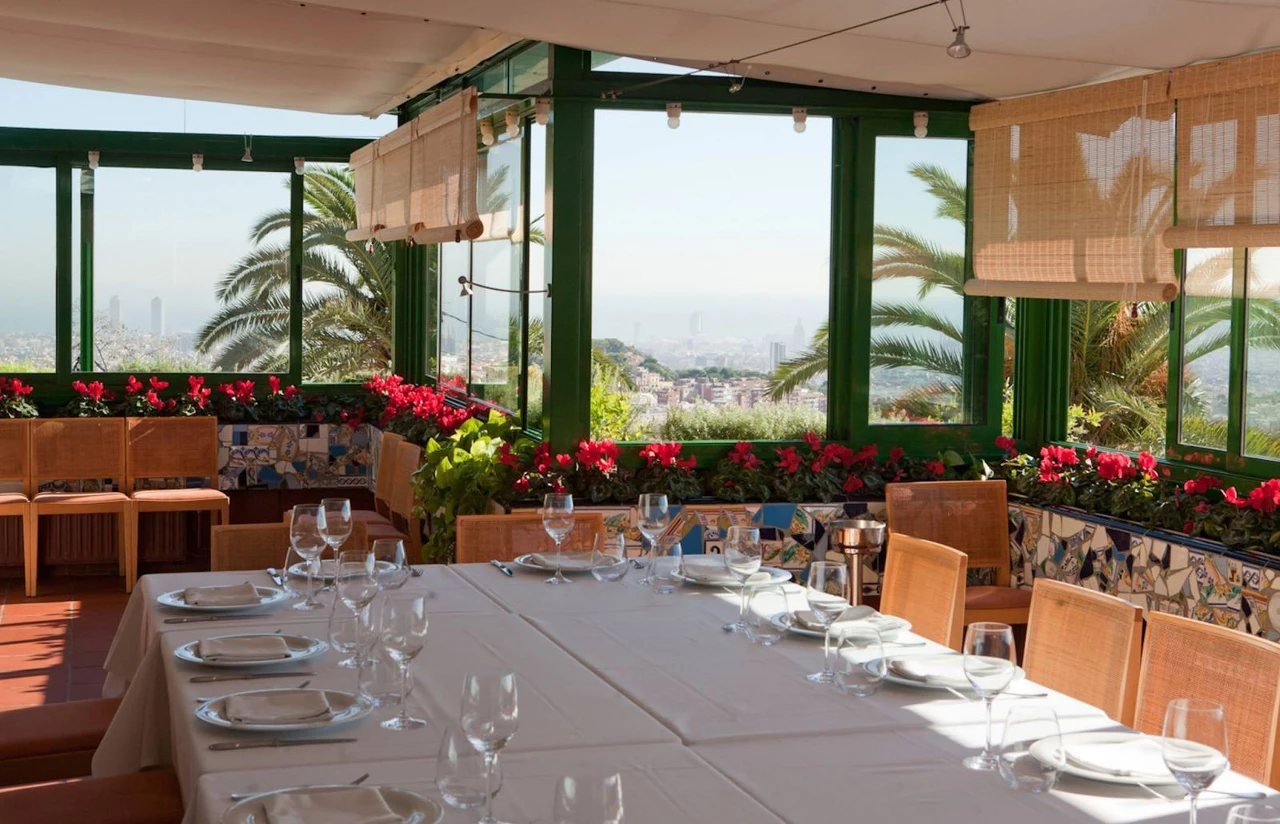
Mediterranean restaurant in a modernist mansion known for its rice dishes and courses ideal to be shared with friends on a peaceful terrace.
Gresca
A restaurant boasting bold cuisine, offering original combinations capped off by a wine list personally selected by the chef.
Incorrecte
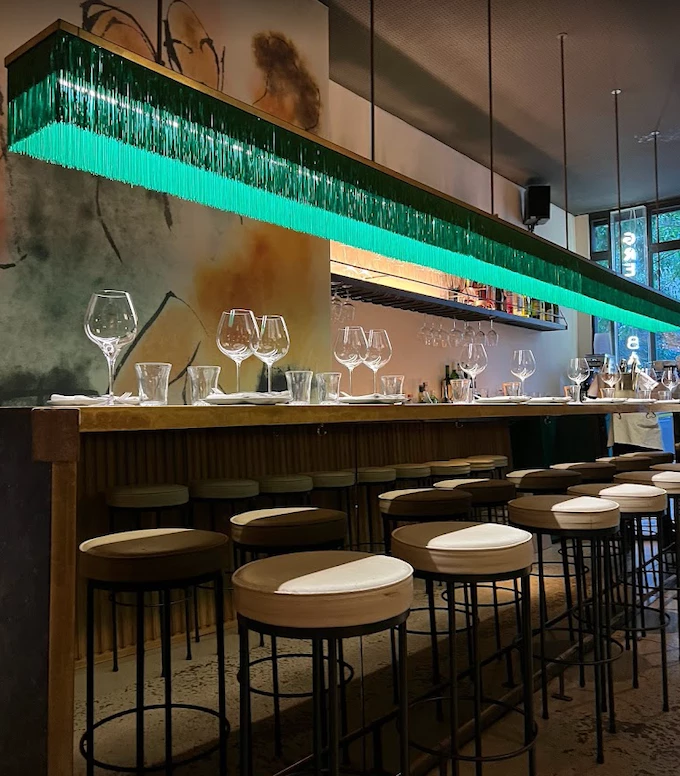
A restaurant that reinterprets traditional home cooking with modern touches, offering an outstanding tasting menu alongside an intriguing wine list.

La Taverna del Clínic
A tapas bar serving signature dishes featuring premium ingredients on its à la carte and tasting menus.

Can Culleretes
A restaurant that boasts two centuries of history and traditional Catalan cuisine served in generous portions of hearty dishes, stews and casseroles.
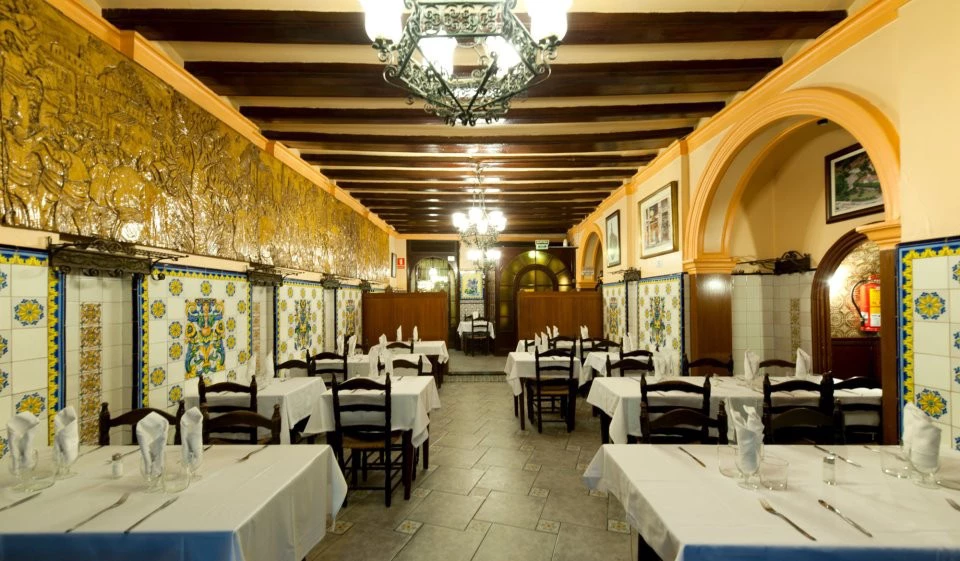
Solc. Hotel Majestic
A restaurant that serves up healthy cuisine featuring vegetables from its own garden on the set menu, tasting menu and lunchtime menu.
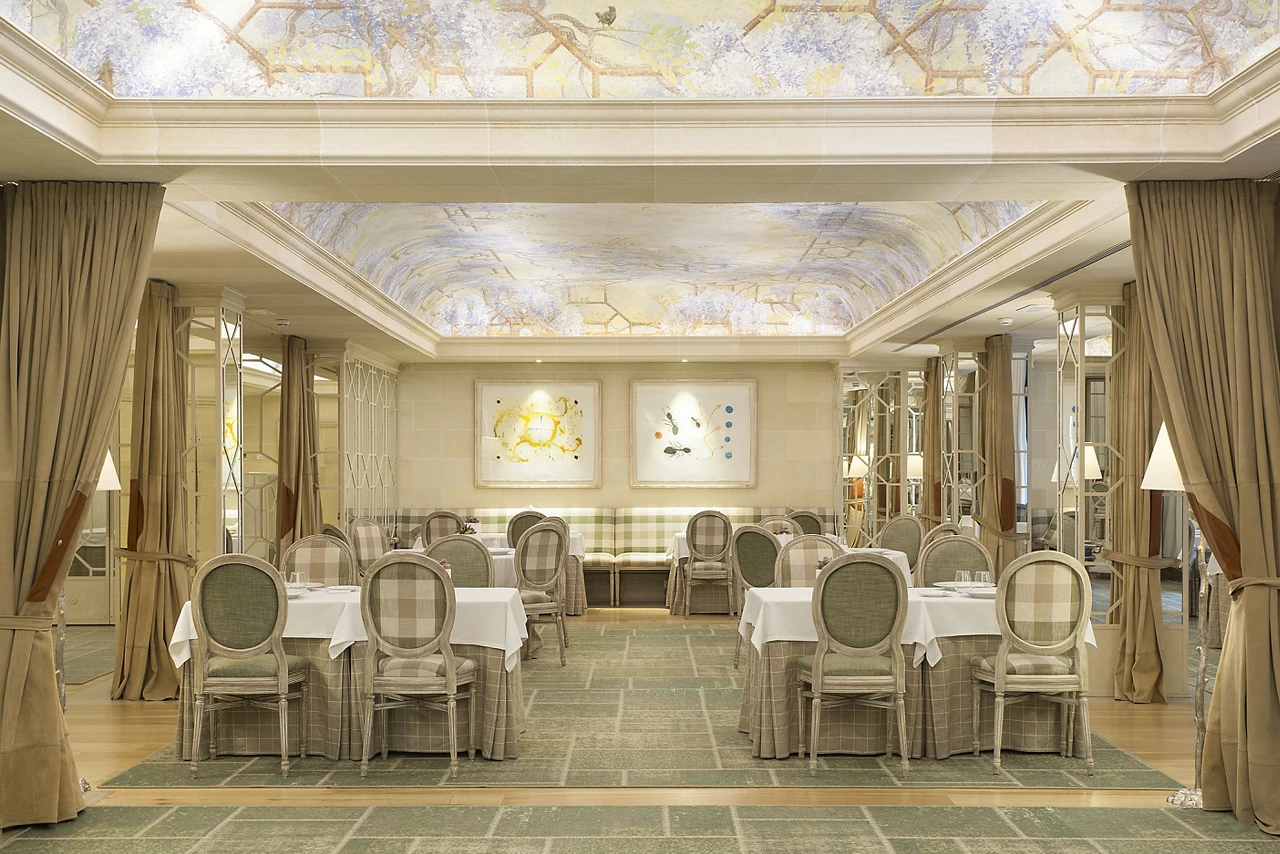
7 Portes
A historic restaurant near the sea boasting Catalan and seafood cuisine, with standouts including rice dishes, fish and traditional fare.
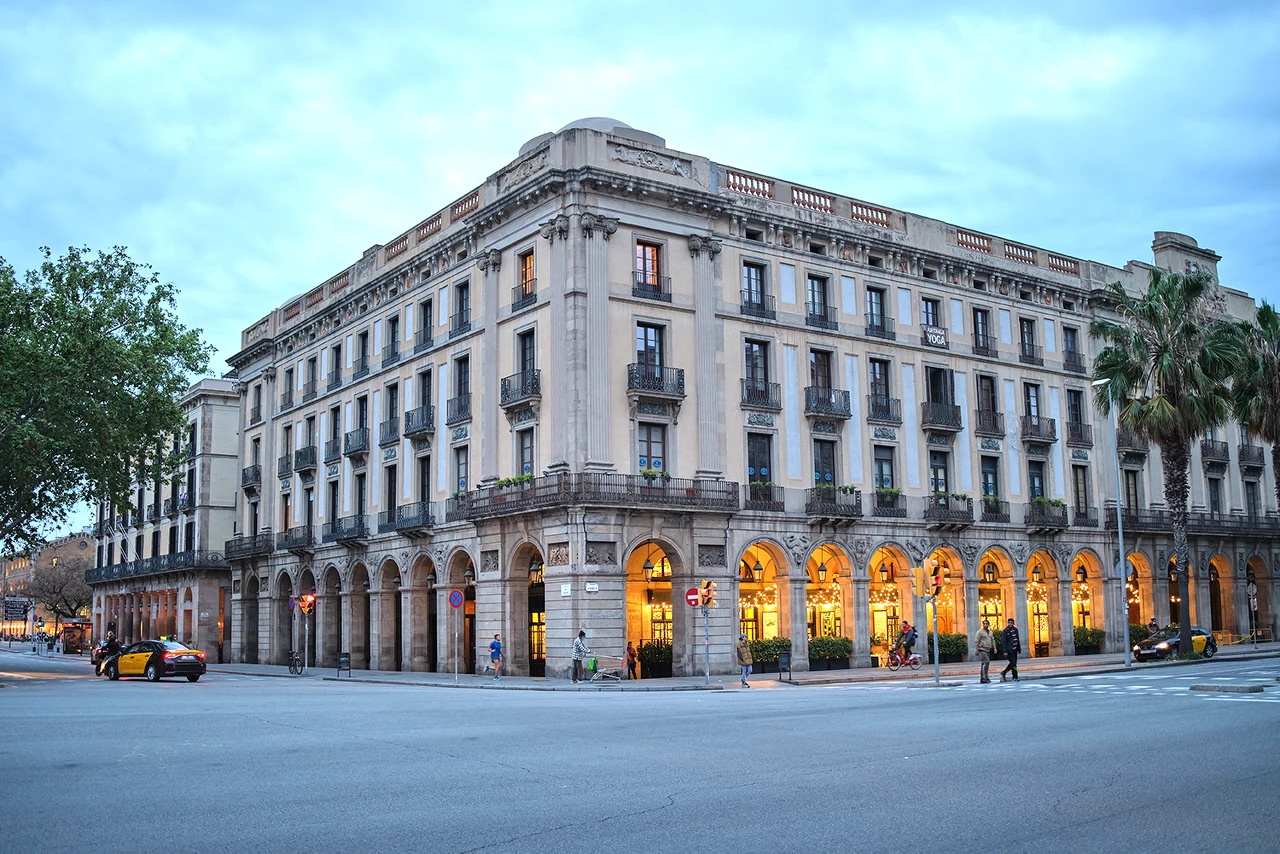
Roig Robí
A historic restaurant serving traditional Catalan cuisine with a modern spirit, featuring an interior garden terrace and reasonably priced wine.
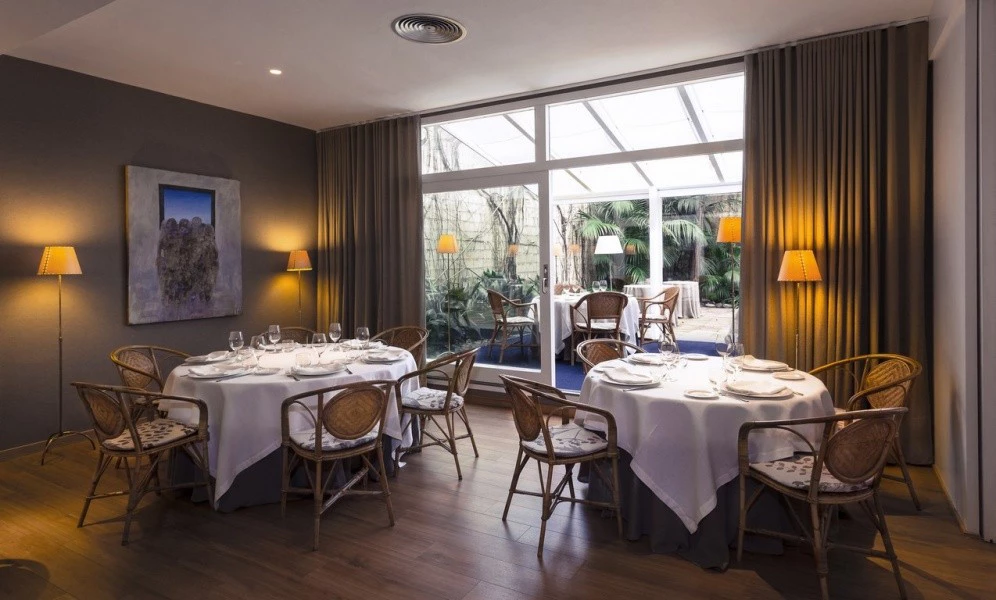
Windsor
A market-driven restaurant that blends tradition and innovation through seasonal and tasting menus along with a carefully curated wine list.

Igueldo
A Basque restaurant with a Mediterranean feel, using premium ingredients in stews, meat and fish dishes.

Granja Elena
A neighbourhood tavern founded in 1974 specialising in hearty breakfasts and dishes made with premium raw materials.
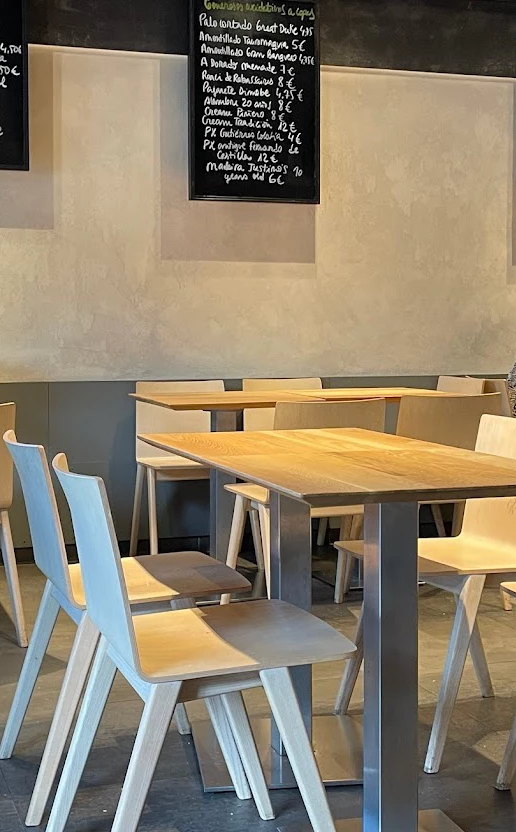
Café de París
An authentic bistro, with timeless classics and shared dishes made with premier ingredients and a select wine list.
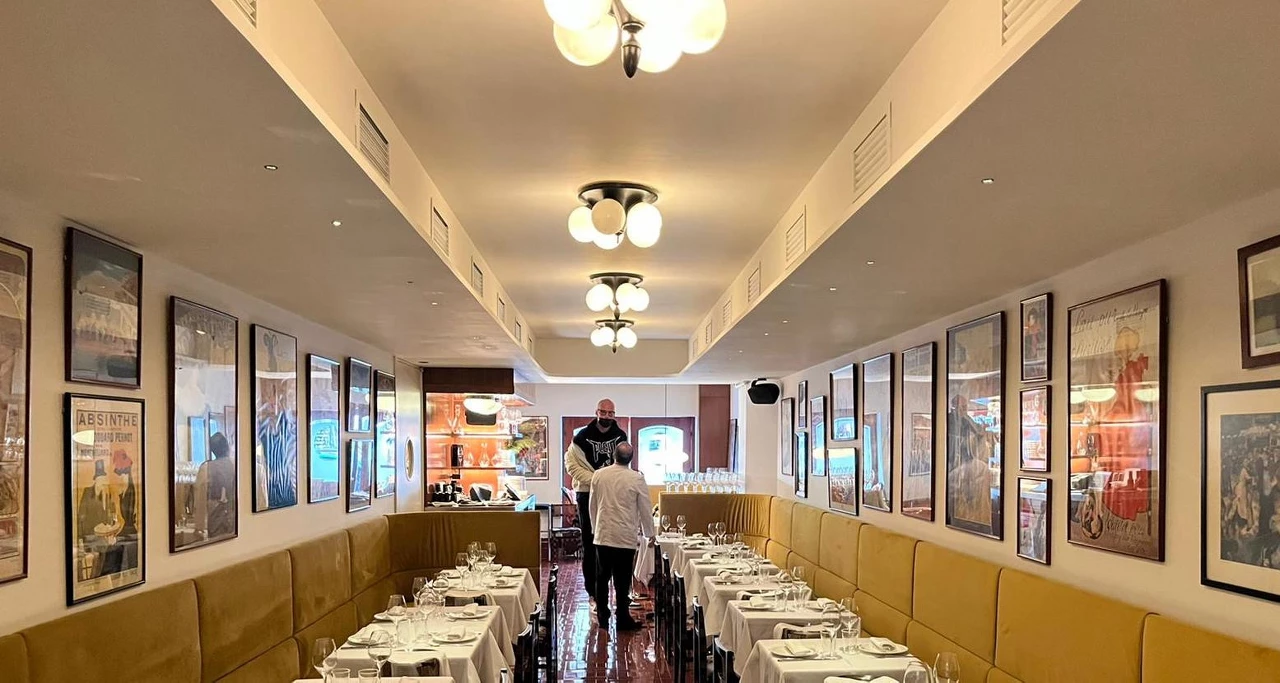
Bambarol
Tapas bar with classics prepared with seasonal produce, generous portions and meals designed for sharing.
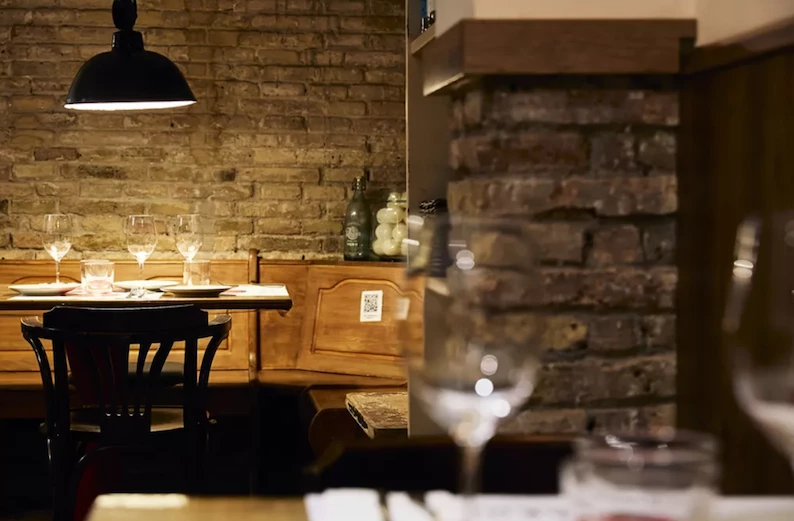
Bonanova
A restaurant with a history dating back to 1964, specialising in traditional, seasonal cuisine and premium ingredients.
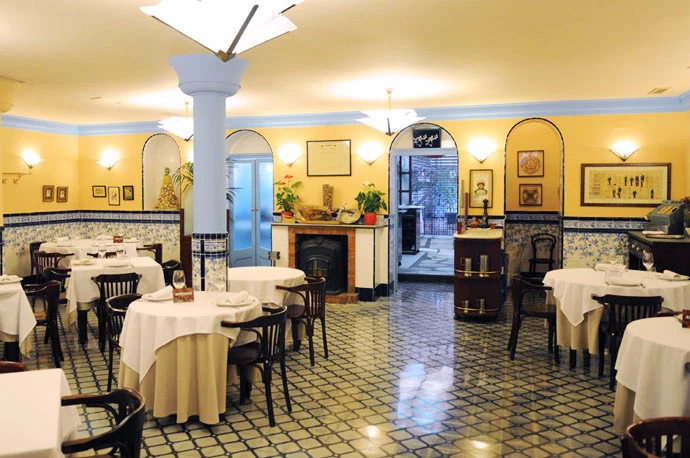
Can Pineda
A restaurant that started as a bar in 1904, serving traditional Catalan cuisine with seasonal produce and a carefully selected wine list.
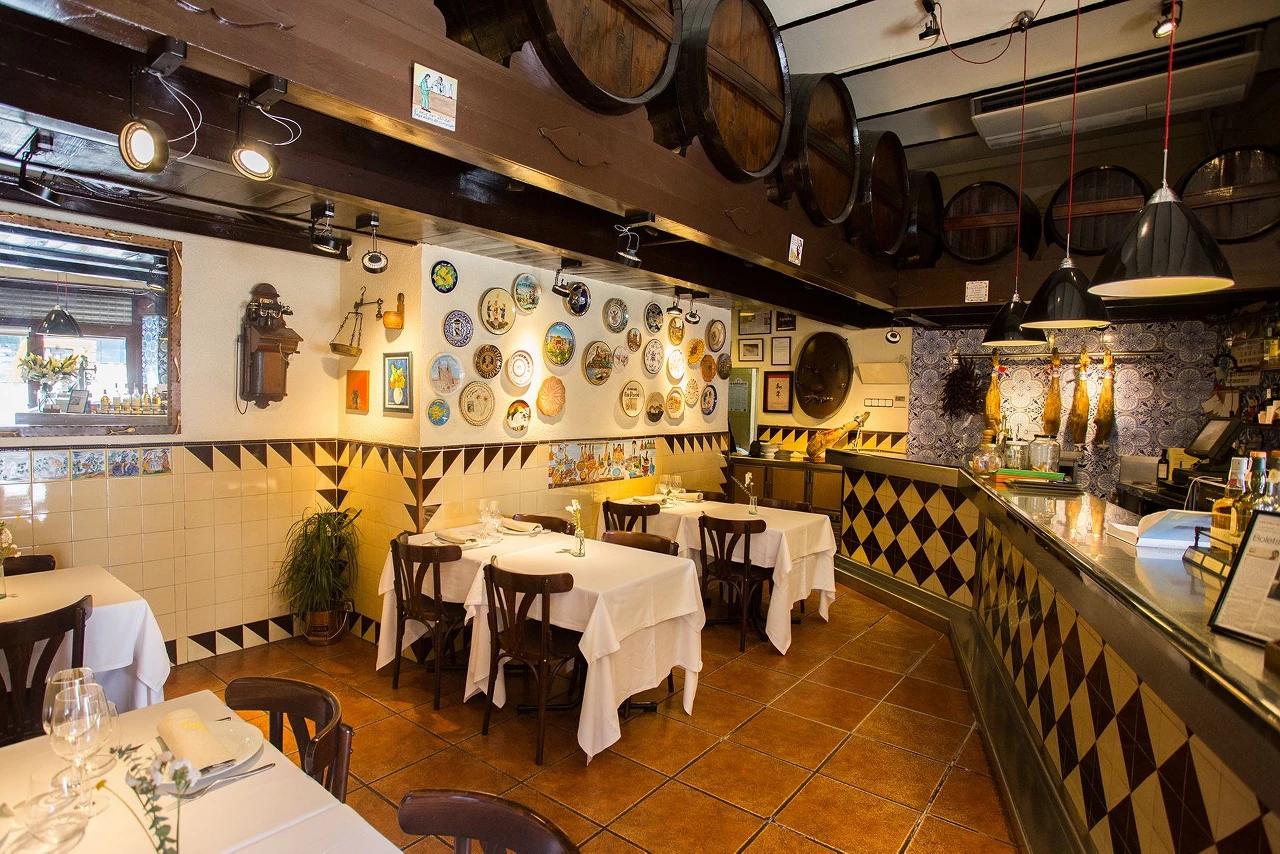
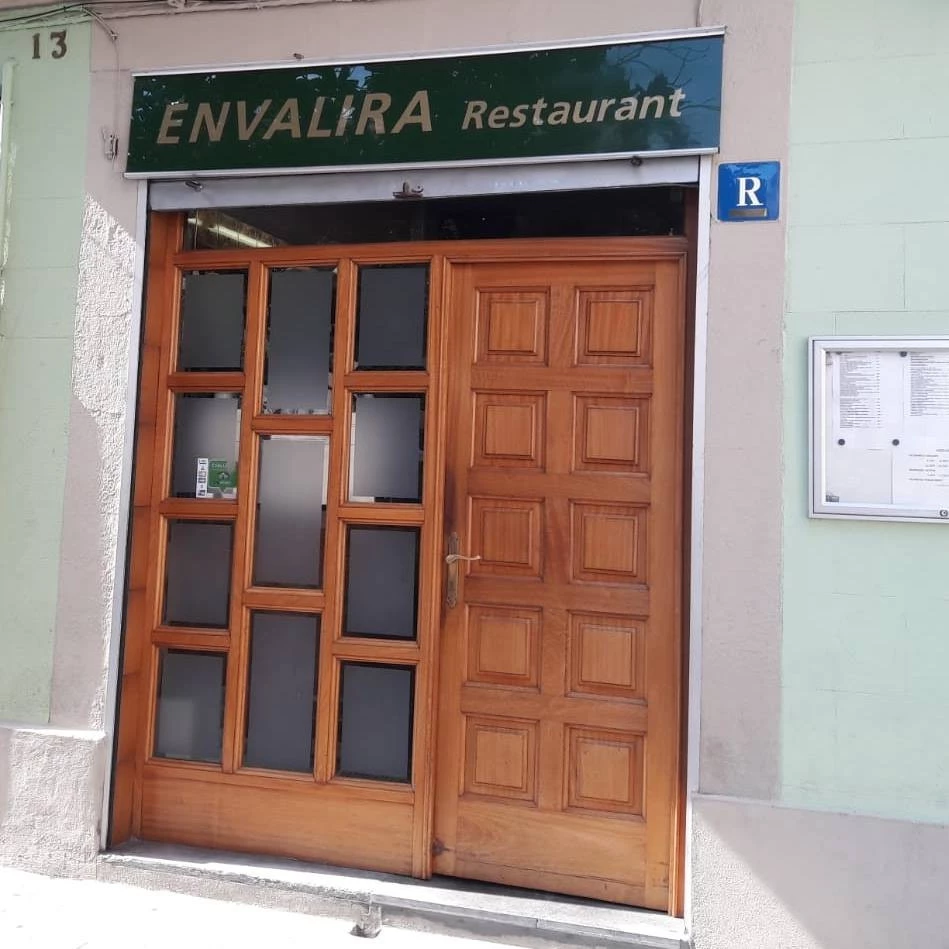
Envalira
A classic, seafood-inspired restaurant that combines home-style dishes with acclaimed rice dishes.