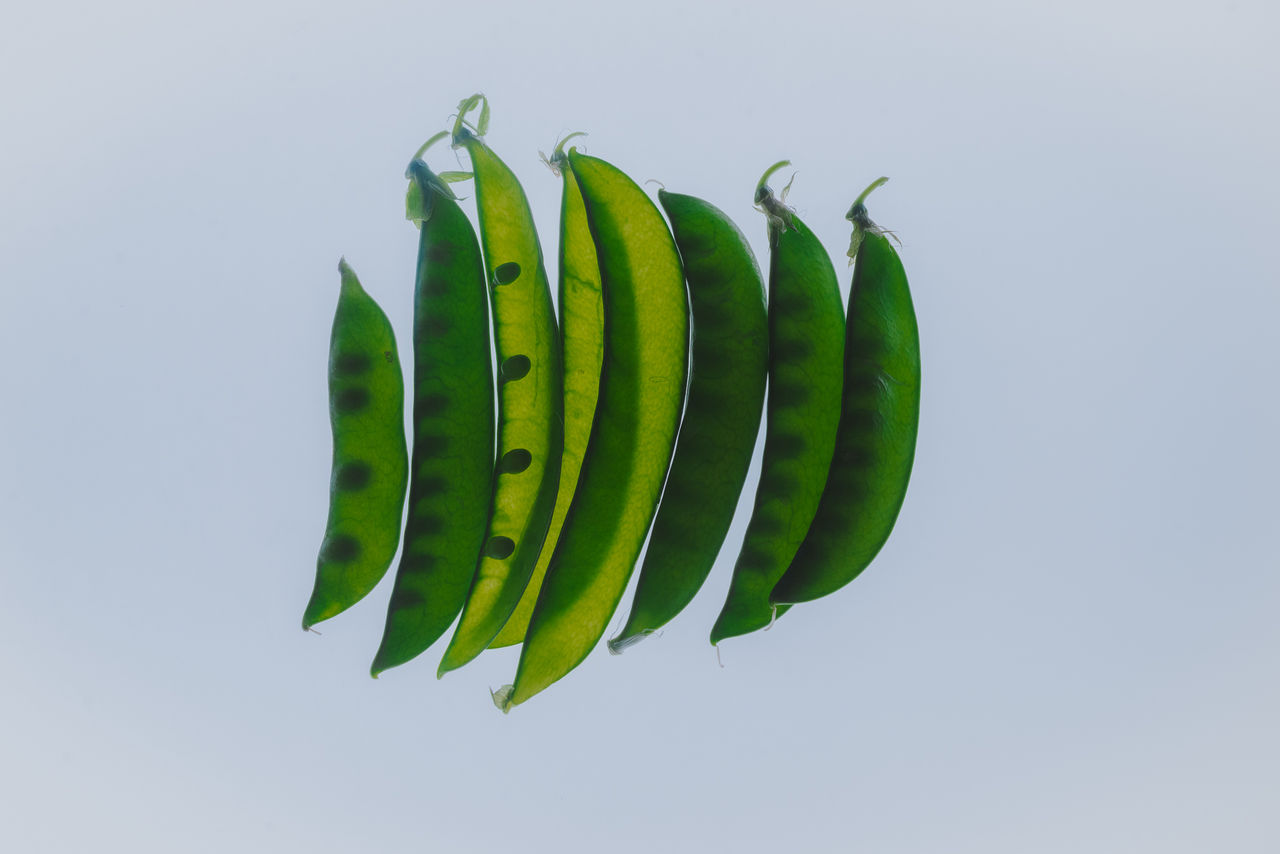
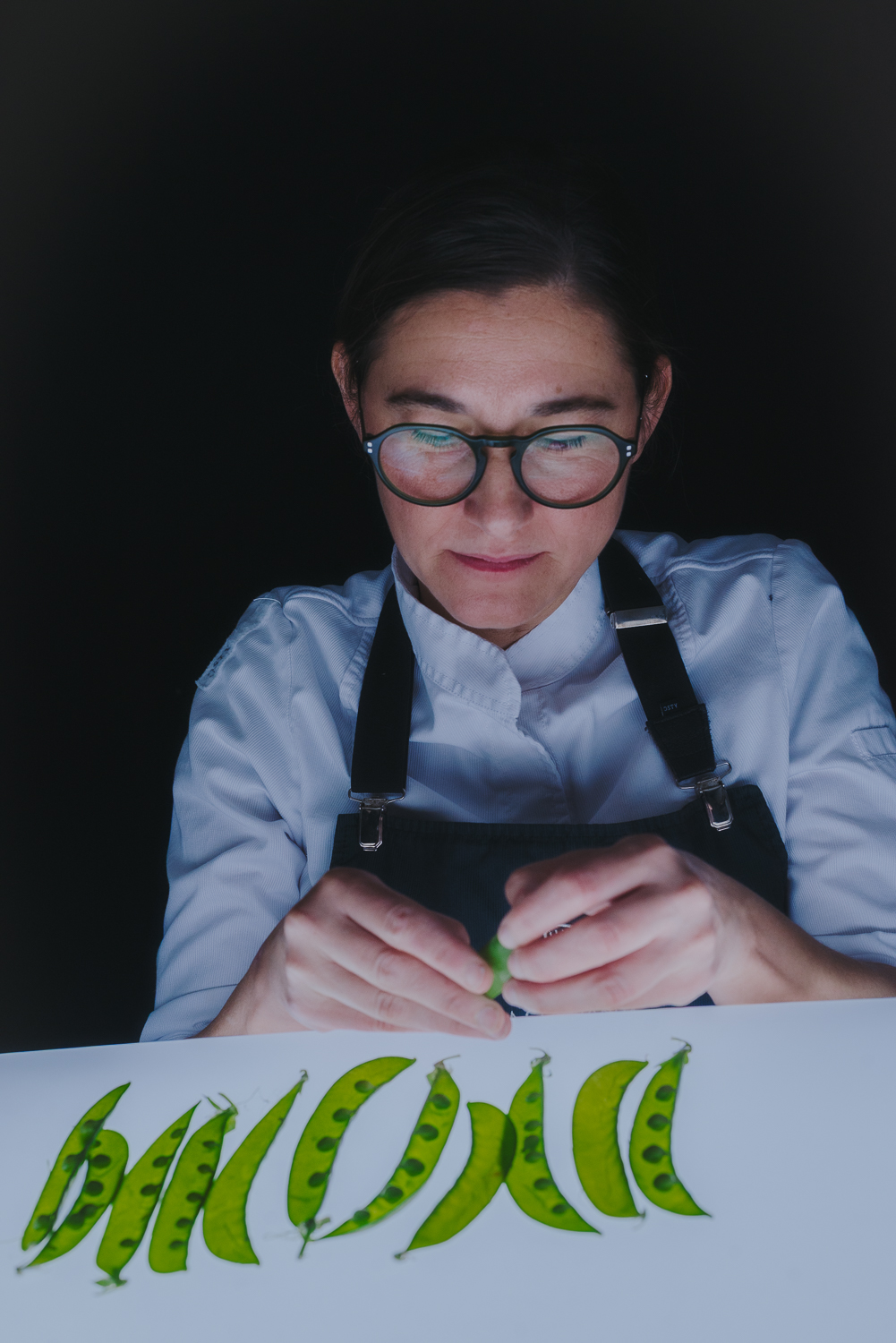
“The pea is part of Catalan culinary heritage. It is a jewel, an icon, a treasure. And yet we only have it for three months, from March to May. While the season lasts, it becomes the star of the table: everyone waits for its arrival.”

A delicacy fit for kings

This is the story of how a legume that once went almost unnoticed in much of Mediterranean cooking became a delicacy fit for kings and, over time, one of the most popular vegetables in the world and an essential part of Catalan cuisine, where it has developed its own varieties, character and personality.

For centuries, the pea was anything but a royal indulgence. It was humble, nourishing and hardy. It was dried and eaten as a purée, with a rather plain taste. Then, in the mid-17th century, the fresh pea became highly prized at the court of the Sun King. Its sweetness won over the European aristocracy, and it became a delicacy and a luxury.

The green pea, already the vegetable we know today, was extremely fragile: delicate in the field, short in season and easy to spoil in the kitchen. Catalan cuisine proved the right match for bringing out its best qualities.

“It is very demanding, both in the field and in the kitchen. But when you give it the care and precision it requires, the results can be extraordinary.”

Fragility in the field

For generations, farmers have worked with a crop in delicate balance. It does not tolerate extremes, intense cold or heat, very dry soil or excessive moisture. In short, it needs a carefully tended natural environment, one that can support its delicate nature.

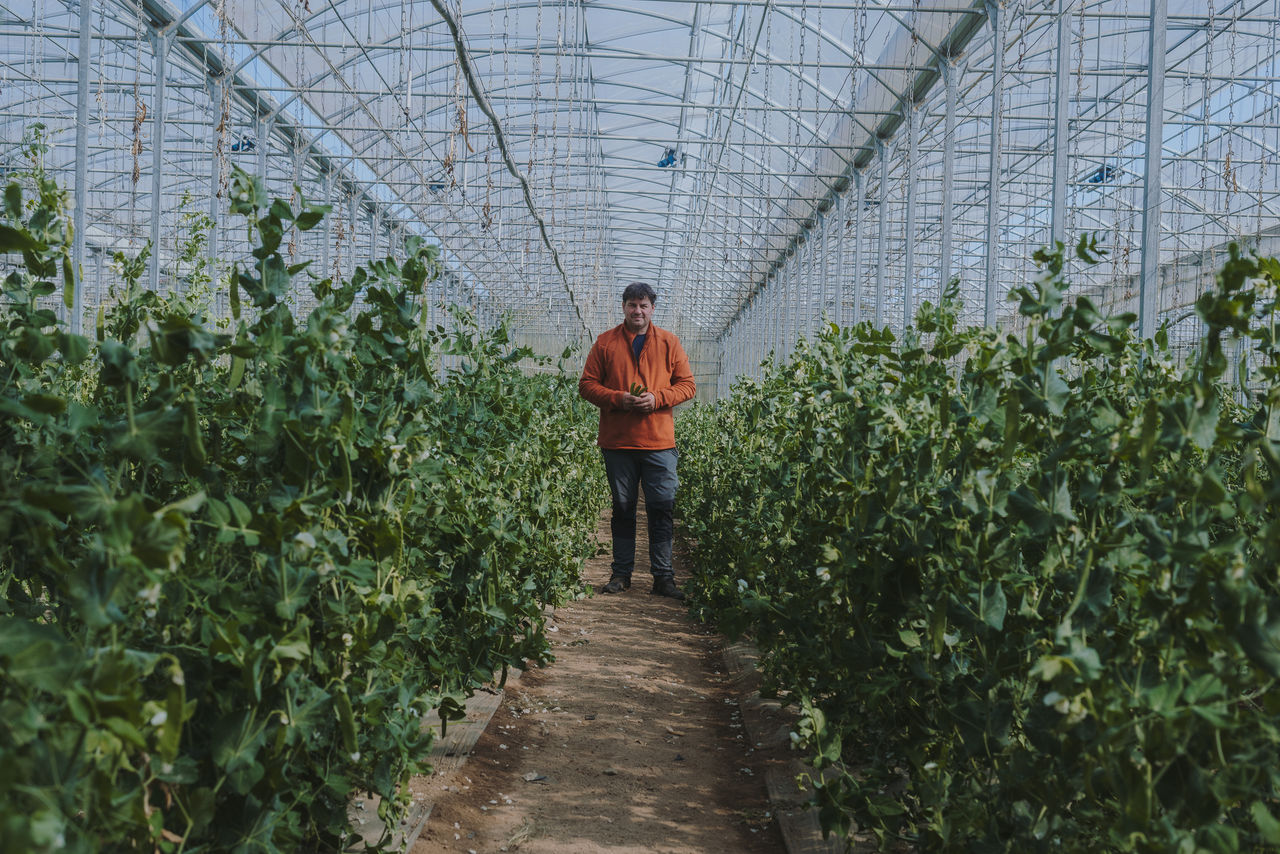
That is why the Maresme has long been an ideal place for growing peas. The sea softens winters, prevents frost and keeps summers relatively mild. The soils also strike a balance between moisture and drainage.

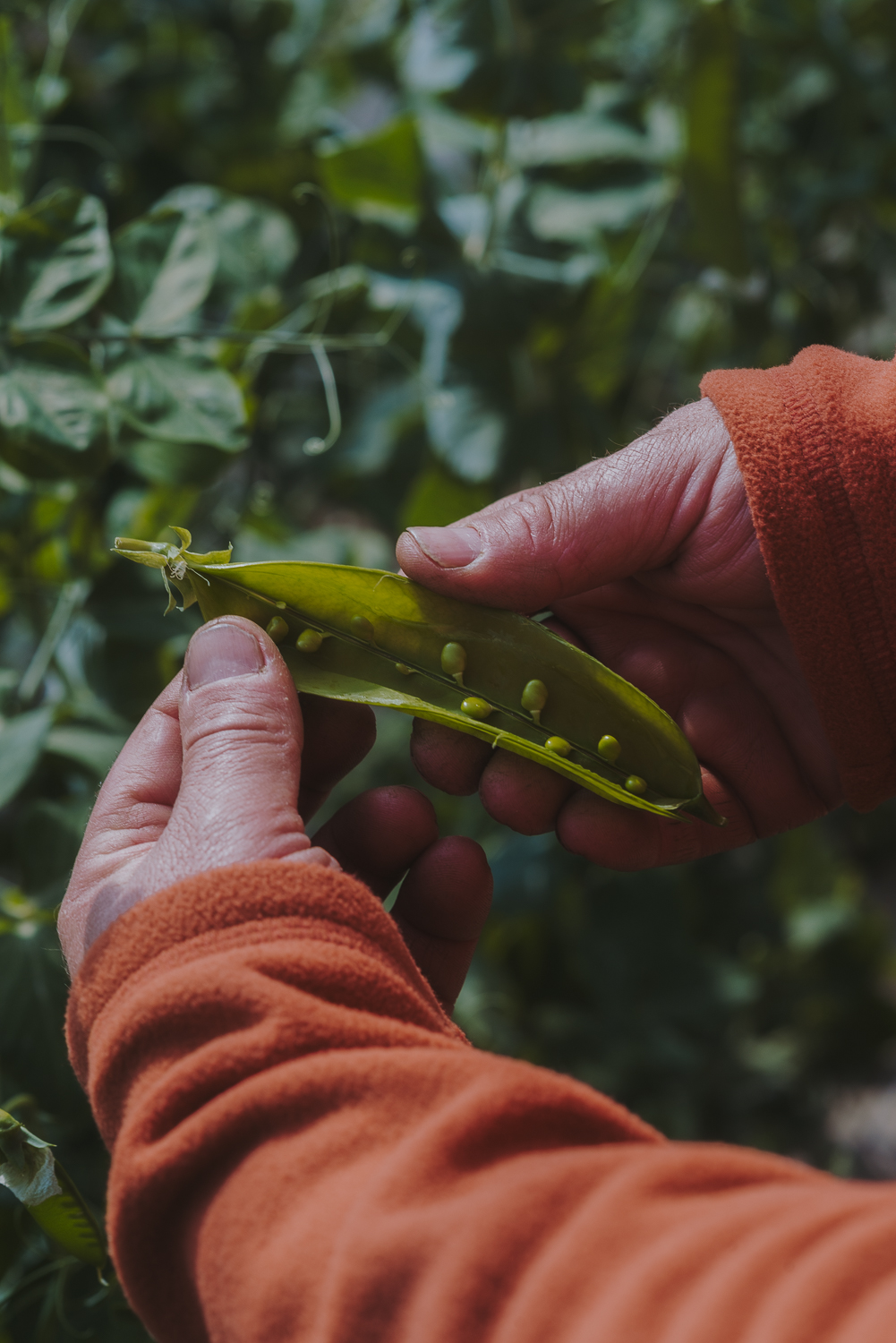
Even under the best conditions, the pea remains a vulnerable crop. Its season is short, and it must be harvested at the exact moment of tenderness and sweetness. Any delay in the field, transport or market can strip away much of what makes it so highly valued. What makes it exceptional begins in the field, long before it reaches the kitchen, in the precision and care behind every decision the farmer makes.

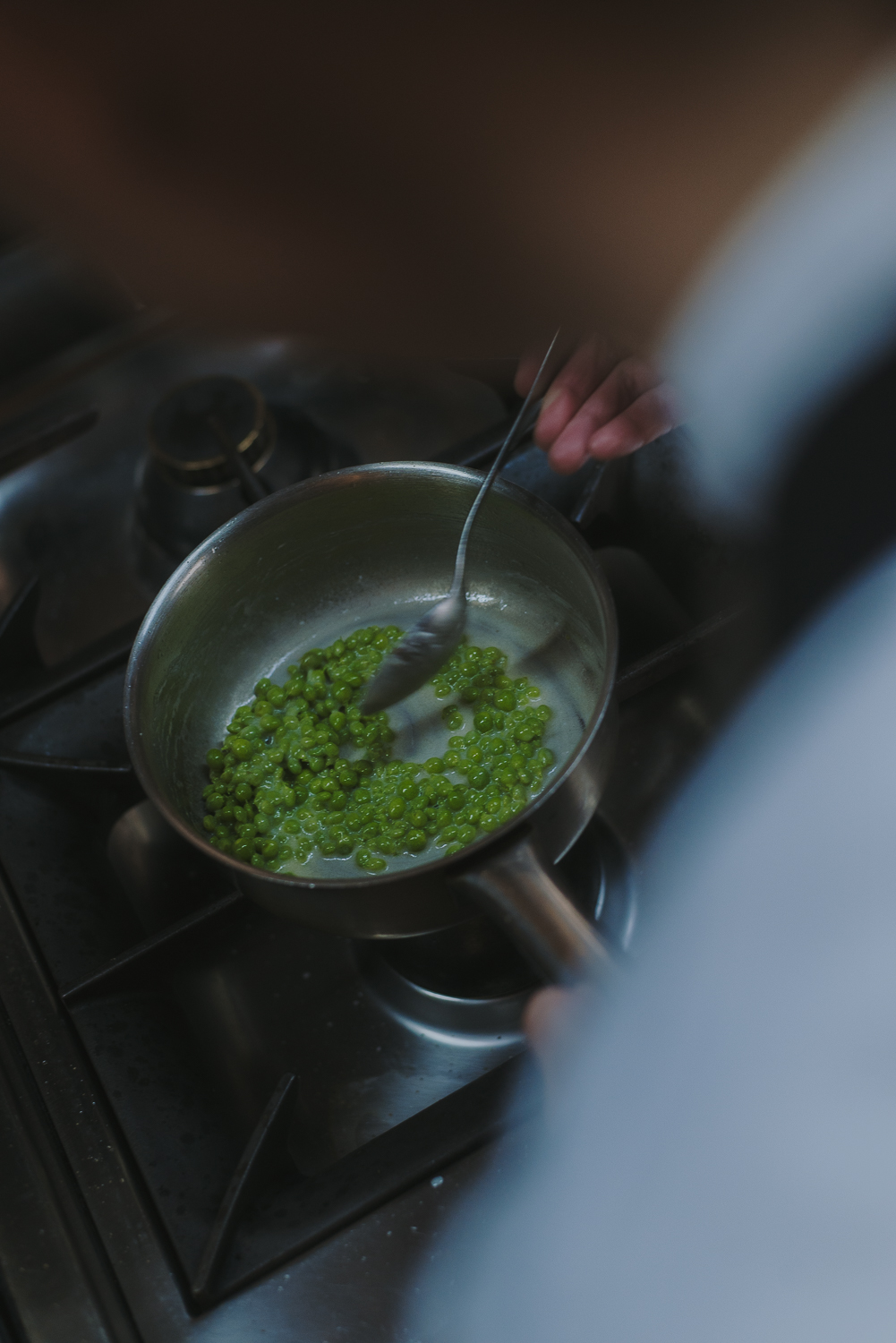
“You can’t take your eyes off it. You have to stay focused and know when to say: ‘That’s it. Pull it. Plate it up.’ You have to know when it’s at its peak, when the cooking is exactly right – perfect. Because if you go too far…”

Demanding in the kitchen

This shift in perspective, from a humble dried product to a fresh and refined one, also changed the way peas were perceived and cooked.

They went from being a subsistence food in the humblest kitchens to an ingredient that leaves no room for mistakes: no long cooking that dulls it, no seasoning that overpowers its sweetness, no handling that damages its delicate texture. It needs precise timing, controlled heat and a kitchen that works with it rather than against it, bringing out its qualities without changing its nature.

That’s why it found such a natural home in Catalan cuisine: a cuisine used to listening to the ingredient, working with delicate sofritos, slow cooking and combinations that bring depth without ever taking away the spotlight. Catalan-style peas are all about knowing when to step in just a little – but in exactly the right way, at exactly the right moment.

Saucepan with green peas cooking on the stove while a person stirs them with a spoon in a professional kitchen.
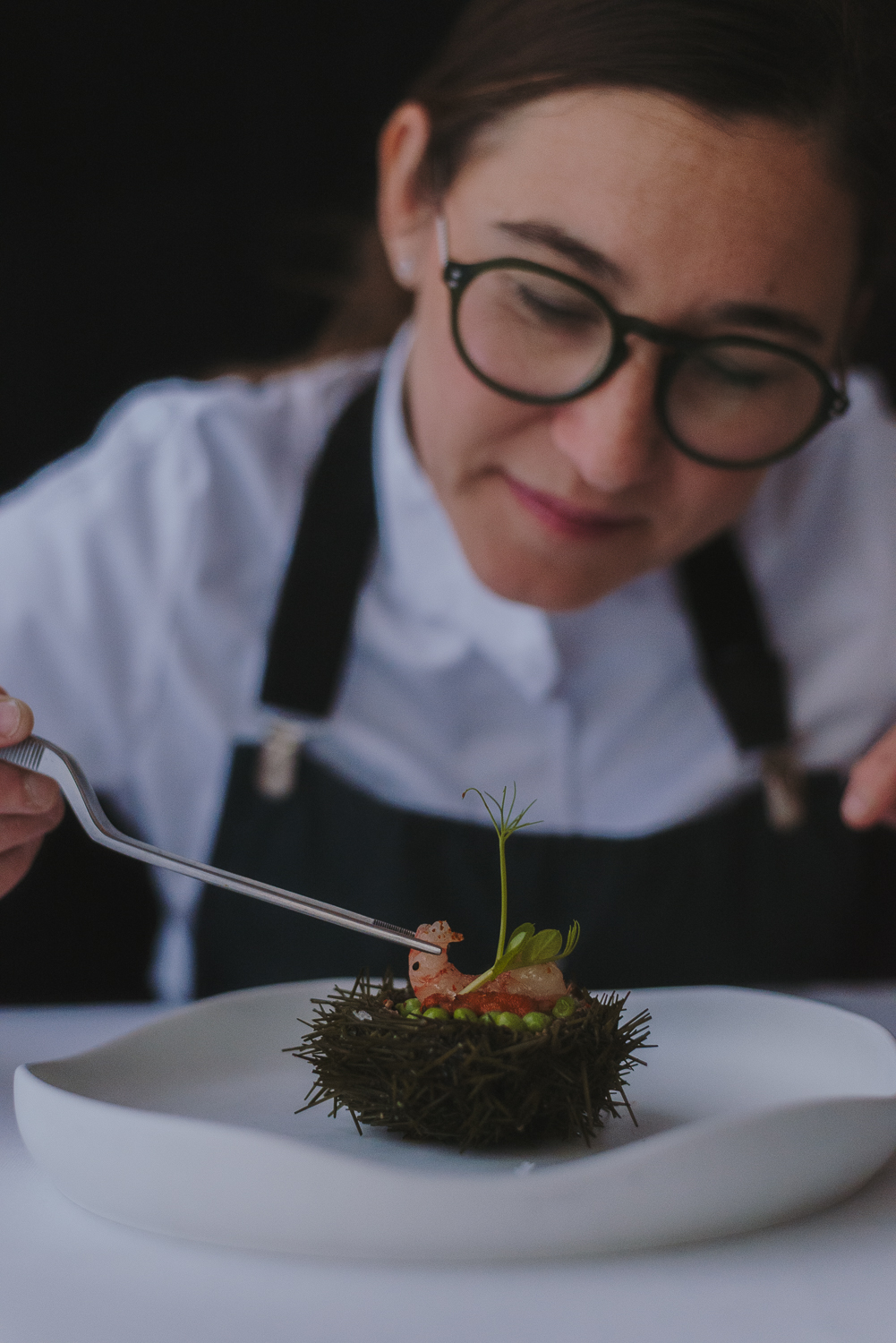
Chef wearing glasses decorating a gourmet dish with peas and green sprouts on a dark base, in a carefully arranged presentation.