
CaixaForum
CaixaForum, the Cultural Centre of “La Caixa” Foundation, is housed in one of Barcelona’s landmark buildings, the Casaramona textile mill, a jewel of industrial modernista architecture designed by Josep Puig i Cadafalch.
The sea that’s always with us
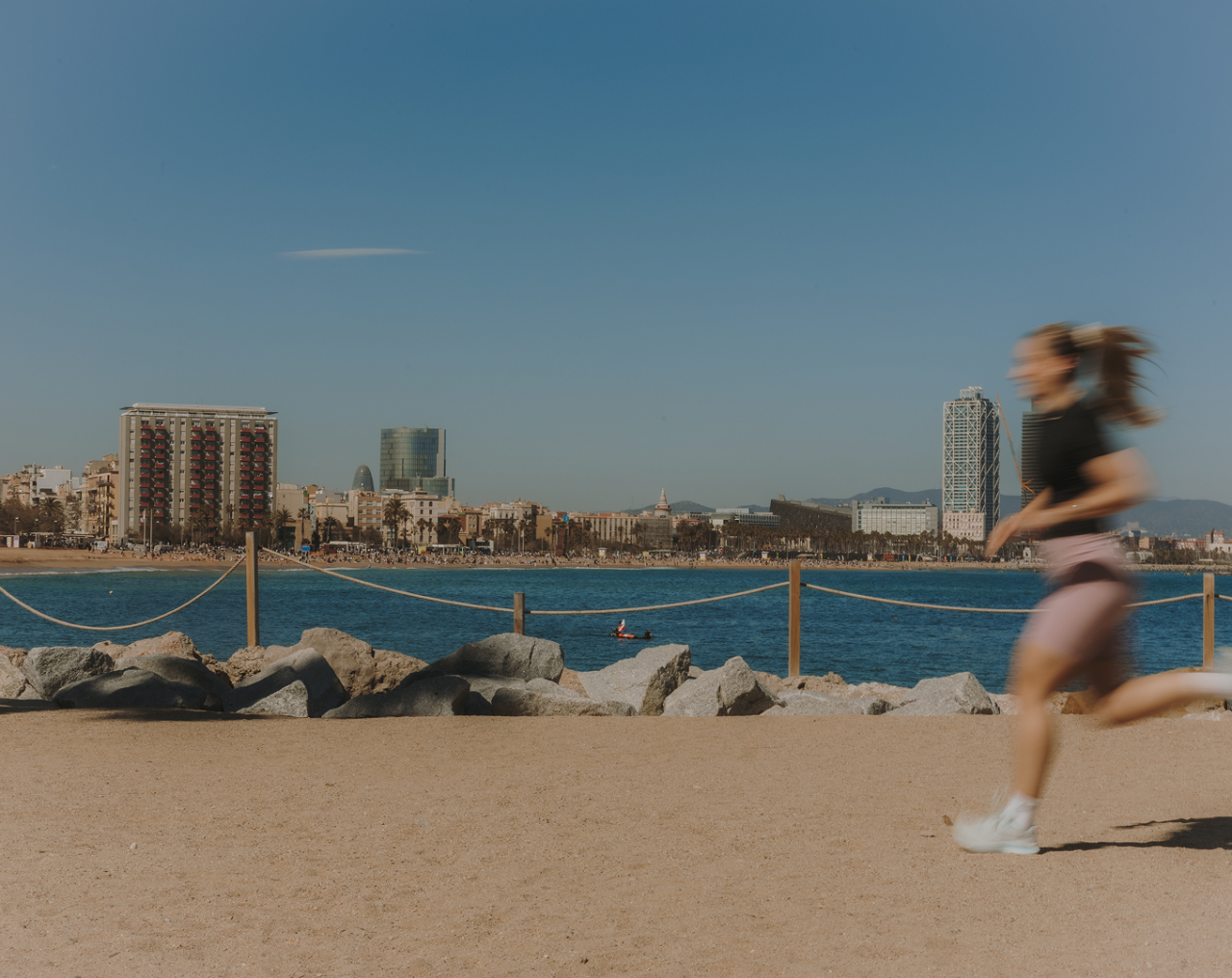
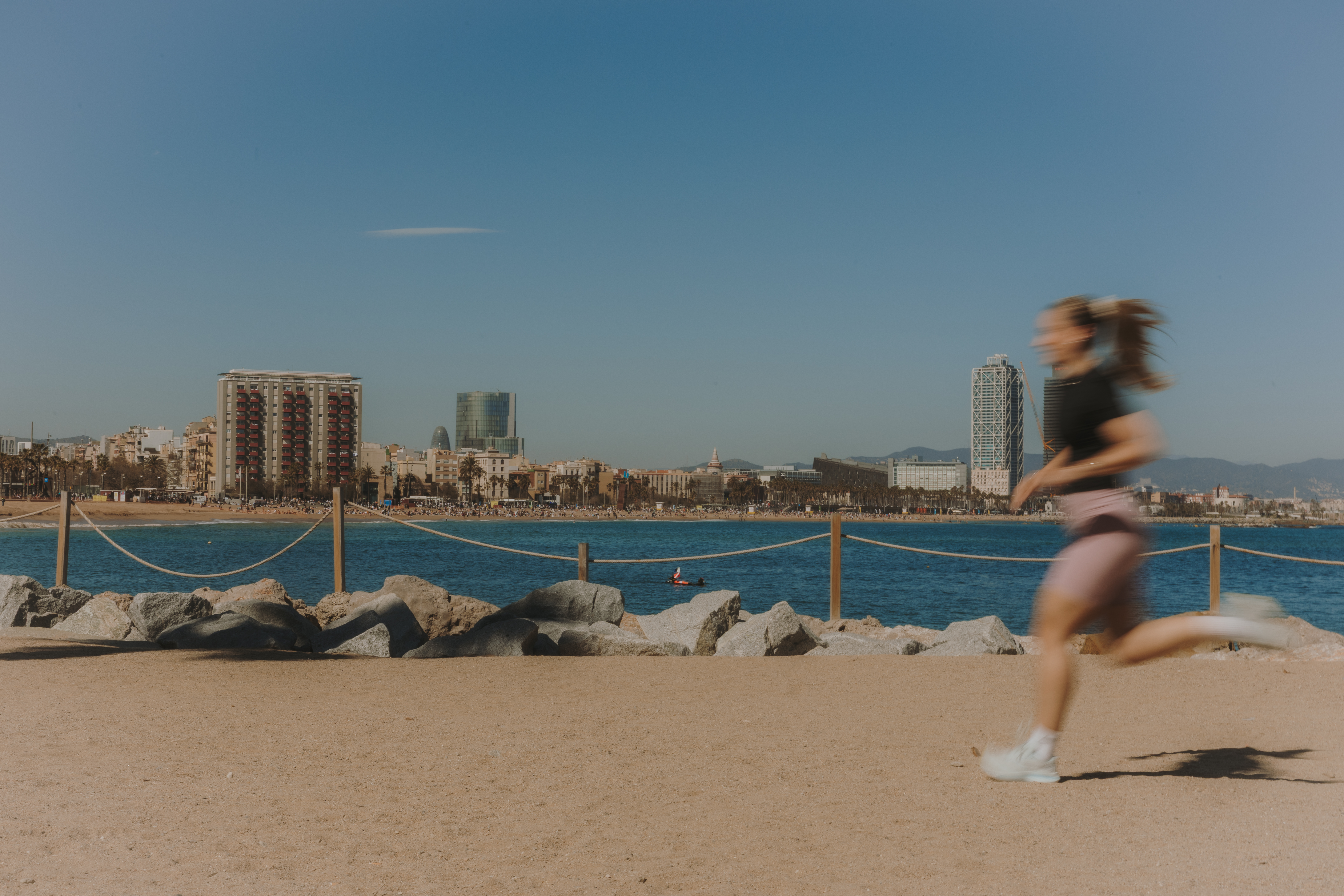
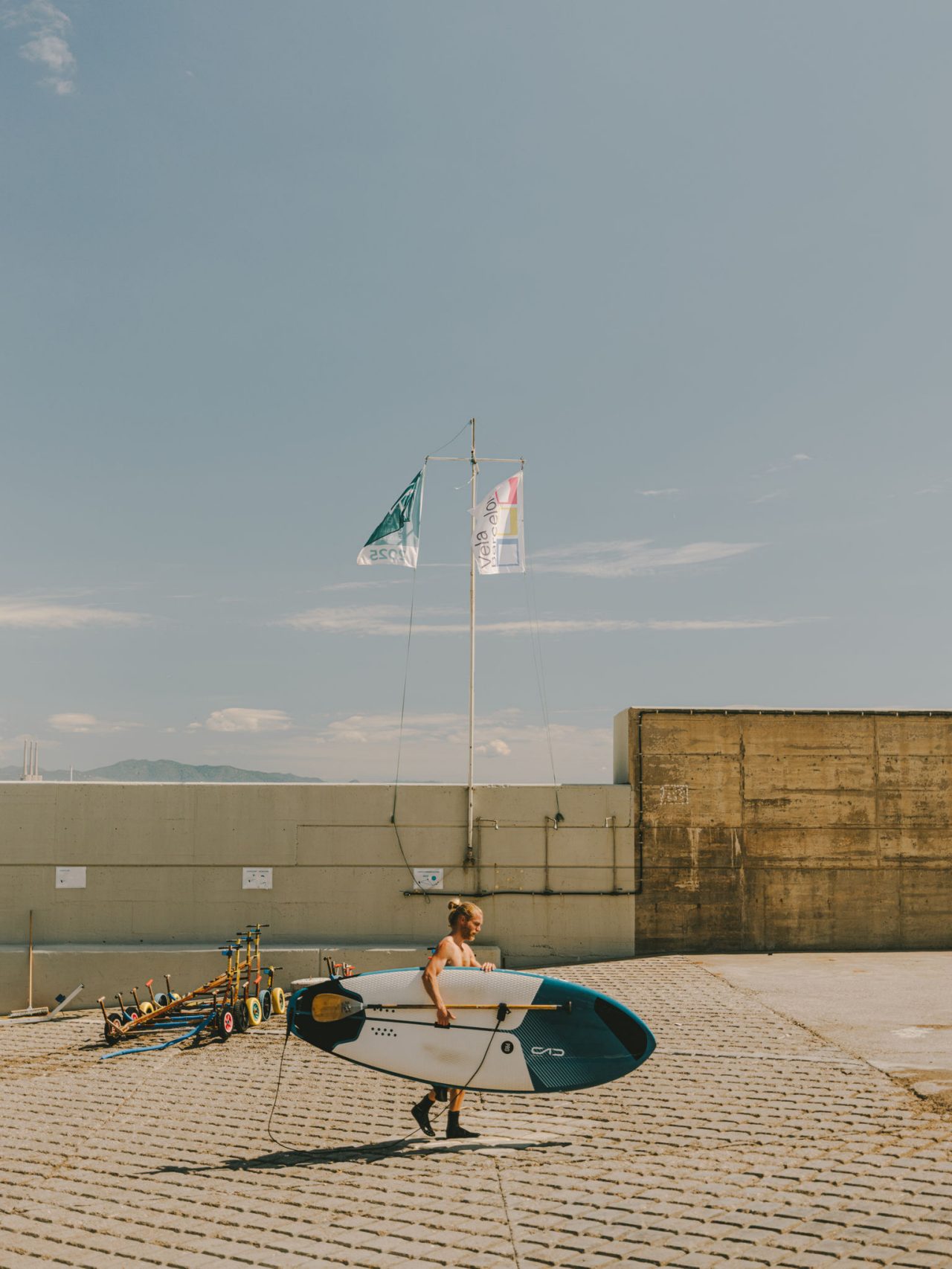
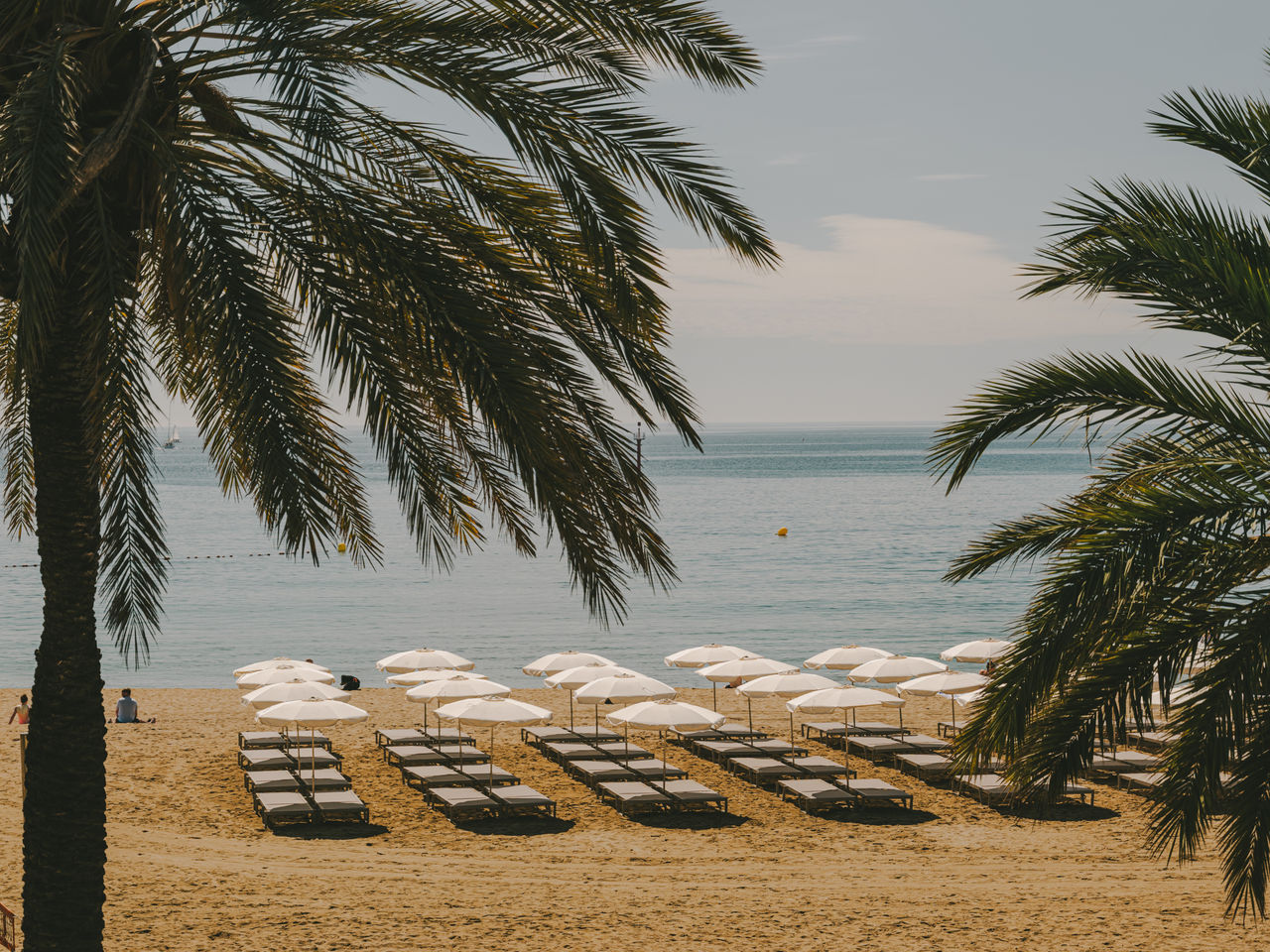
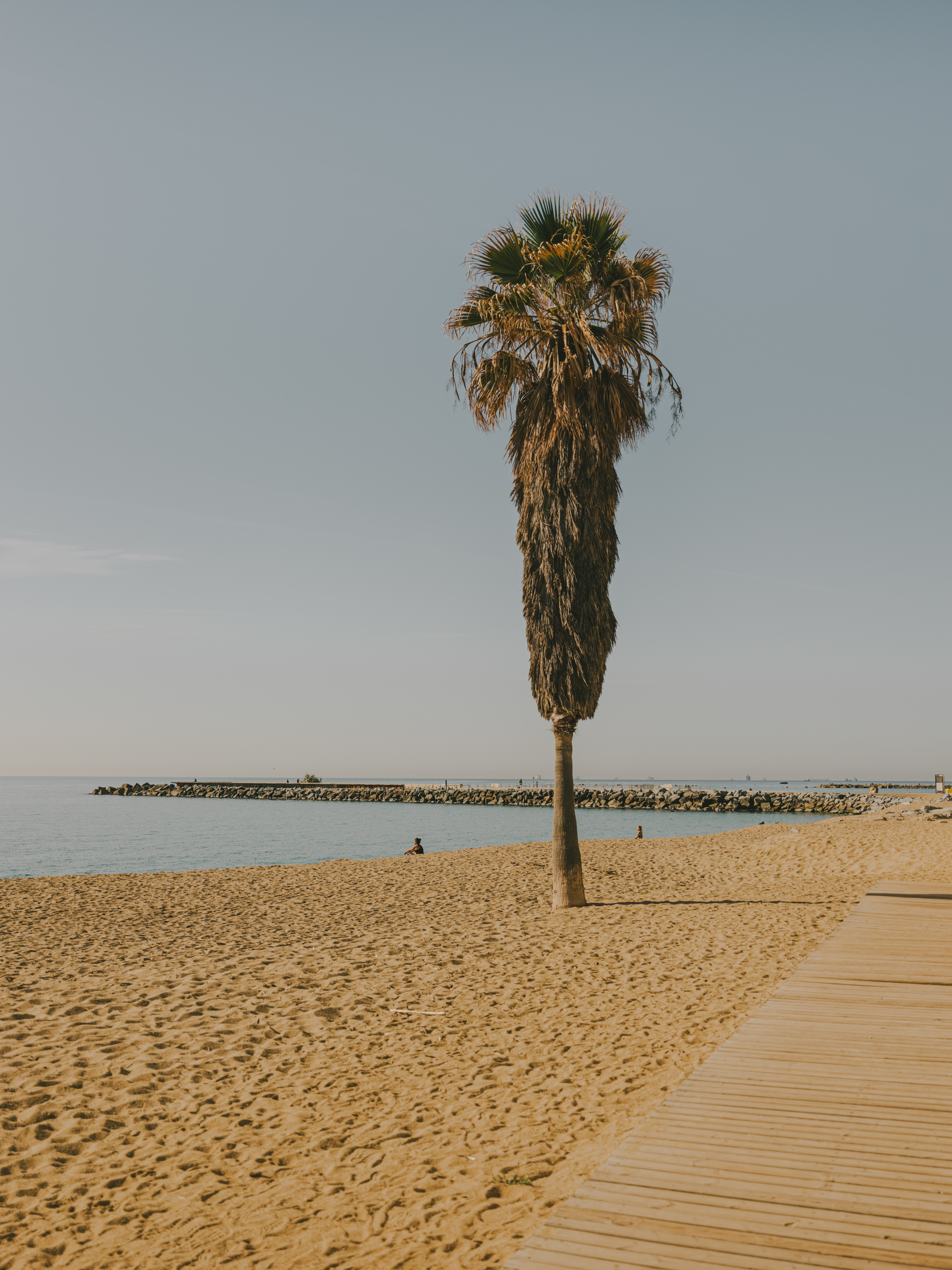
Today, as always, the sea sets Barcelona’ rhythm and connects it to the wider world. Beyond the familiar images it often calls to mind, it forms part of everyday life: a place to meet, to pause and to spend time, as well as to work, with the port still very much active. From Platja de Sant Sebastià to the Fòrum, the coastline is lined with beaches, each with its own character and regular visitors. Beyond the city, the landscape becomes more varied, offering different ways of experiencing the Mediterranean. Whatever you are looking for, you are likely to find it here.
It takes its name from the former Sant Sebastià baths, Barcelona’s first bathing facilities, where some of the city’s earliest swimmers went into the water. Even today, it remains one of the most popular beaches for residents of Ciutat Vella. It is also one of the longest stretches of sand, with a wide range of activities by the sea. Here, history and everyday use come together in a setting where the sea meets the city naturally. It is well connected and only a short walk from the centre.
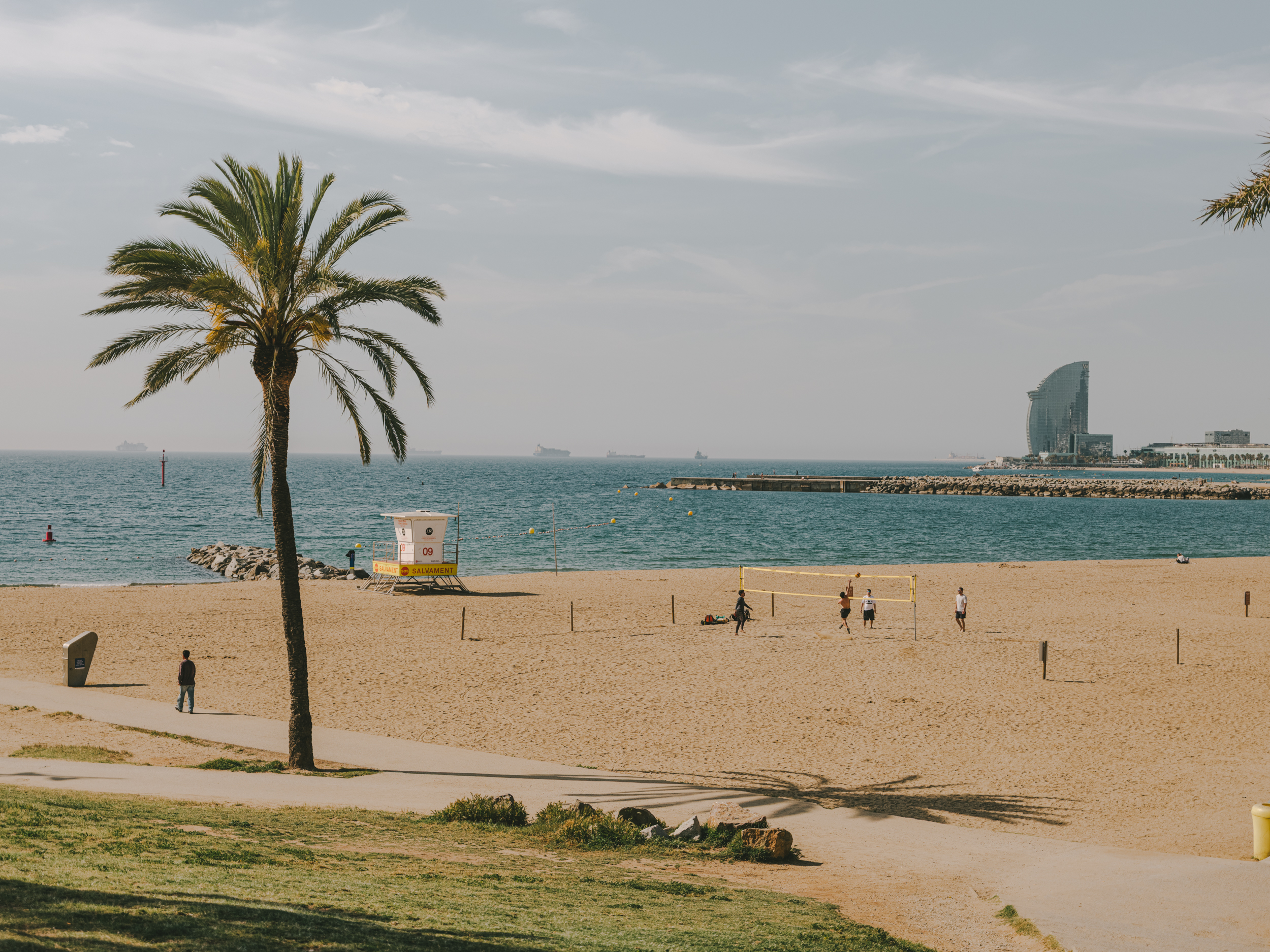
Quieter than nearby Sant Sebastià, it works well for a game of beach volleyball or simply stretching out in the sun. It also sits alongside long-standing local bars and restaurants with a strong connection to the fishing community. It is worth stopping by for a meal and seeing a side of the neighbourhood that has been part of daily life here for generations.
Looking for atmosphere? This is where you’ll find it. It is the busiest stretch of Barcelona’s coastline, with activity from early morning into the evening. At its edge stands the Gas Breakwater, a former industrial structure now restored, offering wide open views across the beaches.
For much of the 20th century, this area was home to the Somorrostro shanty settlement, where around 15,000 people lived in very difficult conditions. Through perseverance and collective effort, the community played its part in bringing about change. Over time, what was once overlooked has become part of the city’s coastline, reflecting a process of renewal shaped by its past.
Moving on from Ciutat Vella into the Sant Martí coastline, Platja de la Nova Icària is a good example of a beach shaped for the public. It brings together a wide range of facilities, activities and green spaces, and is often where people choose to linger a little longer, helped by its calm, family-friendly atmosphere. Its name comes from the former working-class neighbourhood that once stood here, and today the beach still carries something of that history in its character.
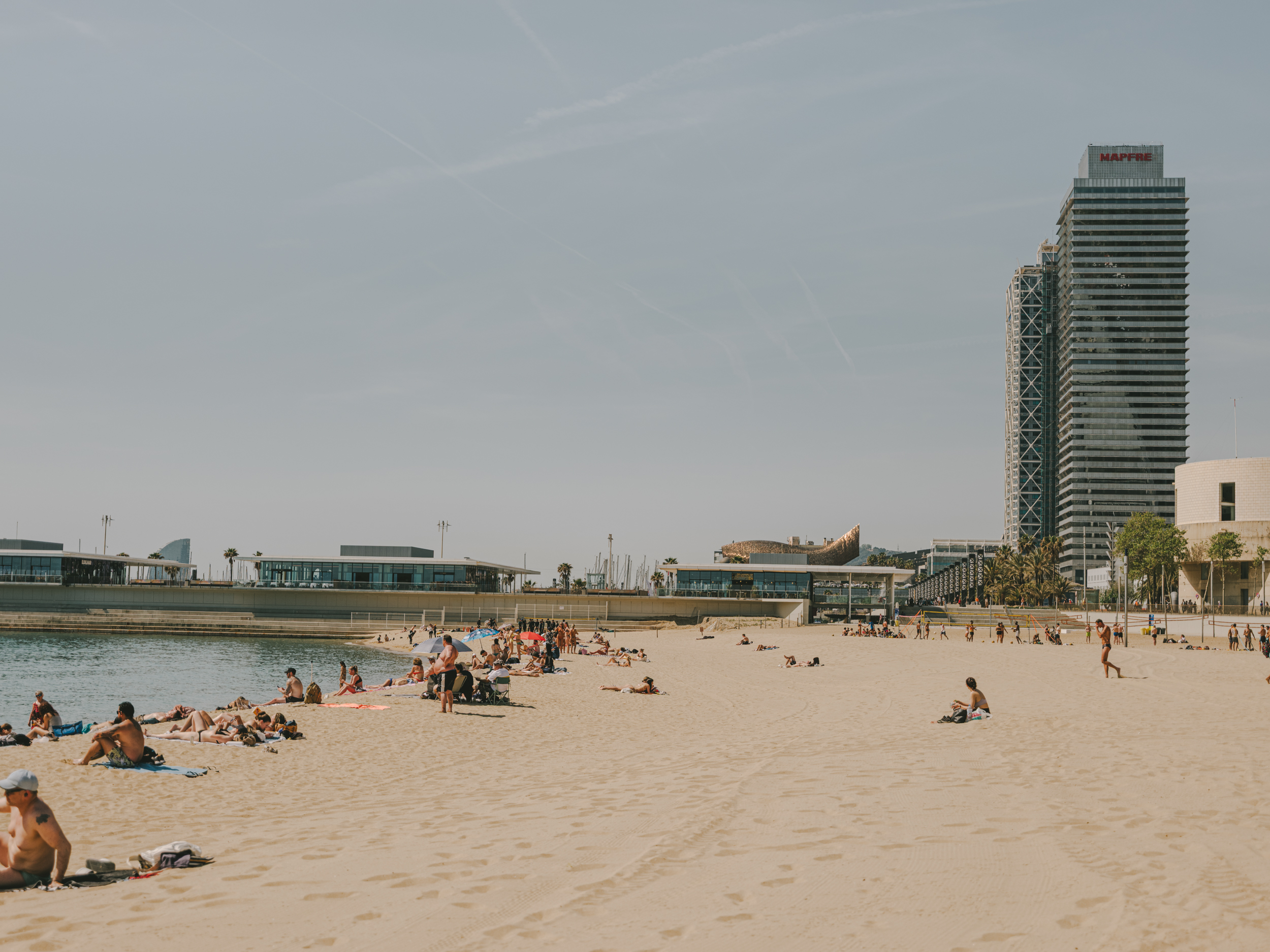
A flagship example of the city’s Olympic transformation and a key part of the renewal of Barcelona’s waterfront after the 1992 Games. Today it is a modern beach, designed to be accessible to everyone, with adapted showers and a bathing support point for people with disabilities or reduced mobility.
Another of the beaches reshaped during the Olympic period, it also includes a designated naturist area, adding to its diverse and inclusive atmosphere. It is a place where different ways of using the space sit comfortably alongside one another, with lively activity and quieter moments side by side.
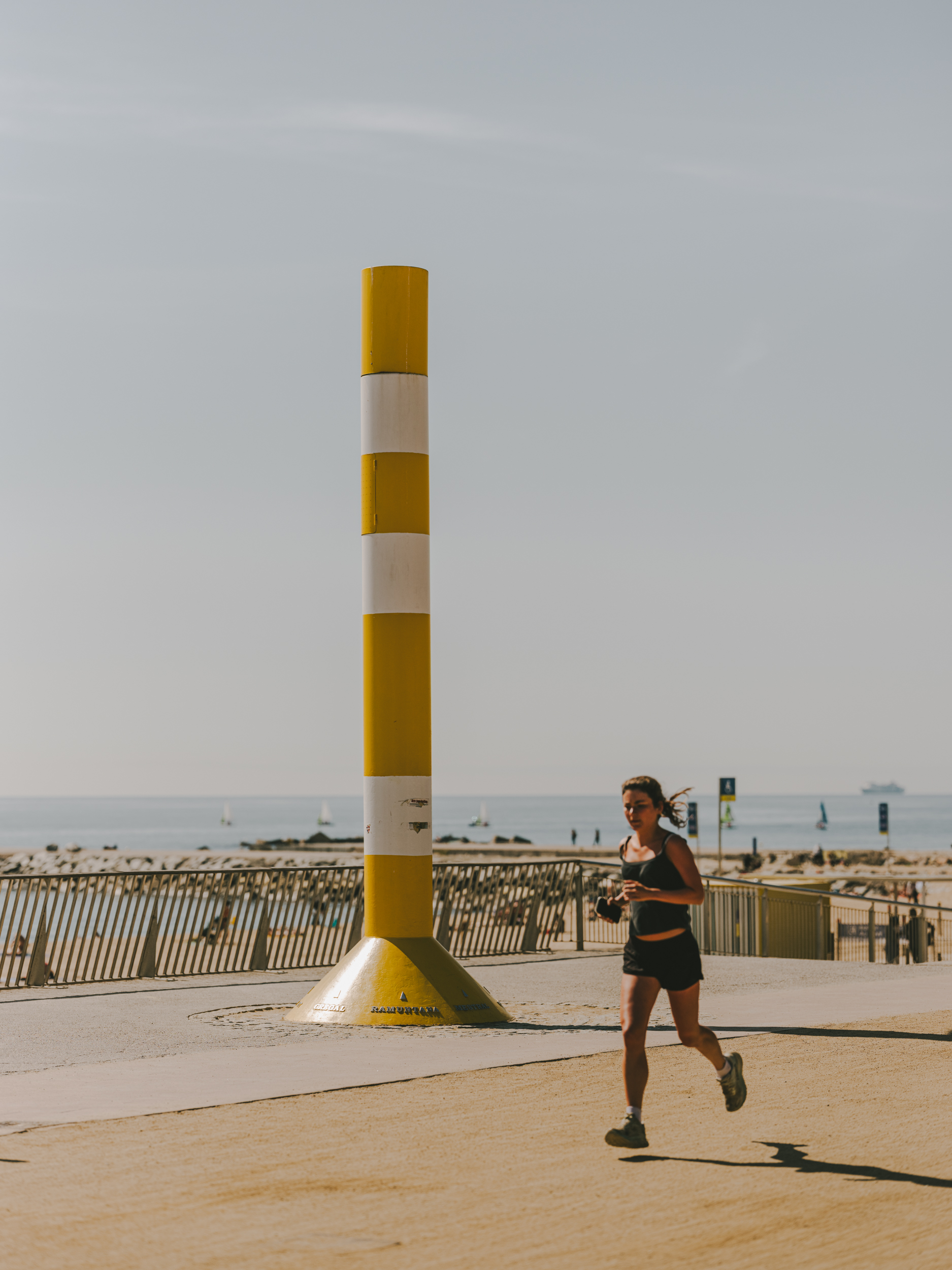
As with any beach, there is space to relax on the sand, but this one is particularly suited to those who come for movement and sport. It has been designed with physical activity in mind, with a wide range of facilities, including beach volleyball courts that host regular matches, a football pitch and other options. How you use it is entirely up to you.
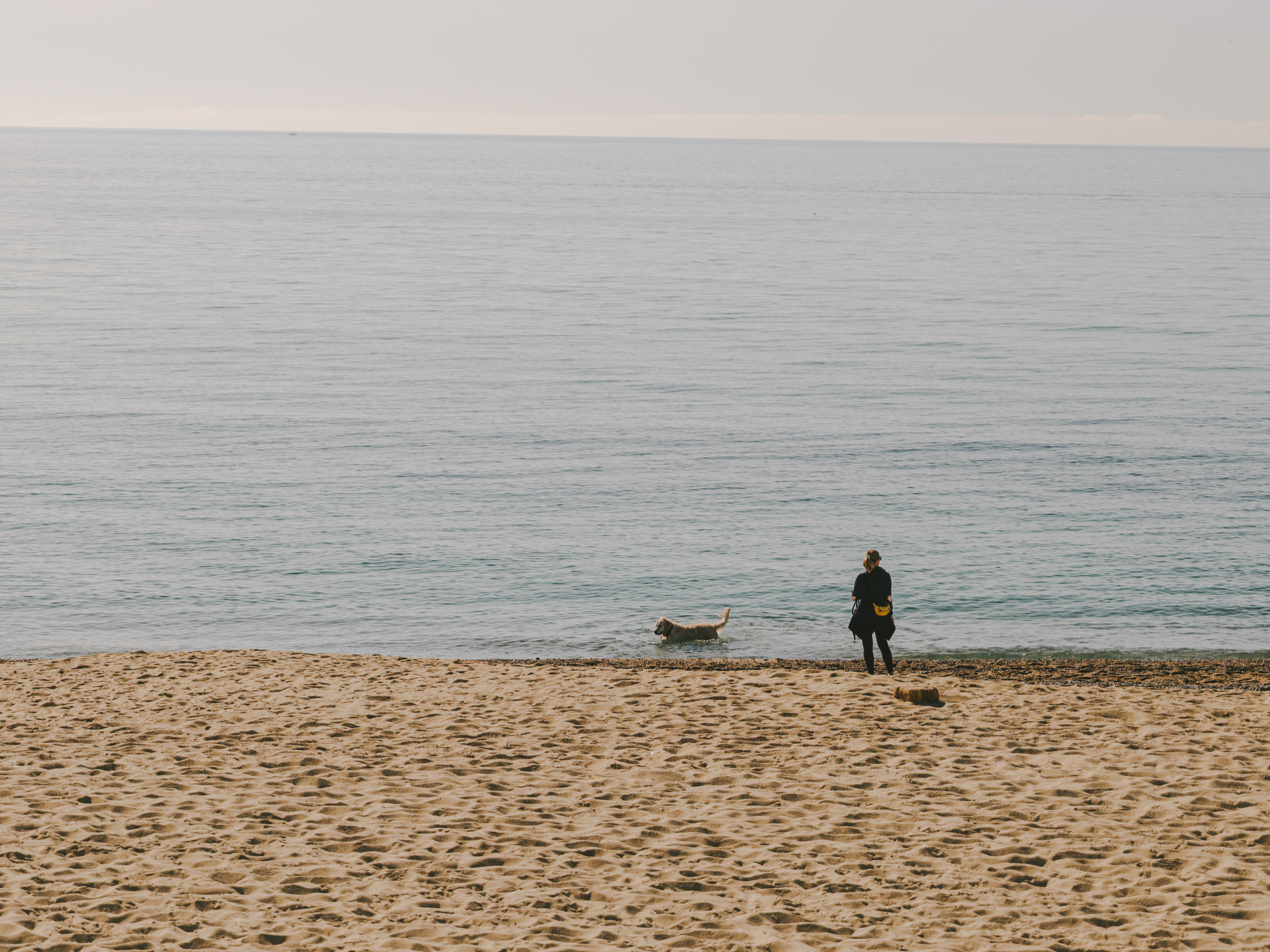
At the eastern end of the coastline, this beach was created as part of the redevelopment of the Fòrum area. Its outline, shaped by the high buildings of Diagonal Mar, makes it easy to recognise within the city’s more recent urban landscape. It was the first beach in Barcelona where dogs were allowed to swim, and today a section is reserved for them, set apart from the rest of the beach.
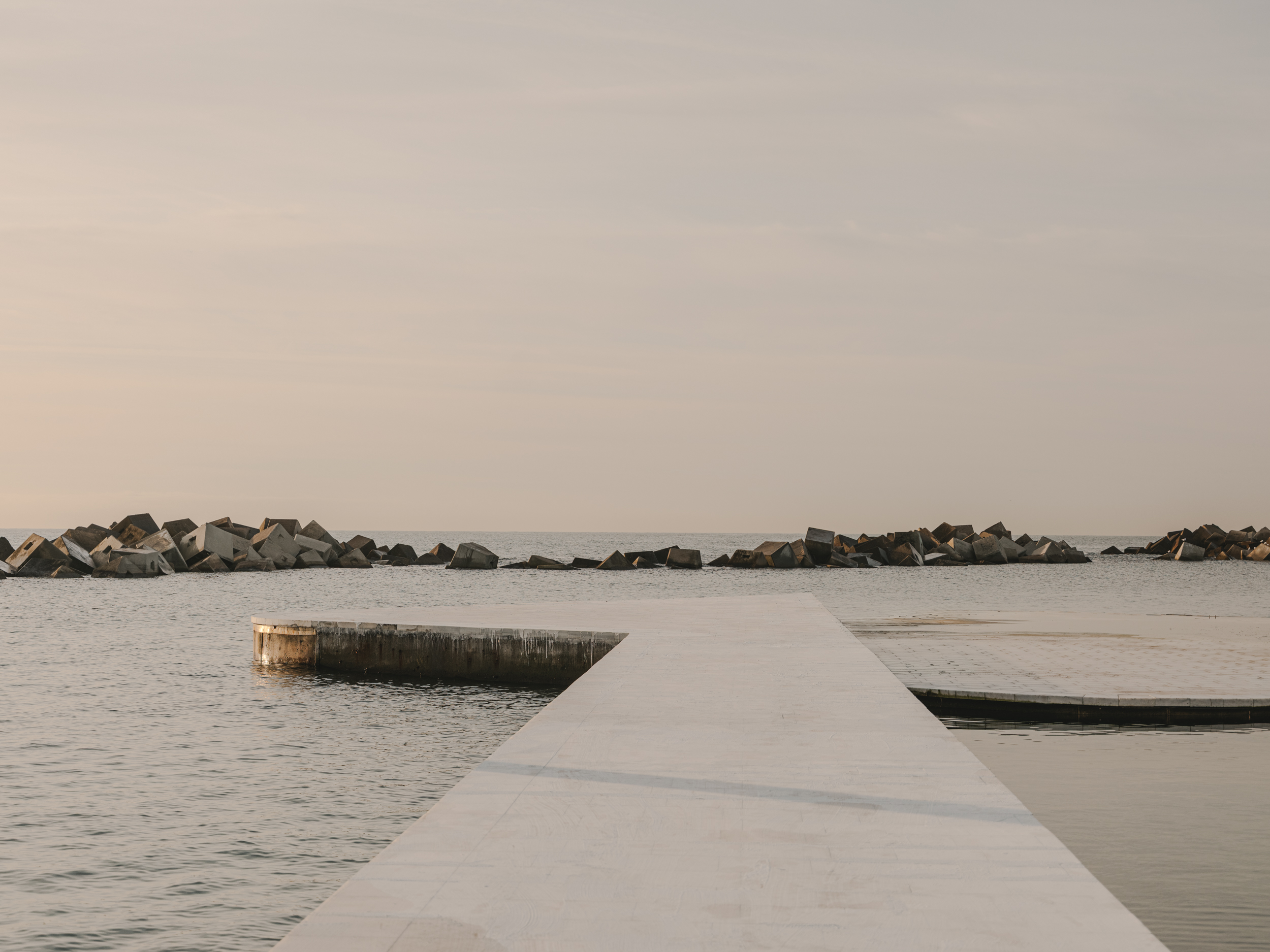
Swimming surrounded by contemporary architecture is not something you come across every day. Here, in a saltwater bathing area set against the backdrop of the Fòrum’s large photovoltaic structure, the experience is quieter and more contained than on the beaches. Even without sand, it offers a distinct and more sheltered way to spend time by the sea.