Fàbrica Myrurgia
An industrial building with clean functional lines and Art Deco styling, a distinctive landmark in Eixample Dreta.

Torre d’Aigües de Catalana de Gas
A modernista water tower that increased the hydraulic pressure of the former gas factory.

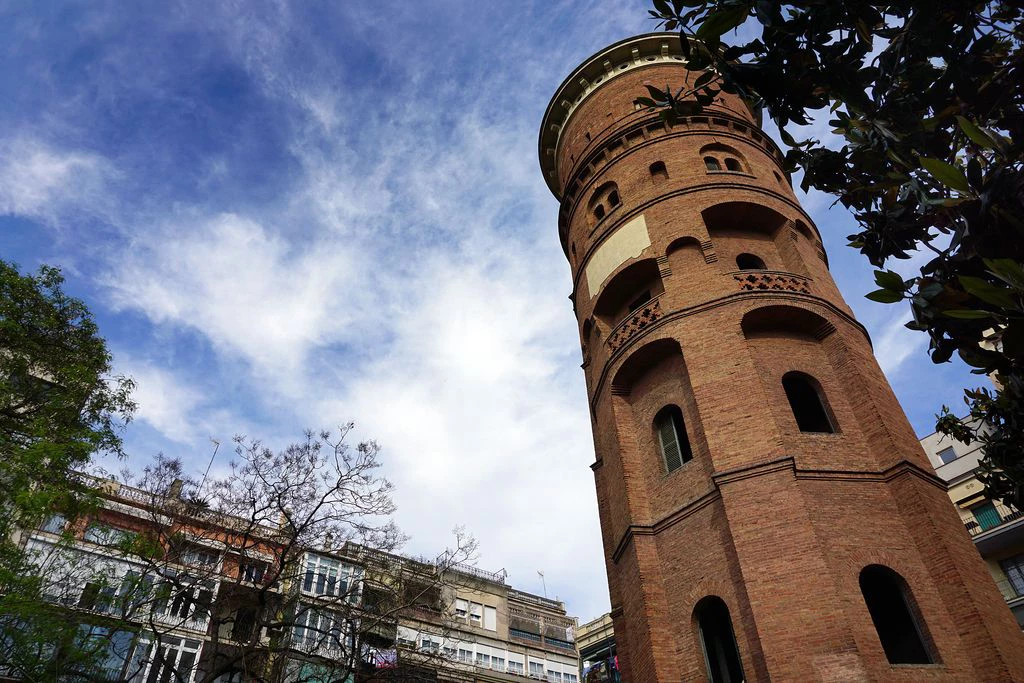
The Eixample’s First Water Tower
Cylindrical exposed-brick water tower, a key testament to the origins of Cerdà’s Eixample.
Cristalerías Planell
A former glass factory transformed into a civic centre that preserves its modernista façade while incorporating a modern, sustainable structure.

Ca l’Aranyó
An old cotton mill, restored as a university space and a landmark of the city’s industrial past.
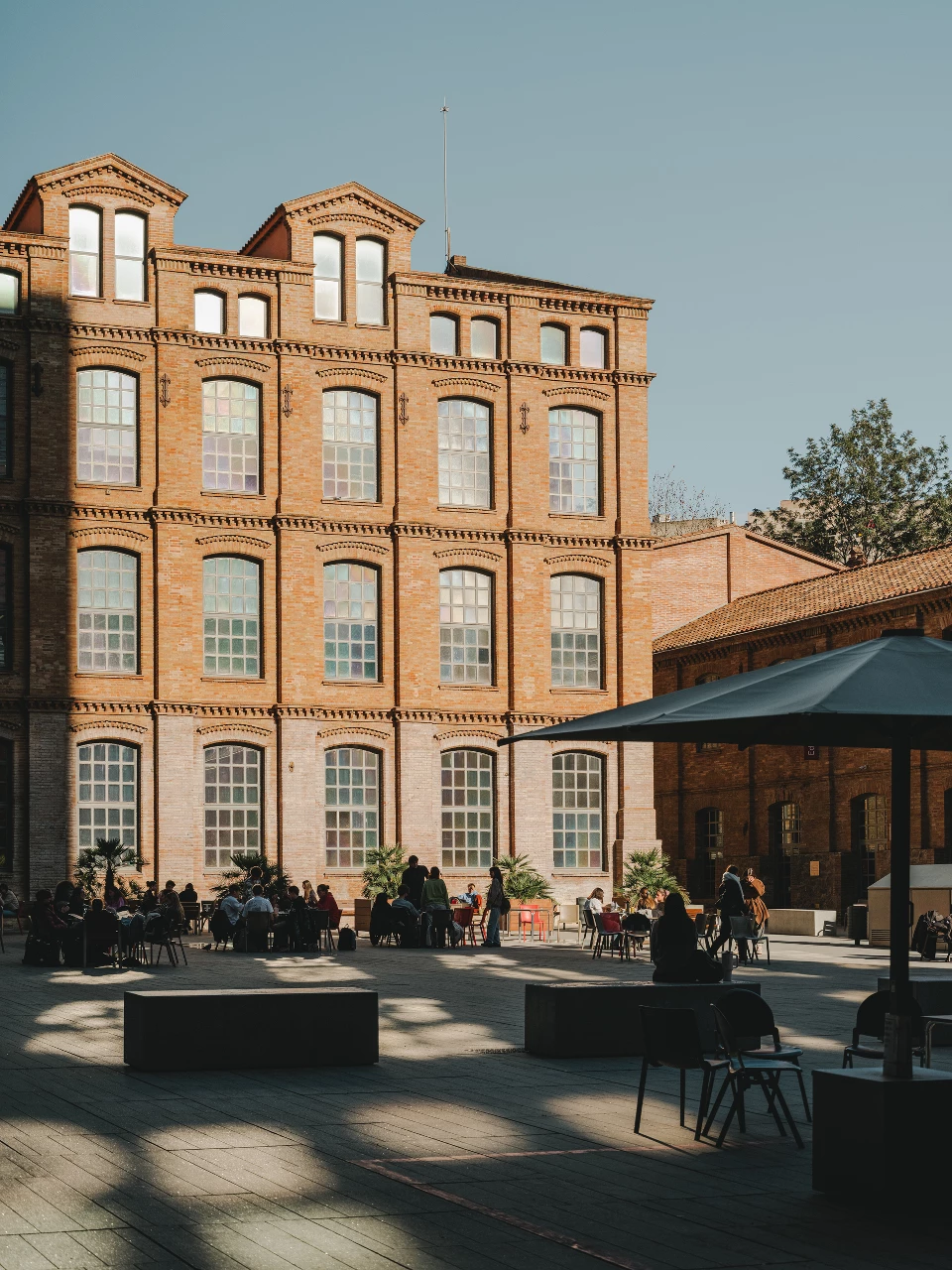
Escola Industrial de Barcelona
A former late 19th-century textile factory, now an urban campus where education, public services and industrial heritage sit side by side.

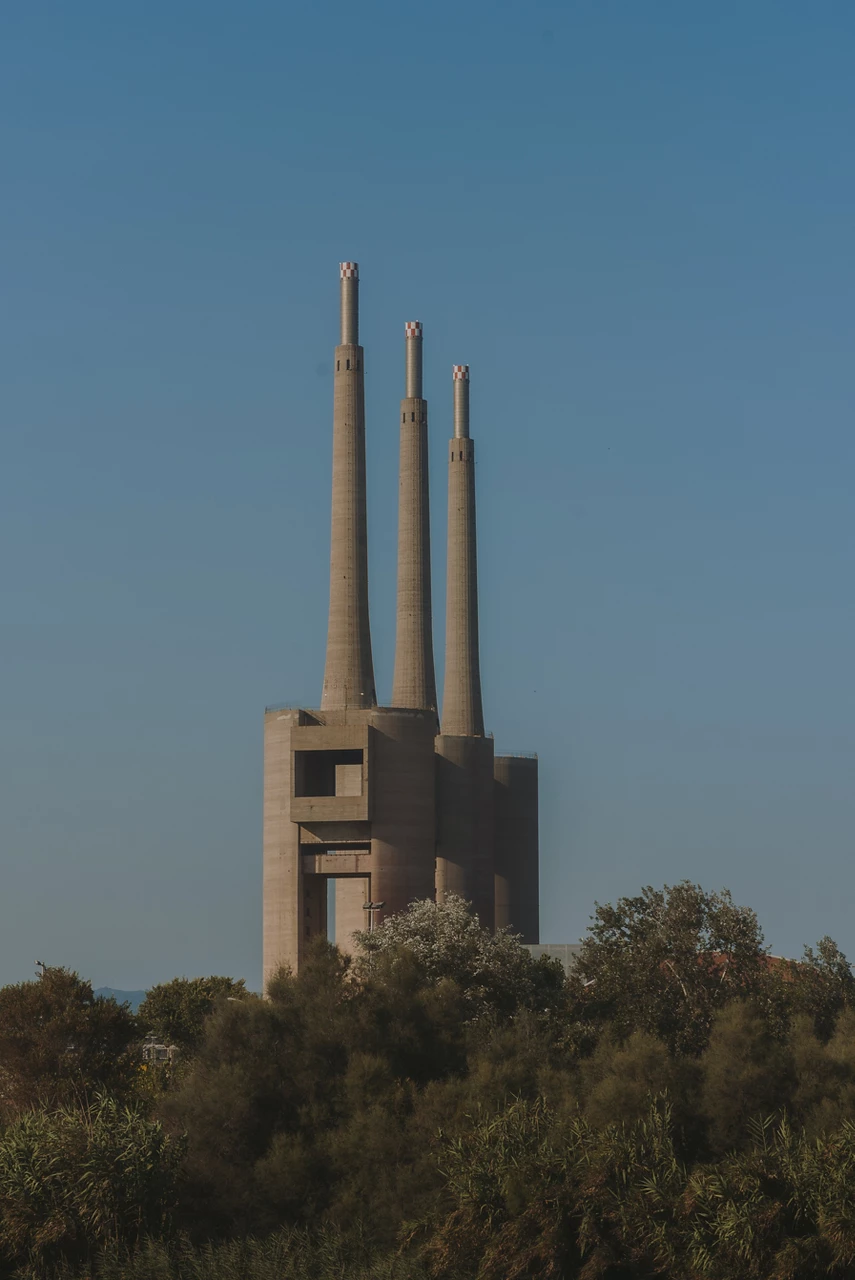
Tres Xemeneies de Sant Adrià
Three monumental concrete chimneys dominate the Besòs shoreline, remnants of a historic Catalan power station.
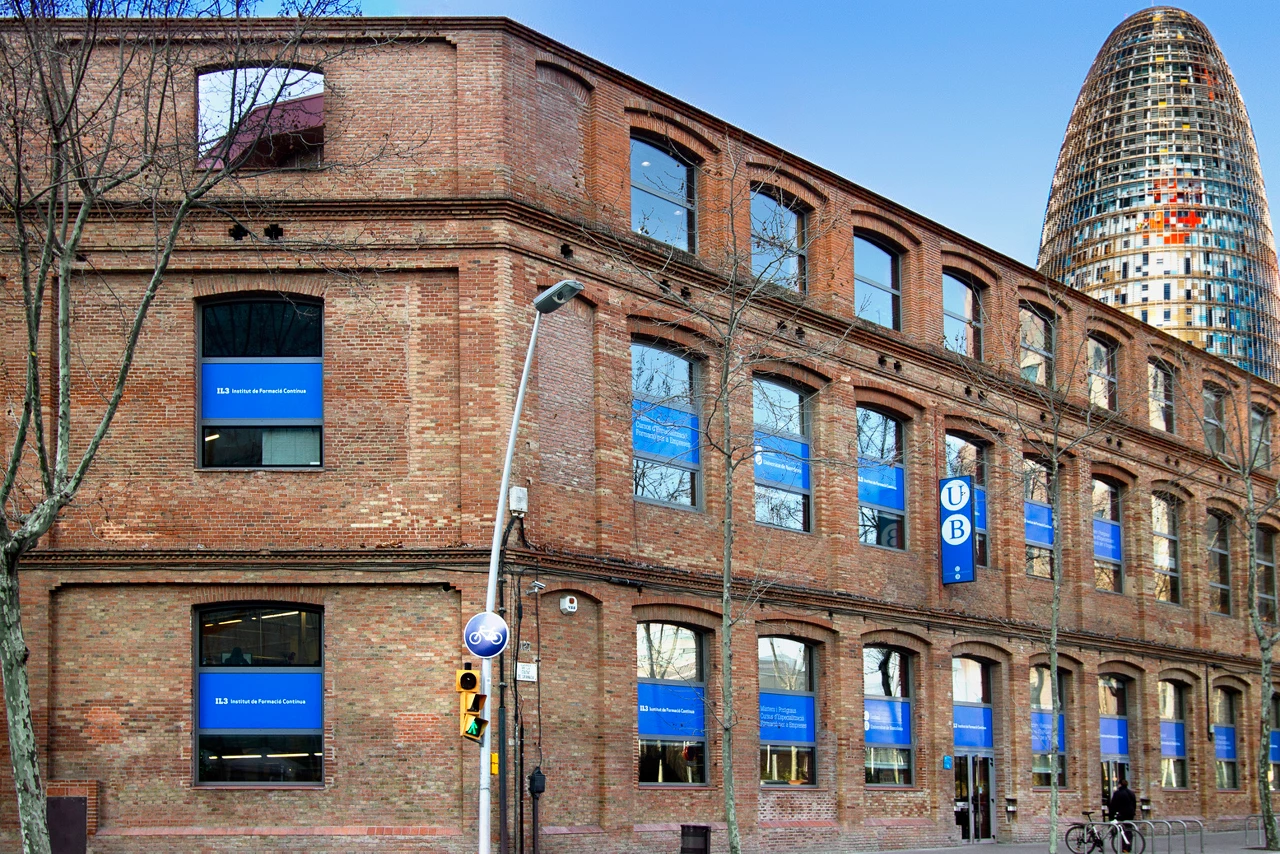
Can Canela
Among Poblenou’s chimneys stands Can Canela, a former textile factory and a symbol of the neighbourhood’s industrial legacy.
Drassanes Reials
A Gothic complex from the 13th to 15th centuries in the harbour area, originally used for building and repairing galleys.

Antigues fàbriques de Can Ricart
In Barcelona’s Poblenou neighbourhood, the former factories of Can Ricart and Can Felipa keep the city’s textile heritage alive.

Colònia Güell
A former textile colony that preserves its original factory complex and the unfinished crypt designed by Antoni Gaudí.
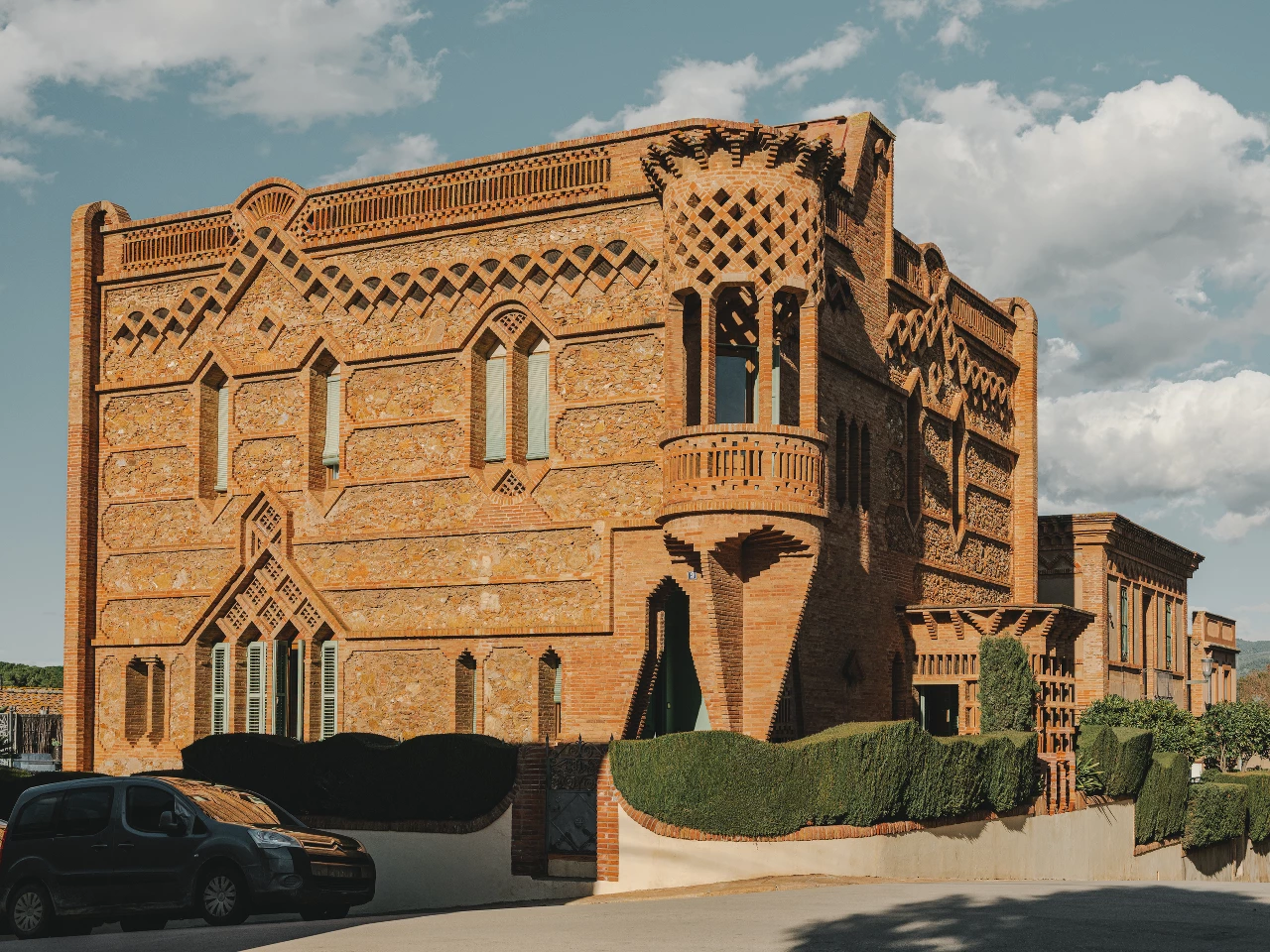
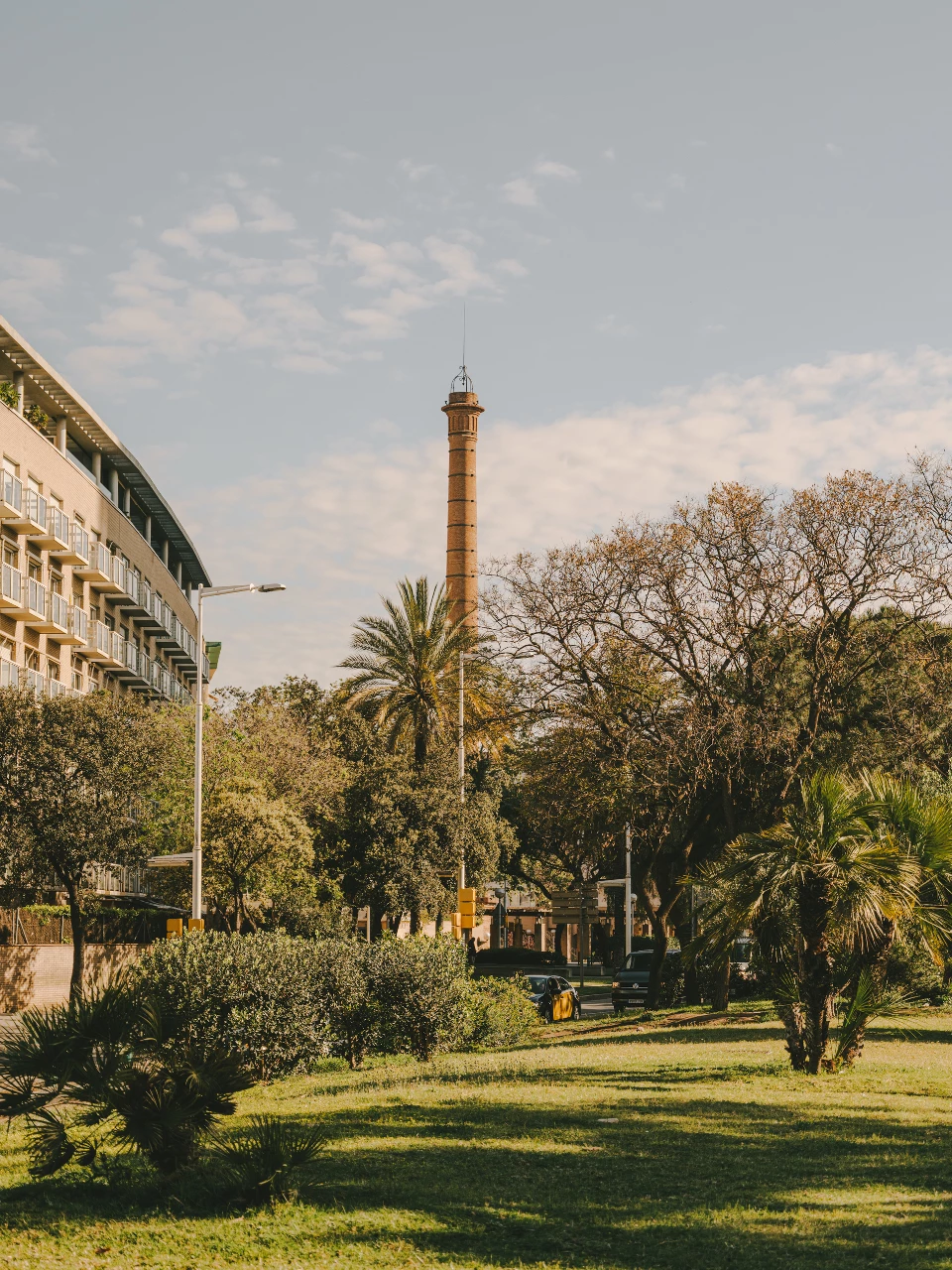
Casa de les Aigües de Montcada
A modernista and industrial architectural complex built in the late 19th century to capture and pump water from the Besòs to Barcelona.

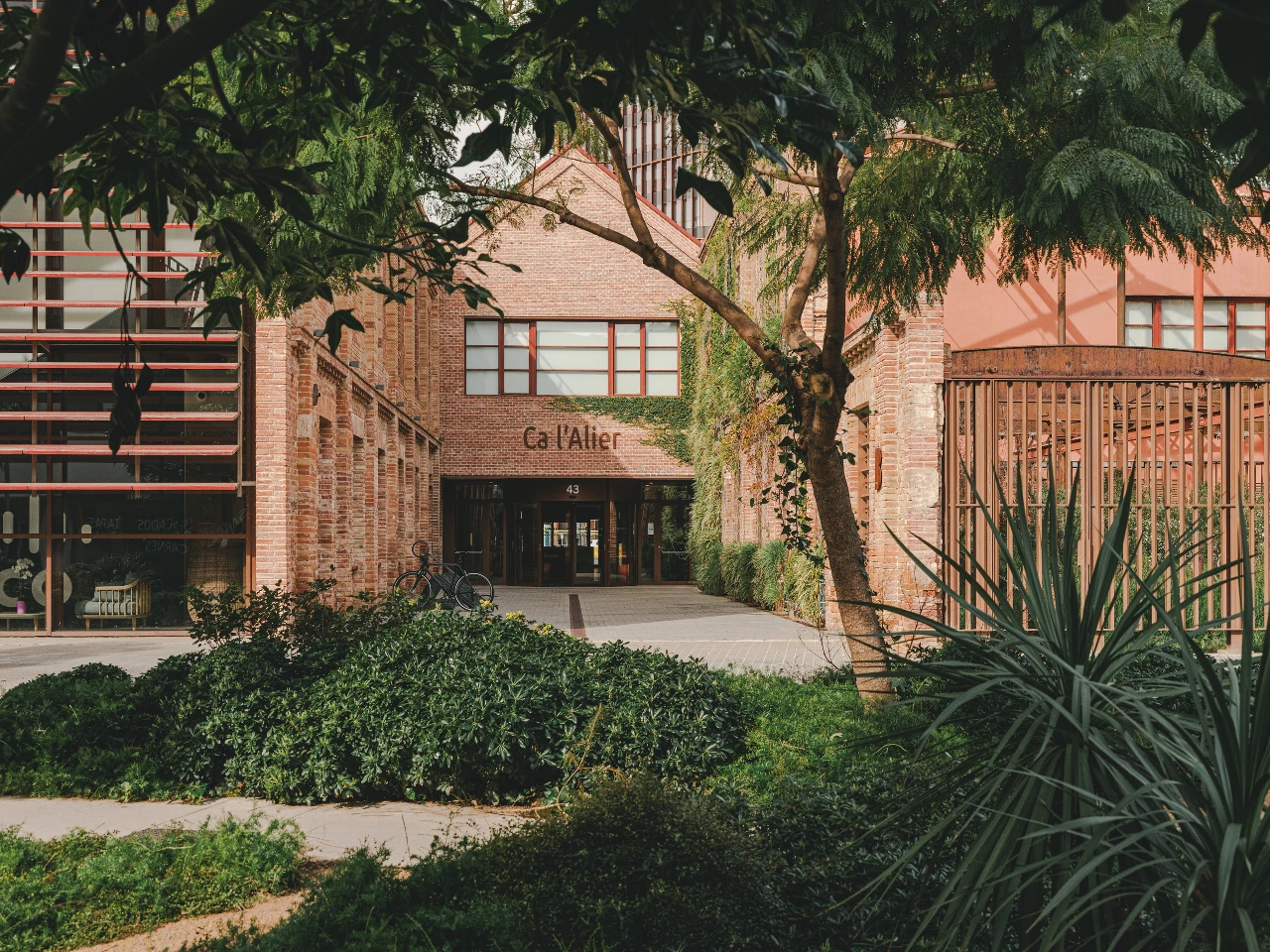
Can Jaumandreu
Can Jaumandreu is a 19th-century former textile factory in Barcelona’s Poblenou neighbourhood.
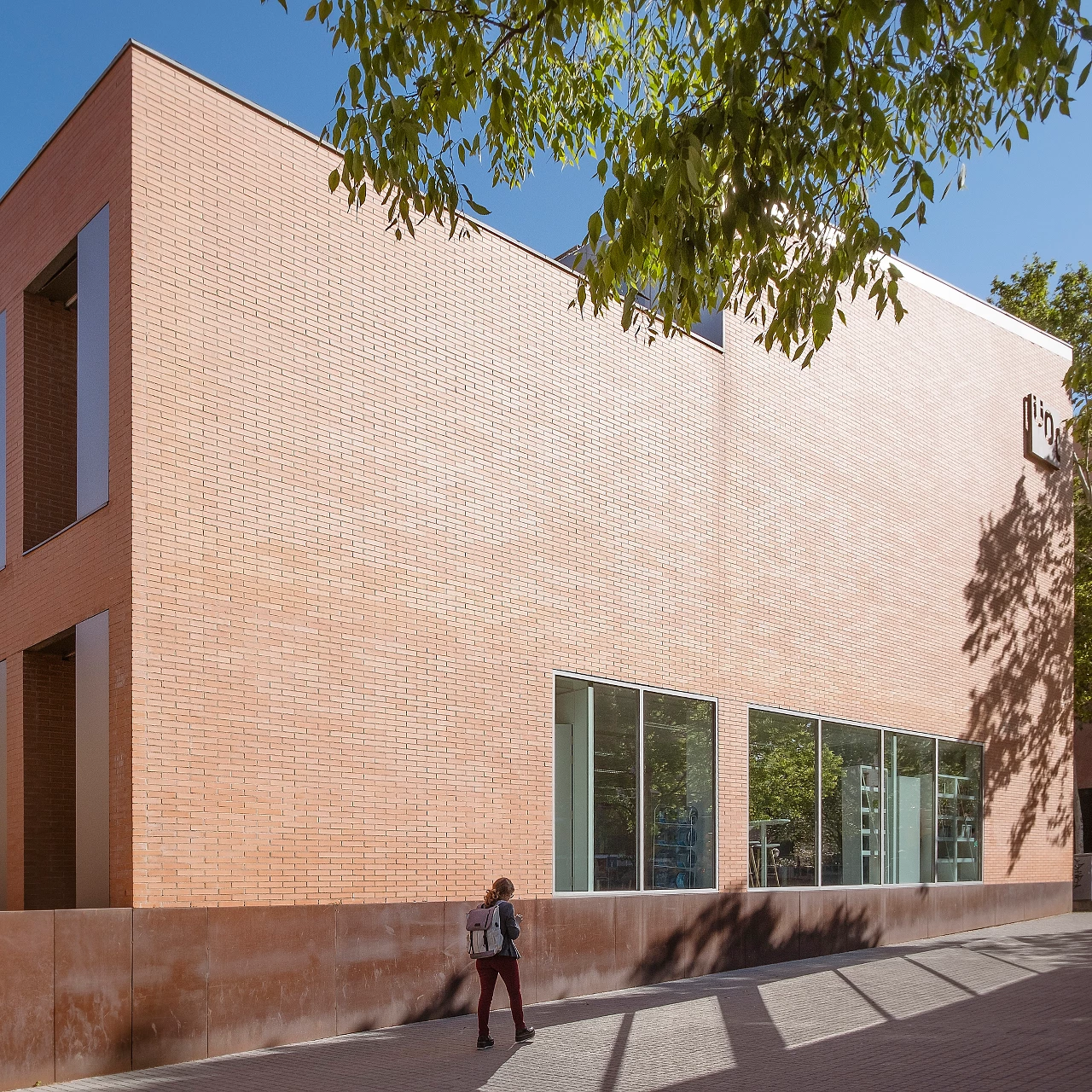
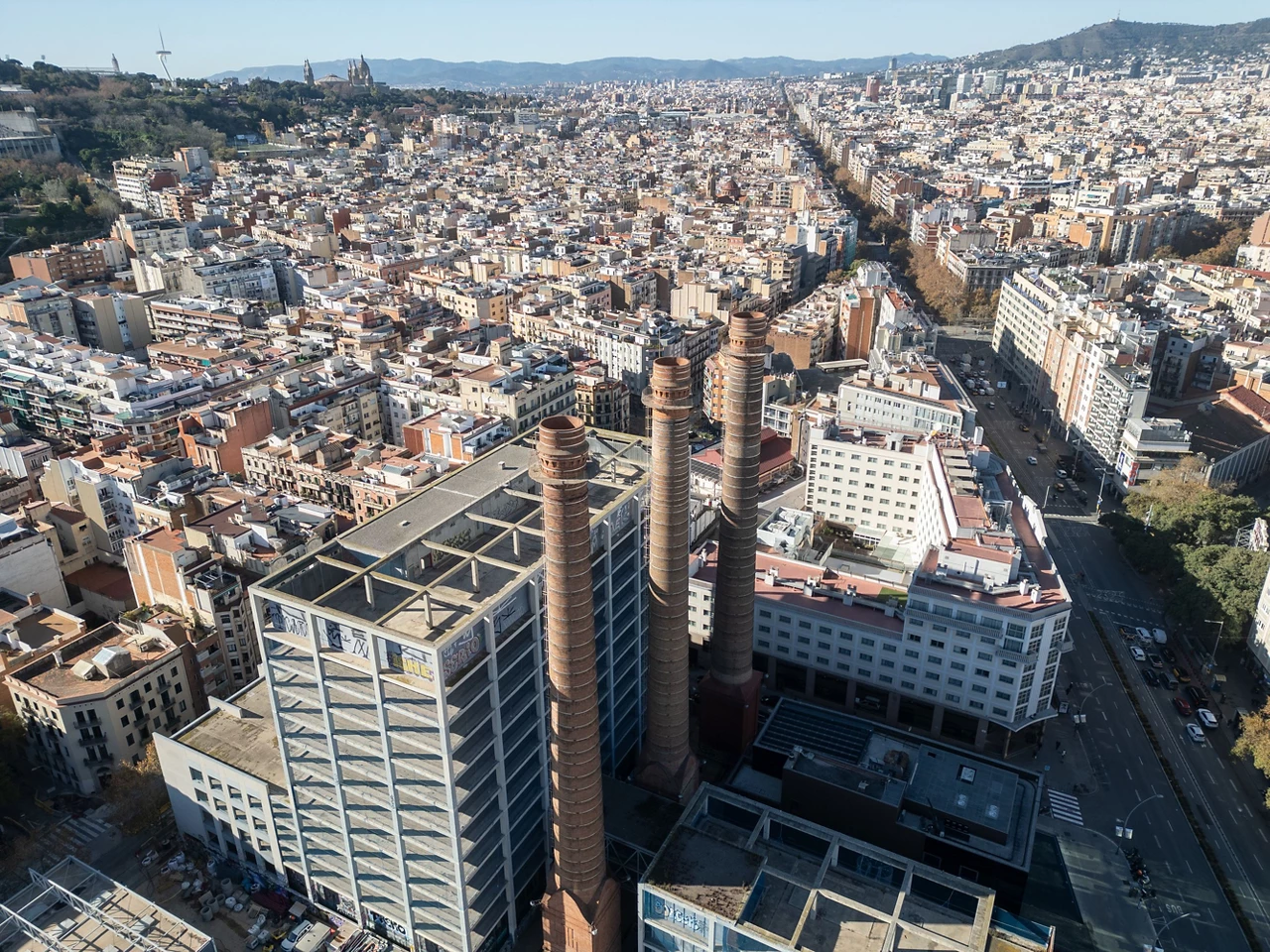
Les tres xemeneis del Poblesec
Three imposing red-brick buildings belonging to La Canadenca, the first power plant in Catalonia.
Macosa
Former metalworking company dedicated to manufacturing railway equipment, buses and trolleybuses, of which its large chimney still remains.
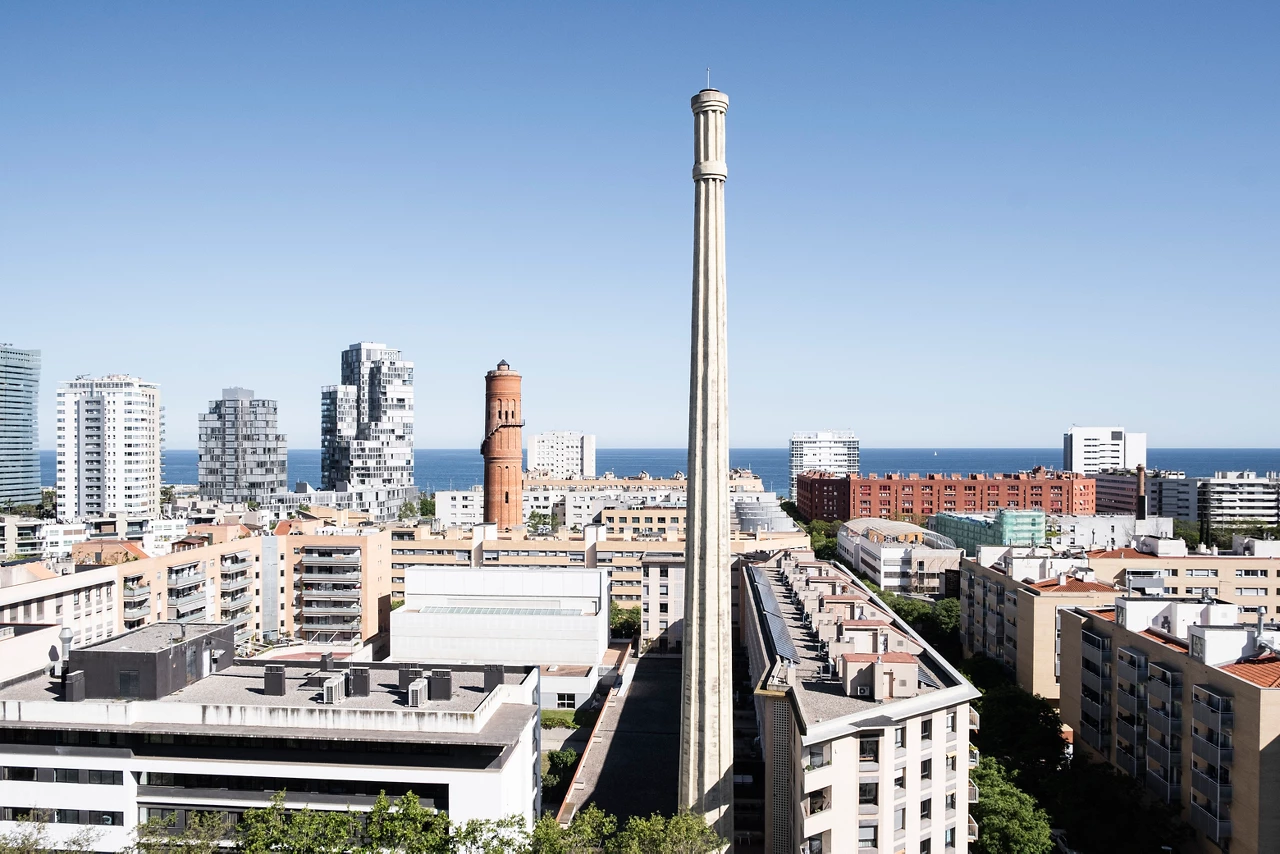
Torre de les Aigües del Besòs
A 19th-century industrial landmark that once supplied the city with drinking water.

Torre de les Aigües del Tibidabo
The Torre de les Aigües del Tibidabo, built in 1905, is a modernista brick-and-iron water tower perched on the mountainside.
