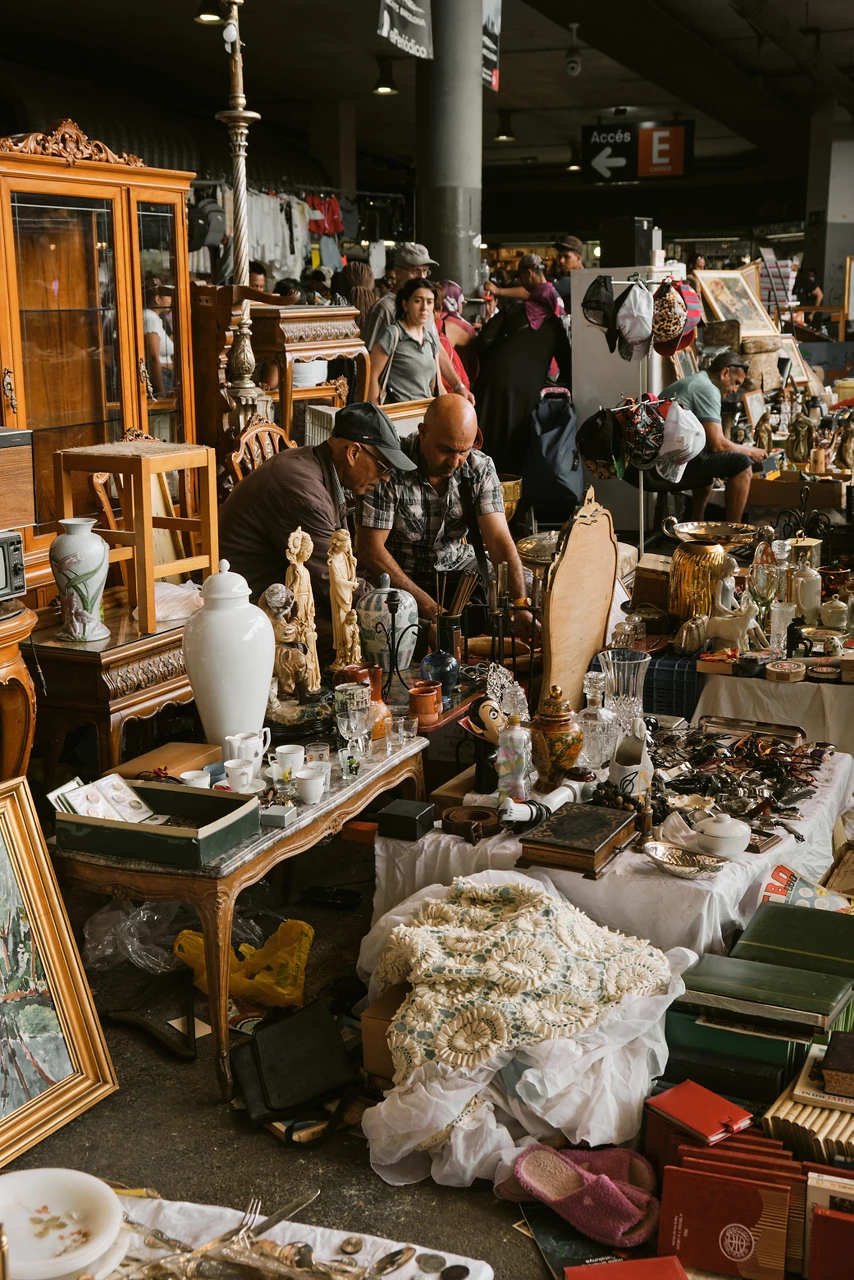
Mercat dels Encants
One of Europe’s oldest and largest second-hand markets, with more than 700 years of history.
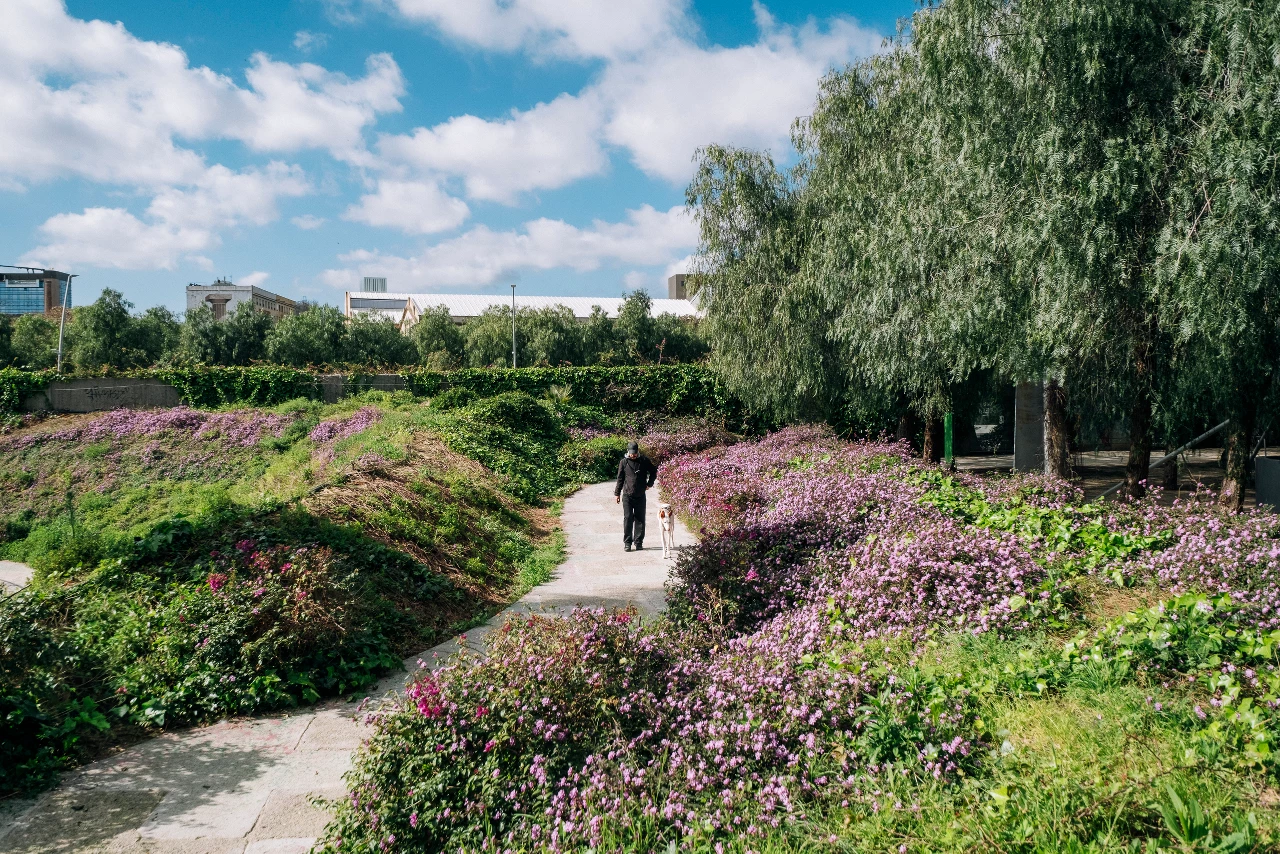
Parc del Centre del Poblenou
An urban park where modern architecture meets abundant Mediterranean vegetation across 5,500 m² of inventive design.
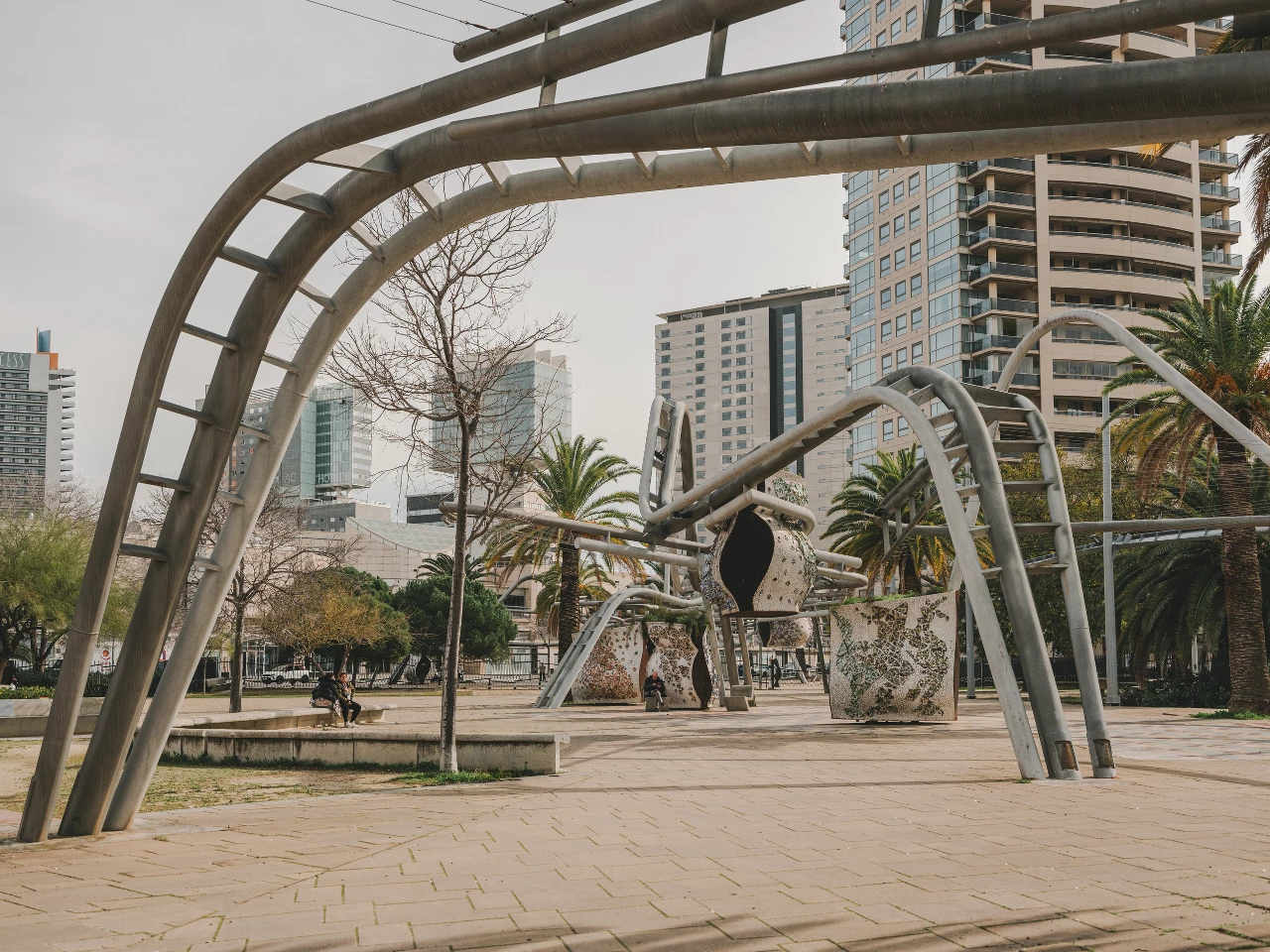
Parc Diagonal Mar
An ambitious contemporary urban park, pioneering in originality and sustainable architectural thinking.
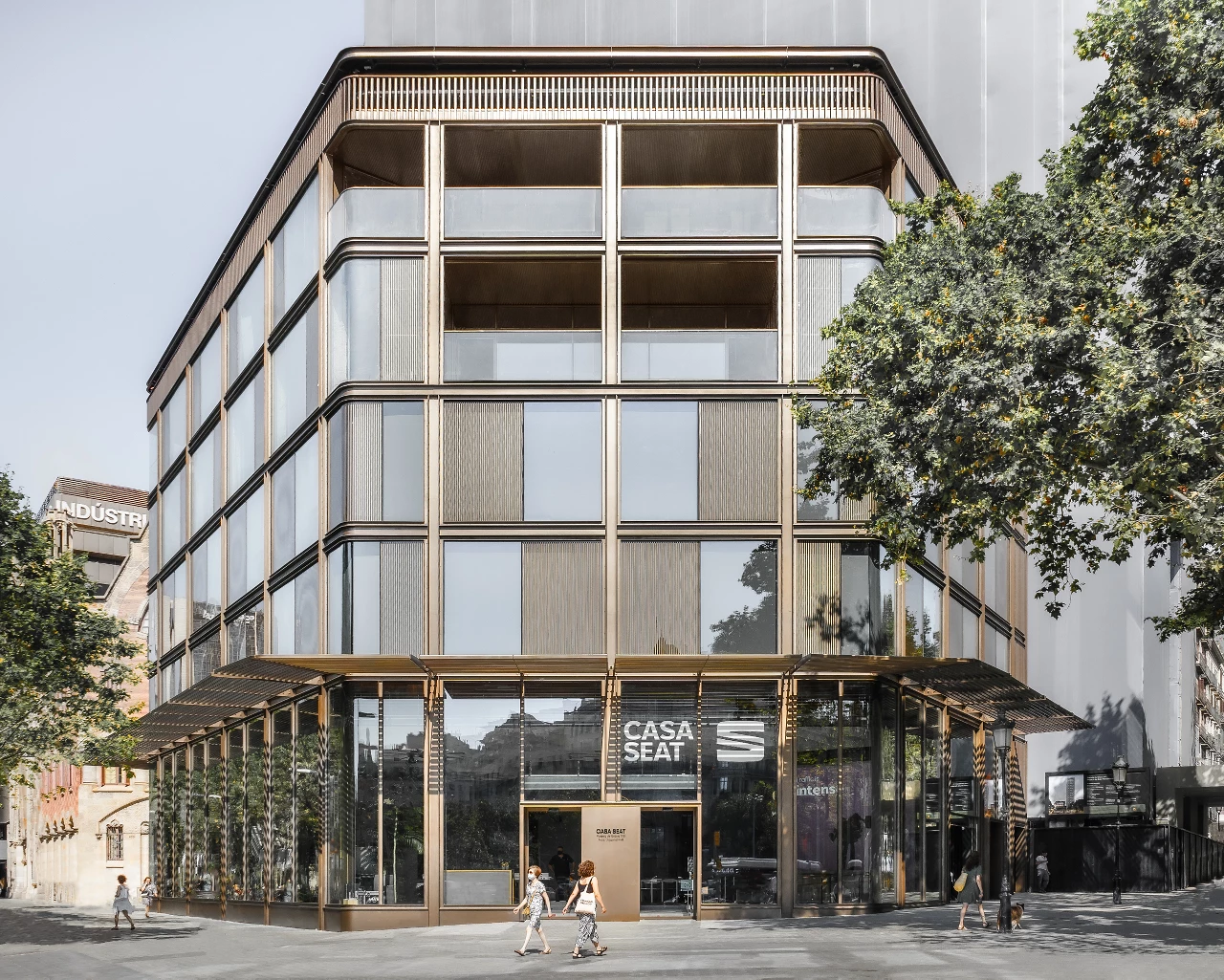
Cristalerías Planell
A former glass factory transformed into a civic centre that preserves its modernista façade while incorporating a modern, sustainable structure.

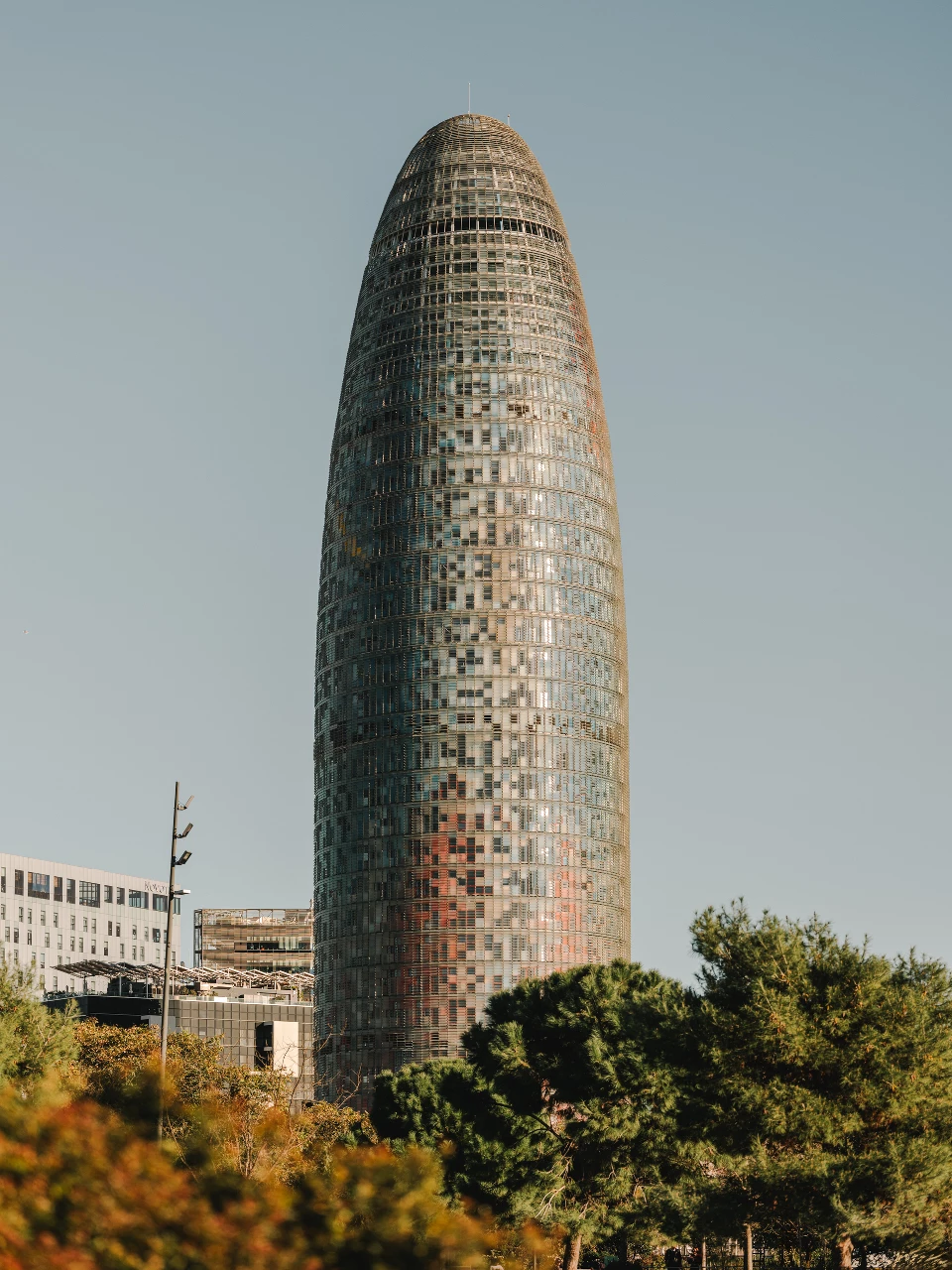
Torre Glòries
A tower rising over 140 metres, home to offices and a public viewpoint, its colours shifting across the façade.
Torre Diagonal 00
The Torre Diagonal 00 boasts an impressive geometric silhouette and glass façade, standing at the very start of Avinguda de la Diagonal.

Aeroport Josep Tarradellas Barcelona-El Prat
The main air gateway to the city, with two passenger terminals and connections to over 150 destinations.

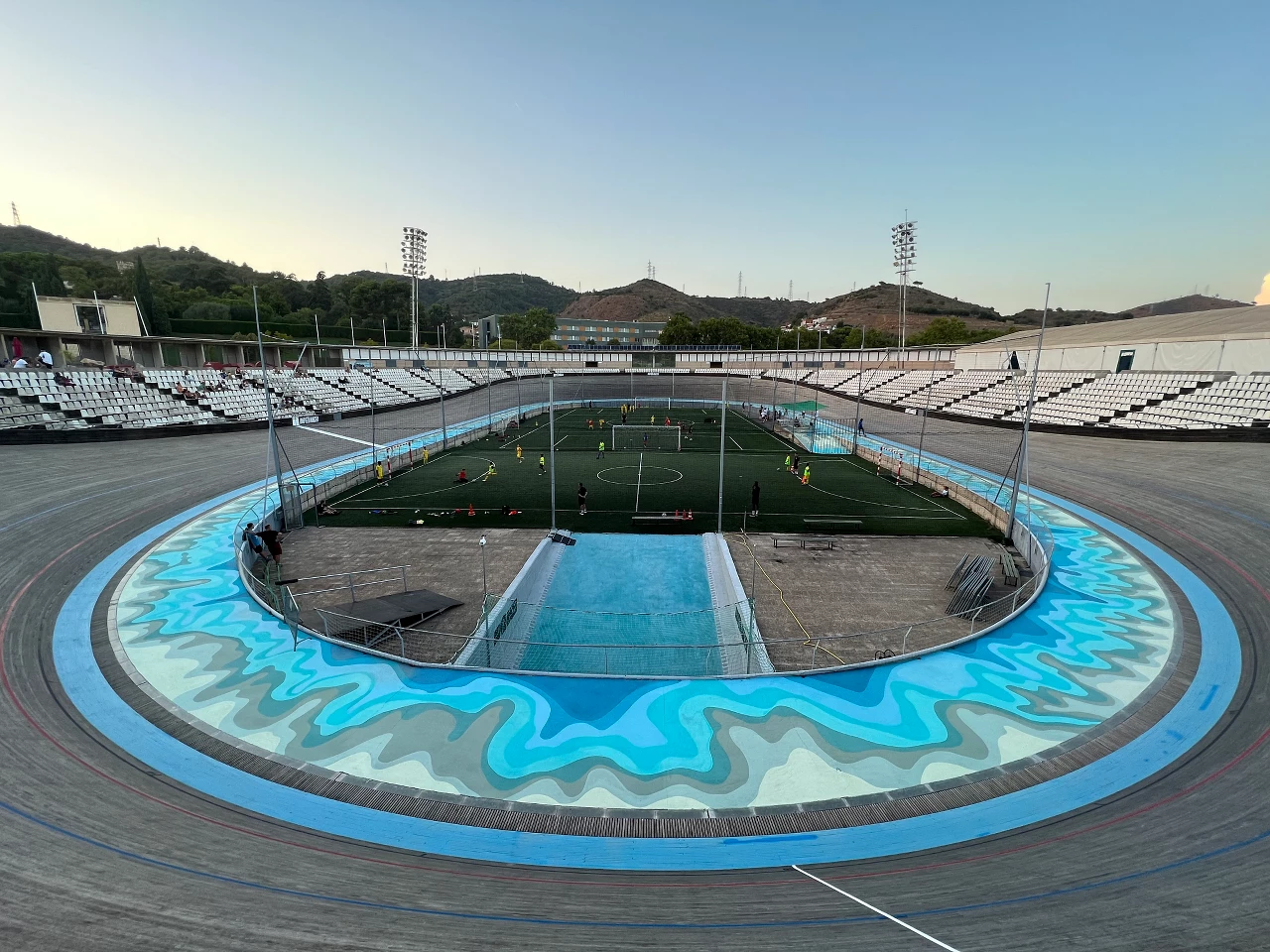
Velòdrom d’Horta
The Velòdrom d’Horta is an iconic cycling stadium, situated beside Passeig de la Vall d’Hebron.
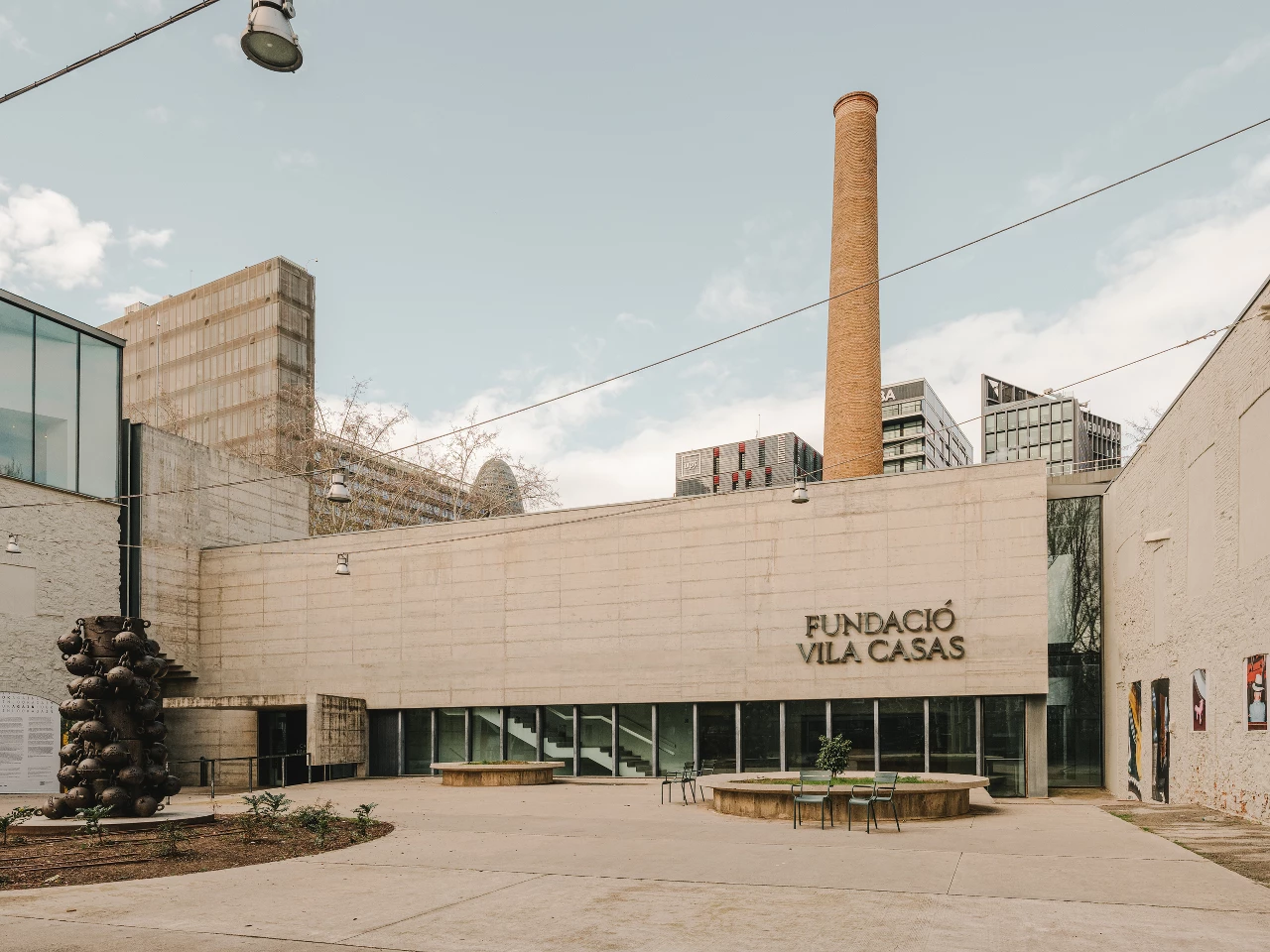
Museu Can Framis – Fundació Vila Casas
Centre of the Fundació Vila Casas housed in a former textile factory, dedicated to contemporary Catalan painting.
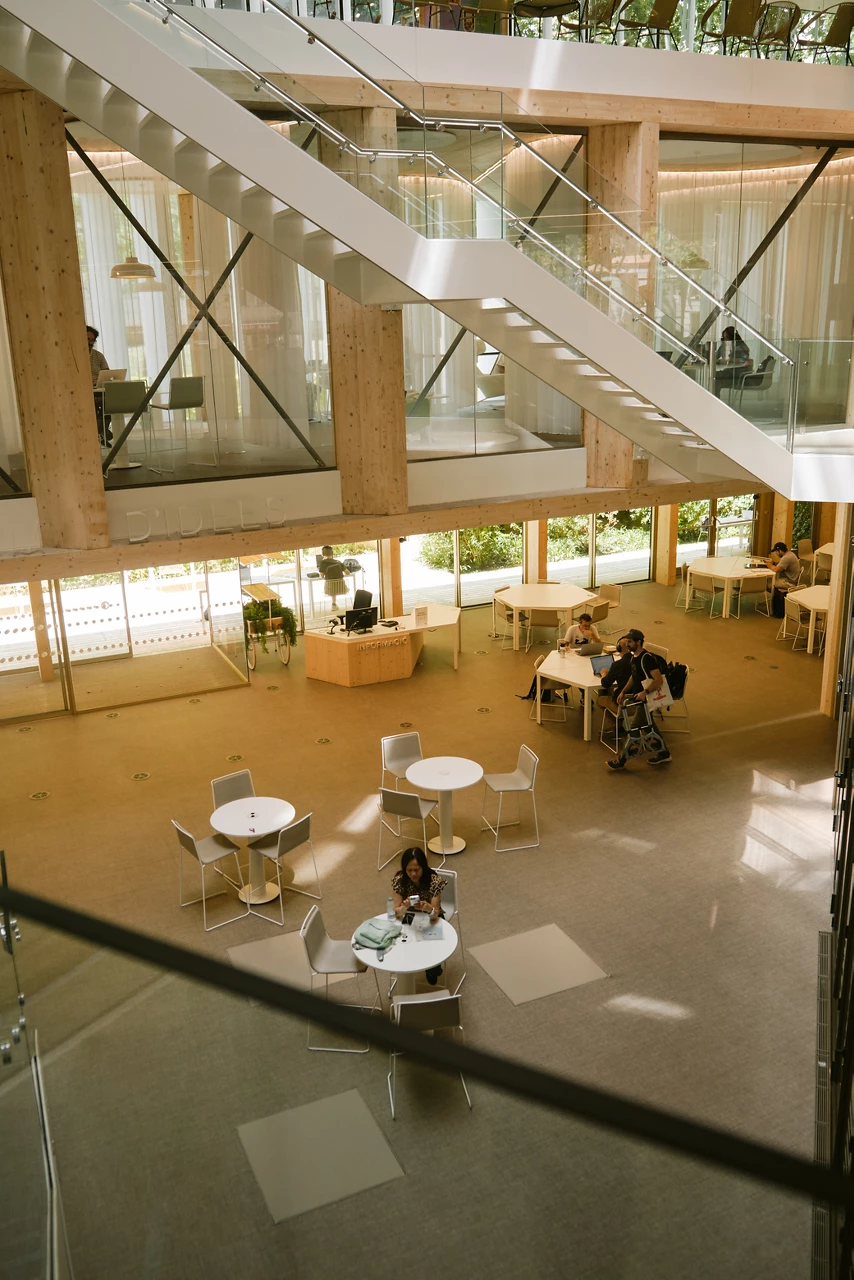
Biblioteca Gabriel García Márquez
A multi-award-winning contemporary building where you can read and explore distinctive installations.
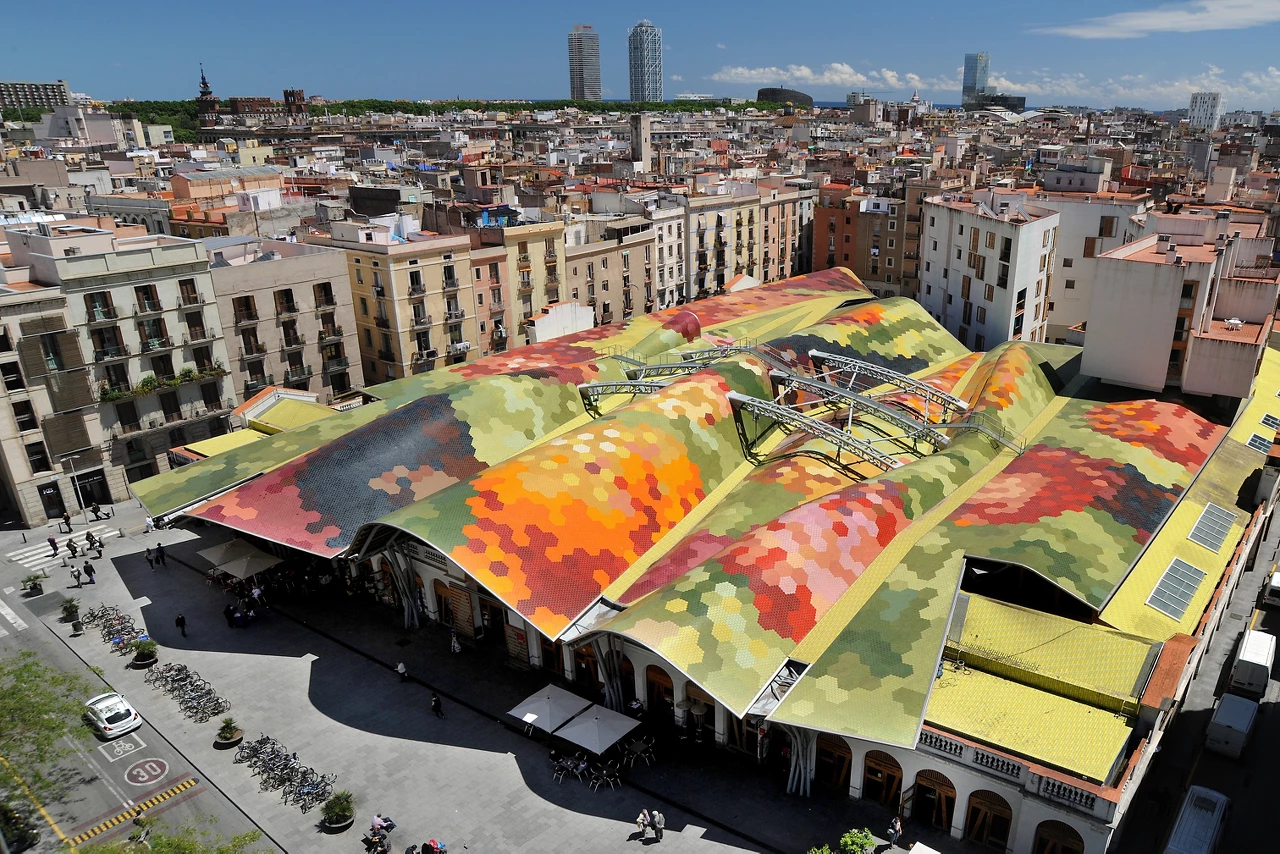
Mercat de Santa Caterina
An iconic undulating roof of multicoloured mosaic brings a historic covered market to life, where fresh produce meets modern architecture.
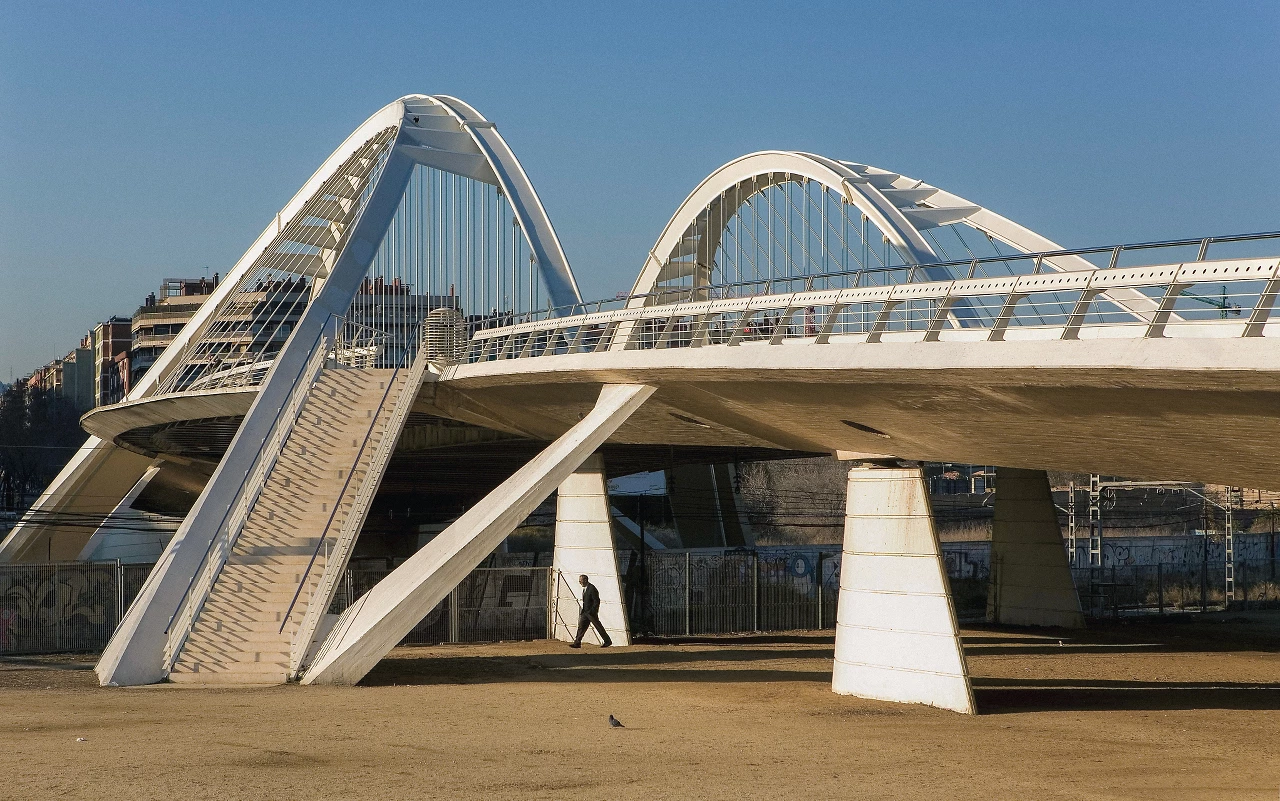
Pont de Bac de Roda
The Pont de Bac de Roda, by Santiago Calatrava, is a sculptural structure linking the districts of Sant Andreu and Sant Martí.
Ciutat de la Justícia
Complex of independent volumes in varying colours and heights, centralising the judicial activity of Barcelona and L’Hospitalet de Llobregat.

Meliá Barcelona Sky
A 120-metre, 29-storey skyscraper hotel in Poblenou, one of the most distinctive silhouettes on Barcelona’s skyline.

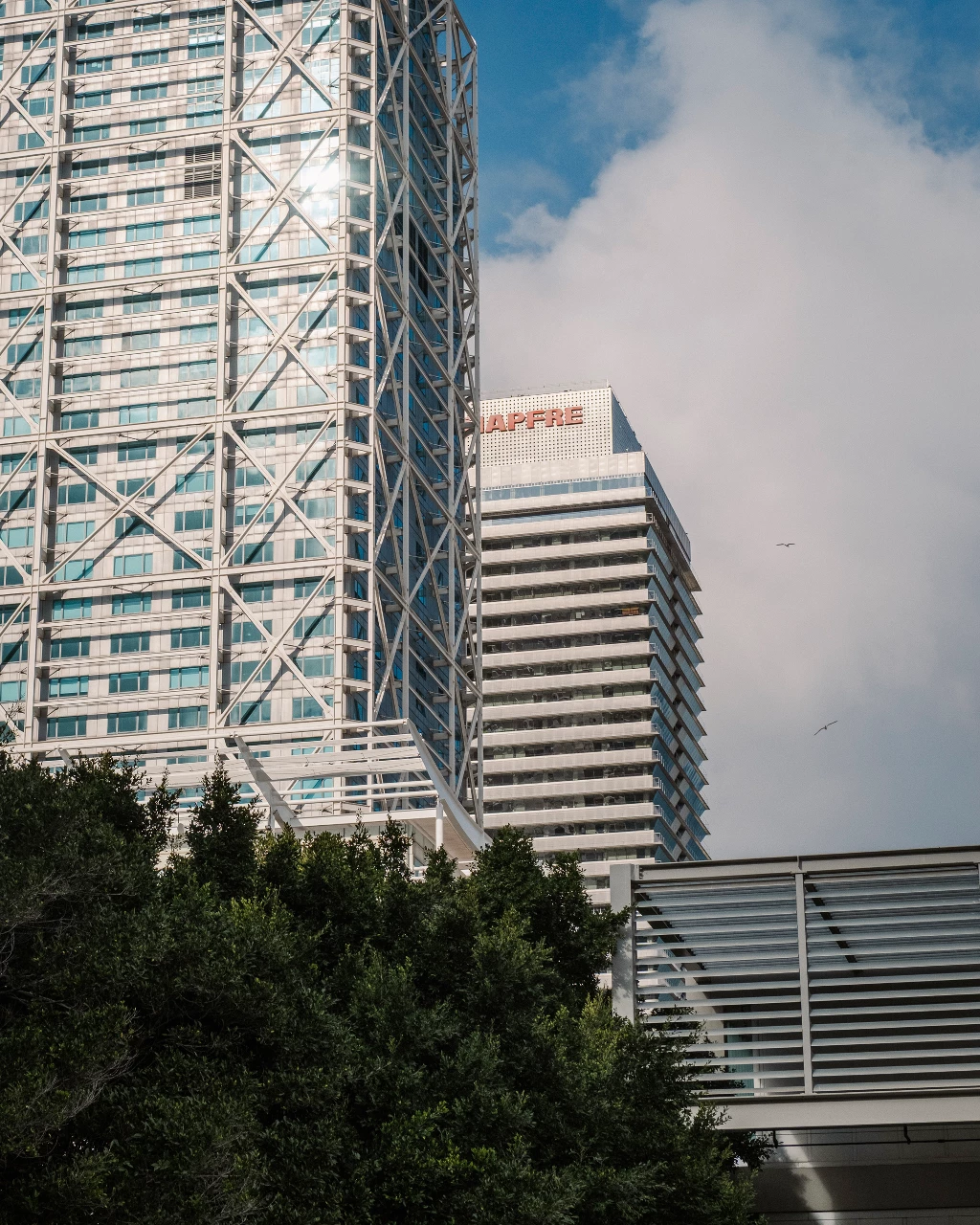
Torre Mapfre
One of the city’s most recognisable skyscrapers, built for the 1992 Olympic Games, with 40 floors of glass and aluminium.
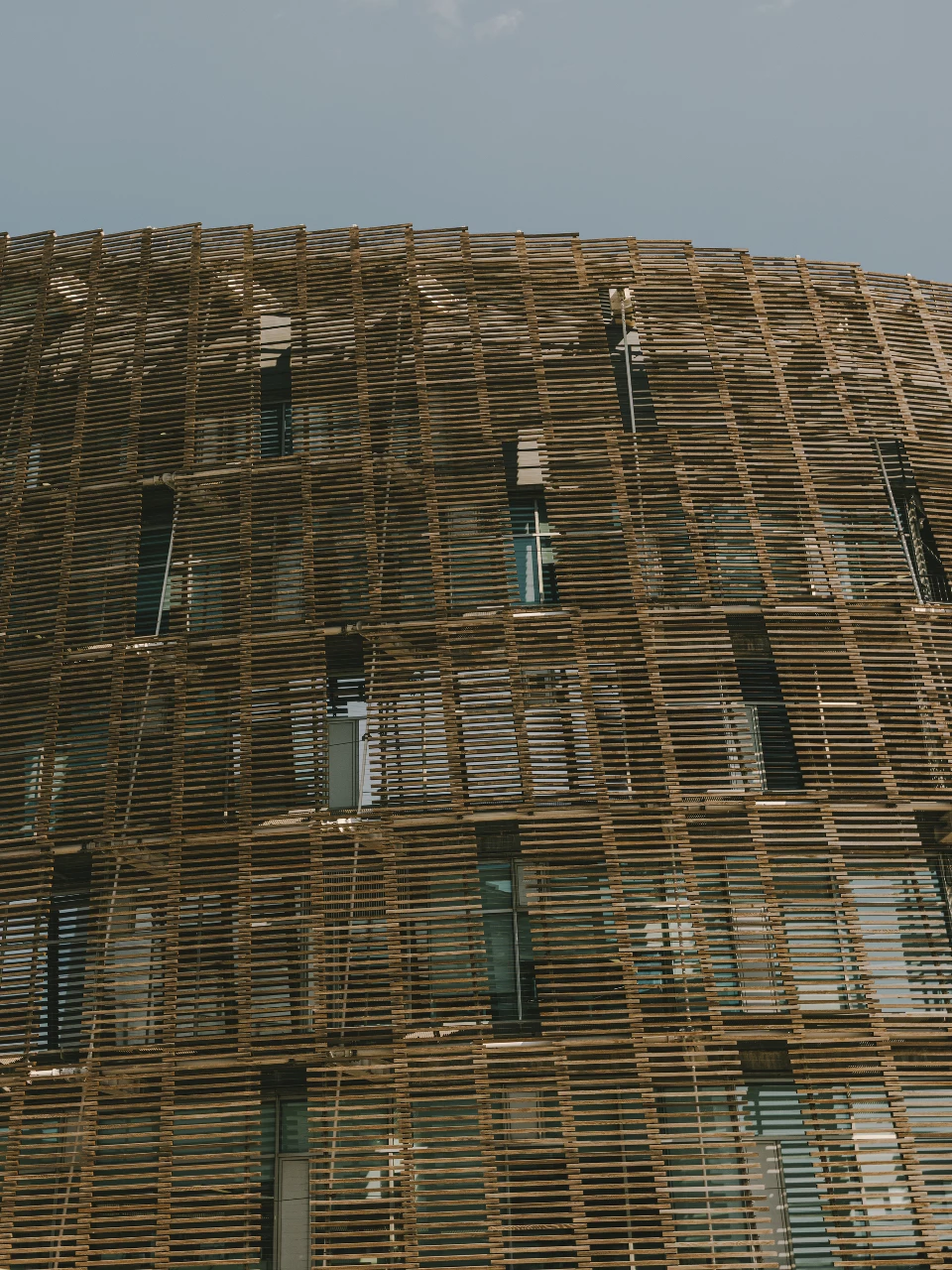
Parc de Recerca Biomèdica de Barcelona (PRBB)
One of the city’s major biomedical research hubs sits right by Barceloneta beach.
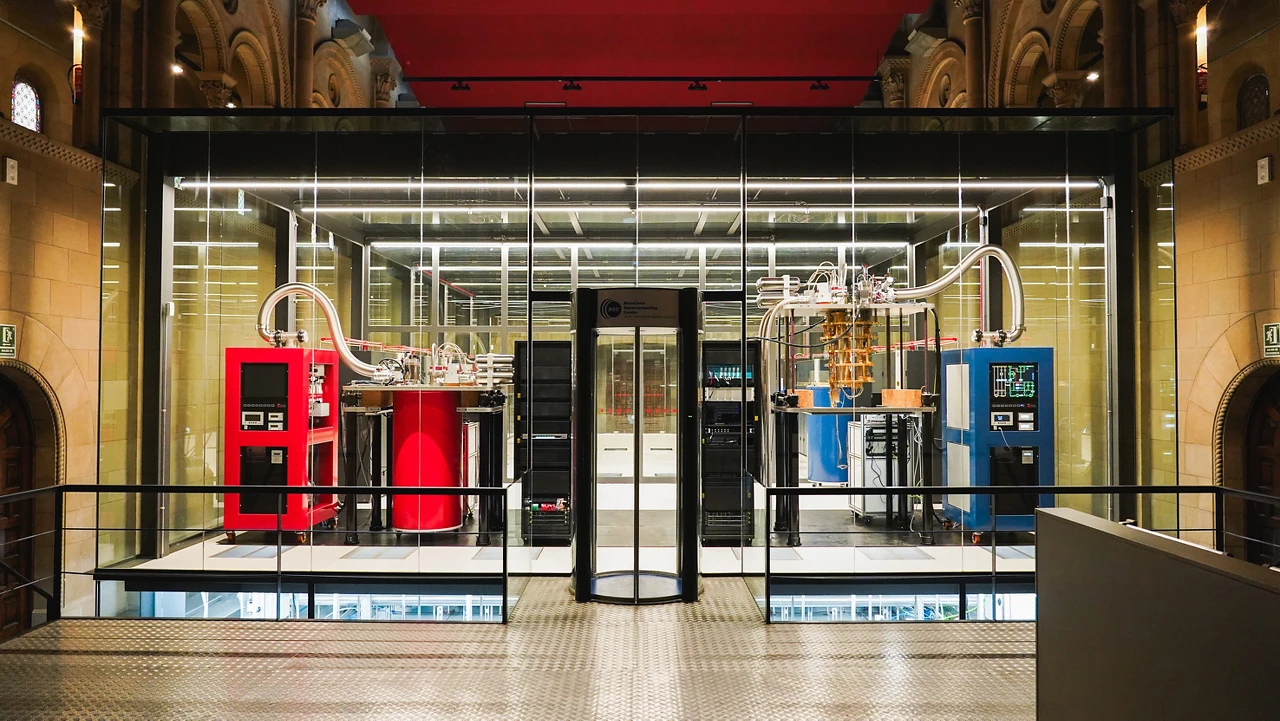
Barcelona Supercomputing Center
National research and supercomputing centre located in a historic building that brings together science and heritage.
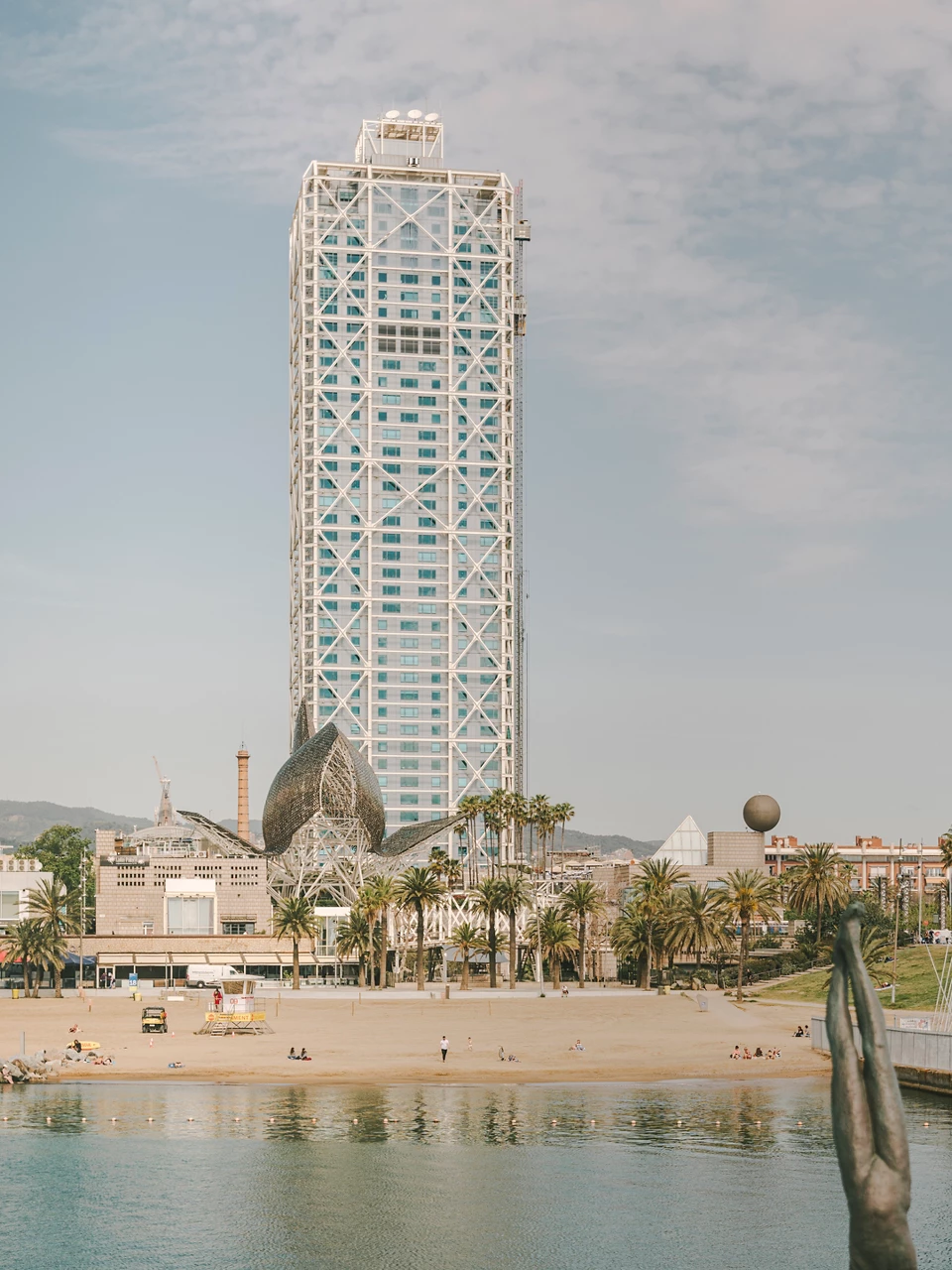
Hotel Arts
A skyscraper known for its steel-and-glass design, contemporary art collection and its setting by the sea.
Estadi Olímpic Lluís Companys
An iconic sports venue on Montjuïc, home to major sporting events and concerts.

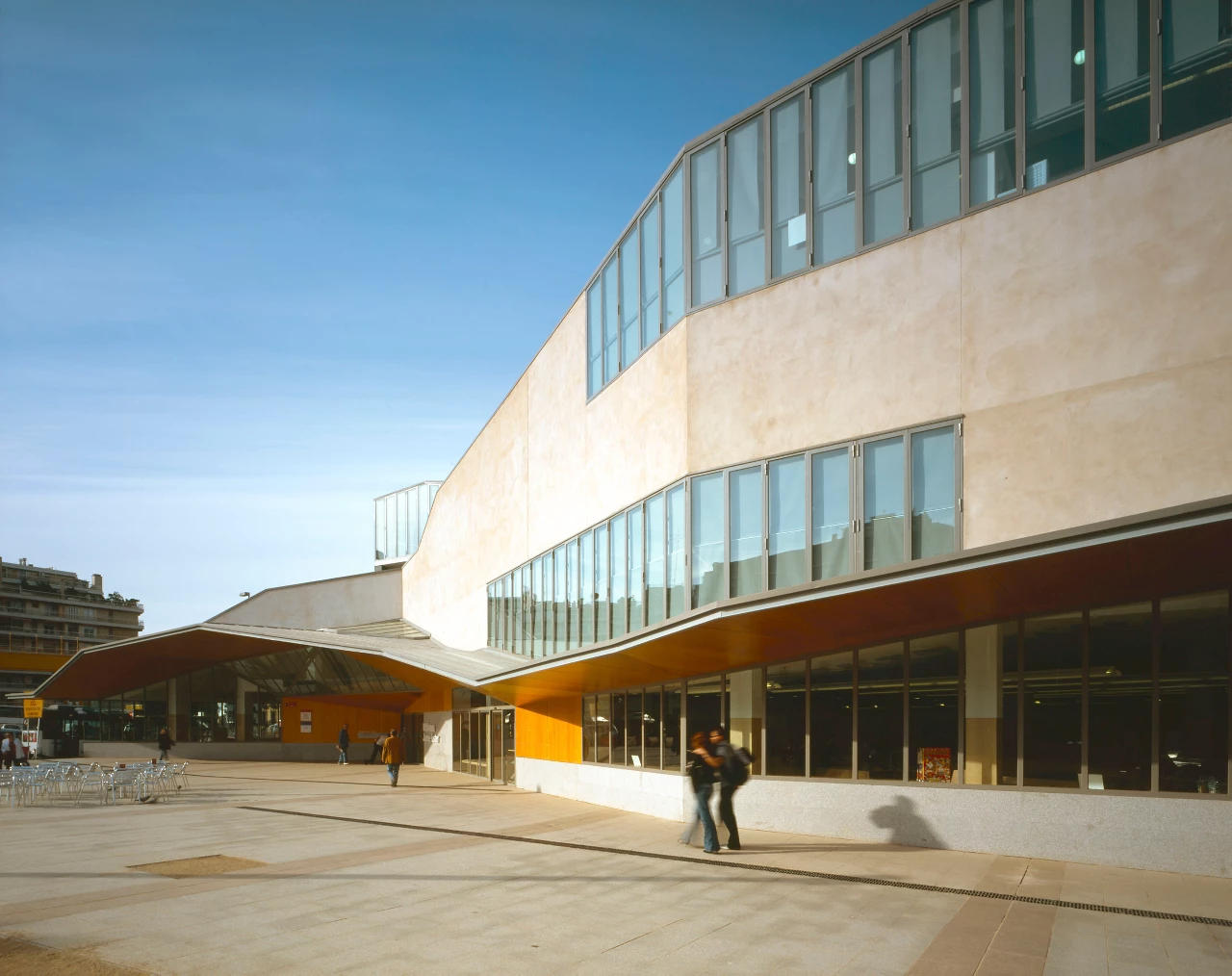
Biblioteca Jaume Fuster
Public library and cultural venue housed in a contemporary building, with specialist collections on travel and literature, as well as a historical archive dedicated to the district.
L'Illa Diagonal
A mixed-use complex on Avinguda Diagonal integrating a shopping centre, offices, hotels and facilities within a large urban architectural block.

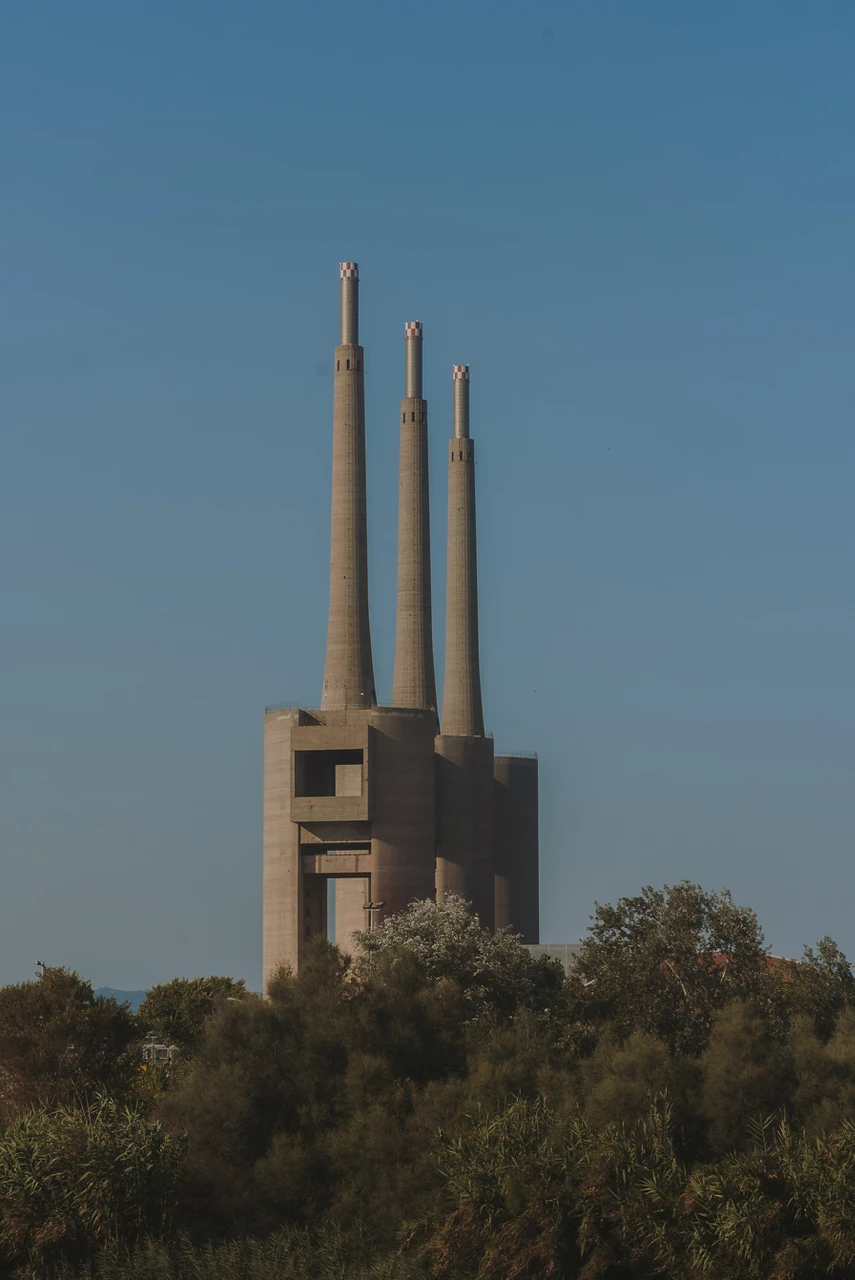
Tres Xemeneies de Sant Adrià
Three monumental concrete chimneys dominate the Besòs shoreline, remnants of a historic Catalan power station.
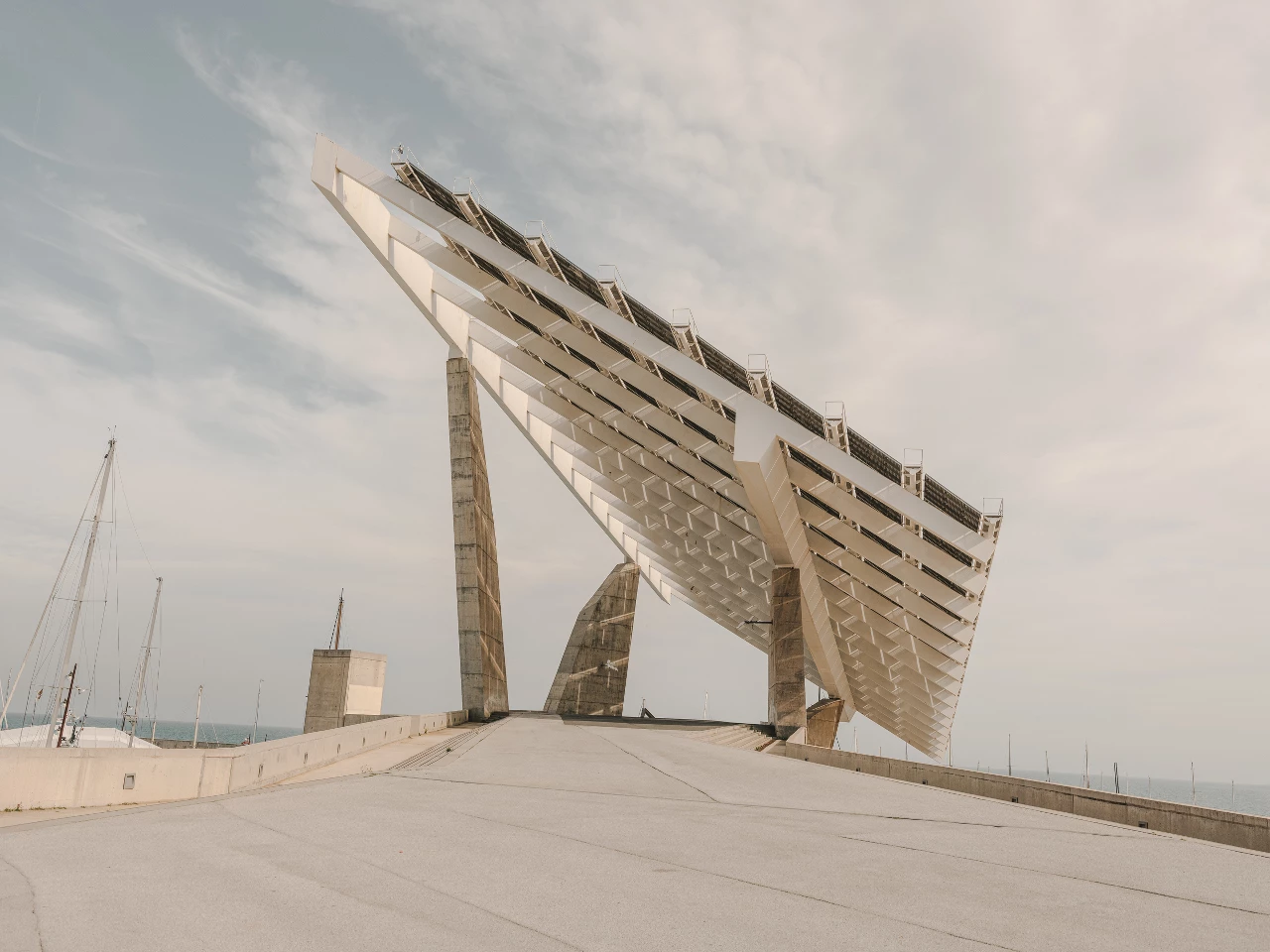
Parc del Fòrum
A multi-purpose seafront venue bringing together contemporary architecture, culture and large-scale outdoor events.
Gas Natural
A distinctive office skyscraper, recognisable for its façade that shifts with the changing light and its dramatic cantilever facing the sea.

Jardí Botànic de Barcelona
A 14-hectare site on Montjuïc focused on conserving and exploring the biodiversity of the world’s Mediterranean-climate regions.
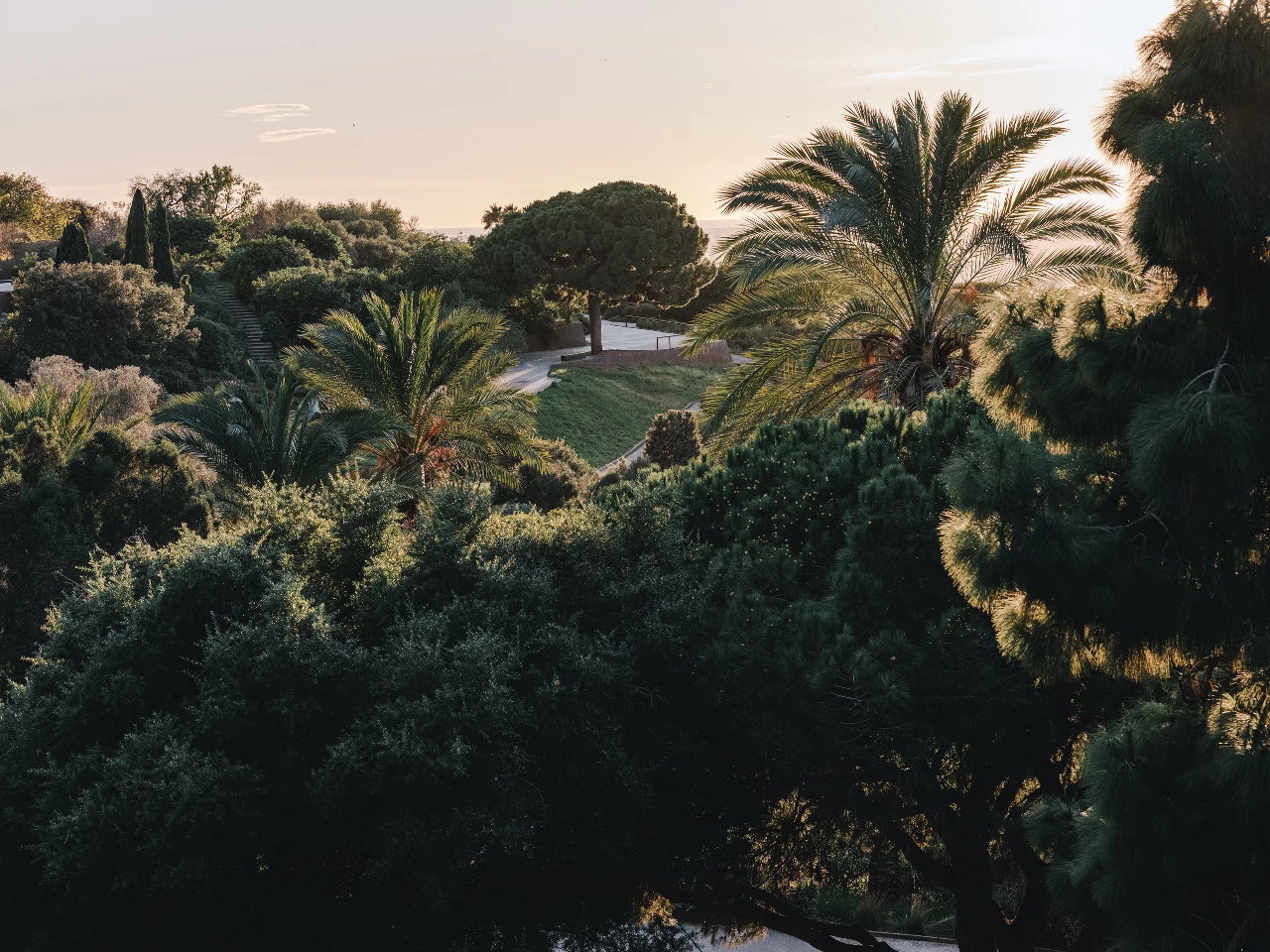
Antigues fàbriques de Can Ricart
In Barcelona’s Poblenou neighbourhood, the former factories of Can Ricart and Can Felipa keep the city’s textile heritage alive.

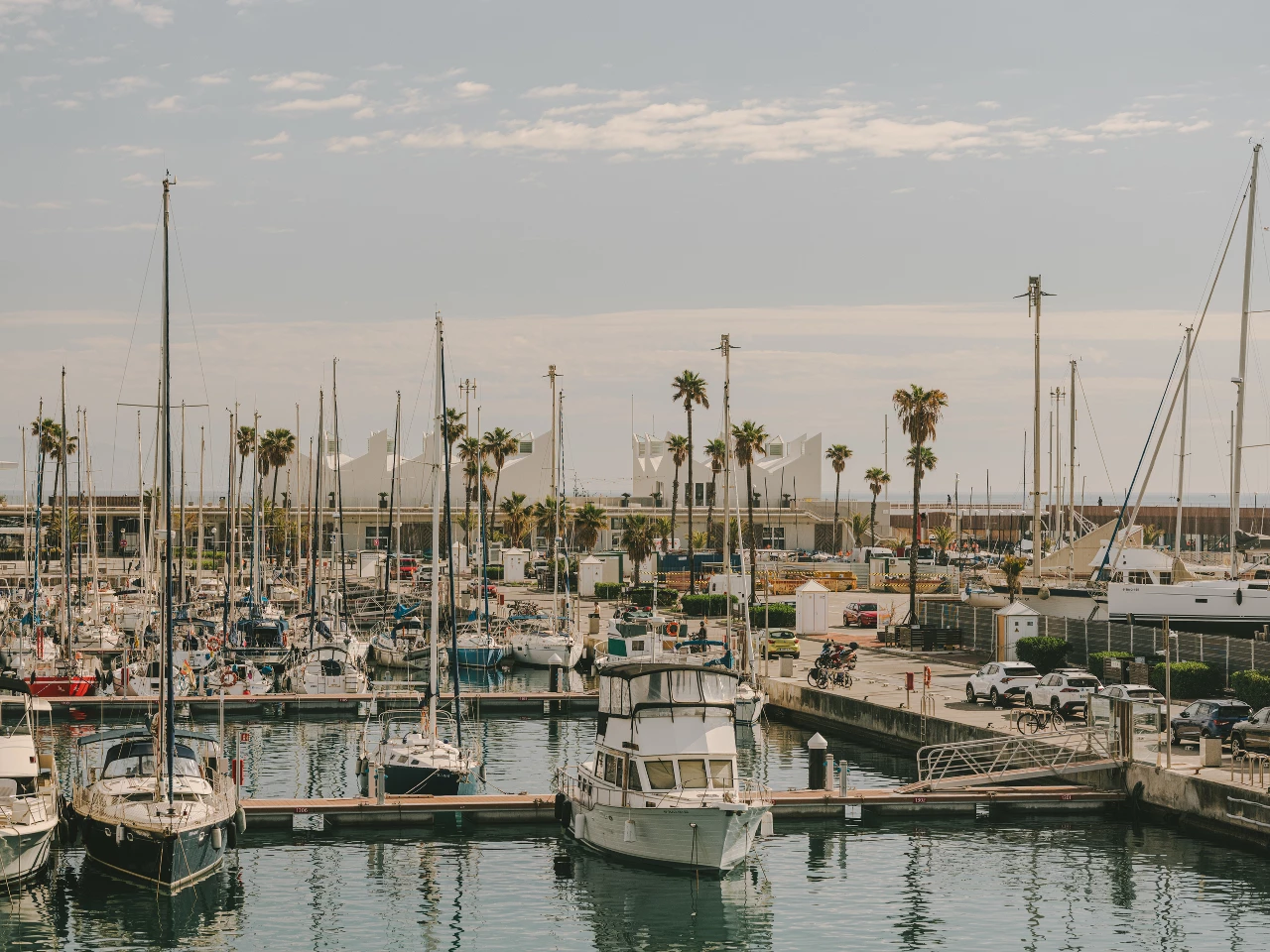
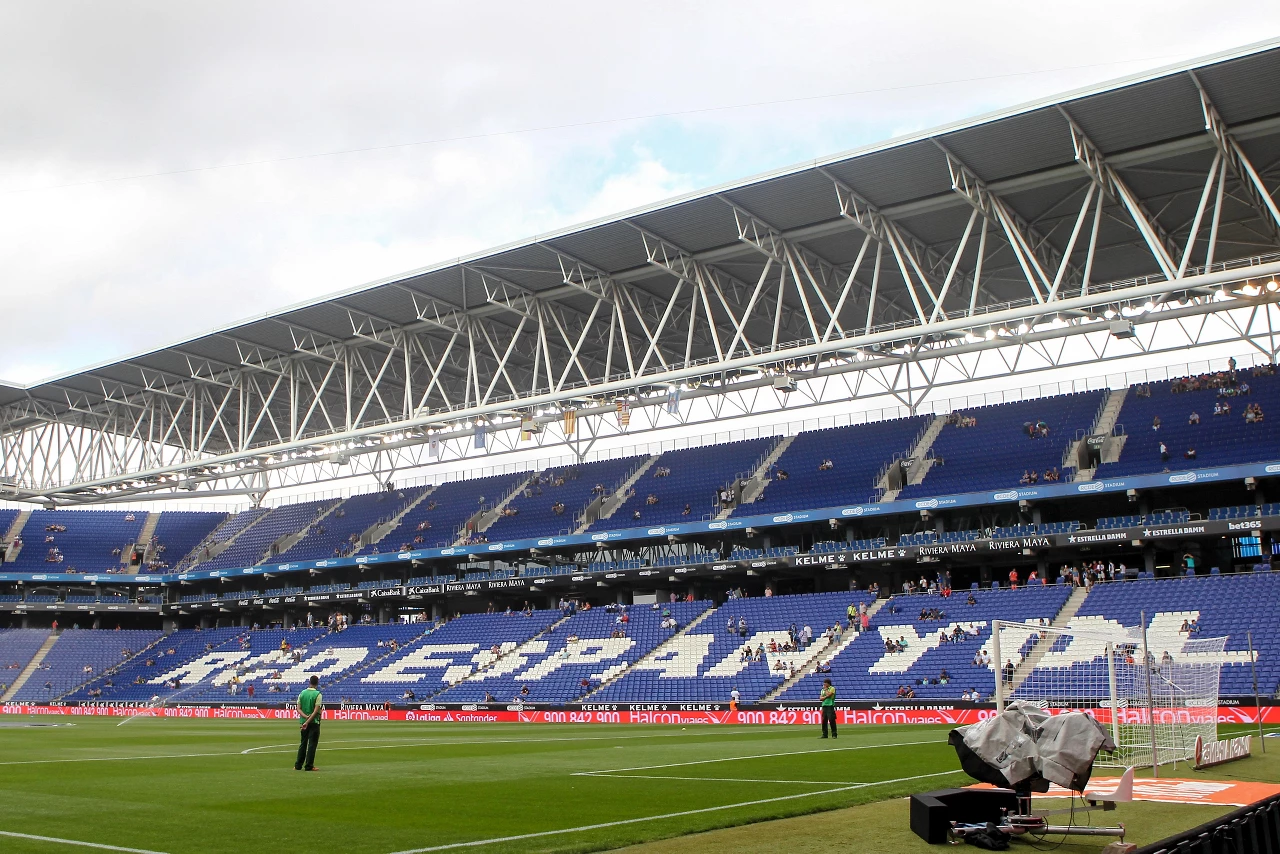
RCDE Stadium
The home ground of RCD Espanyol de Barcelona and one of the most modern stadiums in Europe.
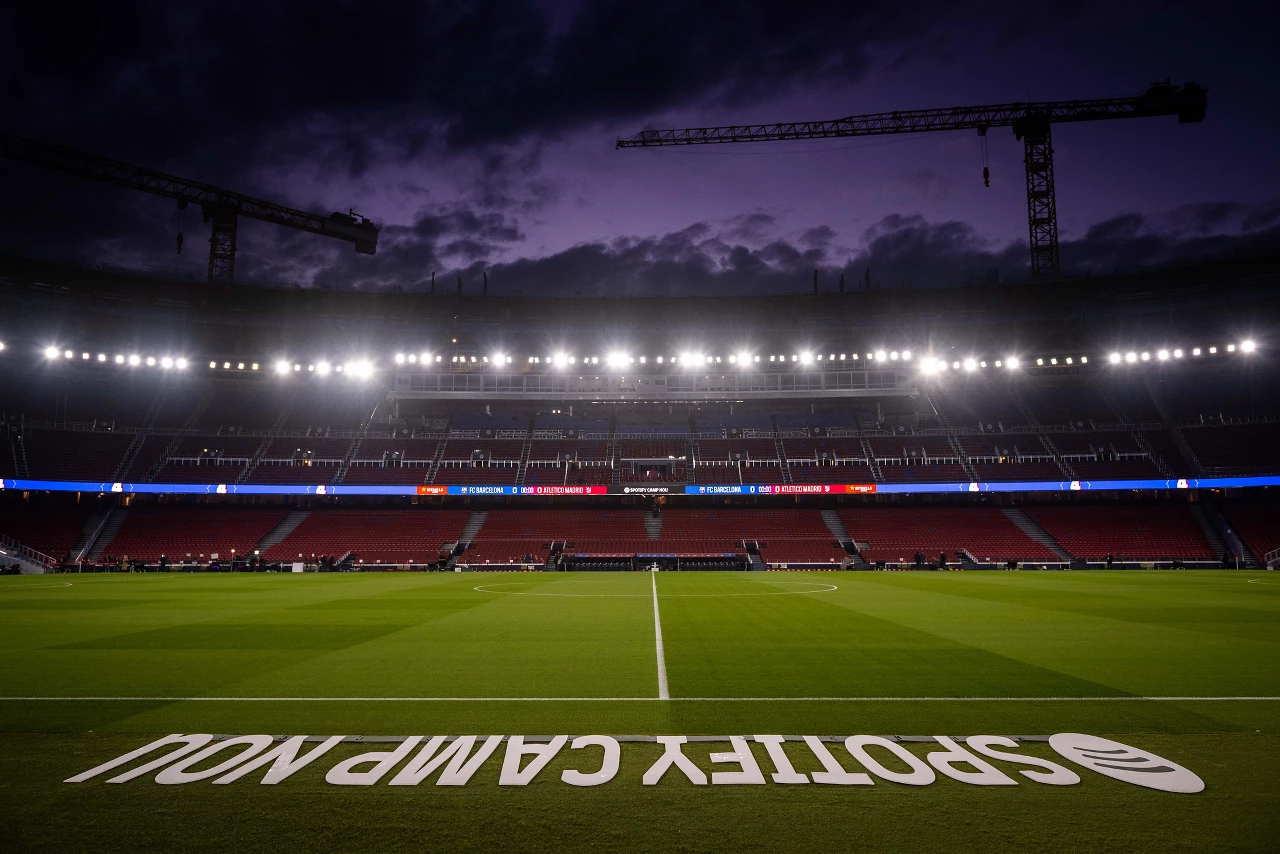
Spotify Camp Nou
The iconic FC Barcelona stadium is a sports venue built in the 1950s, now being redeveloped to improve the spectator experience.
Centre de Cultura Contemporània de Barcelona
A multidisciplinary space exploring contemporary culture through innovative themes and ways of presenting exhibitions.

Anella Olímpica de Montjuïc
A monumental complex of sports facilities and public spaces on Montjuïc hill, part of the lasting legacy of the 1992 Olympic Games.

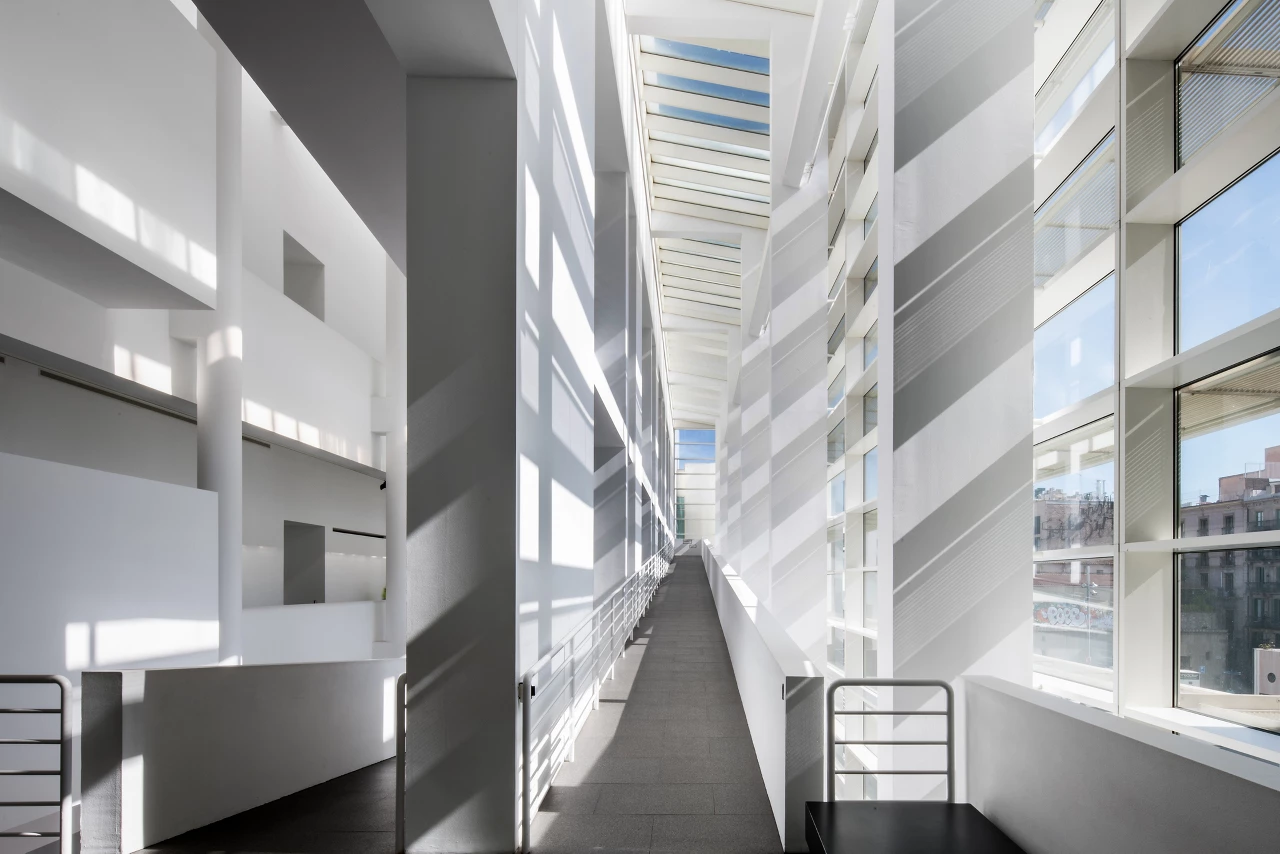
MACBA – Museu d’Art Contemporani de Barcelona
A centre dedicated to research, experimentation and the presentation of contemporary art from the second half of the 20th century to the present day.
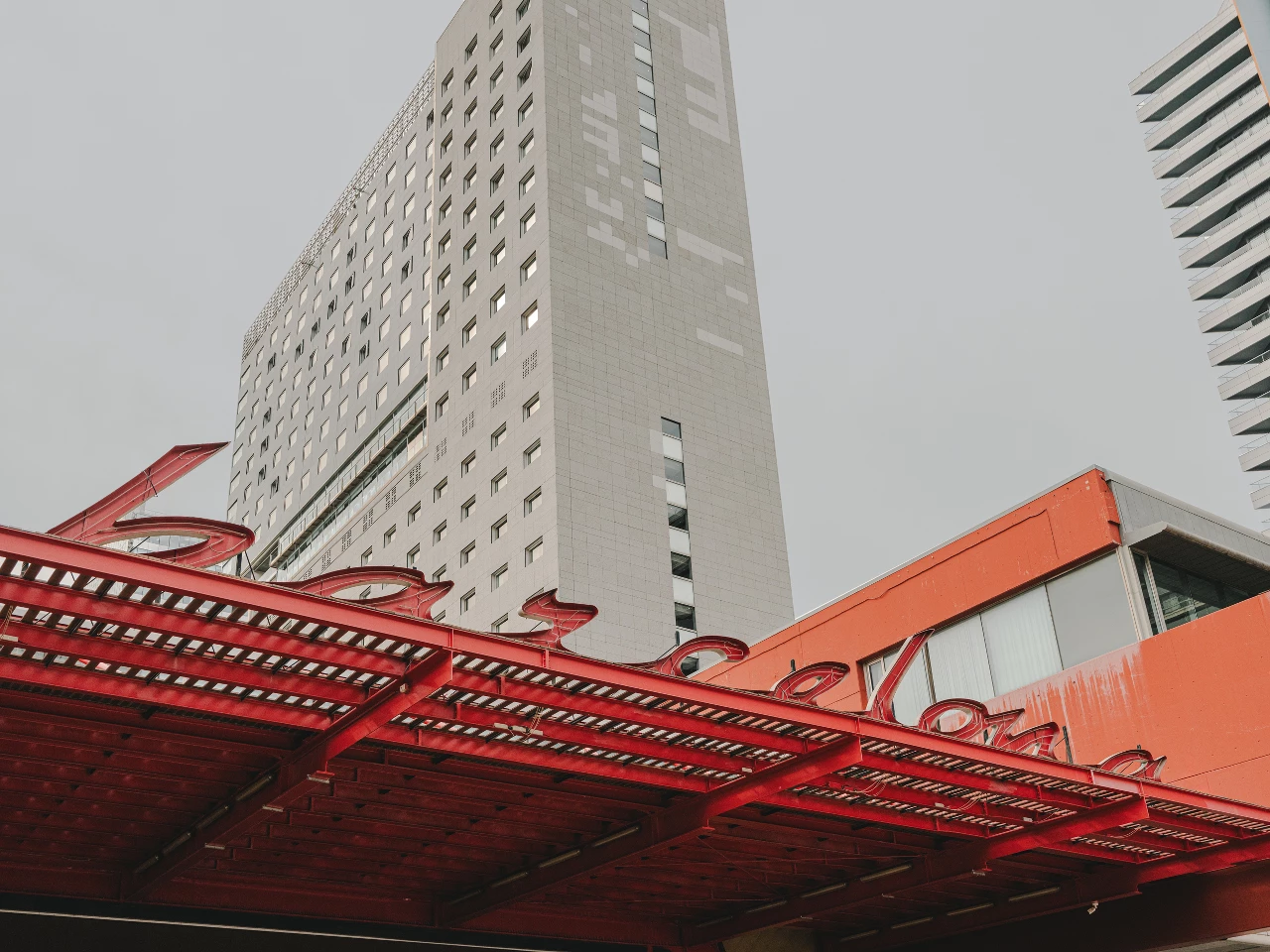
Hyatt Regency Barcelona Tower
A 105-metre high-tech skyscraper hotel, topped by a cantilevered geodesic dome and an exposed metal structure.

Mirador – Torre de Collserola
A public observatory atop Barcelona’s tallest telecommunications tower.

Centre de Convencions Internacional de Barcelona – CCIB
Venue for conferences and large-scale events, set in a contemporary building by the sea.
Estació de metro L9 Europa-Fira
Deep-level metro station arranged around a circular shaft with stacked tracks and exposed structure.

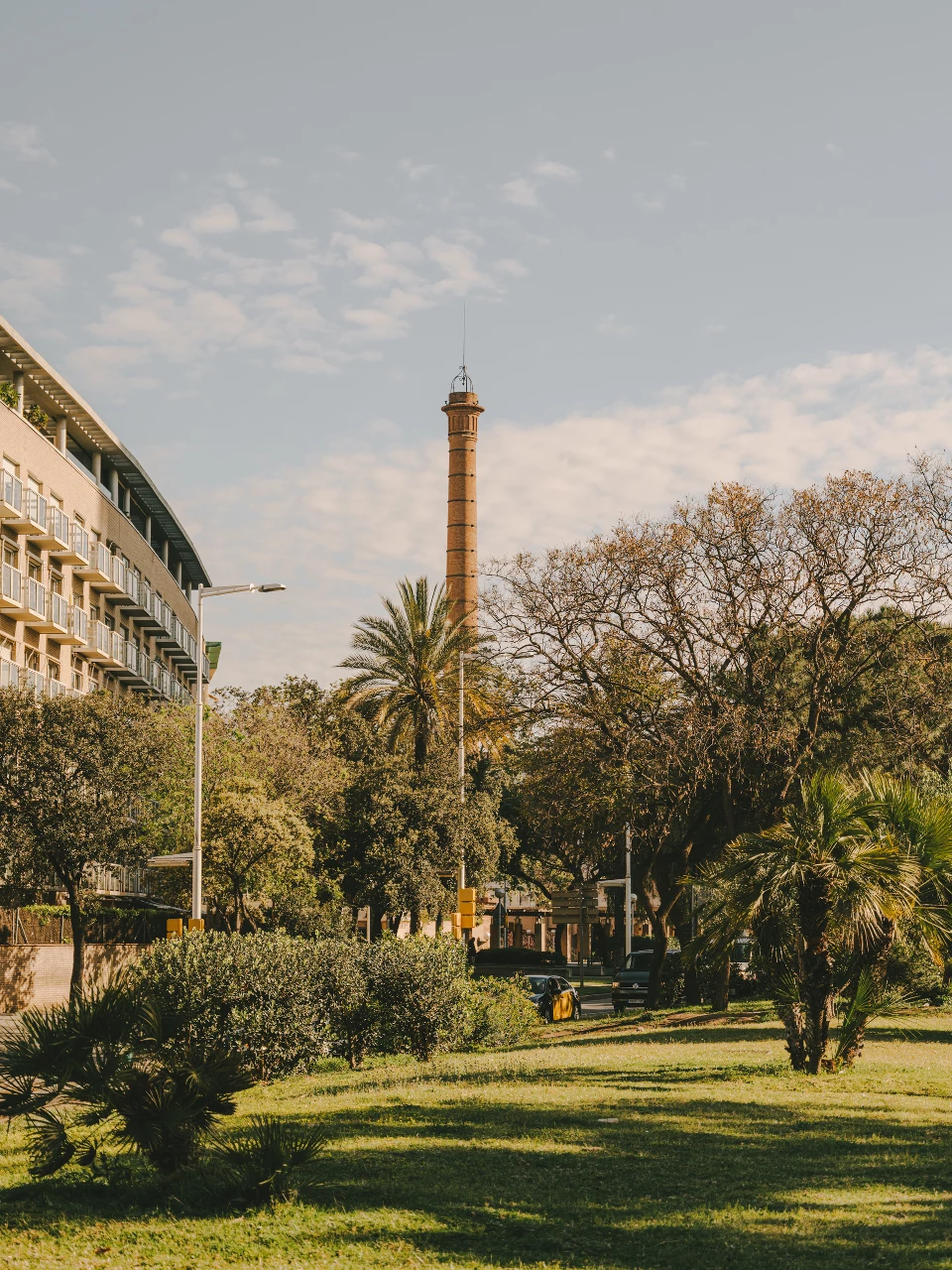
Museu del Disseny de Barcelona
A museum dedicated to decorative, textile and graphic arts, with a varied programme of temporary exhibitions.
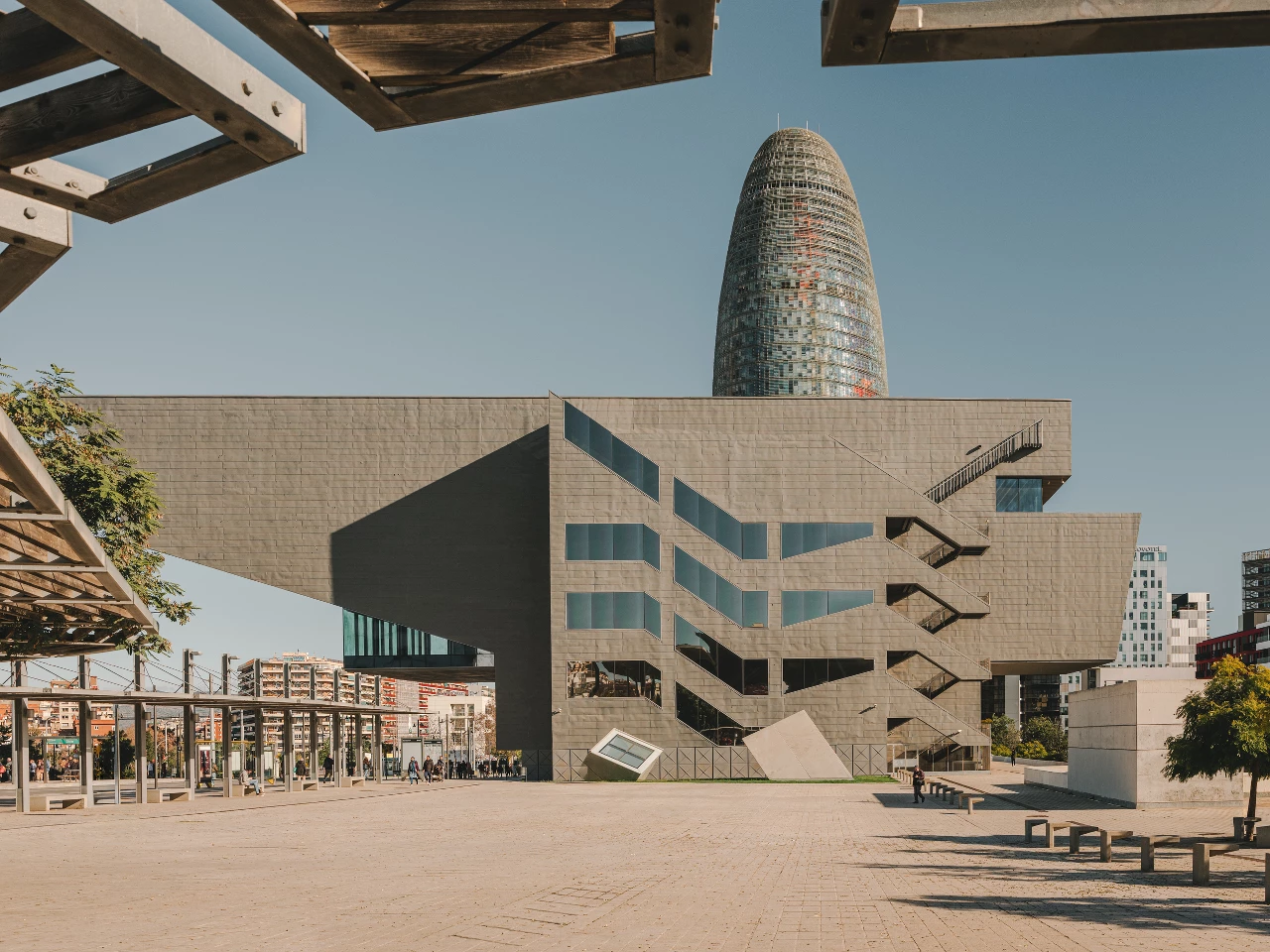
Palau de Congressos de Catalunya
Congress centre designed to host large-scale events, a benchmark of Catalan modern architecture.

Central telefònica de la Vila Olímpica
A telecommunications building of striking geometry, designed to house a telephone exchange in the Vila Olímpica.

Escola Massana
A cutting-edge building distinguished by a handcrafted ceramic façade and a fragmented structure that reshapes the urban landscape of El Raval.

Port Vell
The oldest part of Barcelona’s port, now a waterfront area for leisure, culture and maritime activities.
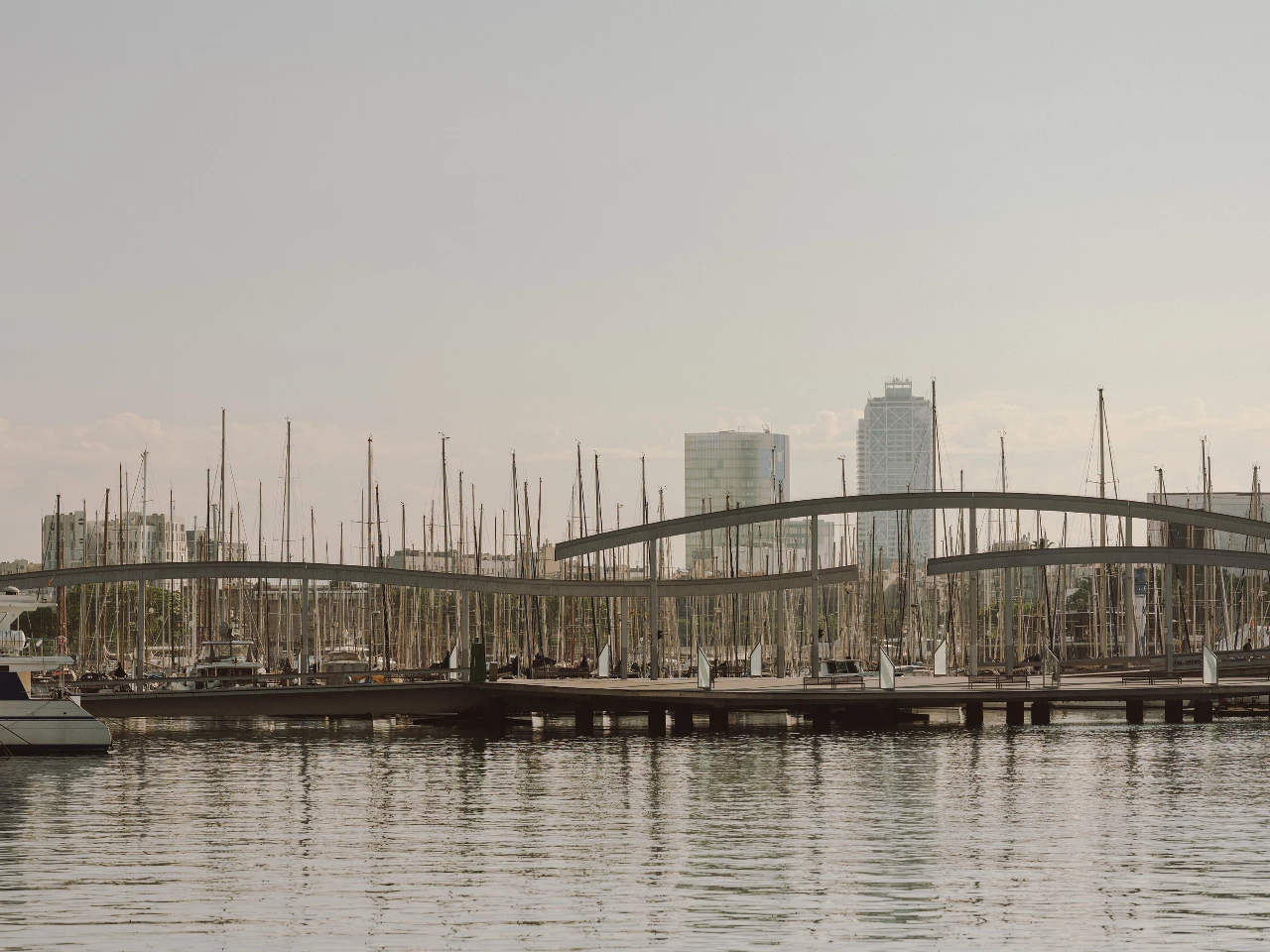
Centre metereològic territorial de Catalunya
Cylindrical building constructed for the 1992 Olympic Games, intended for meteorological functions in the Olympic Village.
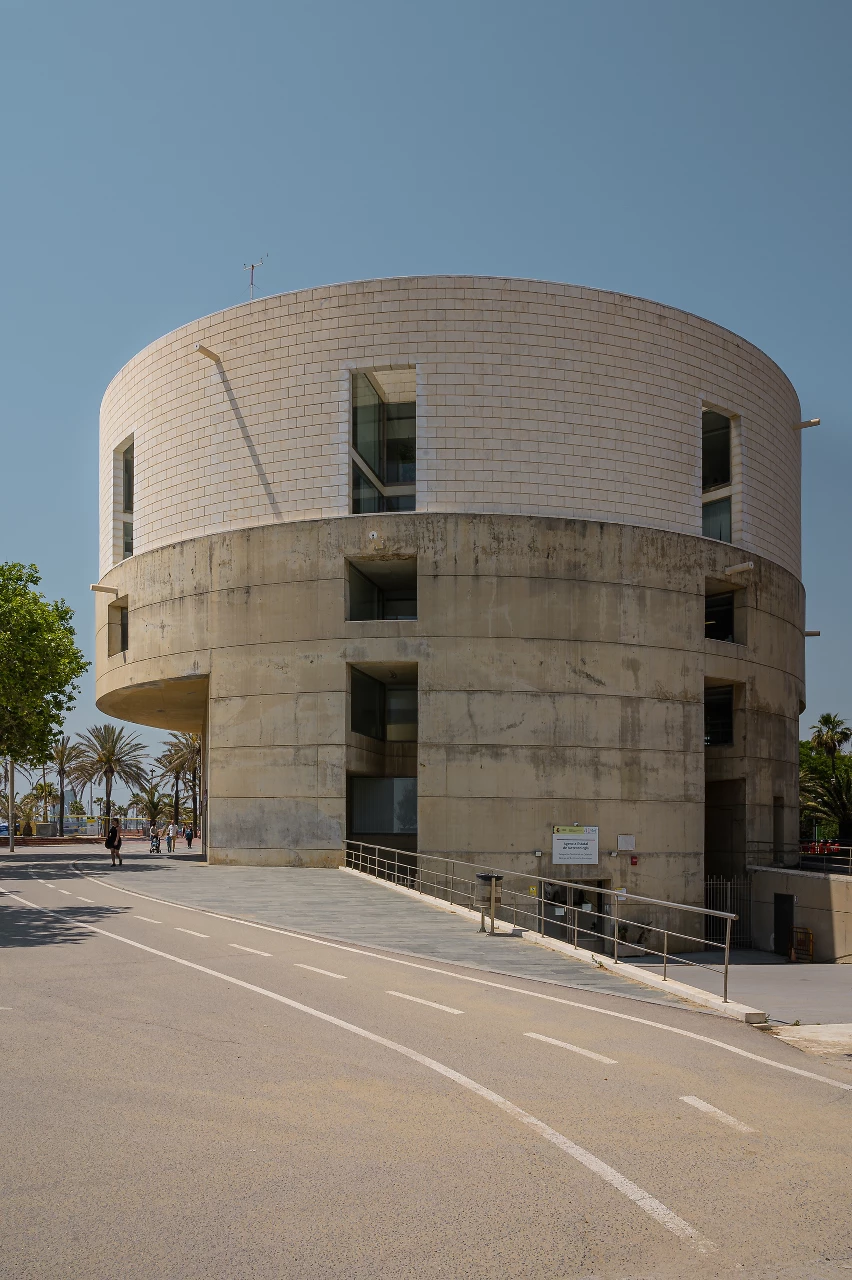
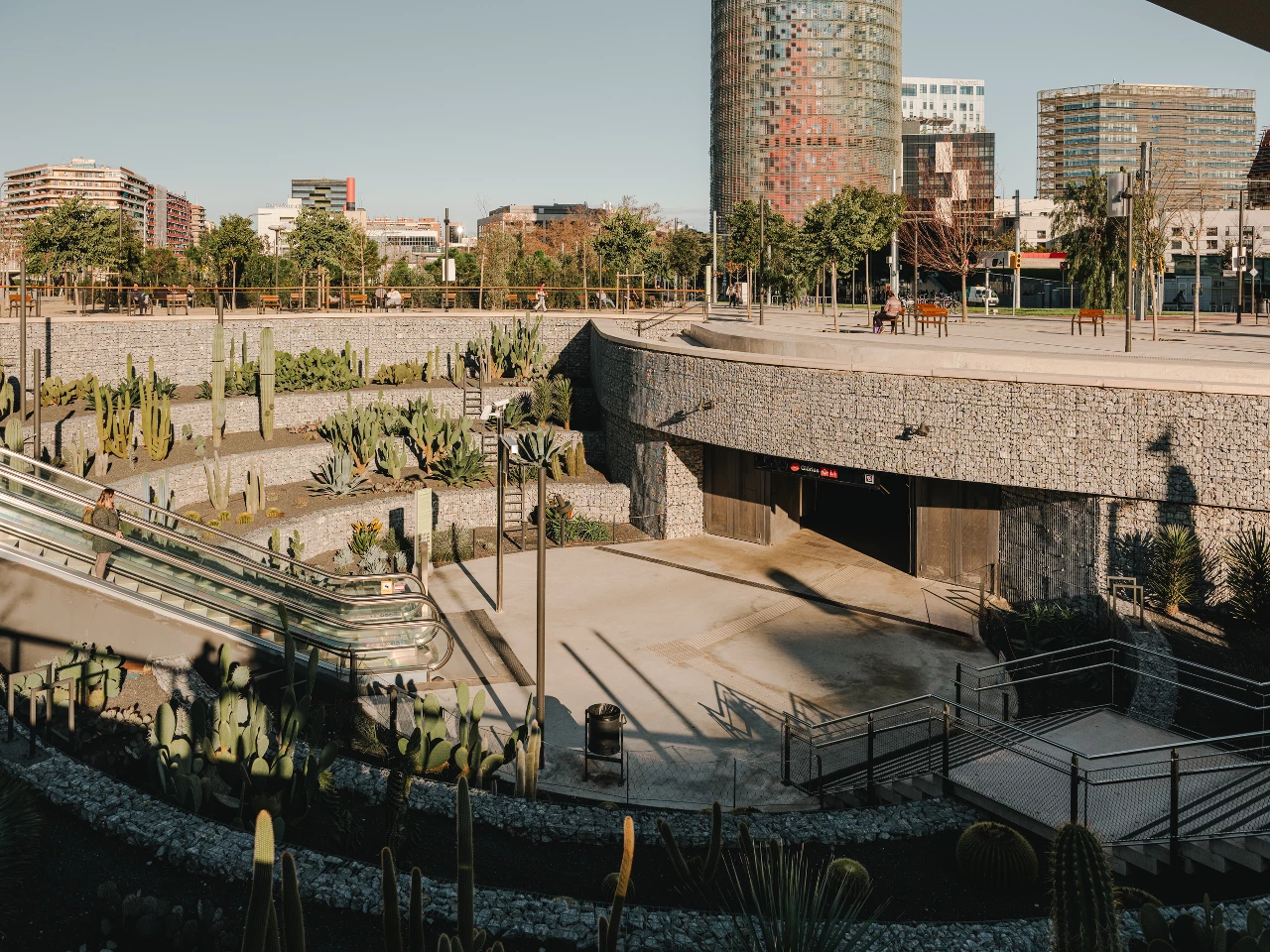
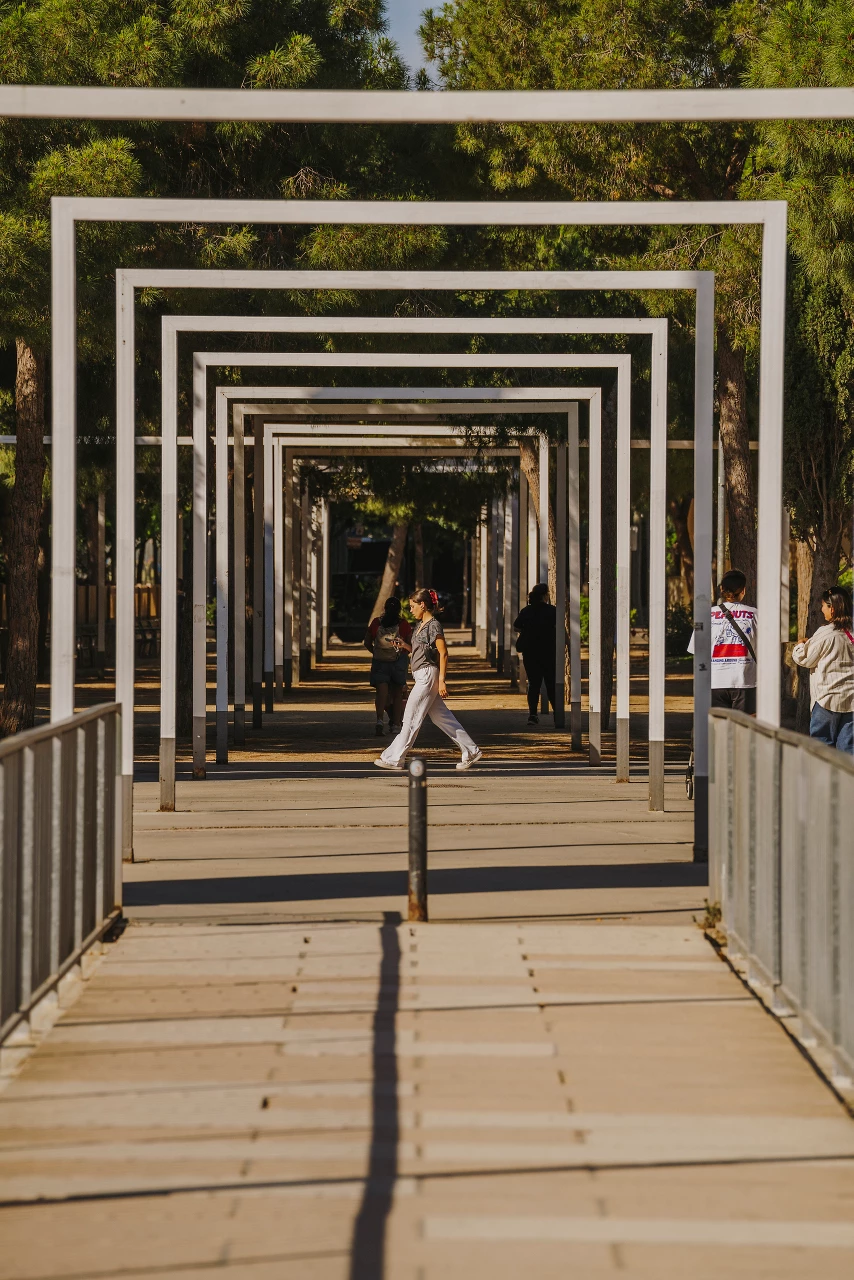
Parc de les Glòries
A large public space at the junction of Gran Via, Diagonal and Meridiana, where biodiversity is nurtured and a wide range of leisure options is available.
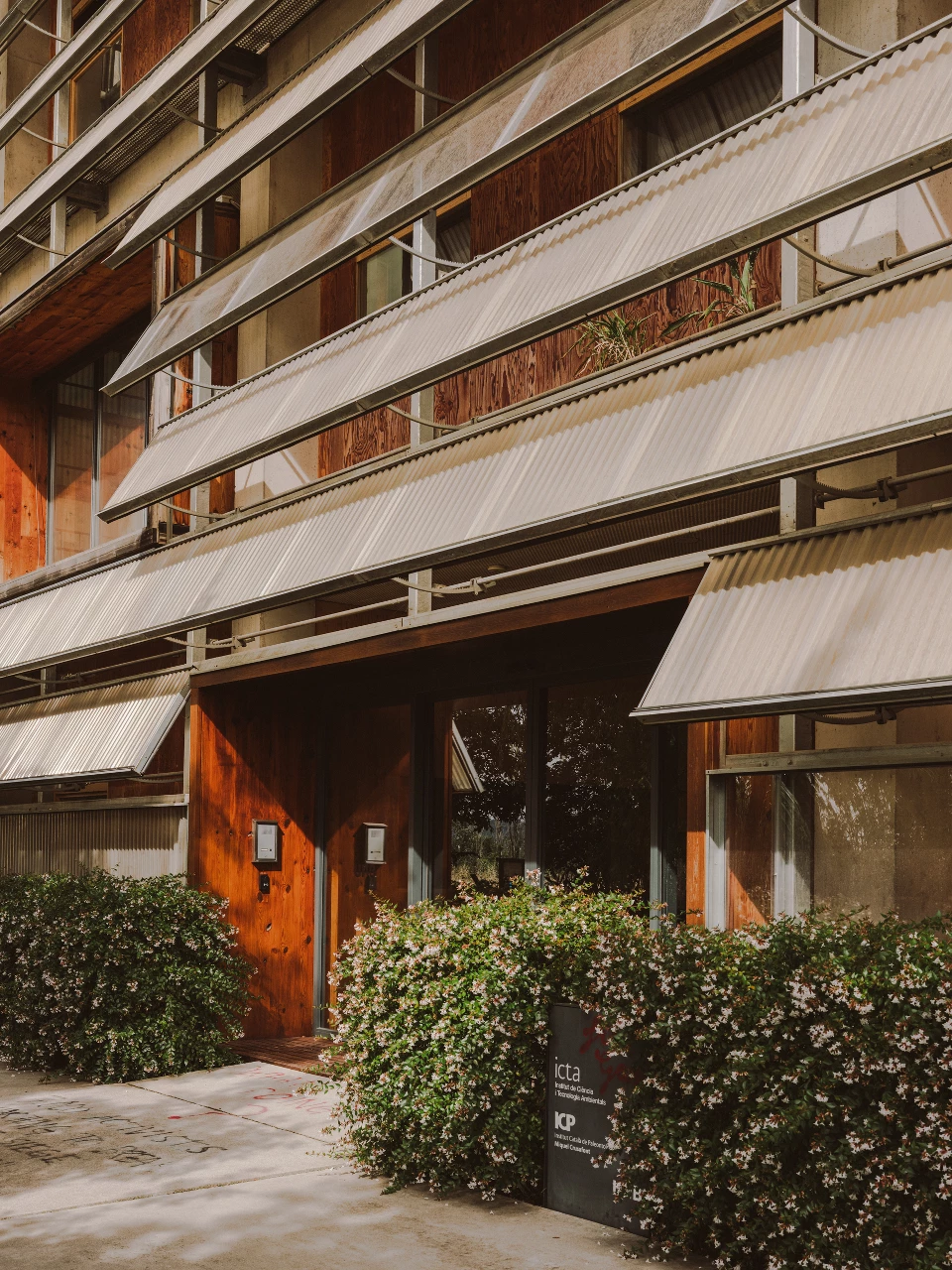
Institut de Ciència i Tecnologia Ambientals (ICTA-UAB)
Low-impact greenhouse building designed as a university facility with passive climate control systems.
Hotel Porta Fira
113-metre skyscraper hotel with organic design, conceived by Toyo Ito next to the Fira de Barcelona complex.

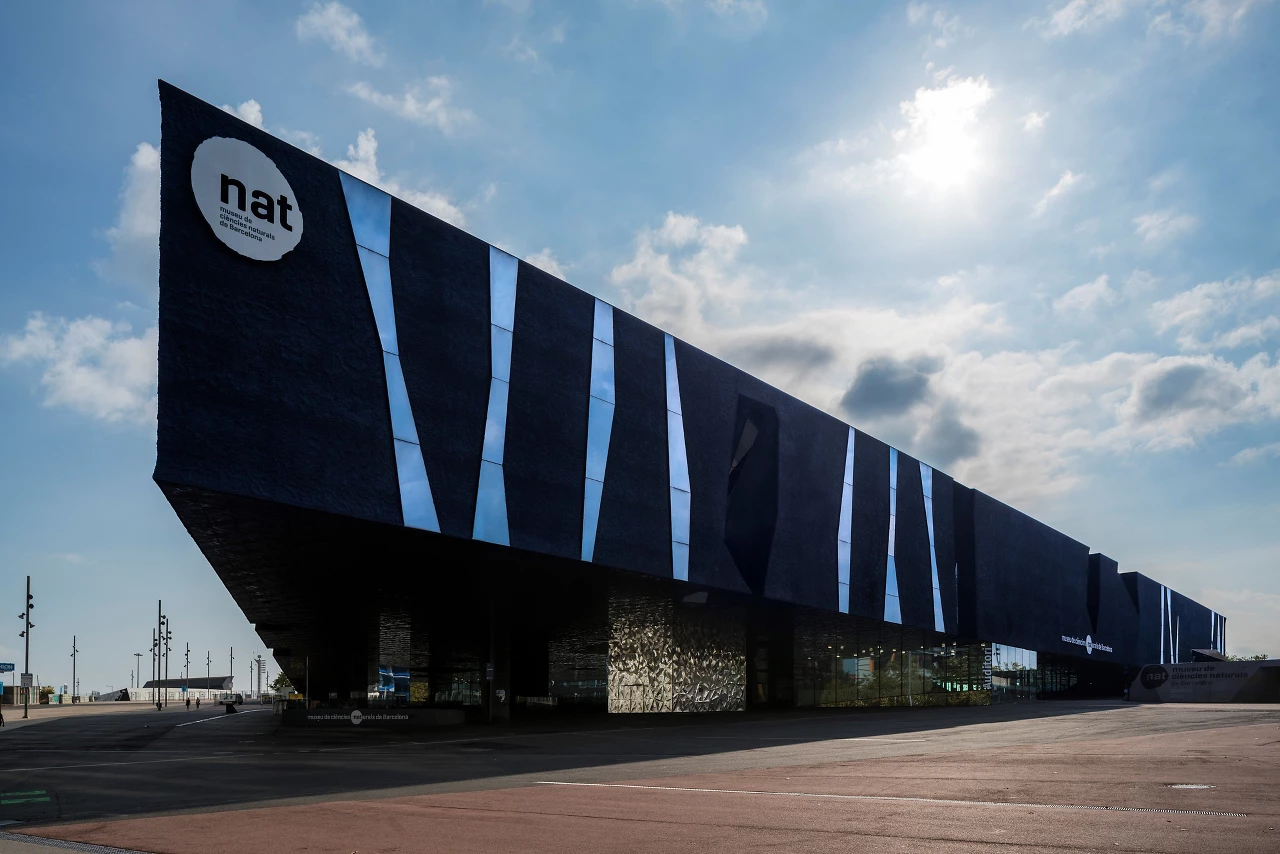
Edifici Fòrum
Blue triangular prism, a landmark of 21st-century architecture and home to the Museu de Ciències Naturals de Barcelona.
Filmoteca de Catalunya
Institution dedicated to preserving and promoting the film heritage, housed in a concrete building inspired by brutalist architecture.


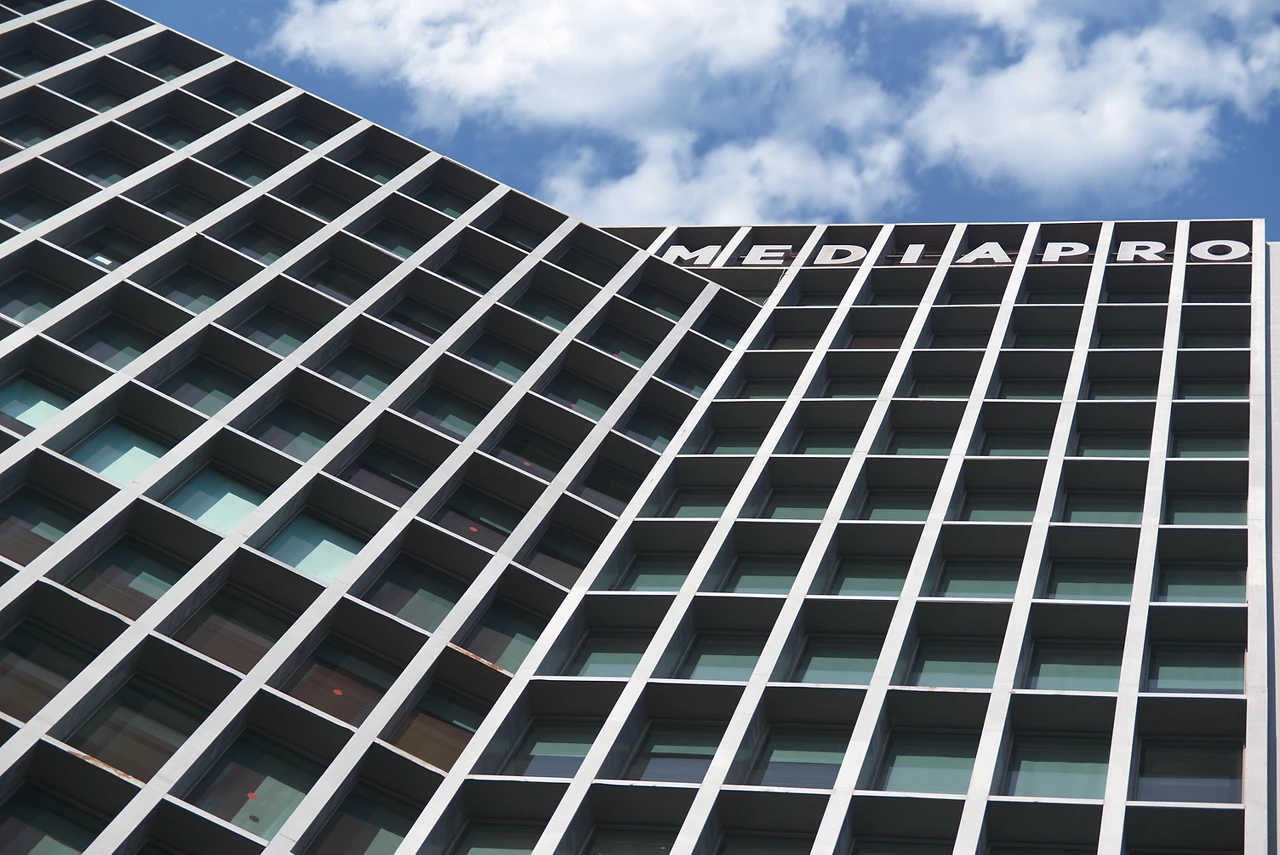
Edifici Mediapro
An 18-storey office building in the 22@ district, designed for audiovisual production and characterised by its steel structural exoskeleton.