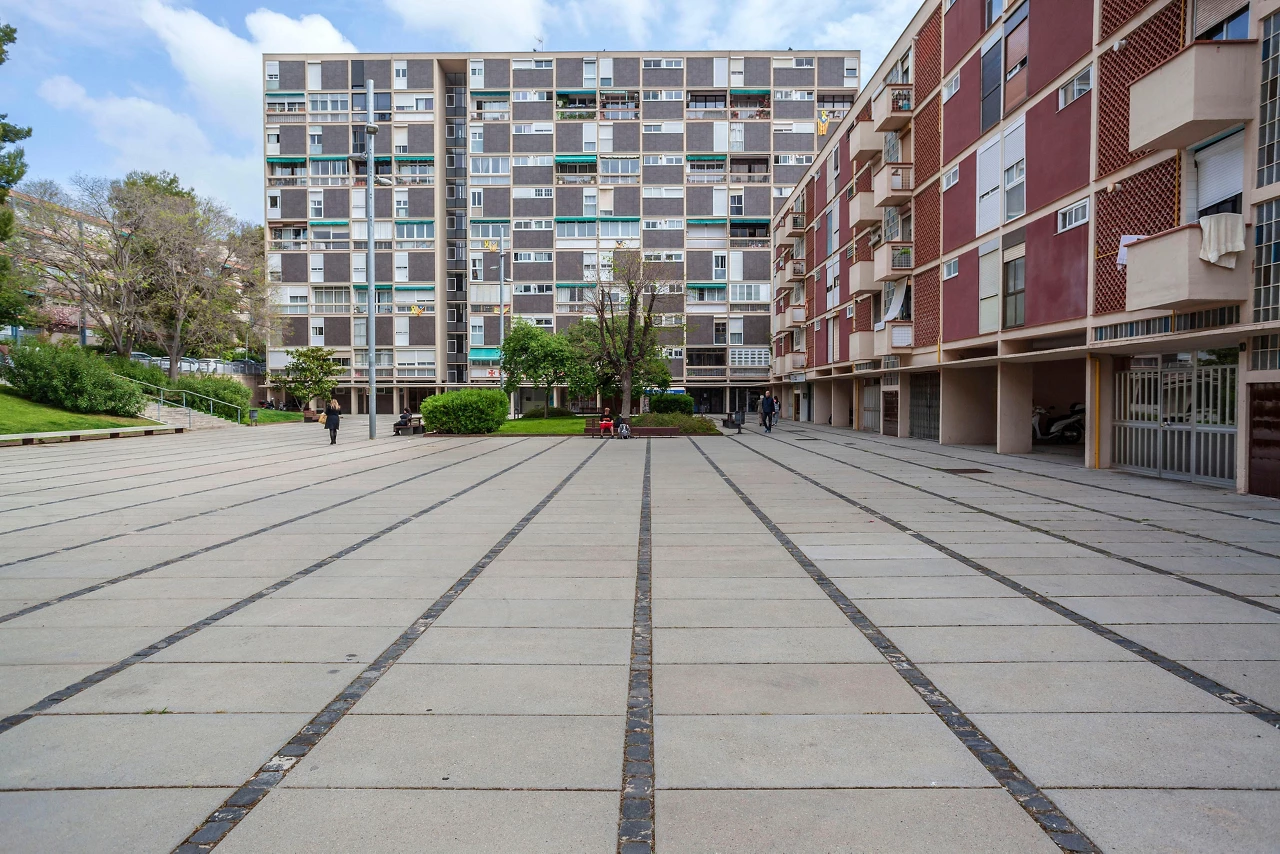
Polígon Montbau
A collective housing complex of detached, orthogonal blocks arranged to maximise light, ventilation and connection with the natural surroundings.
Casa Bruno Cuadros
A modernista façade with Oriental touches, recalling its past as a century-old umbrella shop.

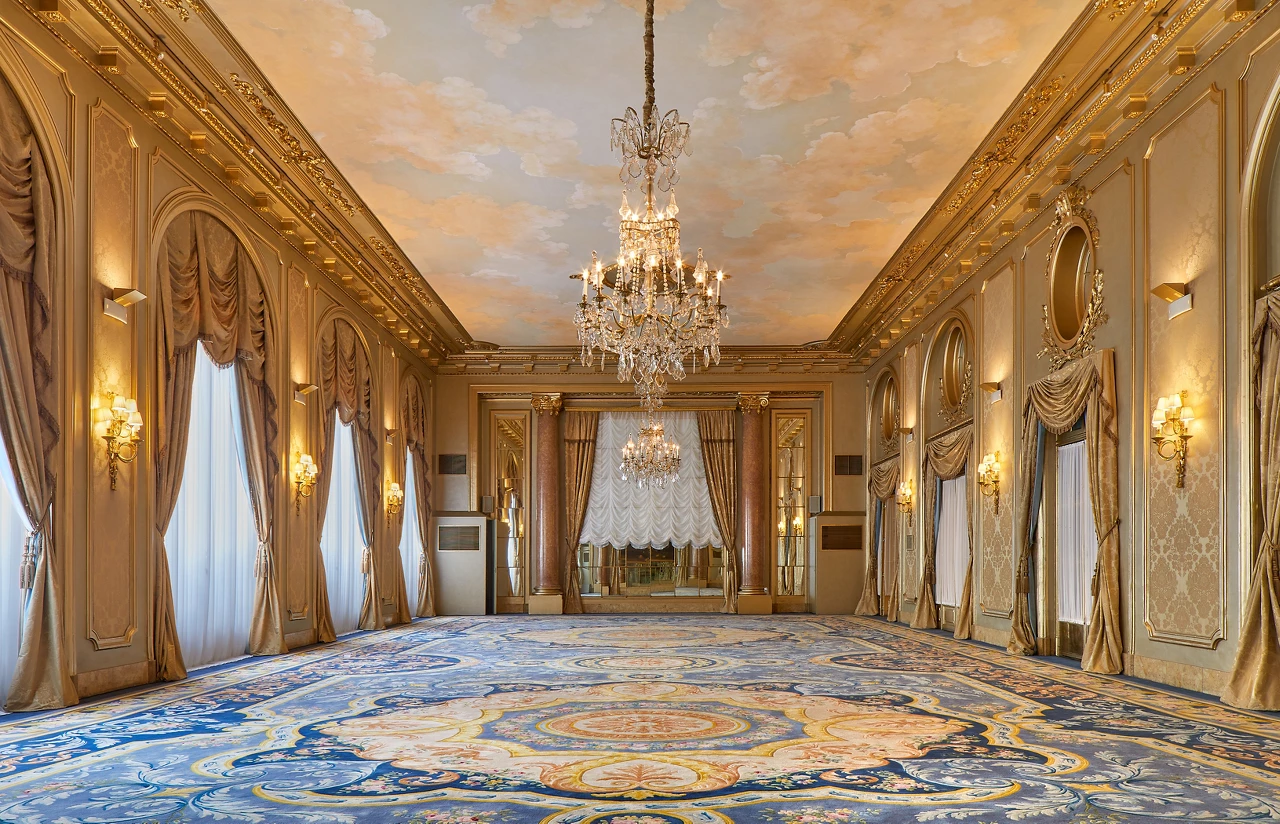
Hotel Palace
A historic five-star hotel inspired by classical architecture, featuring one of the most iconic rooftop gardens in central Barcelona.
Palau Baró de Quadras
A modernista mansion by Josep Puig i Cadafalch with two very different façades.

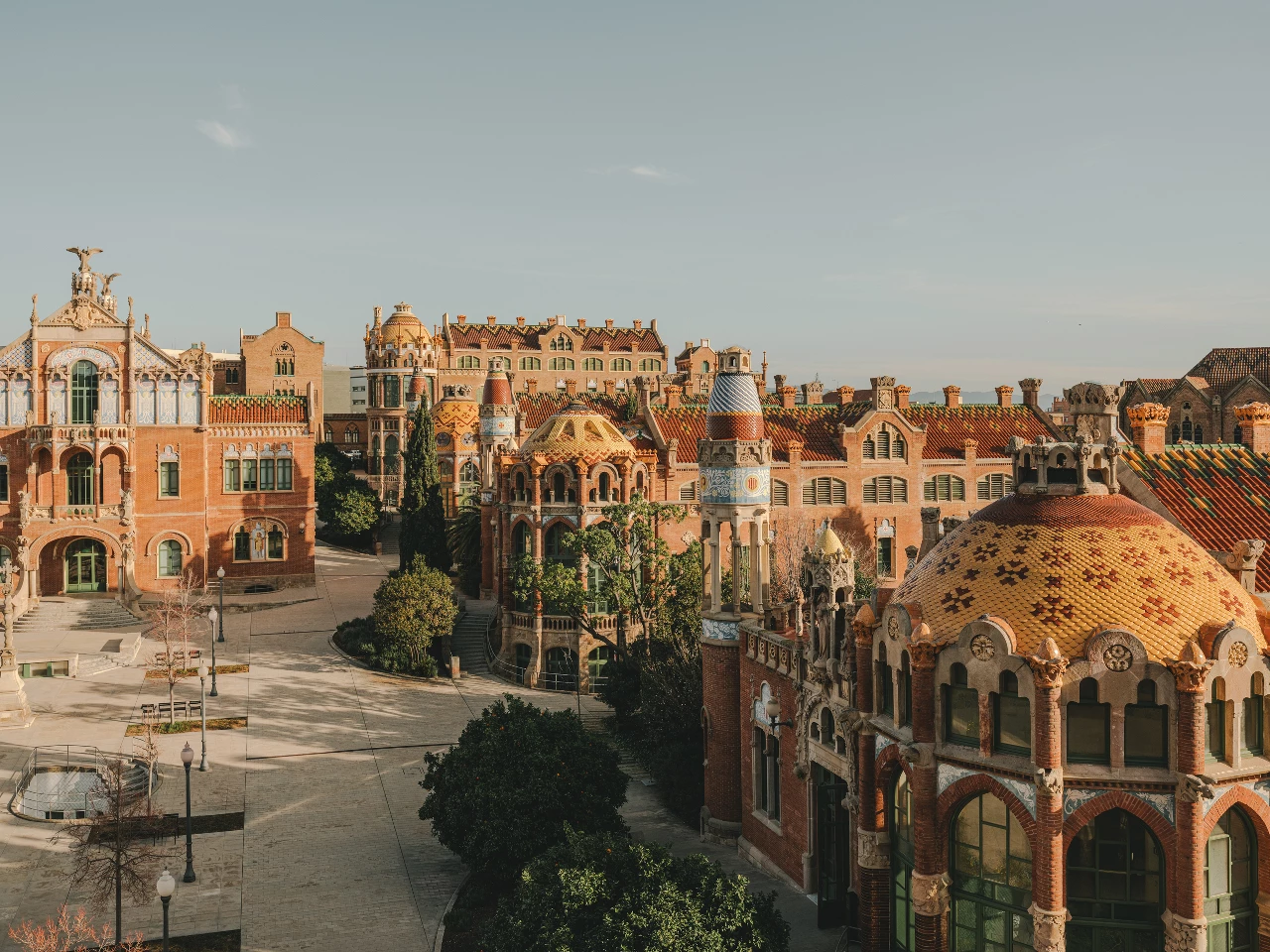
Sant Pau Recinte Modernista
A modernista hospital complex from the early 20th century, repurposed as a space for culture and knowledge.
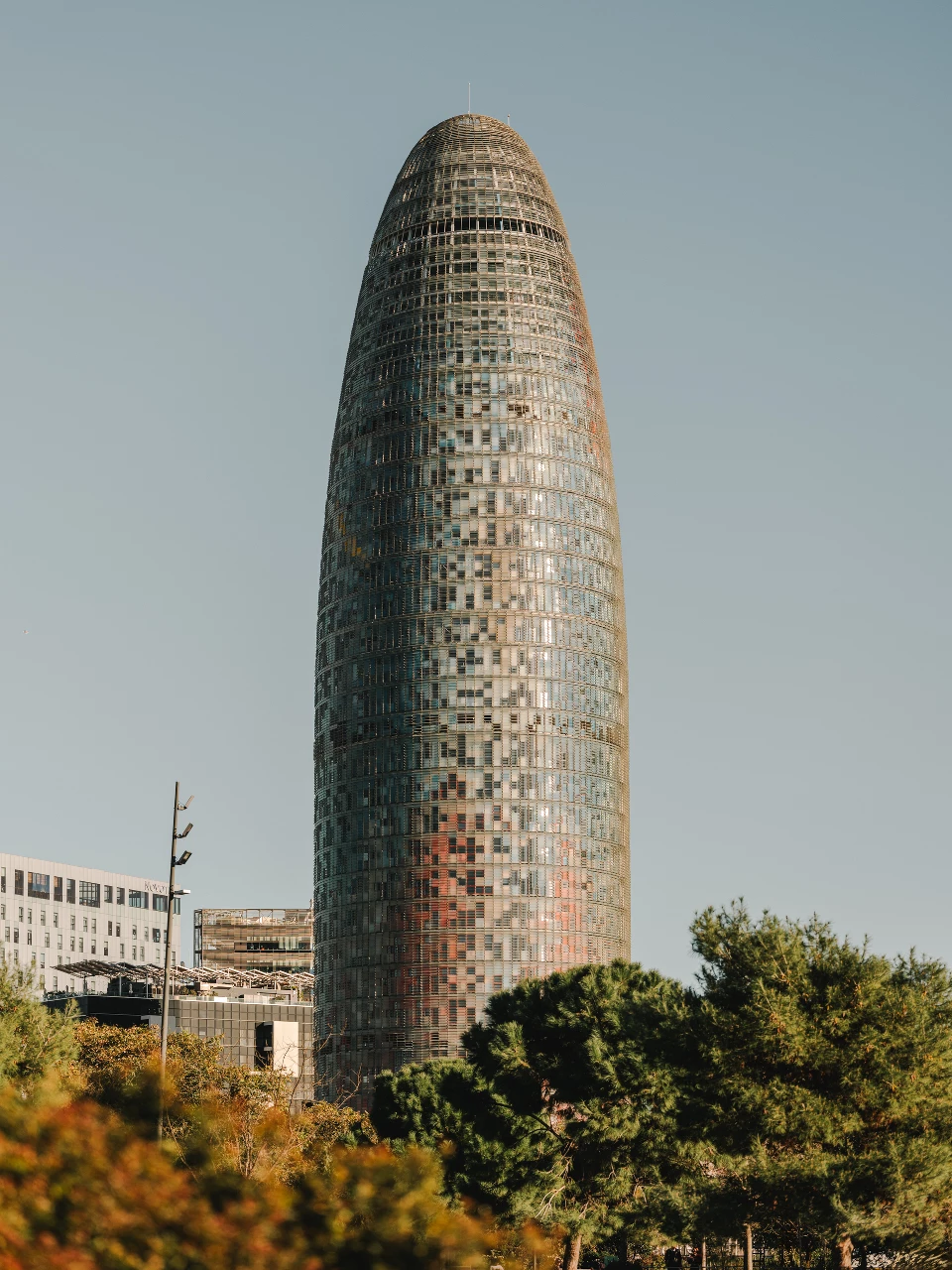
Torre Glòries
A tower rising over 140 metres, home to offices and a public viewpoint, its colours shifting across the façade.
Edificis Trade
A group of four office towers, an icon of Catalan modern architecture and the developmental era.
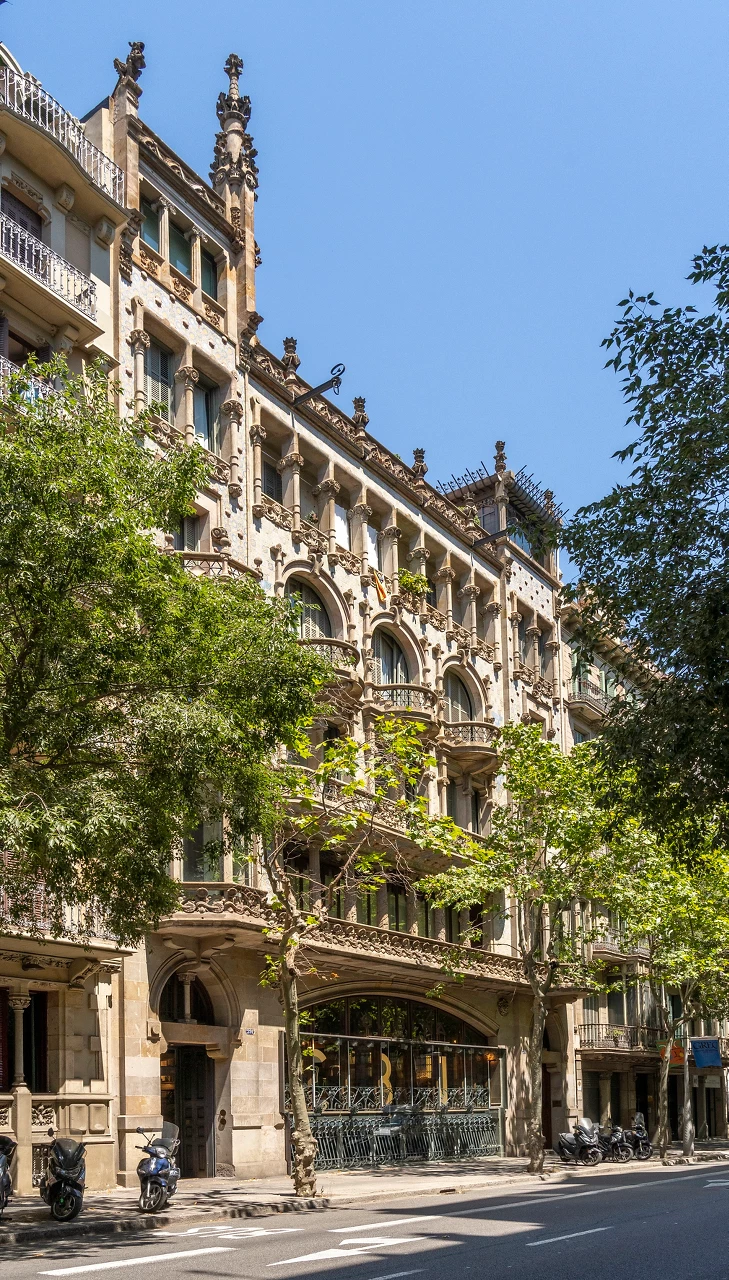
Casa Thomas
This building, at the heart of the Eixample district, displays some of the most authentic features of Modernisme.
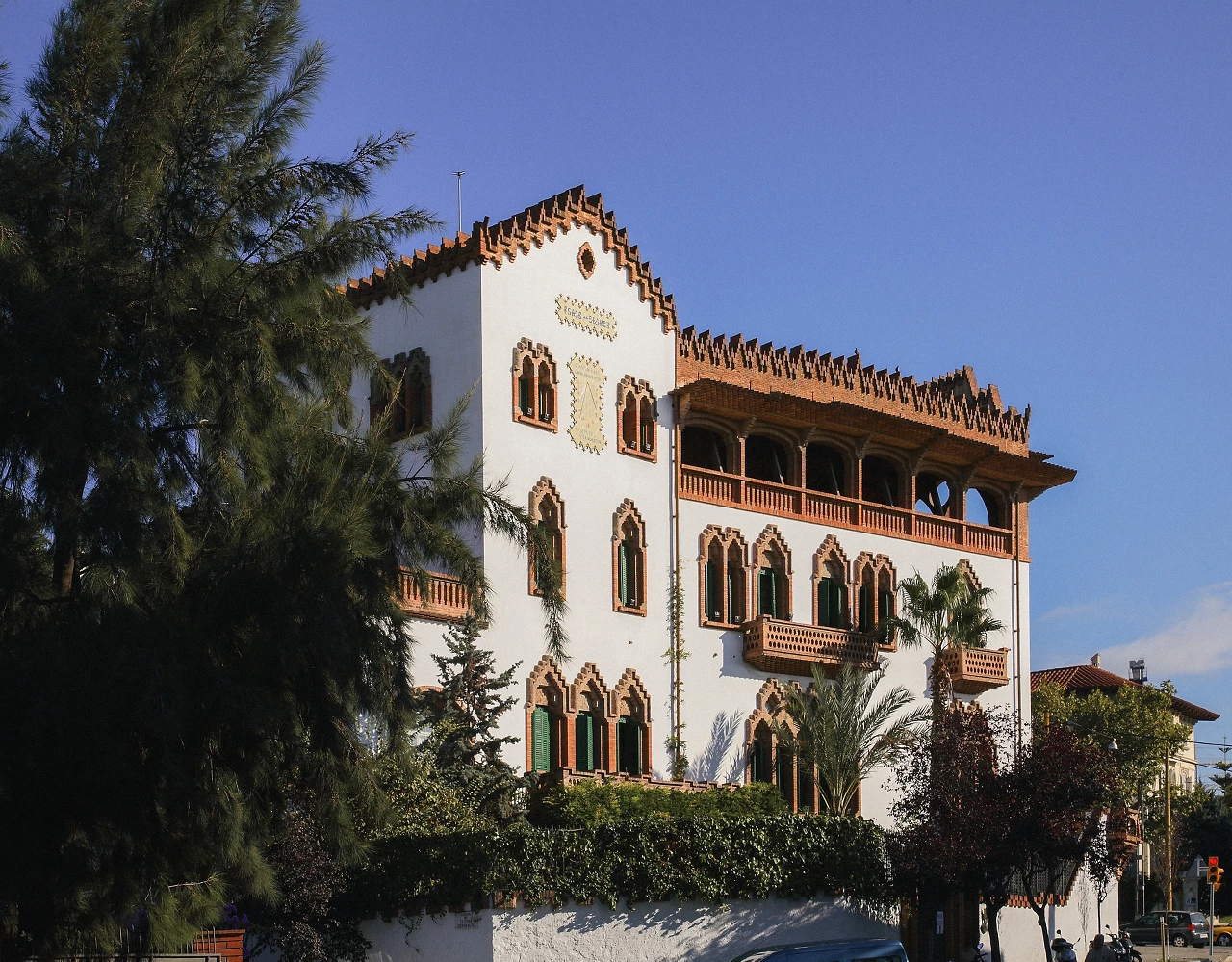
Casa Roviralta
Modernista mansion, popularly known as “El Frare Blanc” [“The White Friar”] standing on the elegant Avinguda del Tibidabo.
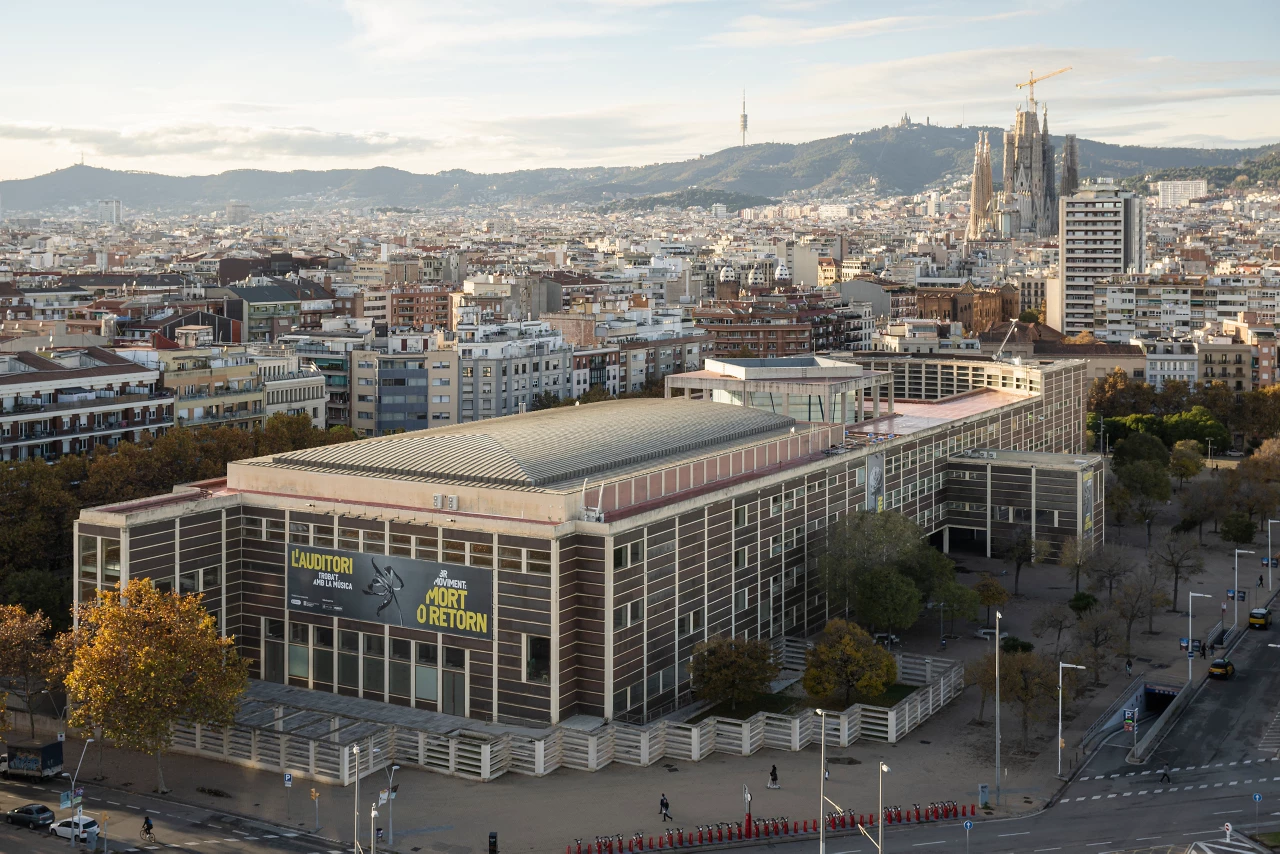
L'Auditori
A modern music venue with a programme spanning classical, early and contemporary works across four main halls.
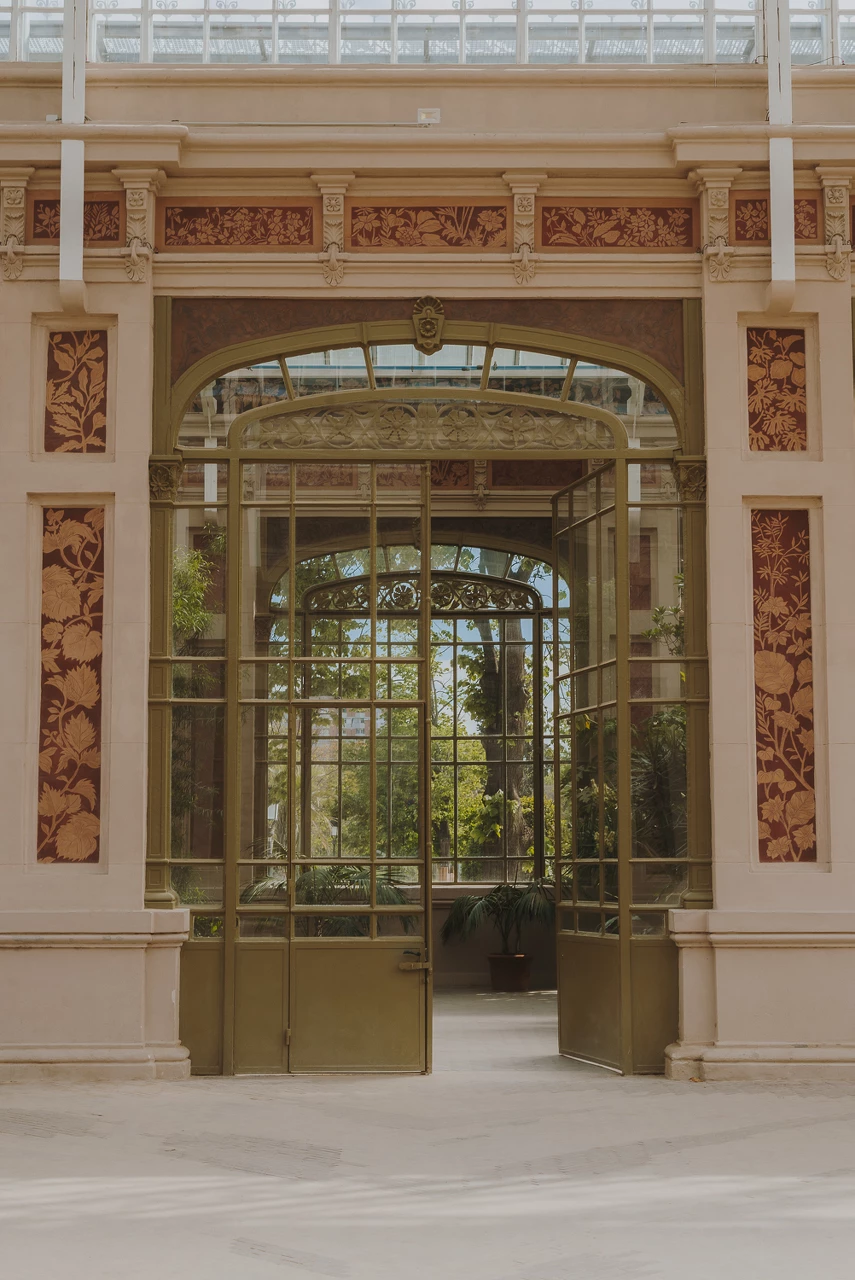
Castell de Montjuïc
A 17th-century military fortress at the top of Montjuïc, with open views over the port, the Mediterranean and the city.

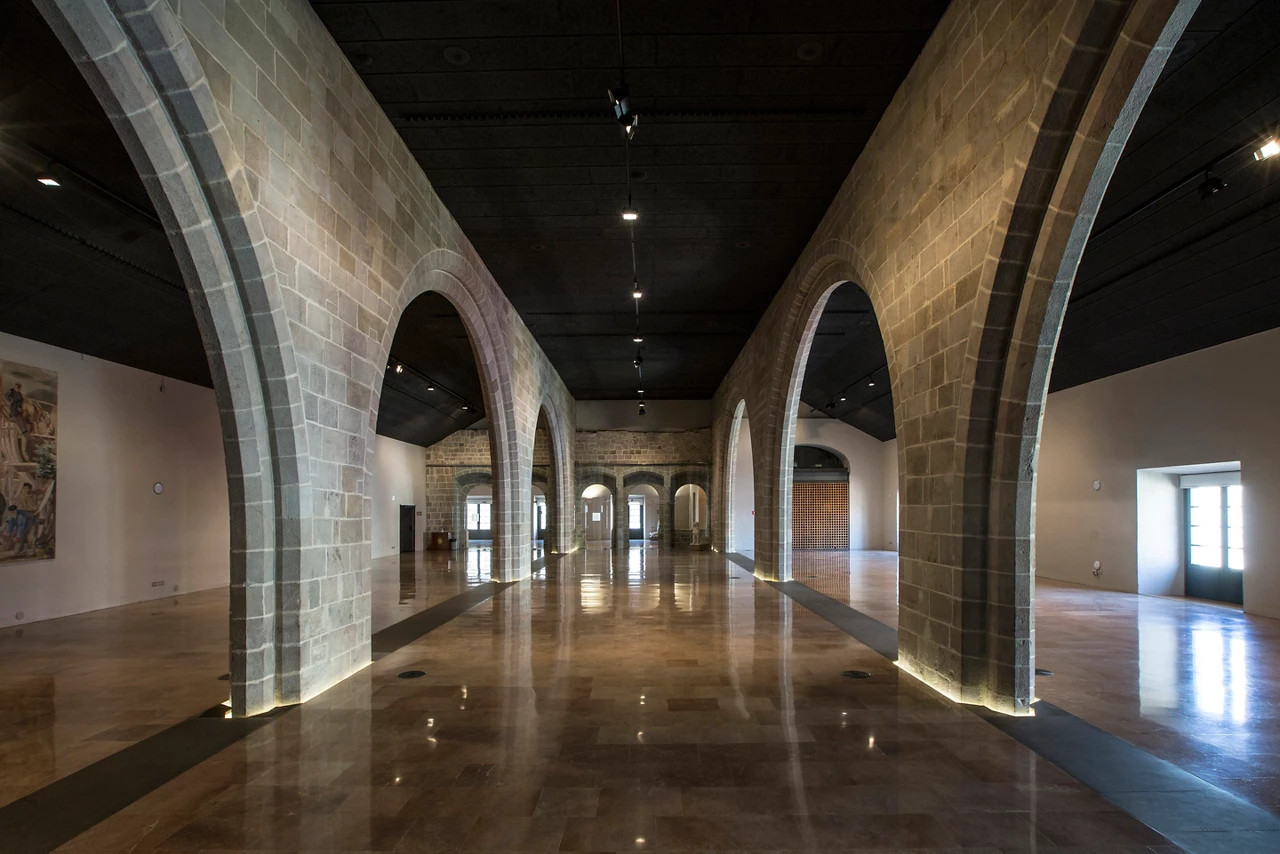
La Llotja de Mar
A monumental 18th-century building combining neoclassical and Gothic architectural styles, historically connected to maritime trade and the fine arts.
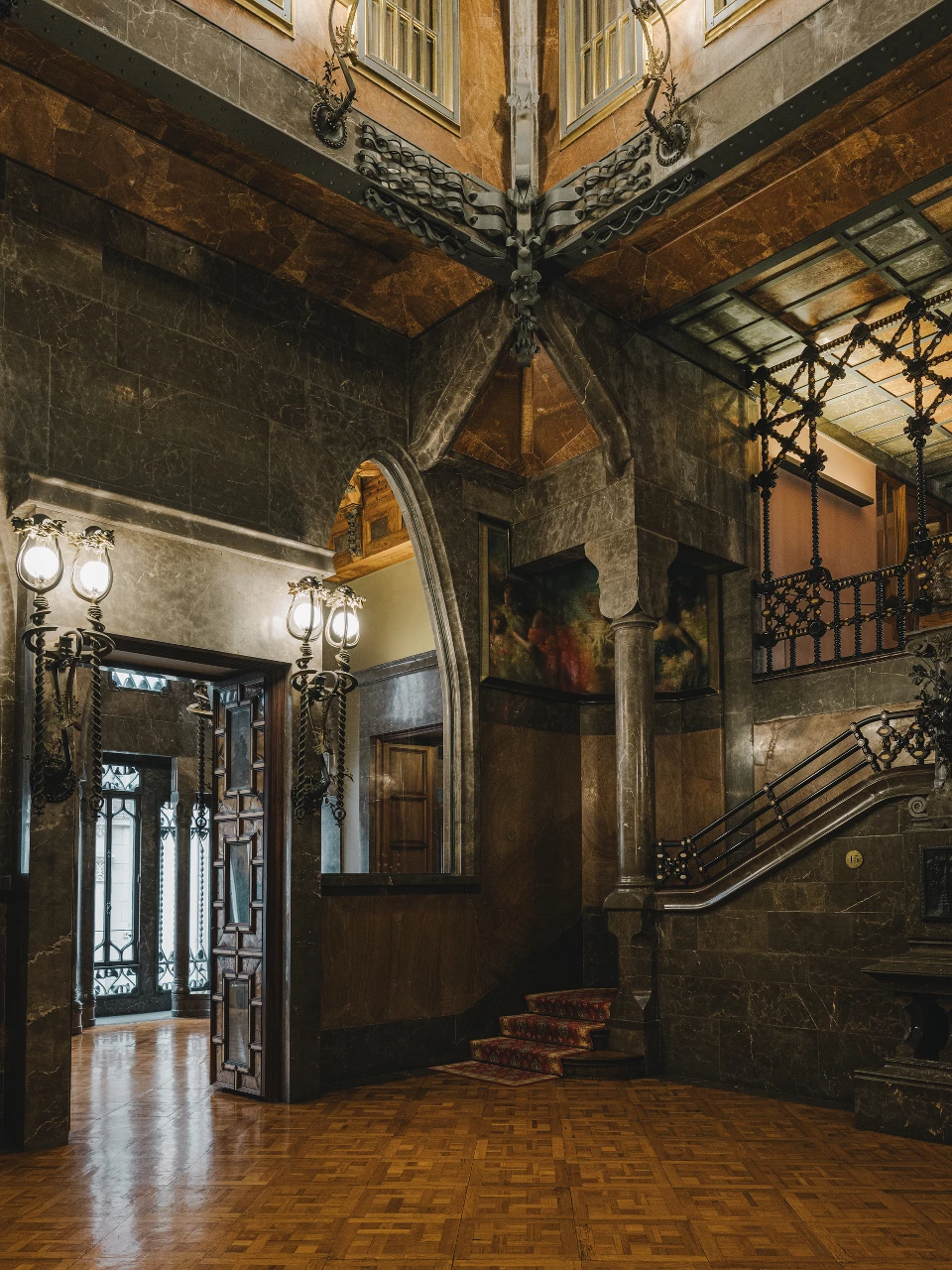
Palau Güell
A building with modernista interiors that preserves the former family residence designed by Antoni Gaudí for his patron, now a house-museum.
Casa de la Marina
A social housing building that merges rationalism with Mediterranean tradition through an iconic wooden lattice façade.

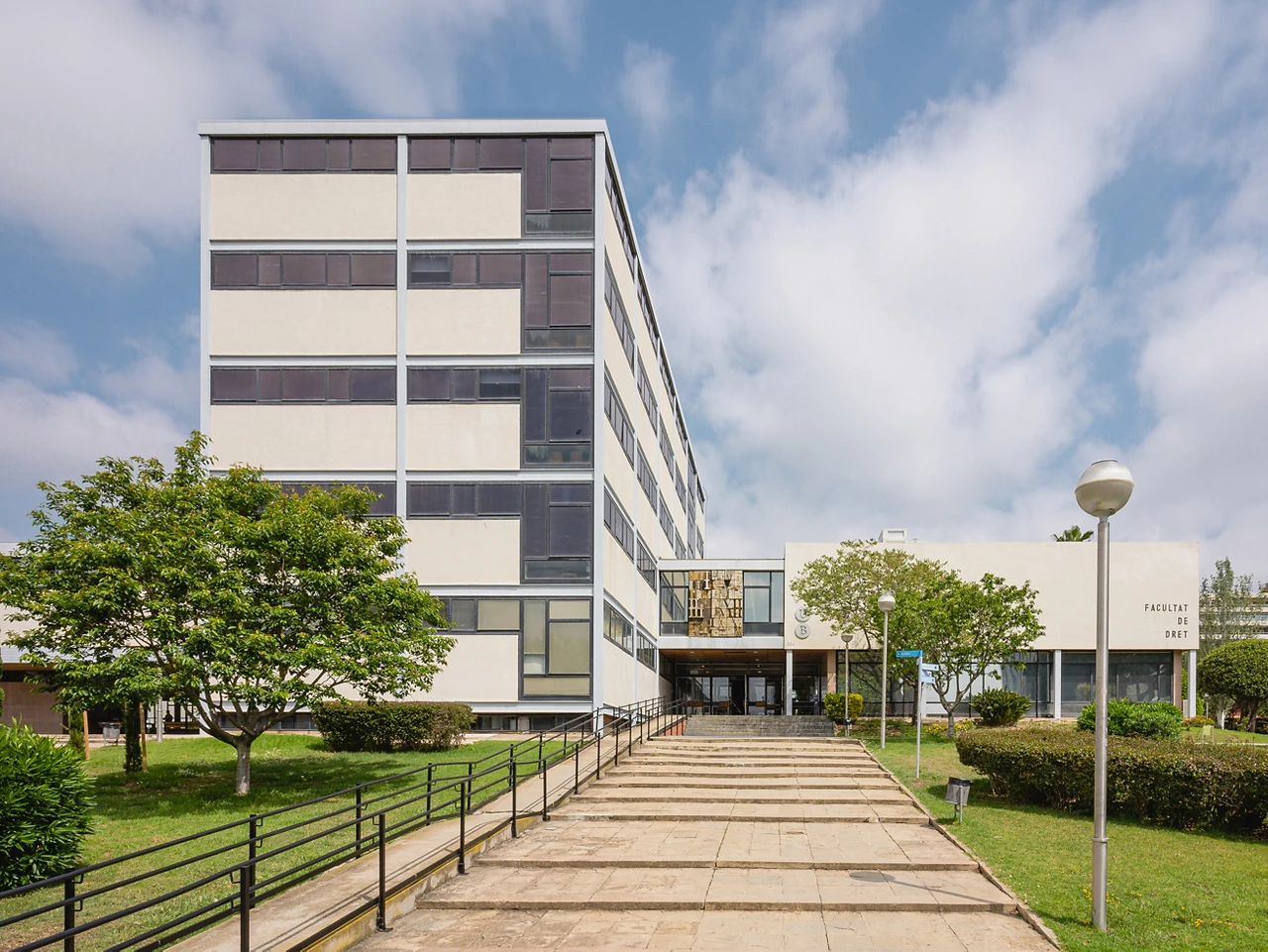
Facultat de dret
A benchmark of modern rationalism in Barcelona, awarded for its functional design in steel, glass and modular structures.
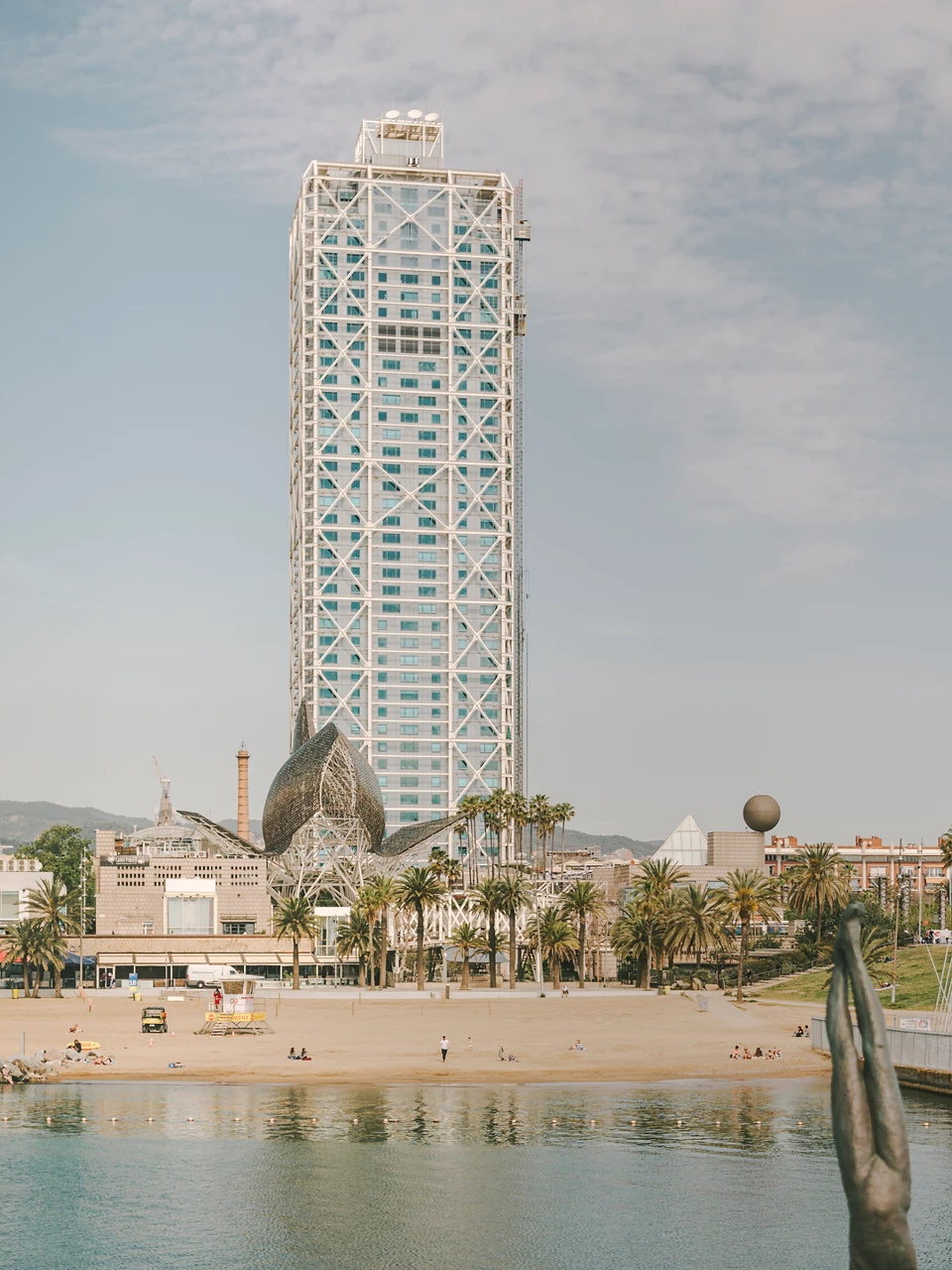
Hotel Arts
A skyscraper known for its steel-and-glass design, contemporary art collection and its setting by the sea.
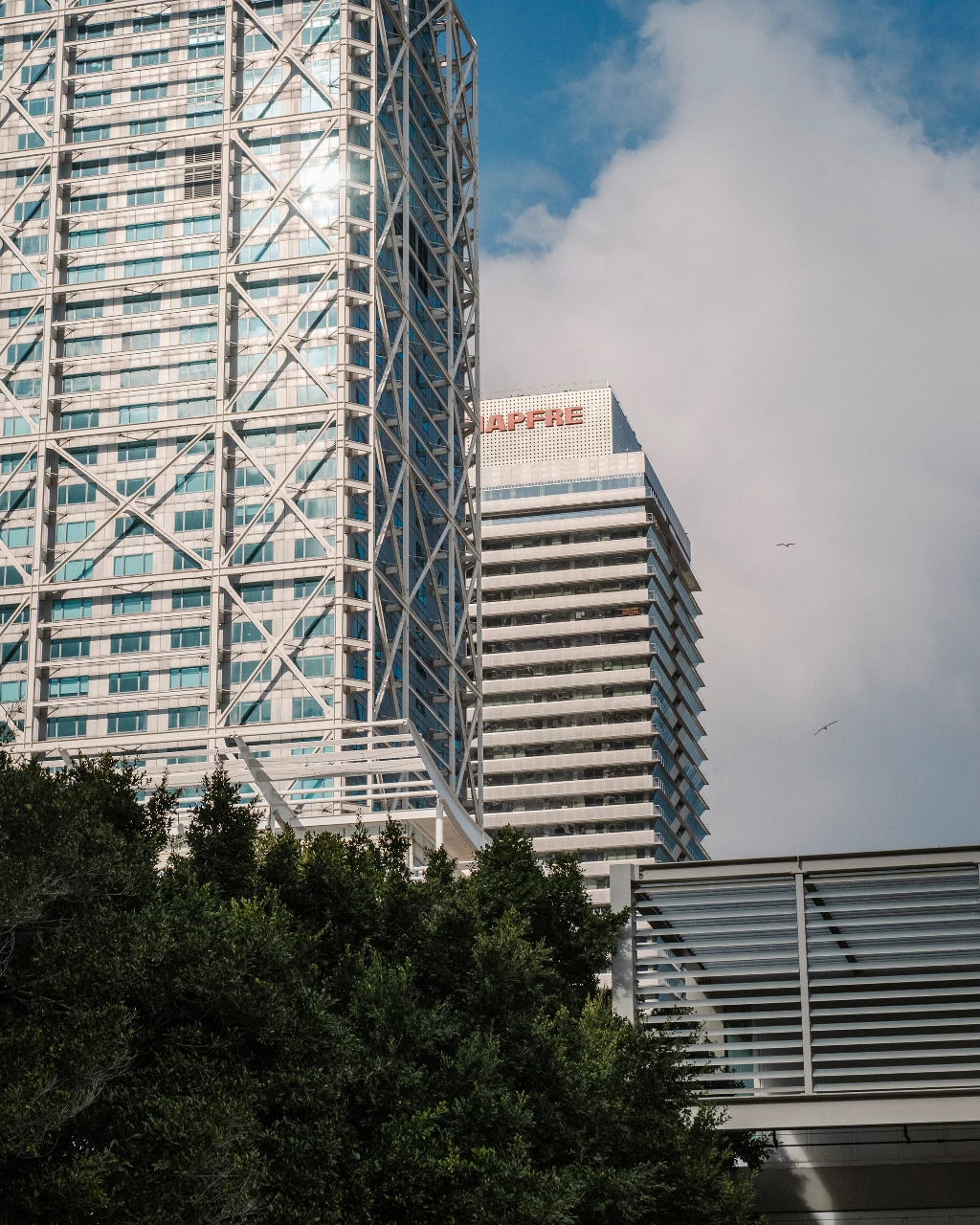
Torre Mapfre
One of the city’s most recognisable skyscrapers, built for the 1992 Olympic Games, with 40 floors of glass and aluminium.
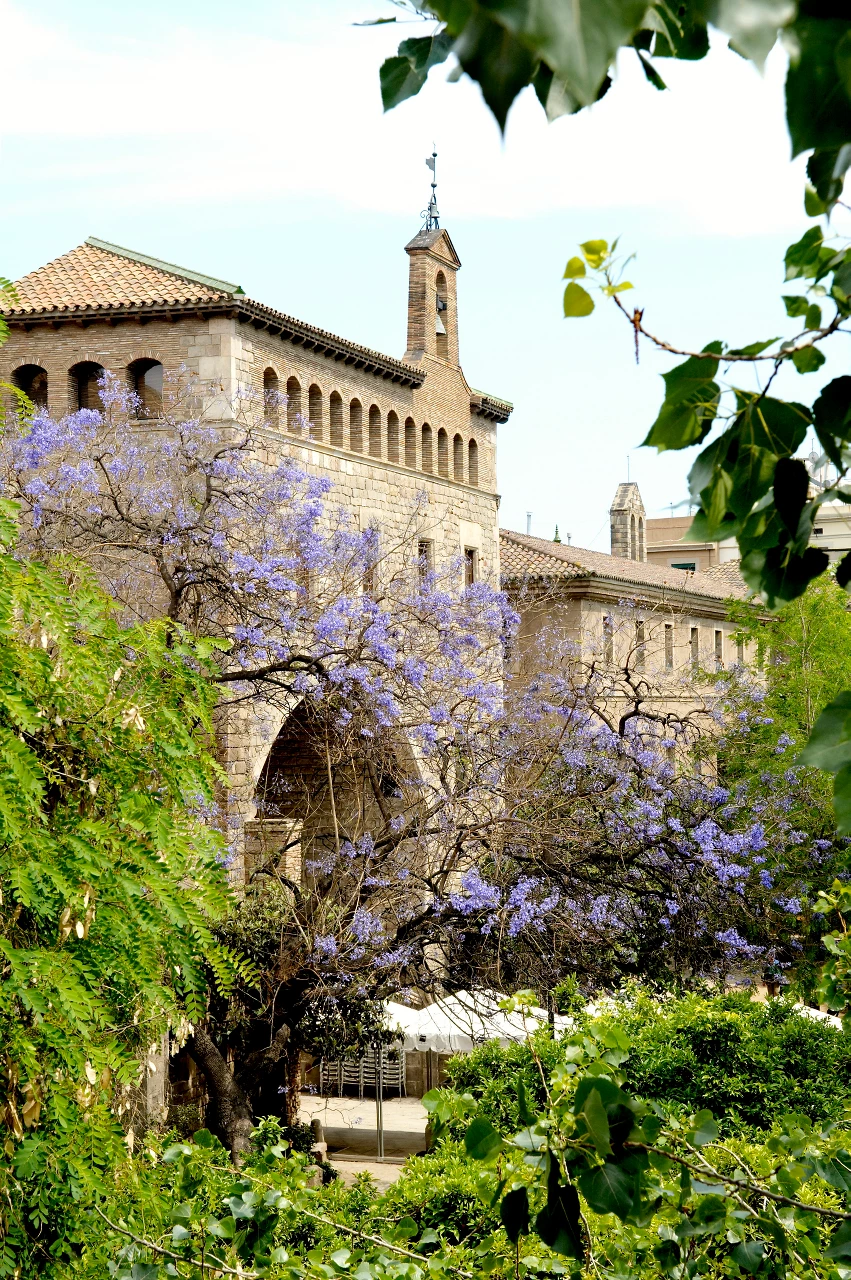
Former Hospital de la Santa Creu
A former Gothic hospital, now hosting cultural institutions, set among centuries-old courtyards and arches in the heart of the Raval.
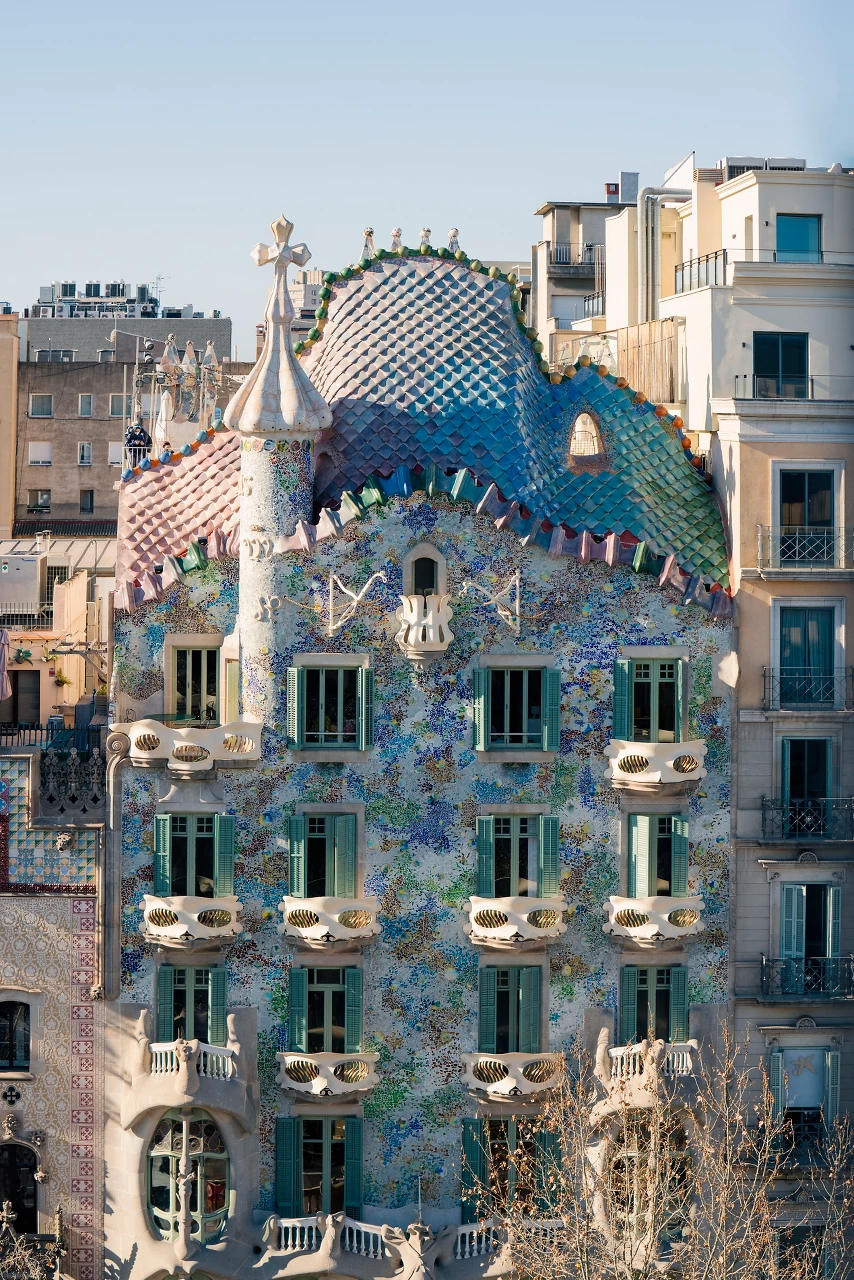
Casa Batlló
An icon of Catalan Modernisme and a key work by Gaudí, included on the UNESCO World Heritage list since 2005.
Ciutat de la Justícia
Complex of independent volumes in varying colours and heights, centralising the judicial activity of Barcelona and L’Hospitalet de Llobregat.

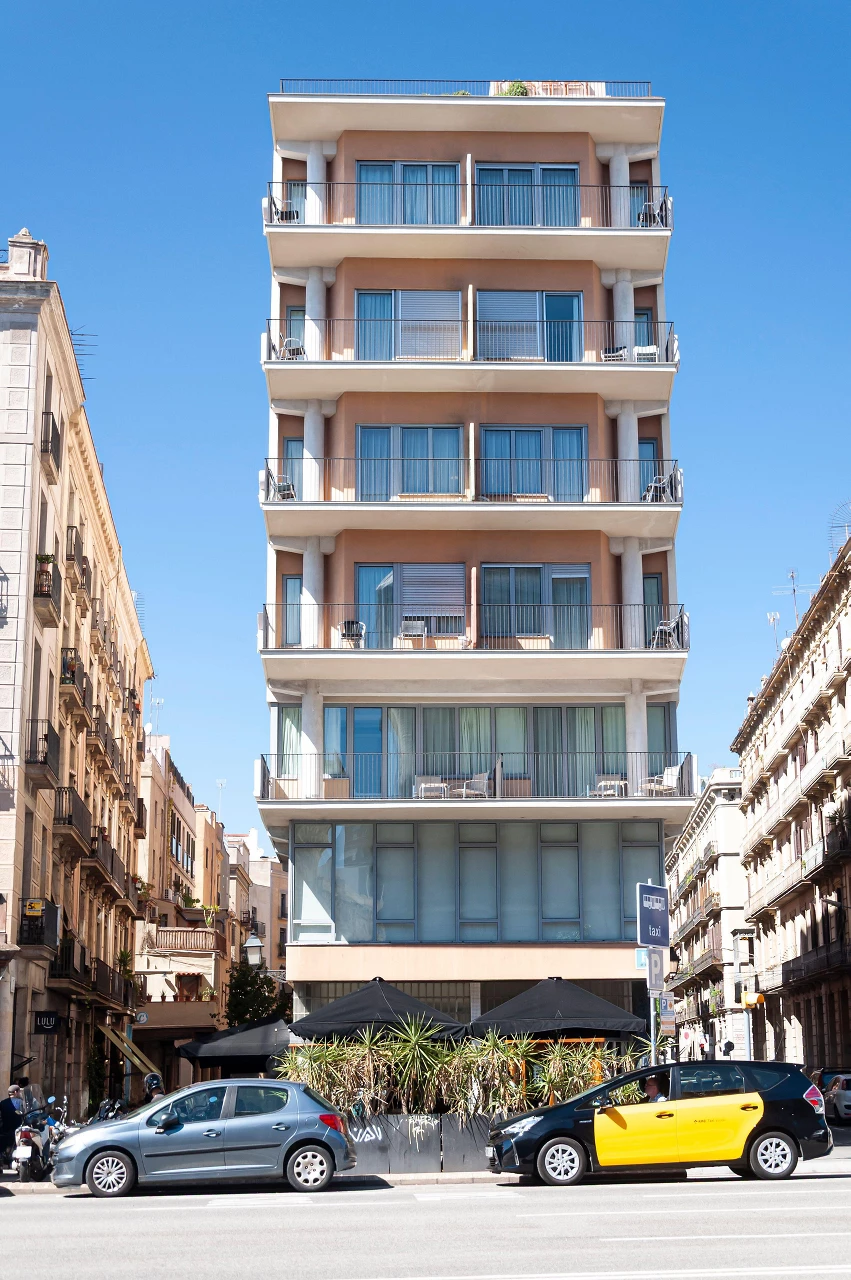
ETSAB-Escola tècnica superior d’arquitectura de Barcelona
Academic complex combining the functional rationalism of the 1960s with an organic modernity expressed in exposed brick.
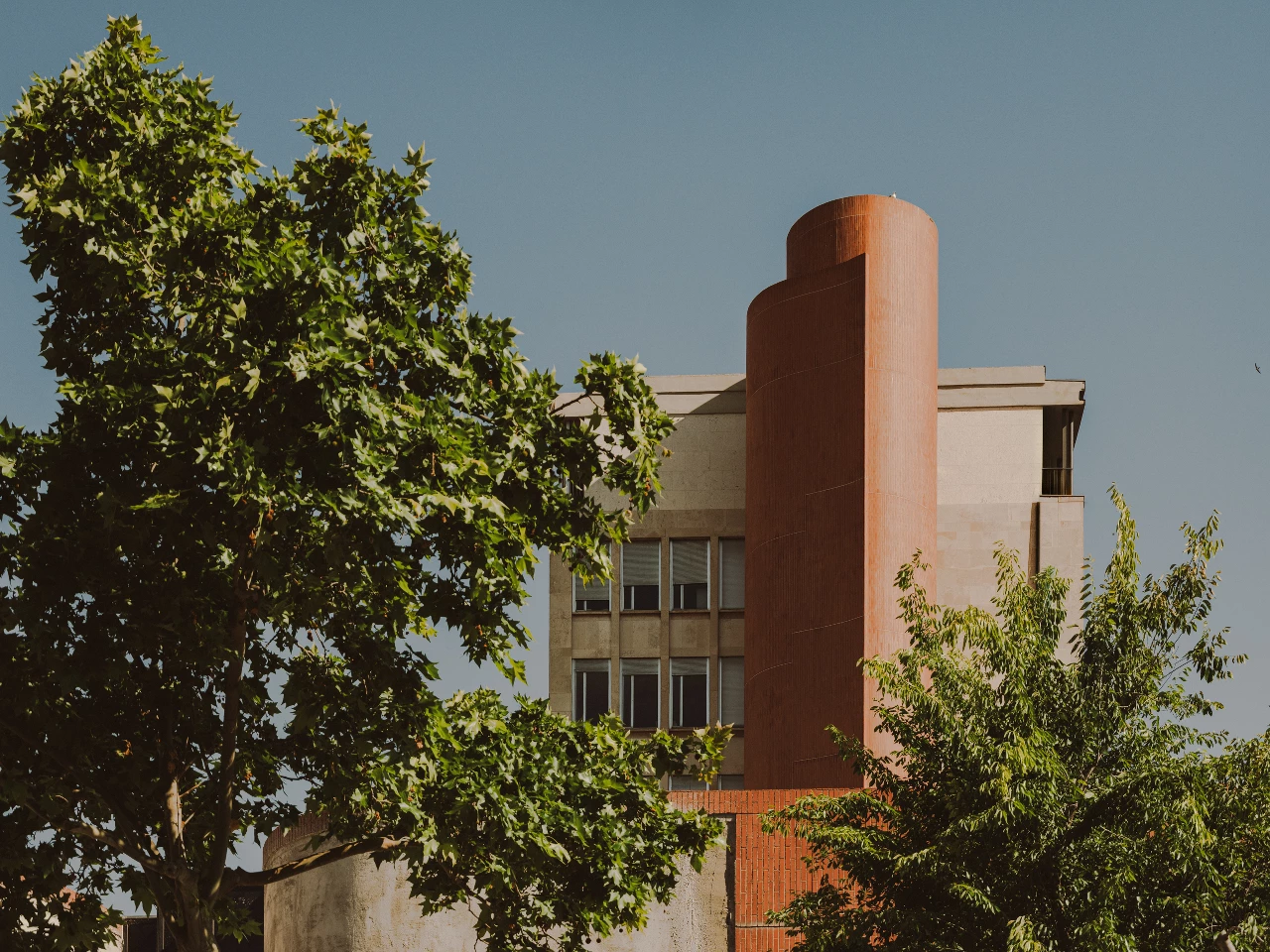
Meliá Barcelona Sky
A 120-metre, 29-storey skyscraper hotel in Poblenou, one of the most distinctive silhouettes on Barcelona’s skyline.

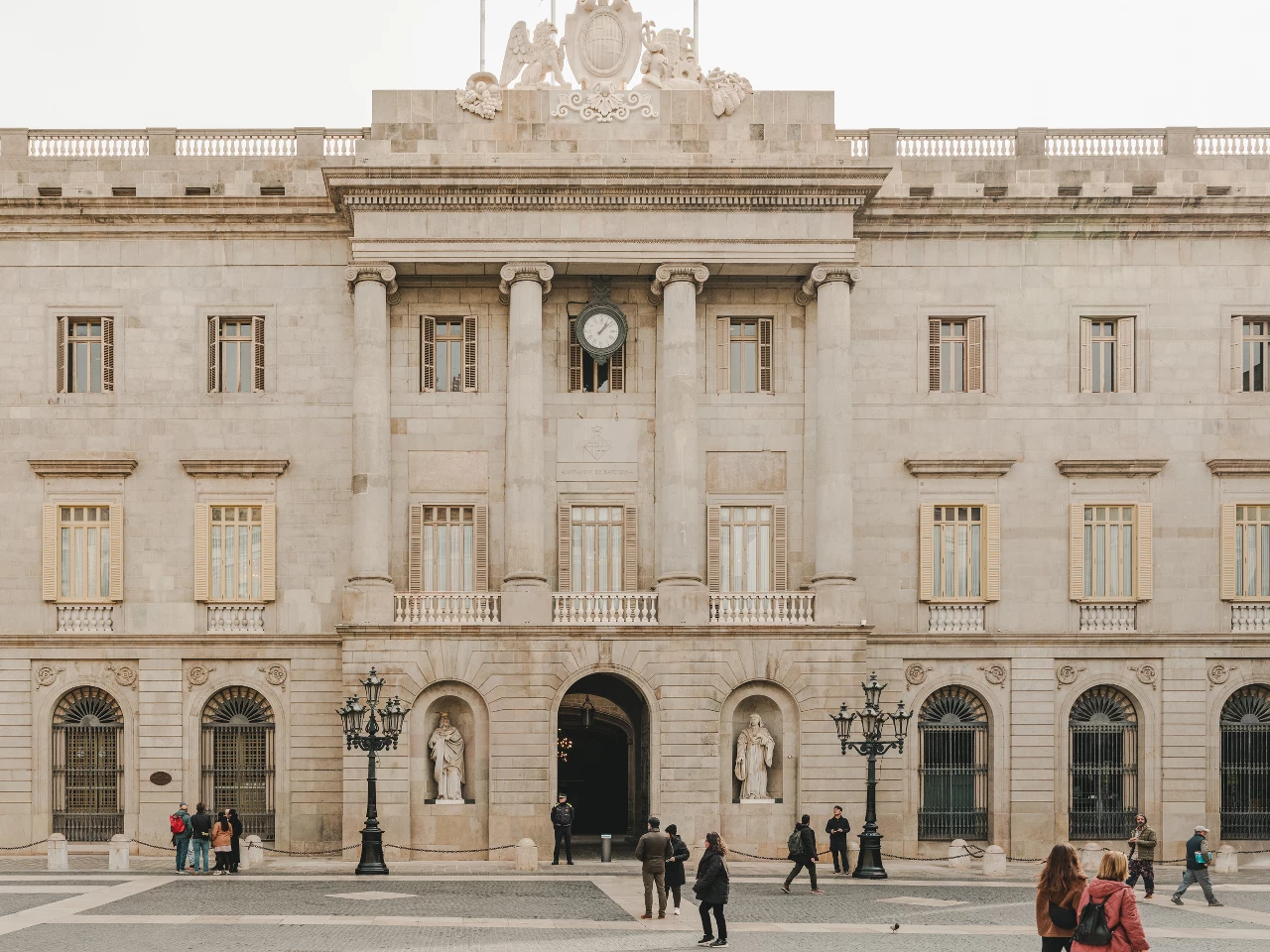
City Council or Casa de la Ciutat
Behind its neoclassical façade, it houses Barcelona City Council in Plaça de Sant Jaume, the former forum of the Roman city of Barcelona.
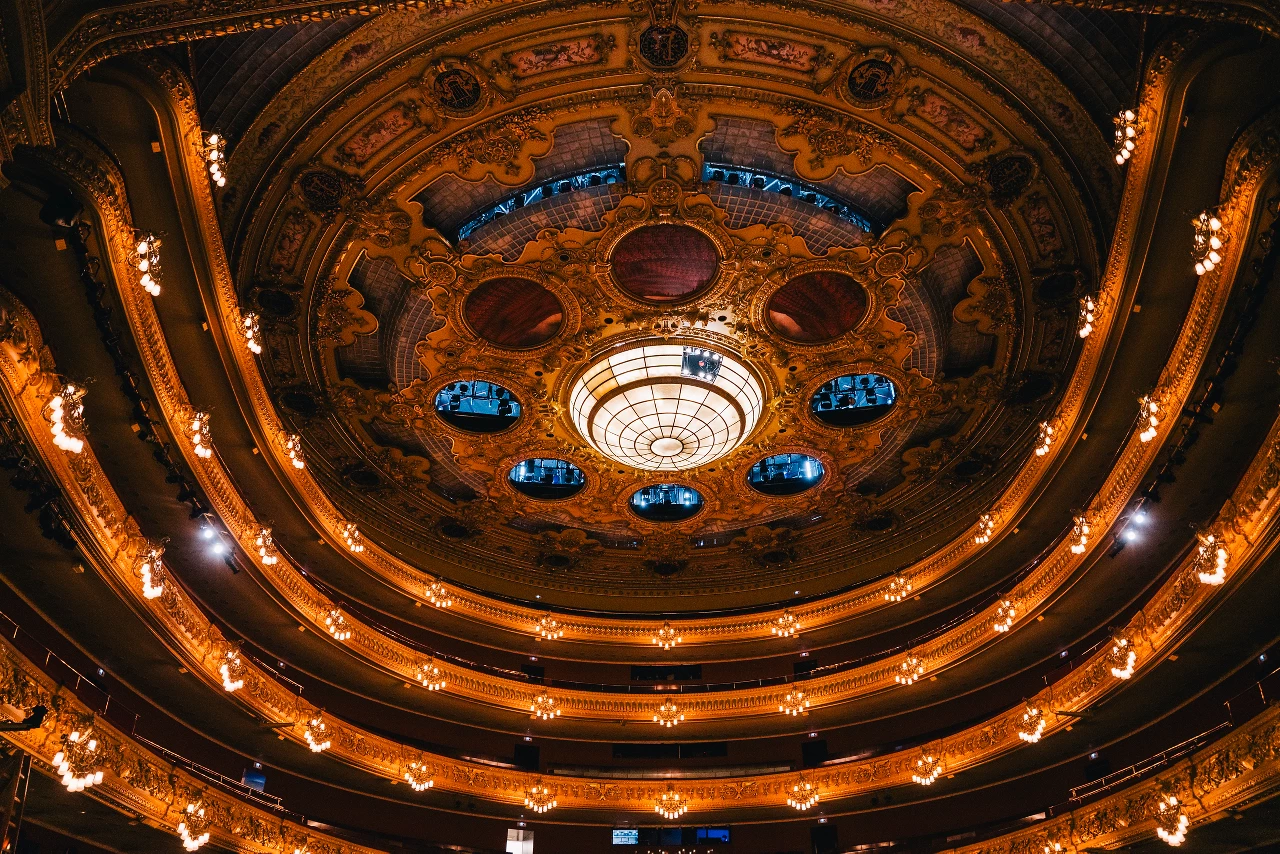
Gran Teatre del Liceu
One of Europe’s oldest and most prestigious opera houses, and a leading venue in Barcelona for concerts and dance.
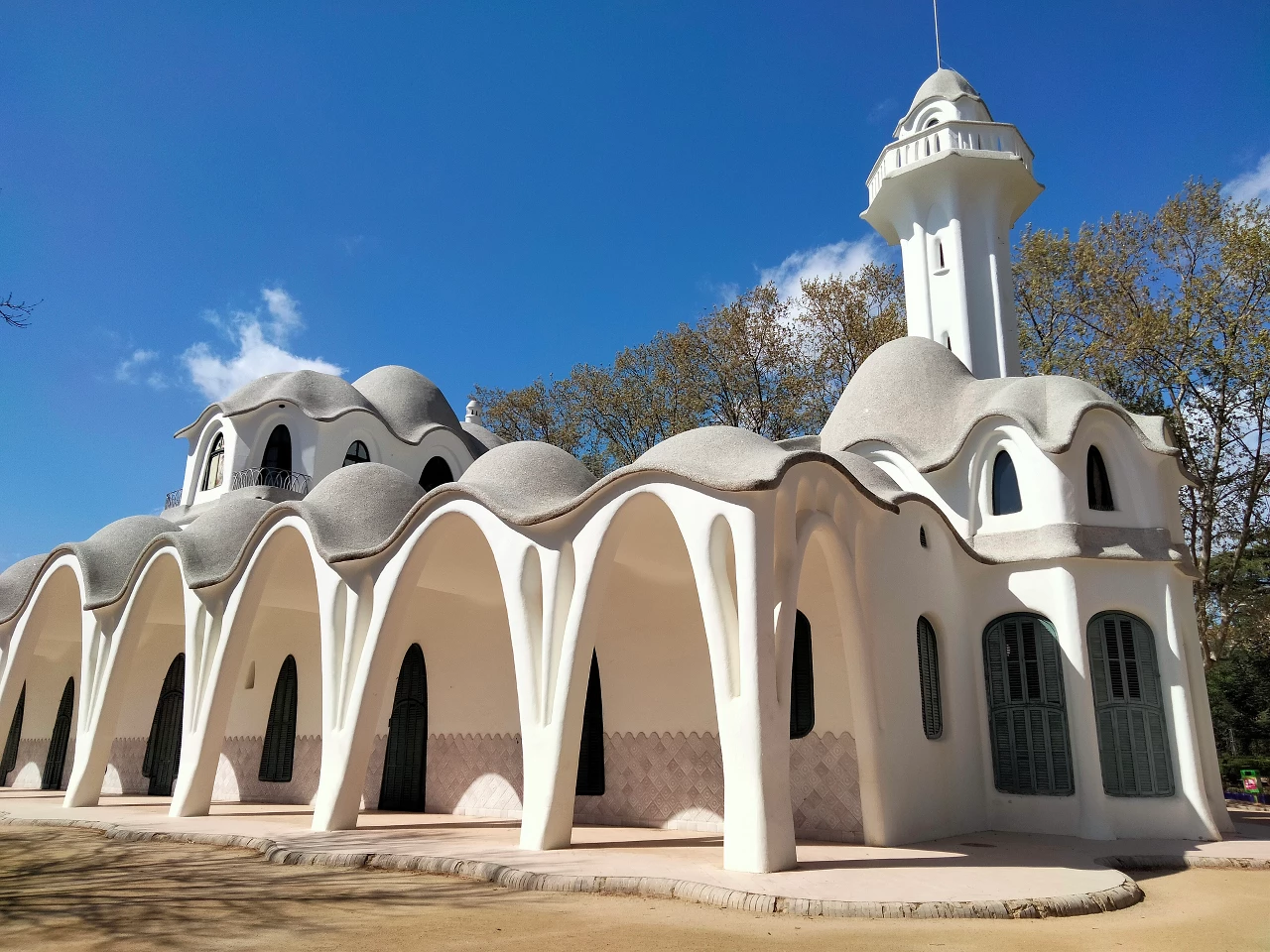
Masia Freixa
A Gaudí-inspired modernista building in Terrassa, originally a textile factory and now a cultural facility of the city.
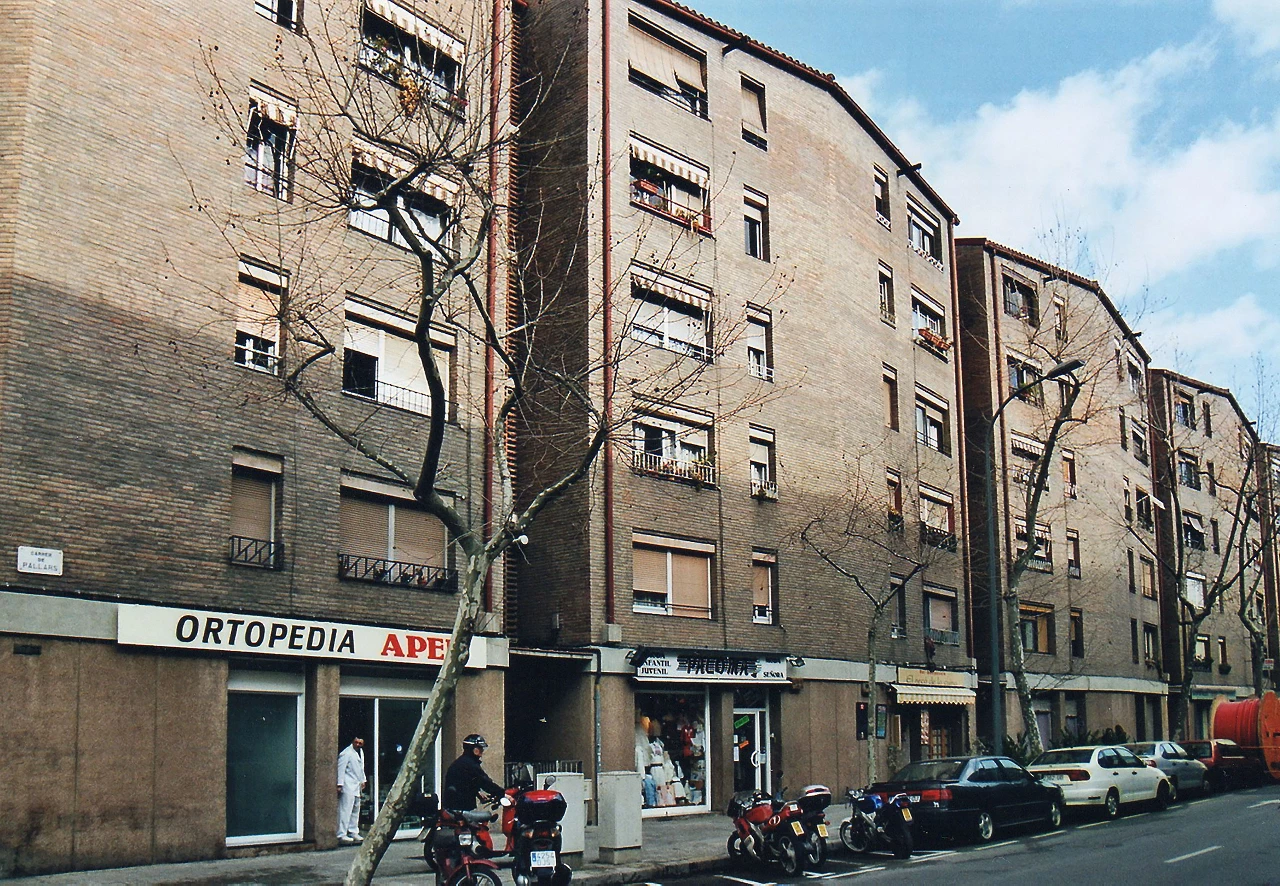
Vivendes carrer Pallars, 299, de Martorell i Bohigas
Post-war social housing complex in Poblenou, noted for its functionality and integration within the industrial fabric.
Pavelló Mies van der Rohe
A masterpiece of the modern movement by Mies van der Rohe and Lilly Reich for the 1929 Barcelona International Exposition.

Castell dels Tres Dragons
A majestic modernista castle with towers, dragons and exposed brickwork, right in the heart of the Ciutadella.

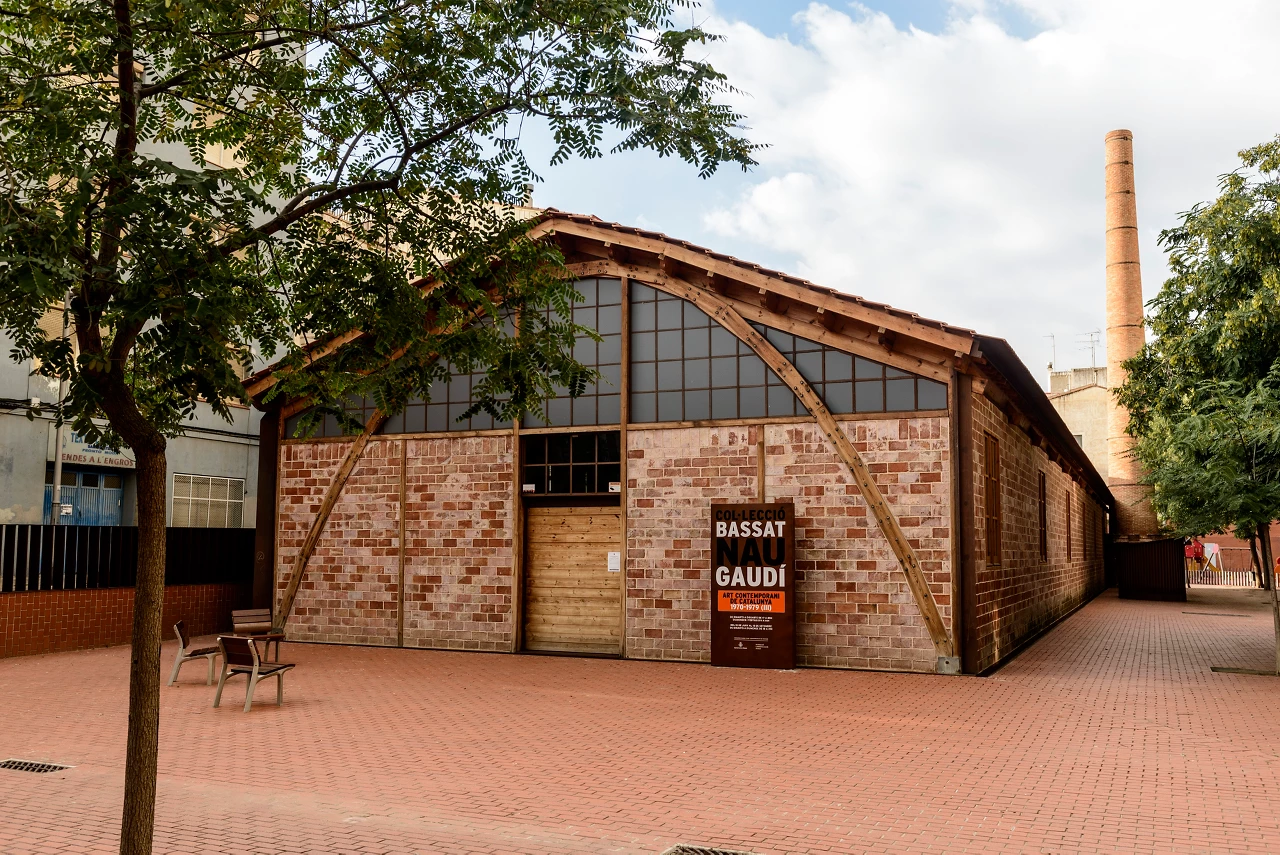
Nau Gaudí
First work of the modernista genius, a modernista industrial building housing over 2,000 pieces of contemporary Catalan art.
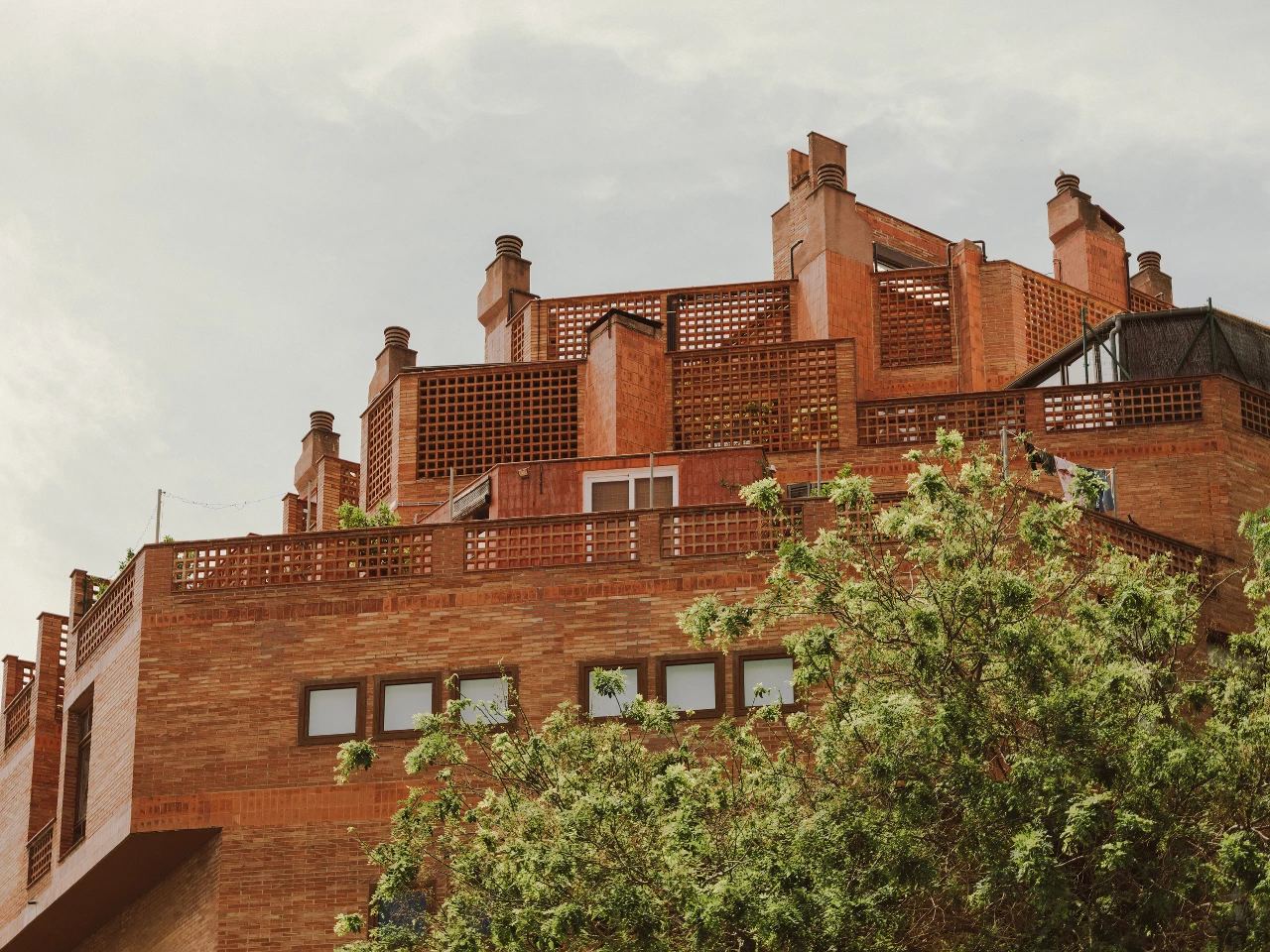
Casa Fullà
Rationalist residential building from the late 1960s, noted for its multi-level layout and experimental character.
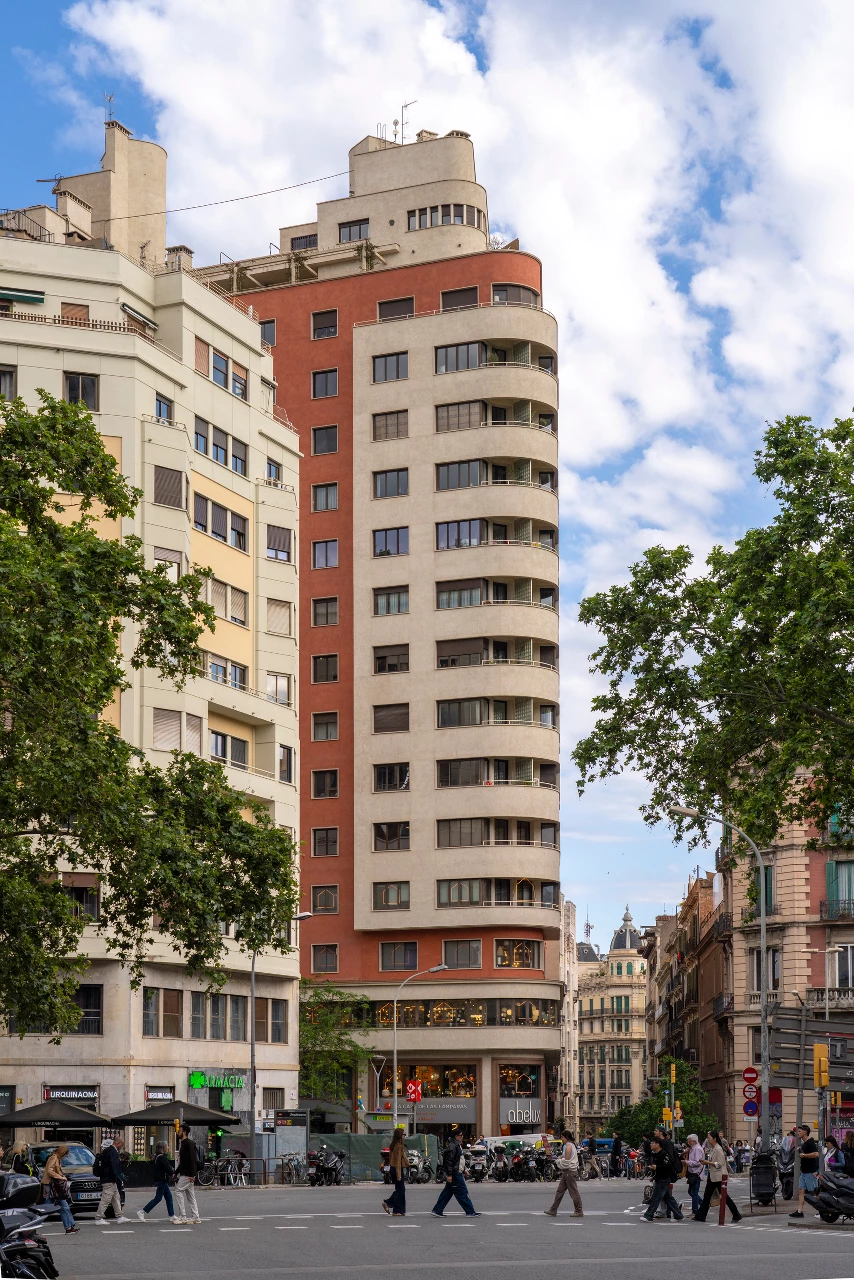
Edifici Fàbrega - Gratacels Urquinaona
Mixed-use building of residences and offices, one of Barcelona’s first skyscrapers, combining Art Deco and functionalist styles.
Palau de la Música Catalana
A jewel of Catalan modernista architecture that houses a concert hall central to the city’s cultural life.

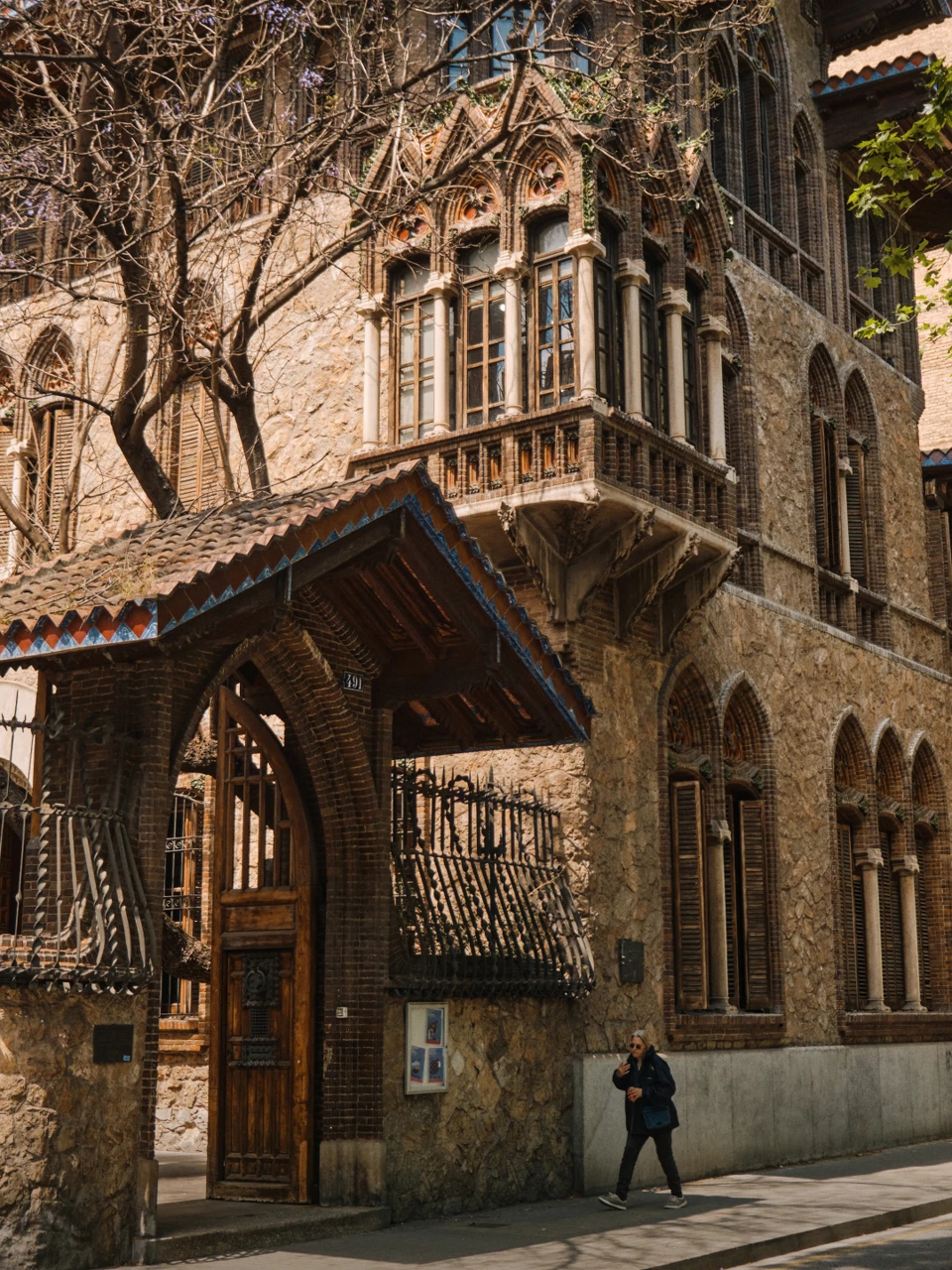
Casa Golferichs
Modernist villa with medieval inspiration and the appearance of an urban chalet in the Eixample.
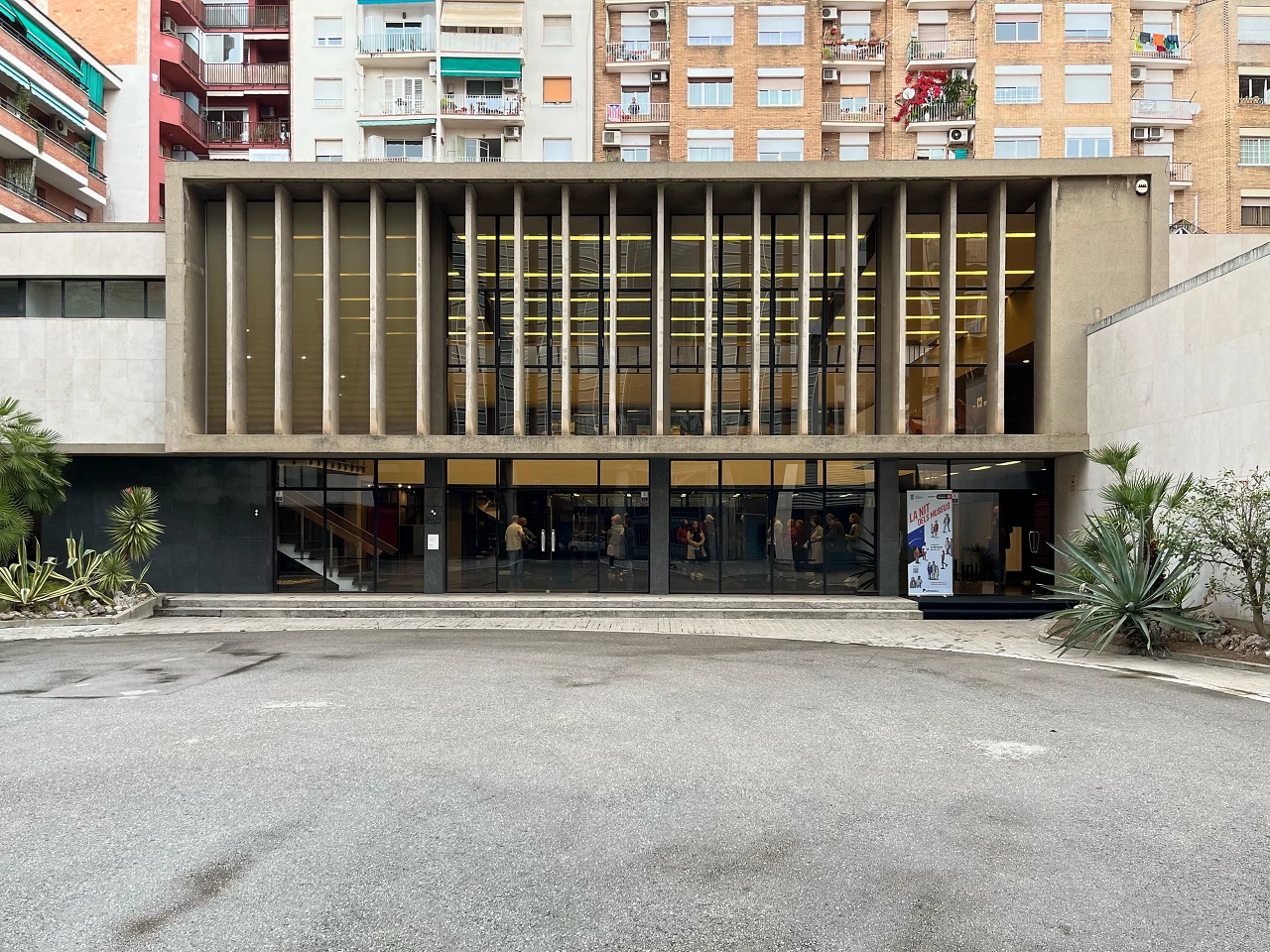
Editorial Gustavo Gili
Former editorial headquarters of rationalist design, defined by its technical functionality, located in the inner courtyard of an Eixample block.
Casa Milà – “La Pedrera”
Gaudí’s last civil work and one of the boldest and most significant buildings of Catalan Modernisme, listed as a UNESCO World Heritage Site in 1984.

Casa Terradas – “Casa de les Punxes”
One of the most iconic silhouettes of Barcelona’s Modernisme, with the air of a medieval castle.


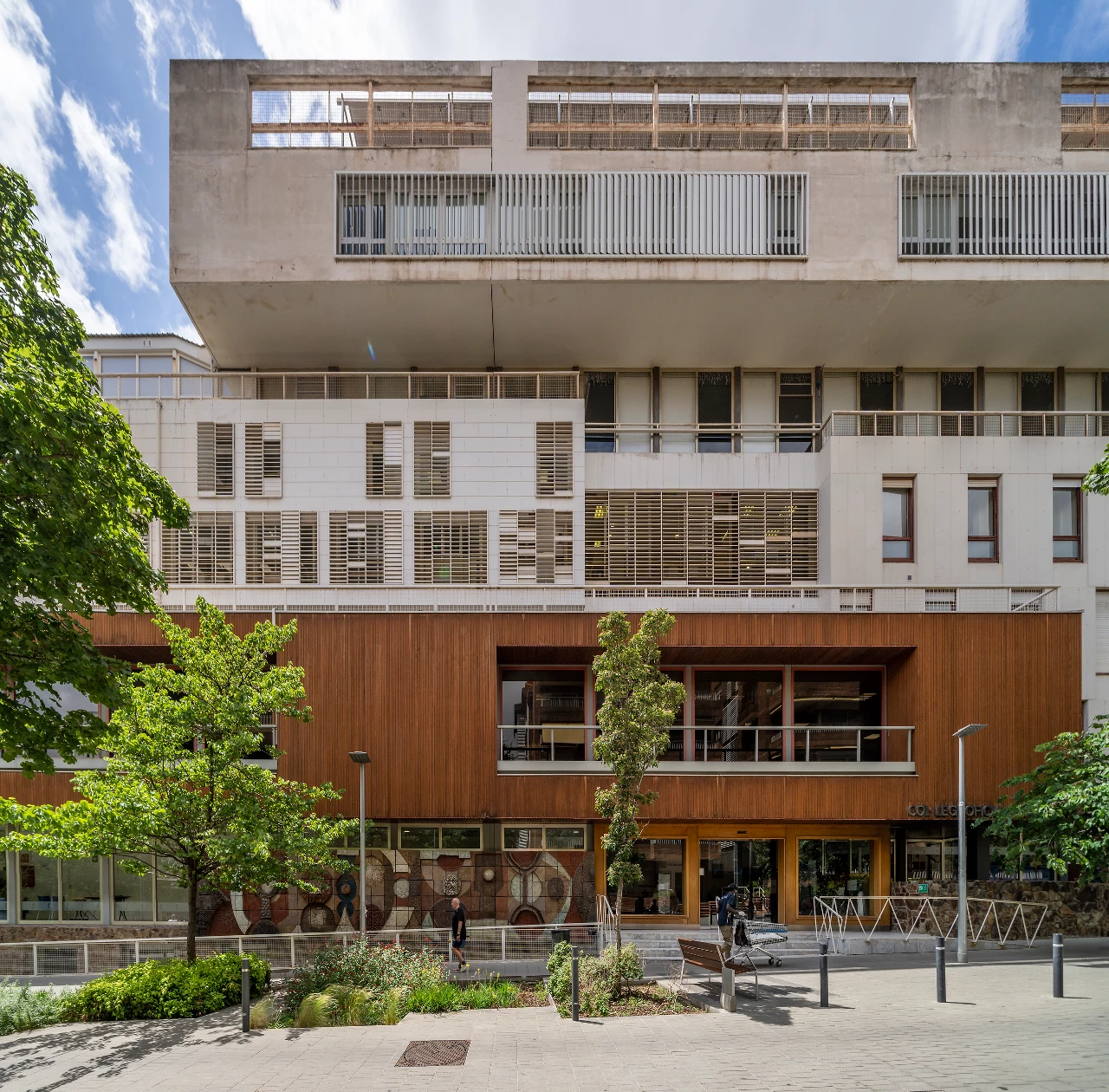
Col·legi Oficial de metges de Barcelona (COMB)
An example of European rationalism and avant-garde, defined by a play of misaligned volumes that form a sculptural ensemble.
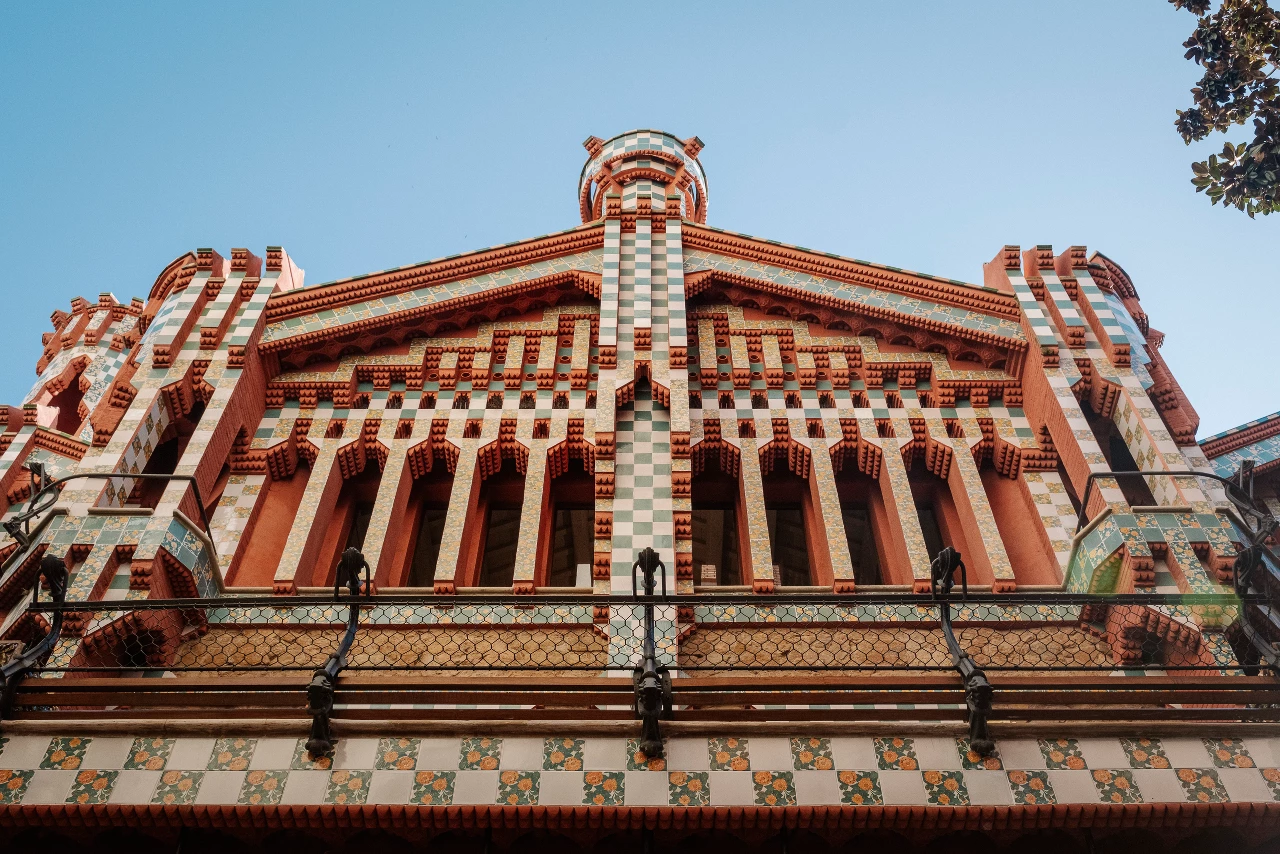
Casa Vicens
An unusual building shaped by oriental and Mudéjar influences, marking Gaudí’s early steps as an architect.
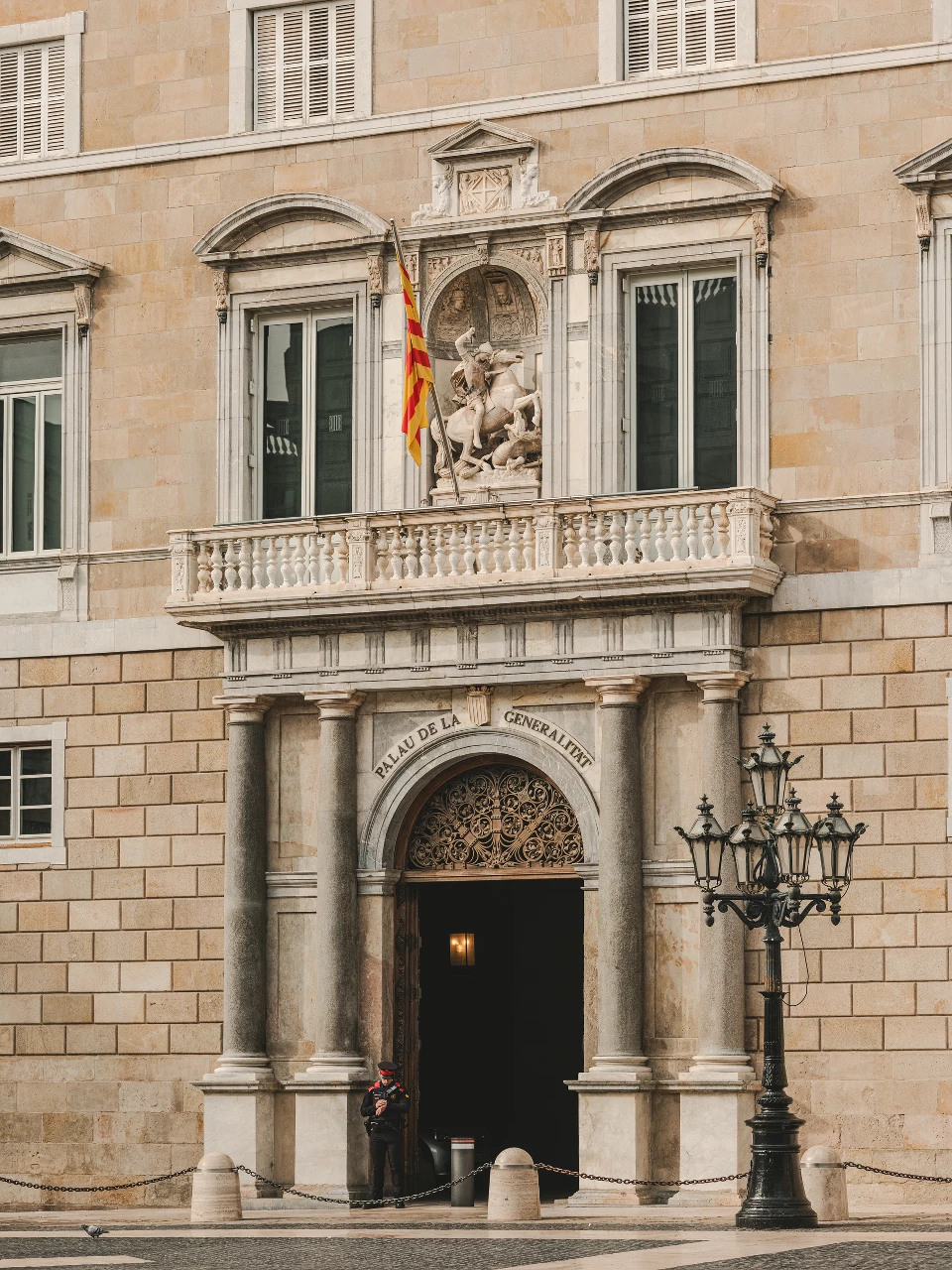
Palau de la Generalitat
Historic and current seat of the Generalitat Government of Catalonia, built between the 15th and 17th centuries and reflecting the transition from Gothic to Renaissance architecture.
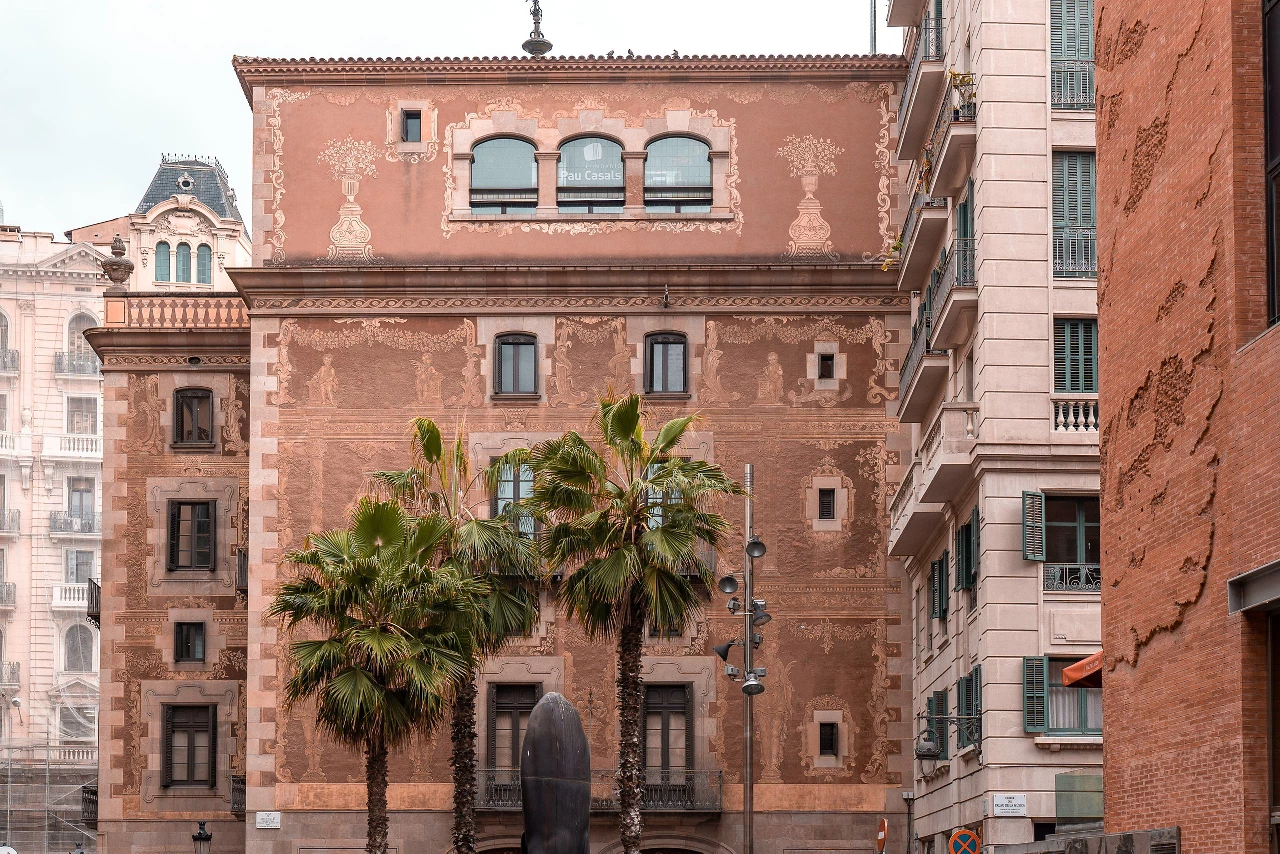
Vivendes carrer Bach, 28, de Ricardo Bofill
Luxury residential block of Catalan rationalism combining traditional materials with a modern composition.
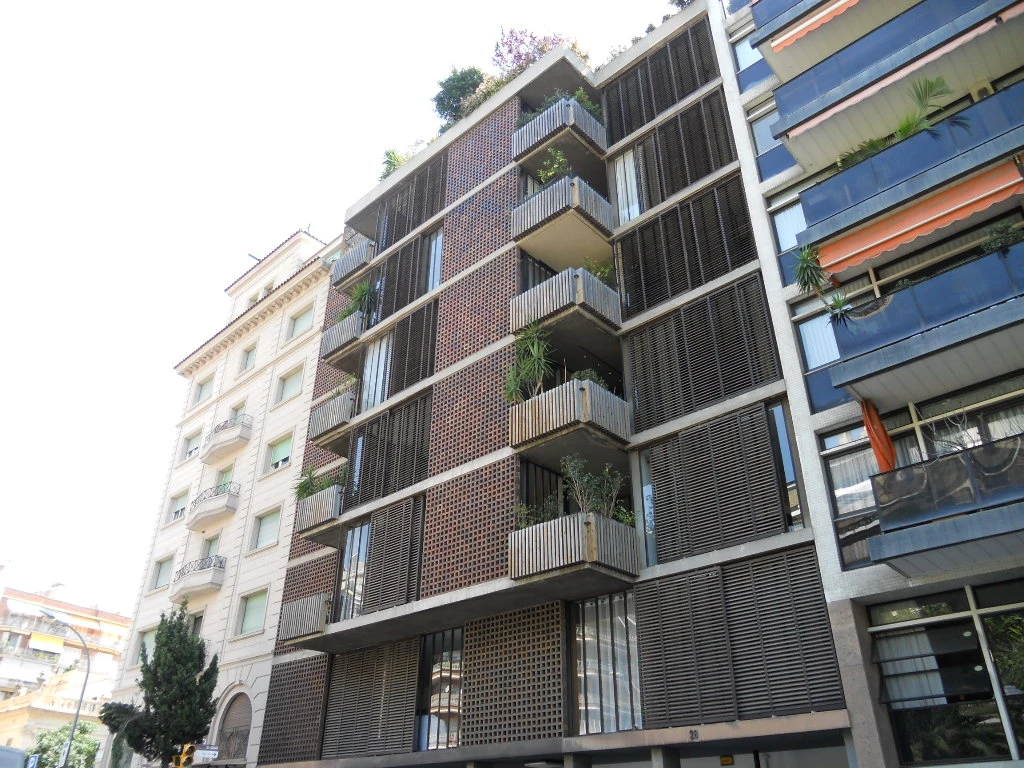
Reial Acadèmia de Medicina de Catalunya
A landmark neoclassical building in Barcelona’s medical history, now home to a leading academic institution.
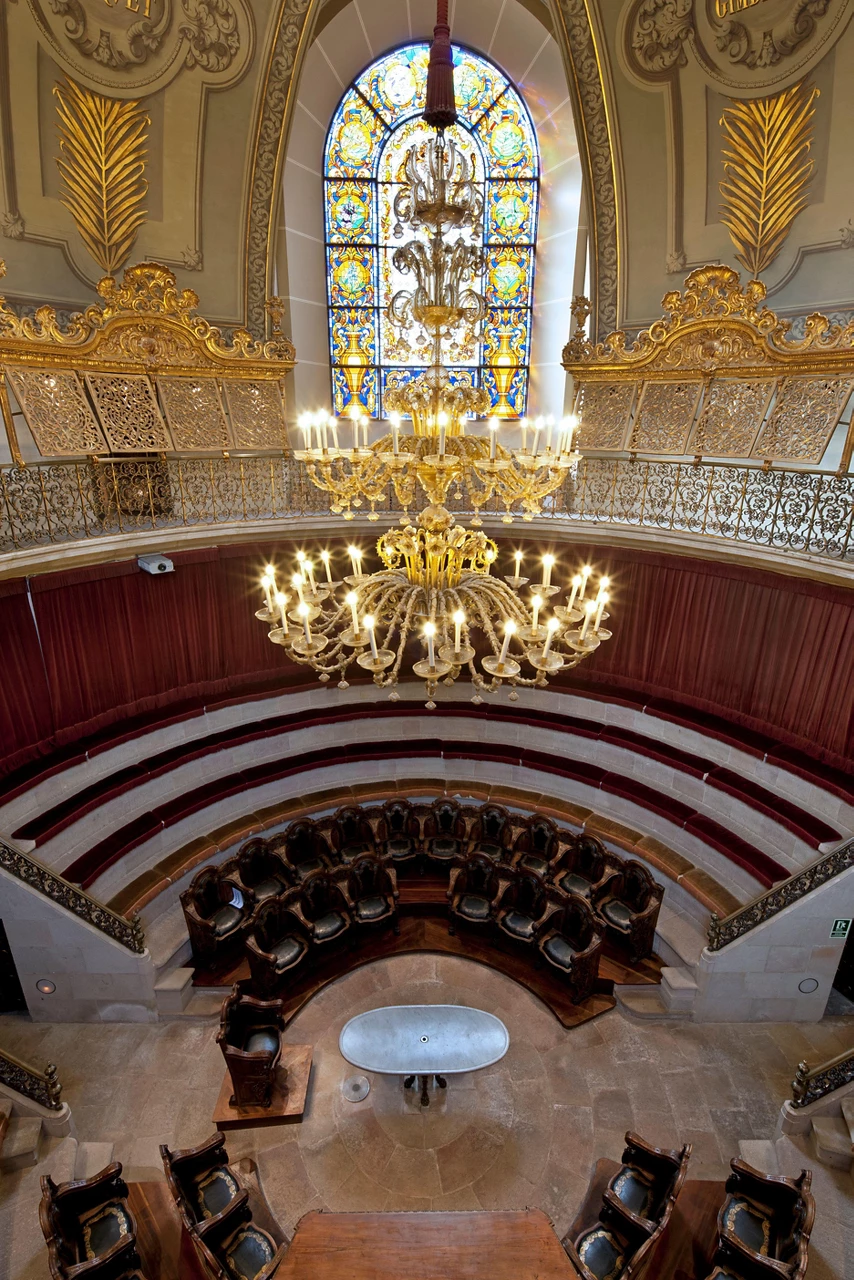
Hyatt Regency Barcelona Tower
A 105-metre high-tech skyscraper hotel, topped by a cantilevered geodesic dome and an exposed metal structure.

Casa Rocamora
A bourgeois mansion in a historicist style, home to a very personal collection of 19th- and 20th-century art and artefacts.
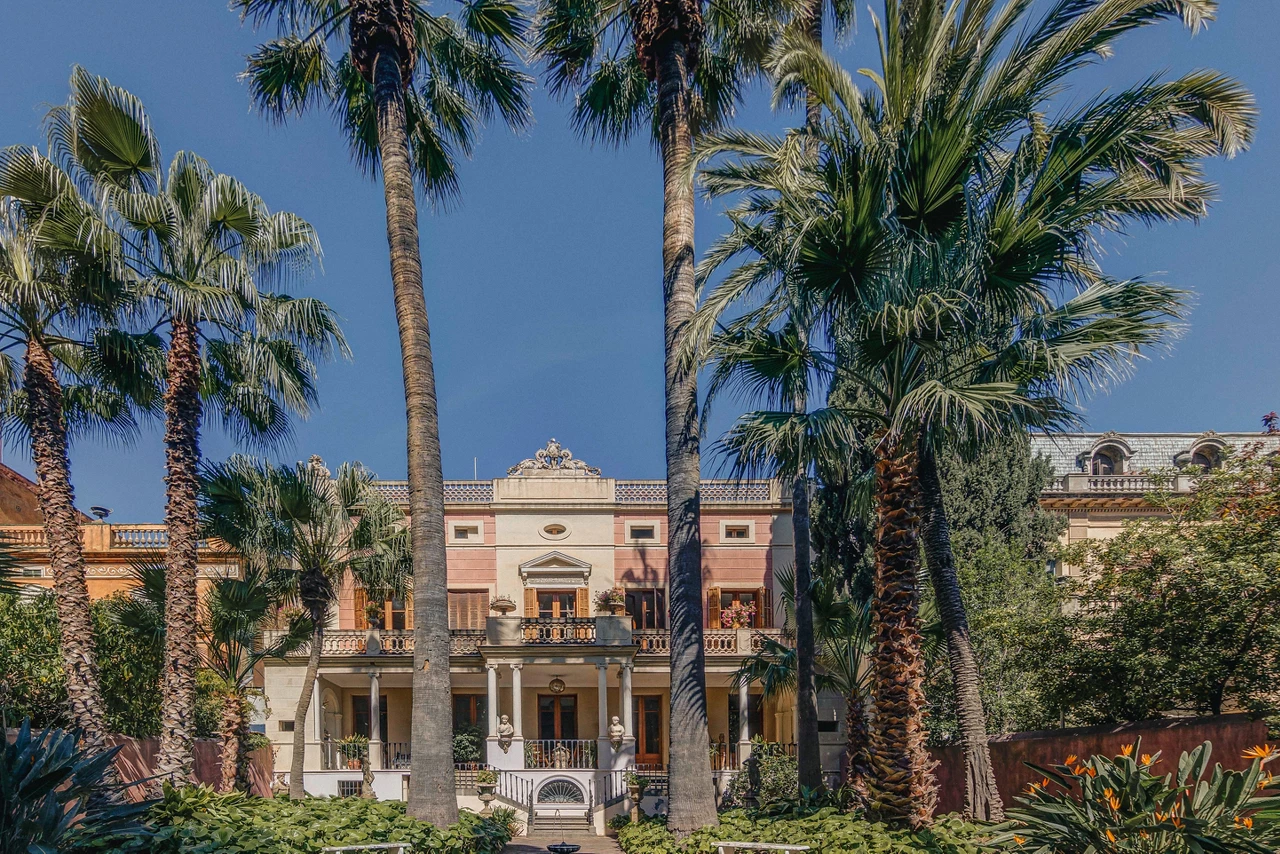
Casa Amatller
A house inspired by Flemish forms and Gothic elements, built during the golden age of Catalan Modernisme, commissioned by the chocolatier Antoni Amatller.
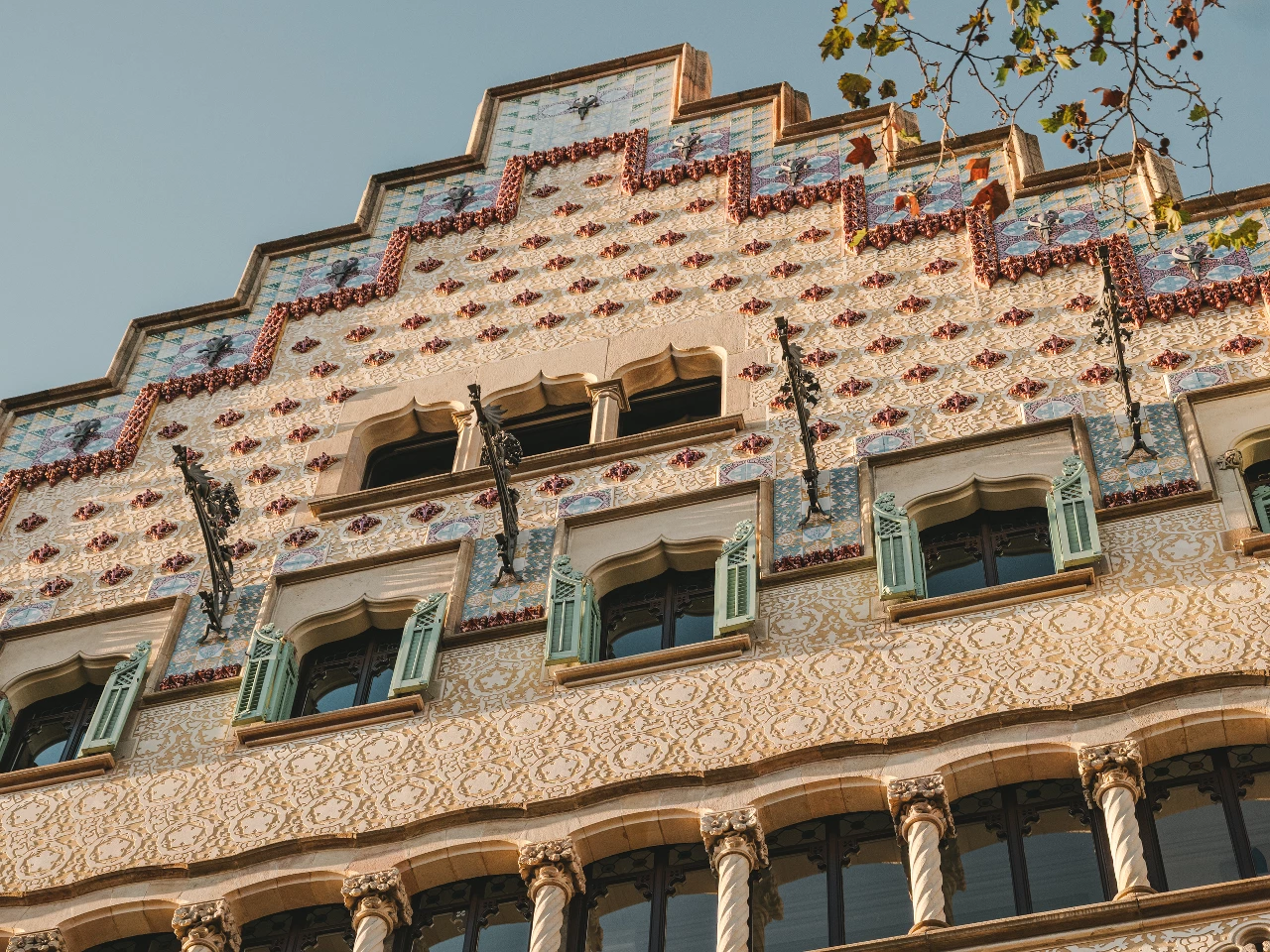
Casa Fuster
Showcasing Barcelona’s most refined and elegant Modernisme in one of the city’s most opulent buildings.
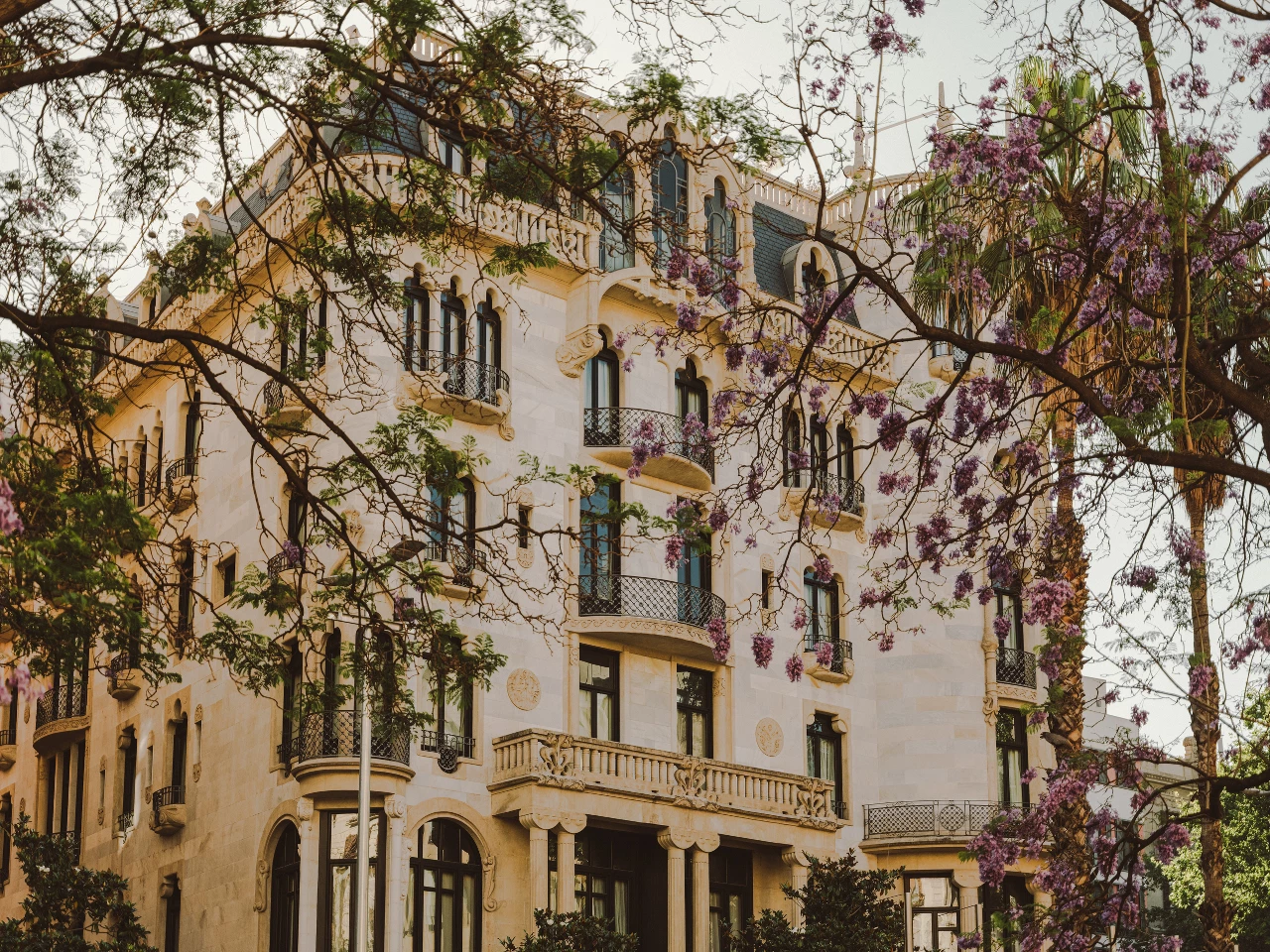
Casa Lleó Morera
A small Modernista palace on Passeig de Gràcia, part of the well known “Block of Discord”.
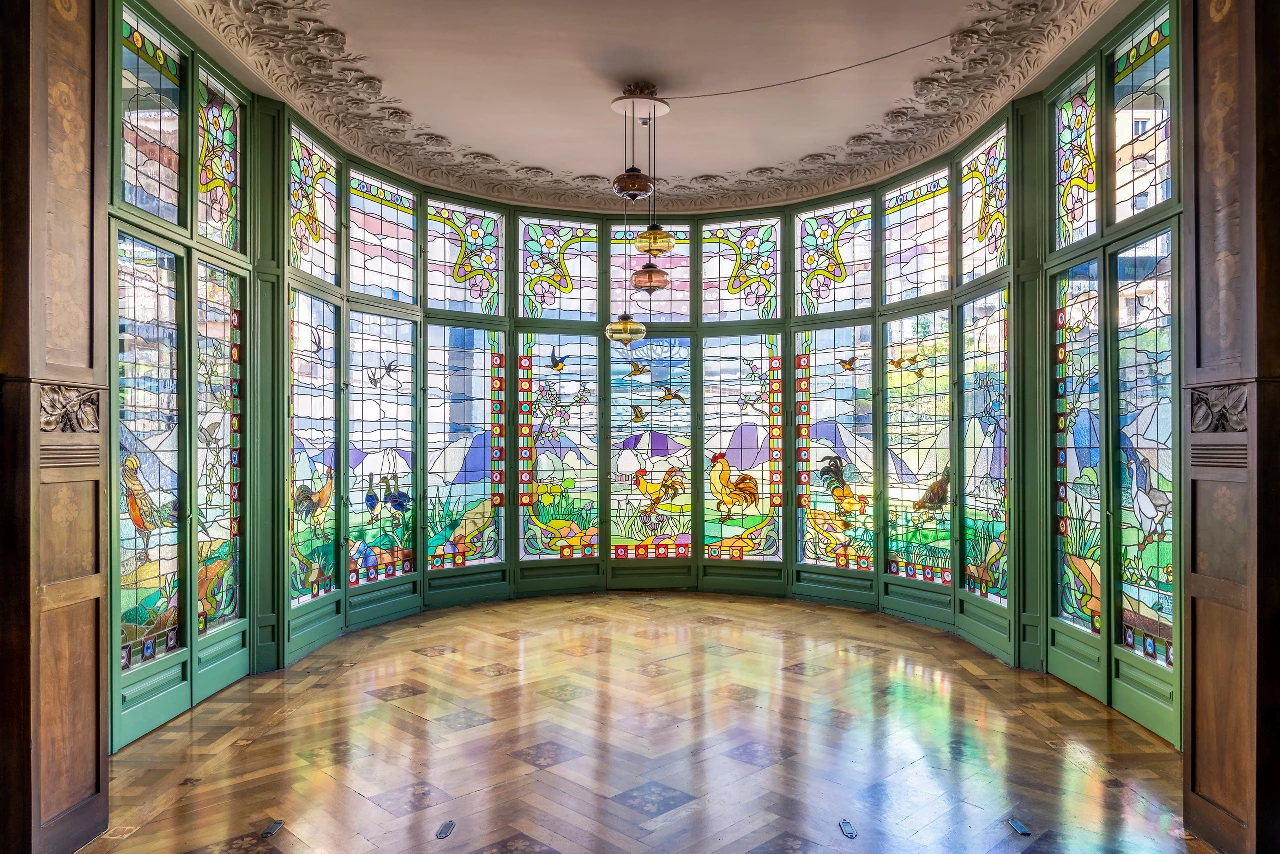
Palau Sant Jordi
A multipurpose pavilion located on Montjuïc, opened in the context of the 1992 Olympic Games.

Habitatges carrer Pallars, 299, de Martorell i Bohigas
Post-war social housing complex in Poblenou, noted for its functionality and integration within the industrial fabric.
Casa Sayrach
One of the city’s last modernista buildings, set on an elegant corner of Avinguda de la Diagonal.
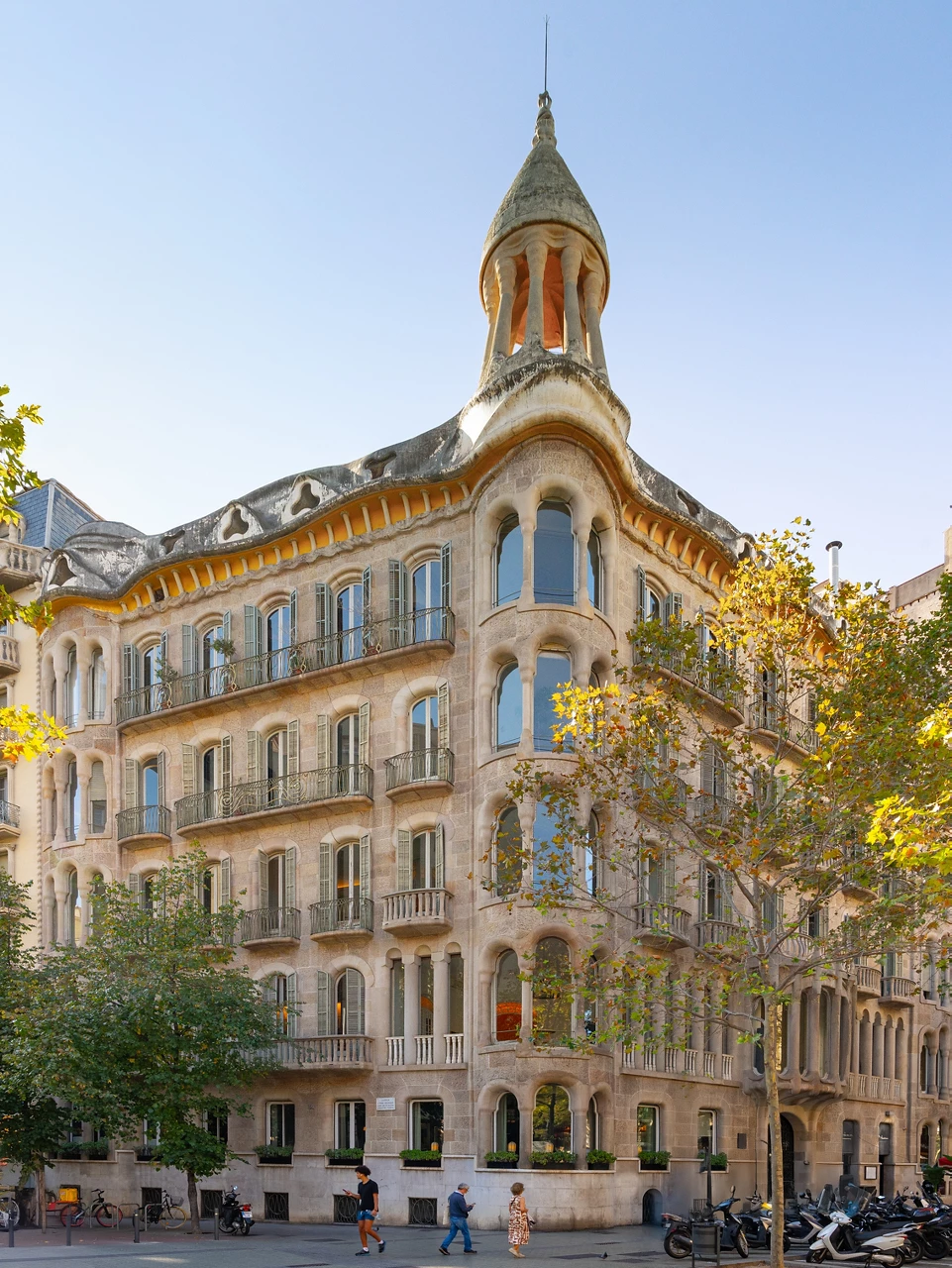
Reial Acadèmia de Farmàcia de Catalunya
Gothic-style academic institution specialising in pharmaceutical sciences, set within the Hospital de Santa Creu.

Casa Gomis – La Ricarda
A rationalist house set within a coastal pine forest, a landmark of modern architecture and a key cultural space during the Franco era.

Escola Massana
A cutting-edge building distinguished by a handcrafted ceramic façade and a fragmented structure that reshapes the urban landscape of El Raval.

Palau de Congressos de Catalunya
Congress centre designed to host large-scale events, a benchmark of Catalan modern architecture.

Torre Bellesguard
A modernista castle with a medieval soul – an intimate gem where the master architect surprises with clean lines and hidden symbols.
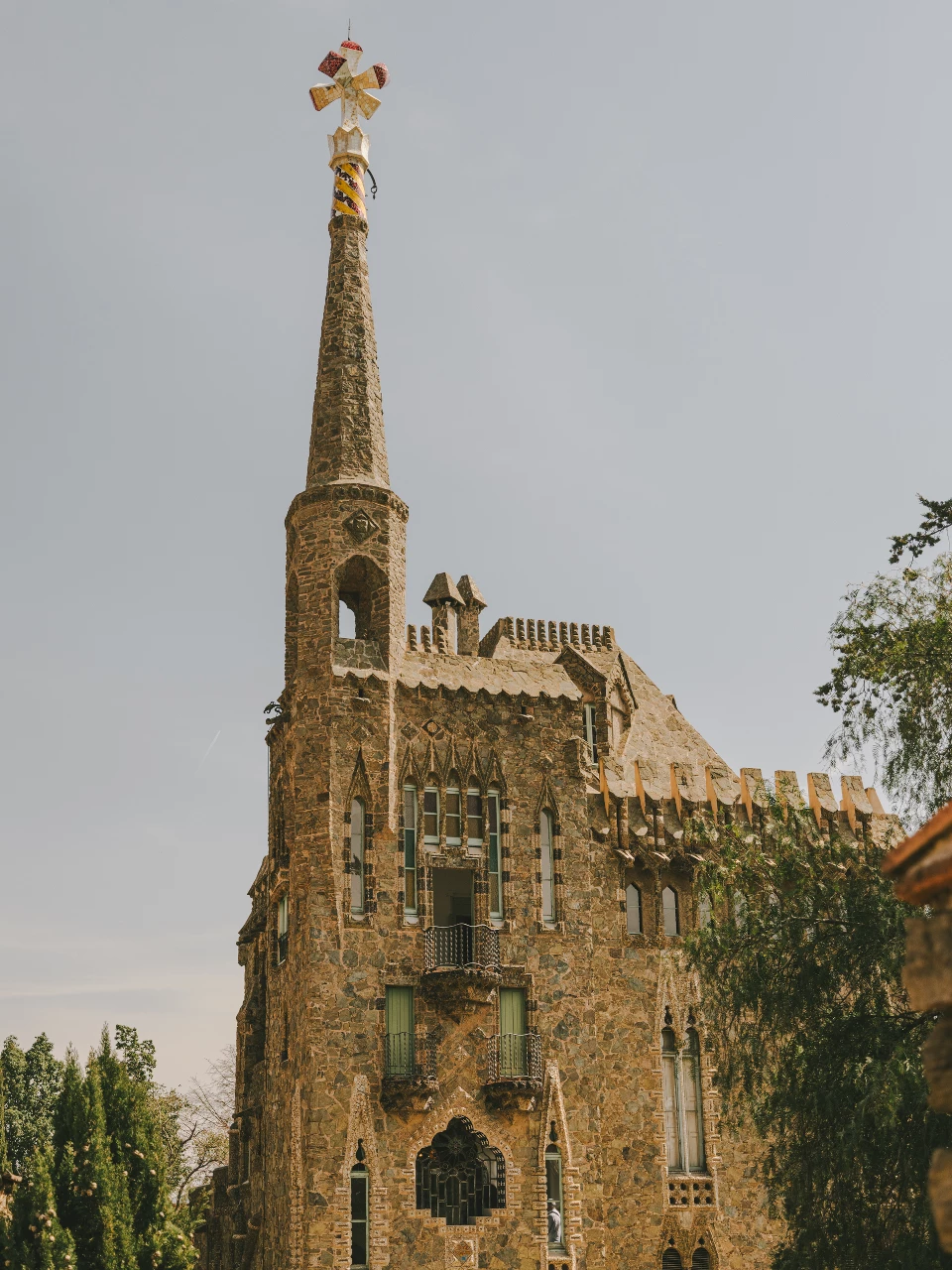
Pavellons de la Finca Güell
A modernista architectural ensemble marking the monumental entrance to the former Finca Güell, made up of the gatehouse, stables and riding arena.

Central telefònica de la Vila Olímpica
A telecommunications building of striking geometry, designed to house a telephone exchange in the Vila Olímpica.

Palau Reial Major
Gothic monumental complex, former residence of the countly and royal power in Barcelona between the 13th and 15th centuries.

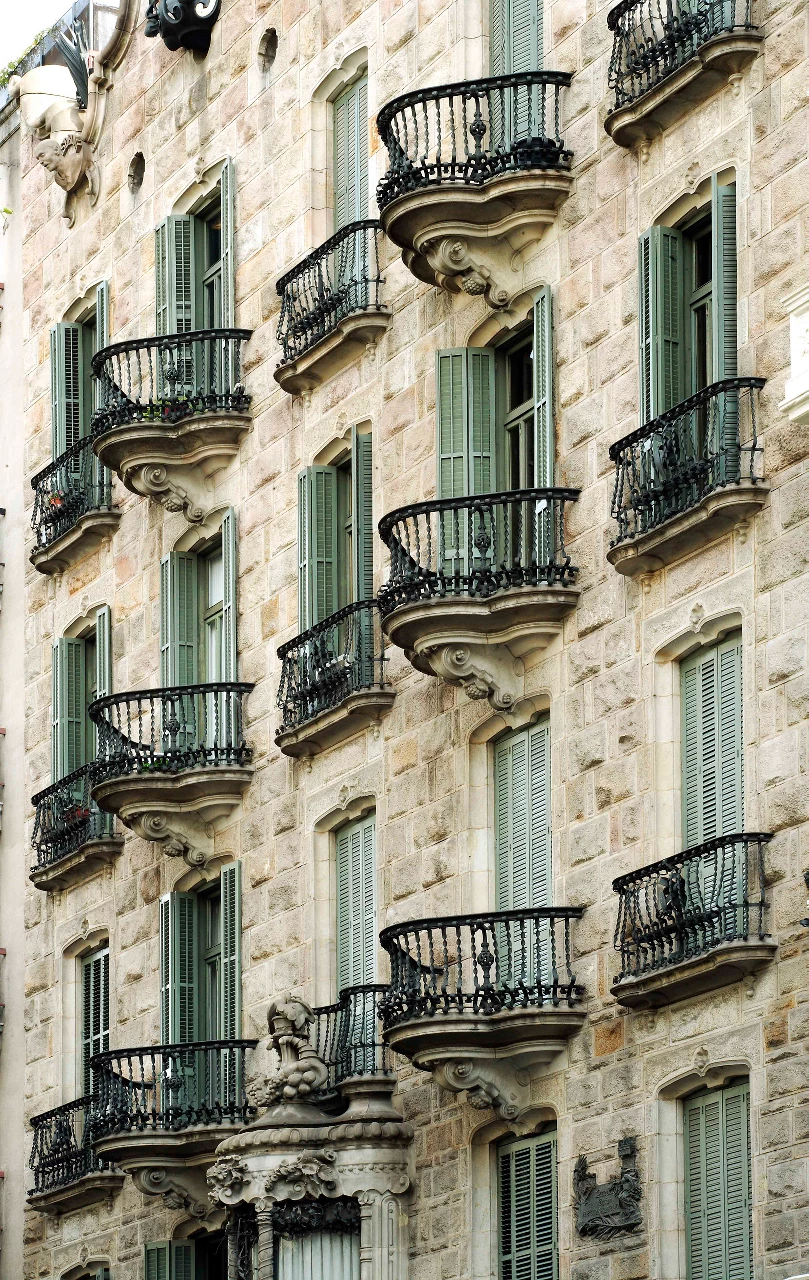
Casa Bloc
A rationalist workers’ housing complex that redefined ideas of collective living in 20th-century Barcelona.
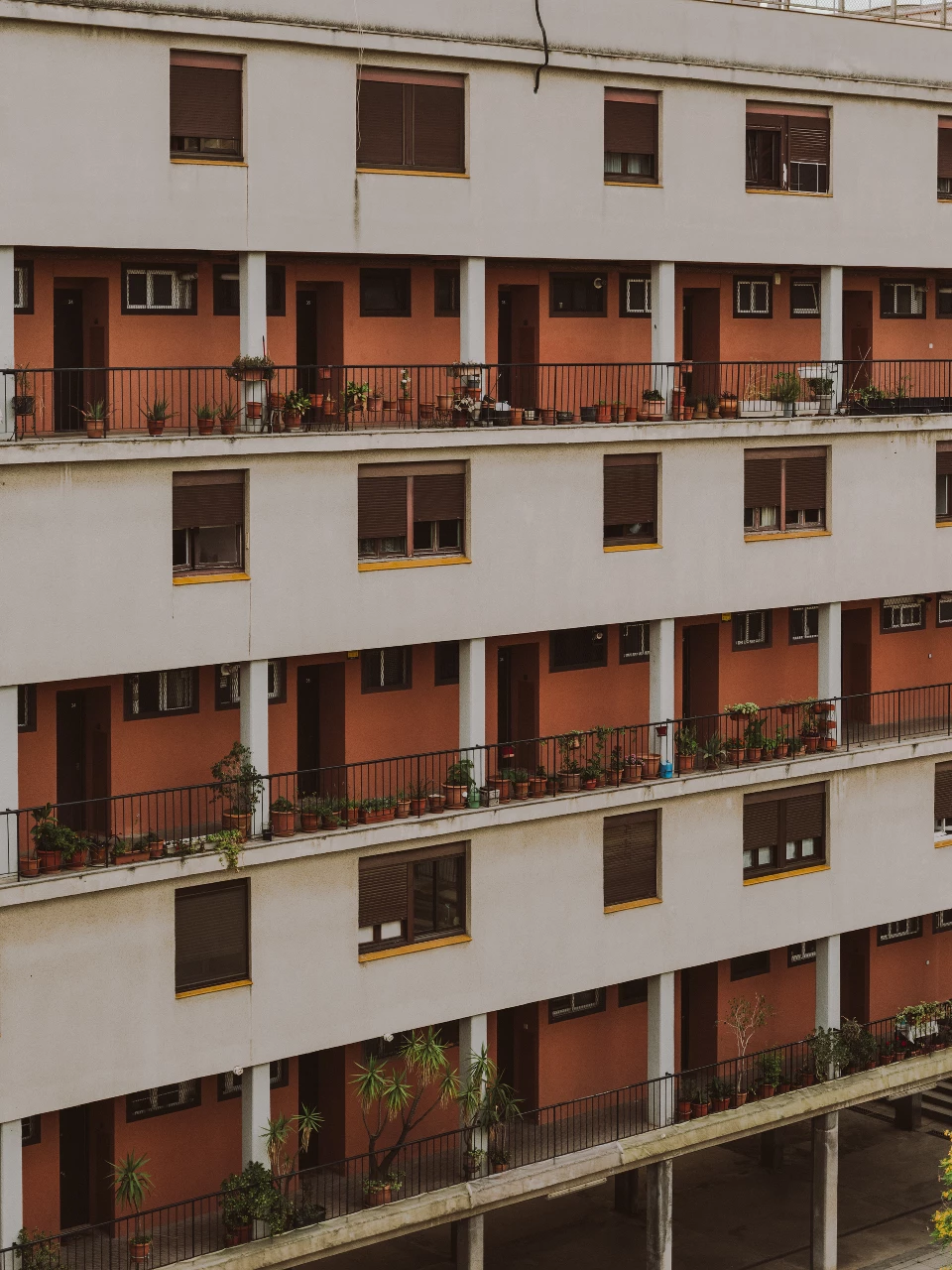
Casa Martí – “Els 4 Gats”
Modernist building home to the historic Els 4 Gats tavern, a haven for artists and intellectuals of Catalan Modernisme.

Habitatges carrer Bach, 28, de Ricardo Bofill
Luxury residential block of Catalan rationalism combining traditional materials with a modern composition.
Basílica de la Sagrada Família
Antoni Gaudí devoted much of his life to the design and construction of this monumental church, the tallest in the world and one of the city’s most visited landmarks.

Edifici Mediapro
An 18-storey office building in the 22@ district, designed for audiovisual production and characterised by its steel structural exoskeleton.
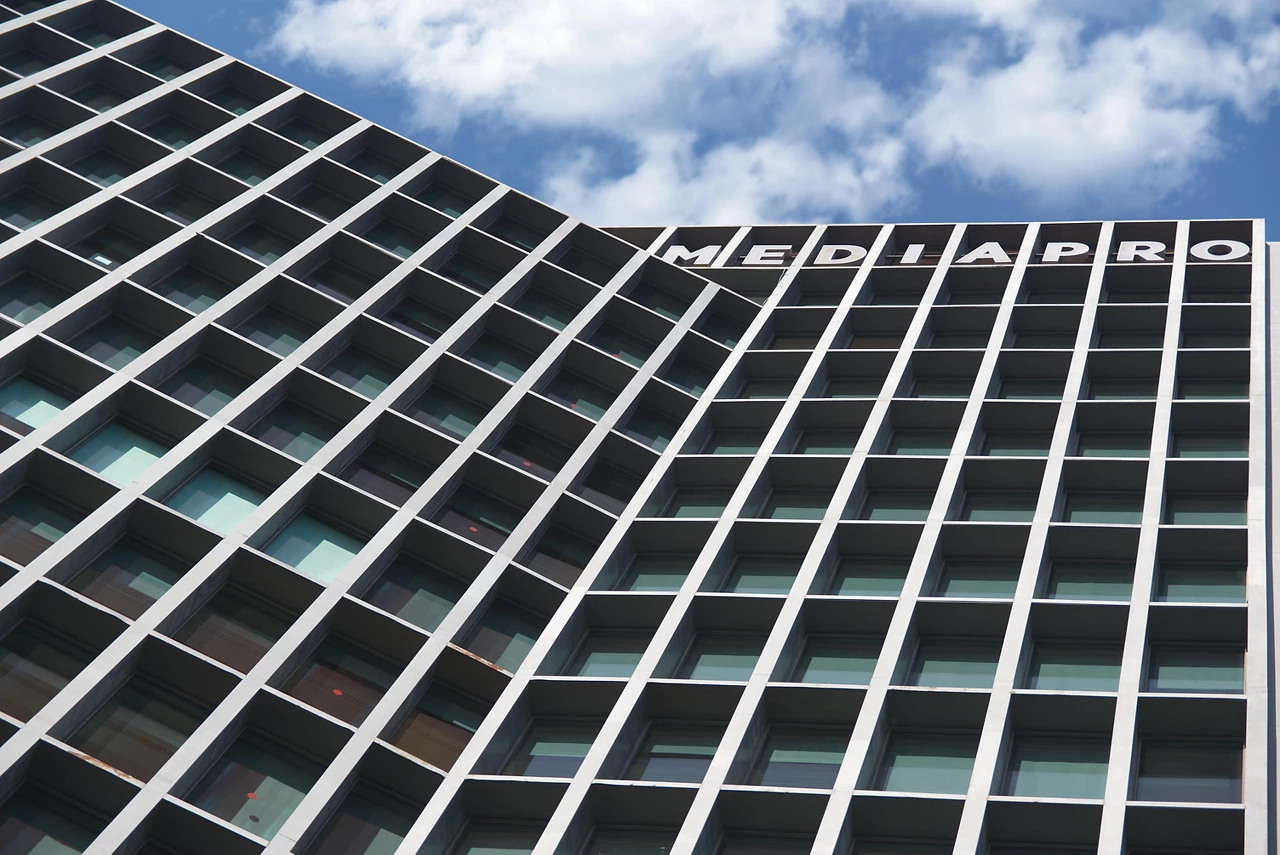
Casa Trinitat Arias
A residential building in the Rationalist style, of architectural significance in the modernisation of housing in the city.
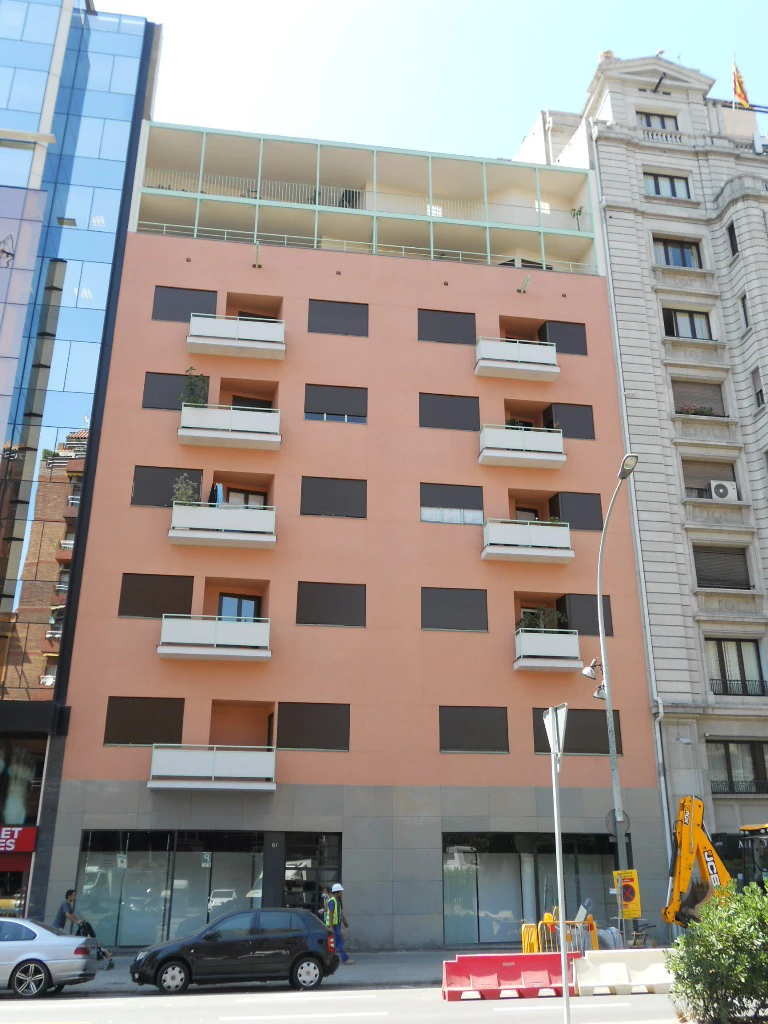
Col·legi de les Teresianes
A Gaudí-inspired building with a fortress-like presence, designed from the outset as an educational space.
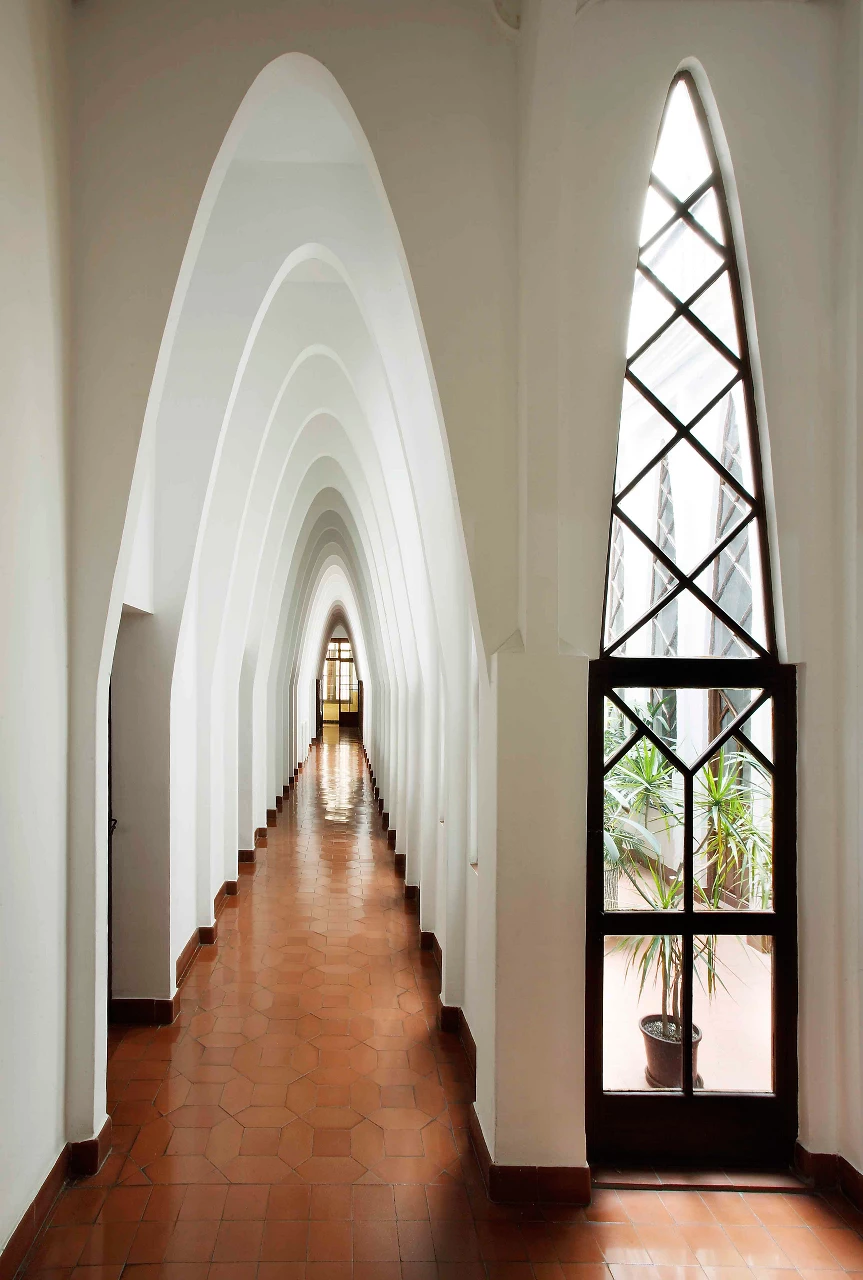
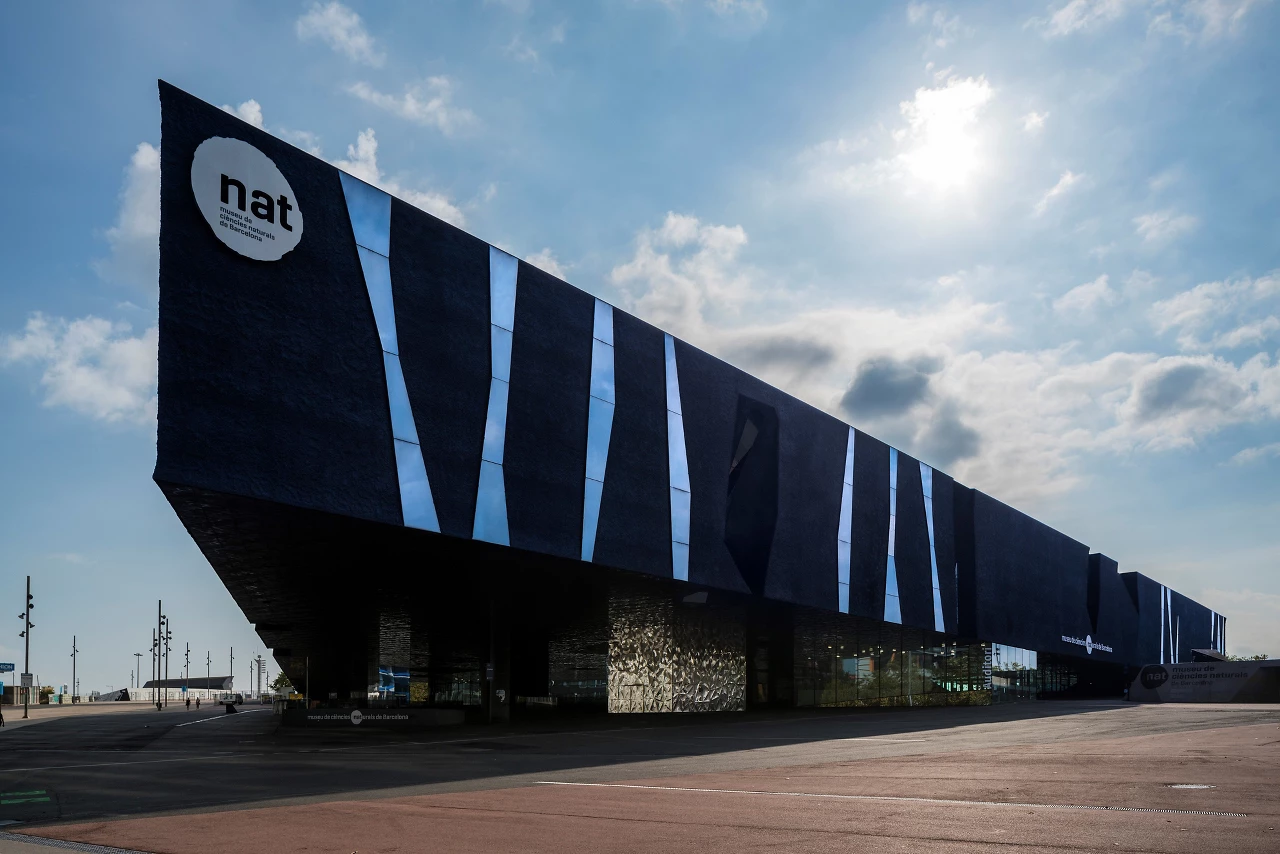
Edifici Fòrum
Blue triangular prism, a landmark of 21st-century architecture and home to the Museu de Ciències Naturals de Barcelona.
Hotel Porta Fira
113-metre skyscraper hotel with organic design, conceived by Toyo Ito next to the Fira de Barcelona complex.

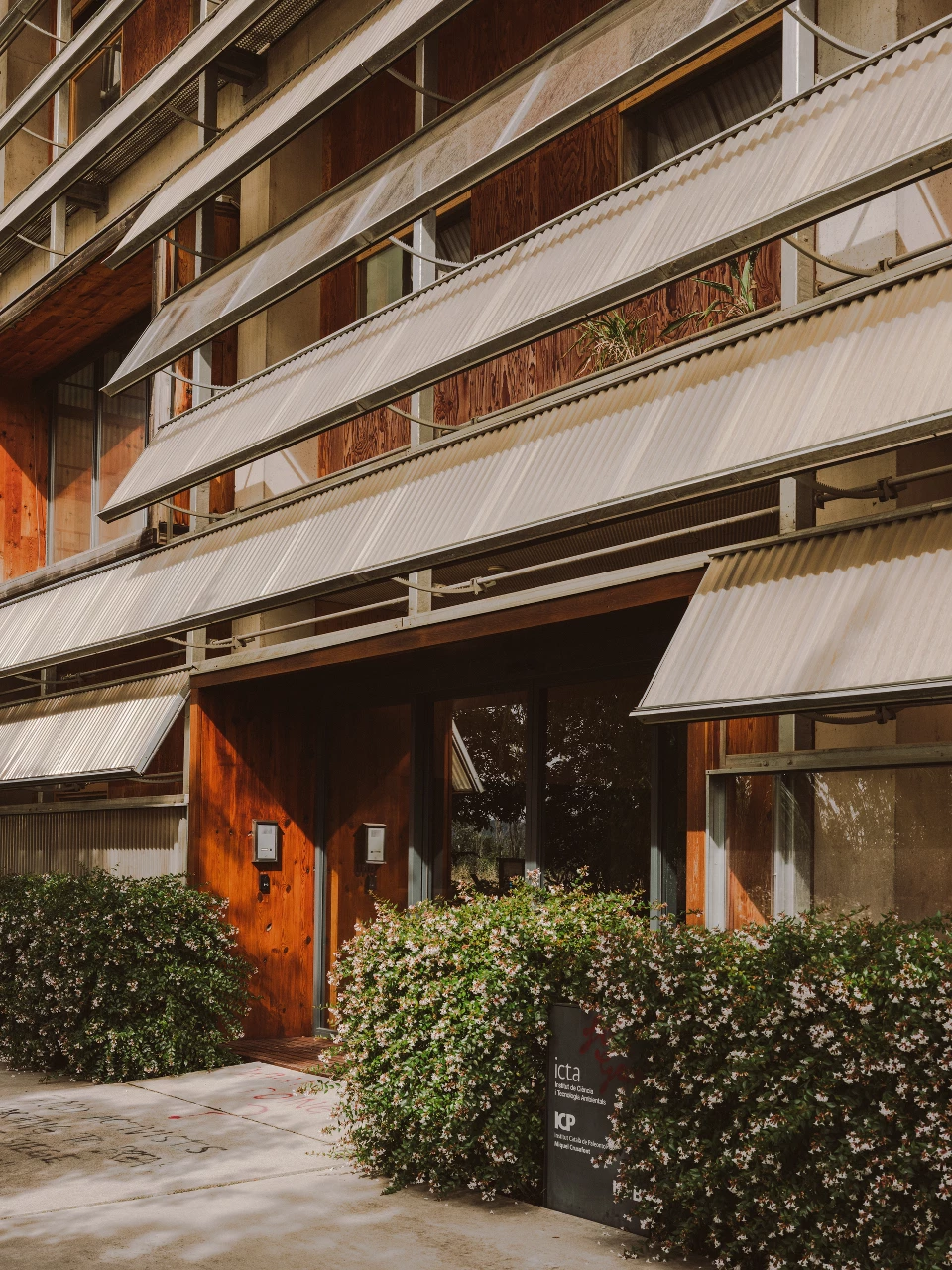
Institut de Ciència i Tecnologia Ambientals (ICTA-UAB)
Low-impact greenhouse building designed as a university facility with passive climate control systems.
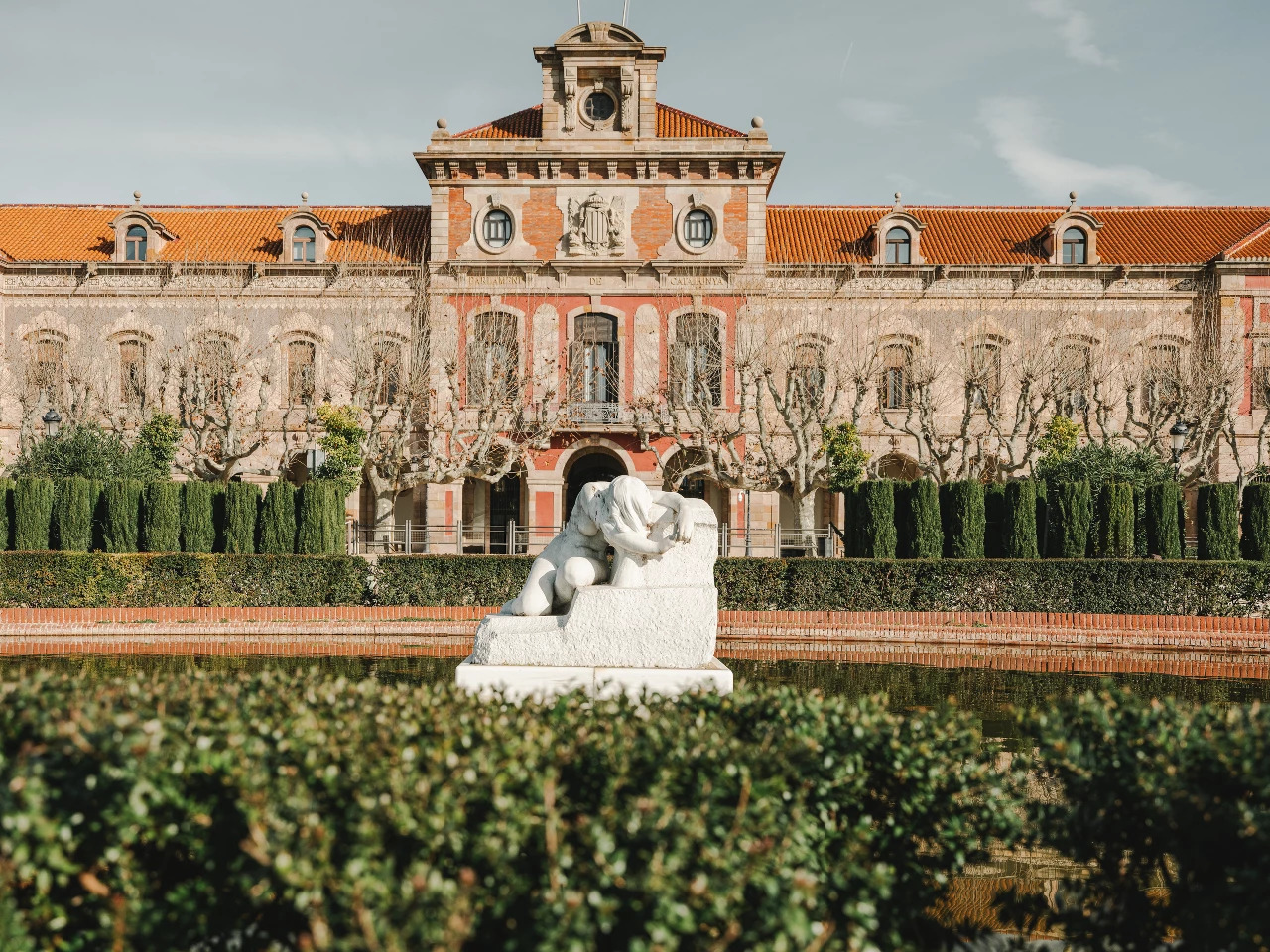
Parliament of Catalonia
An 18th-century neoclassical building that houses the Parliament of Catalonia in the Parc de la Ciutadella.
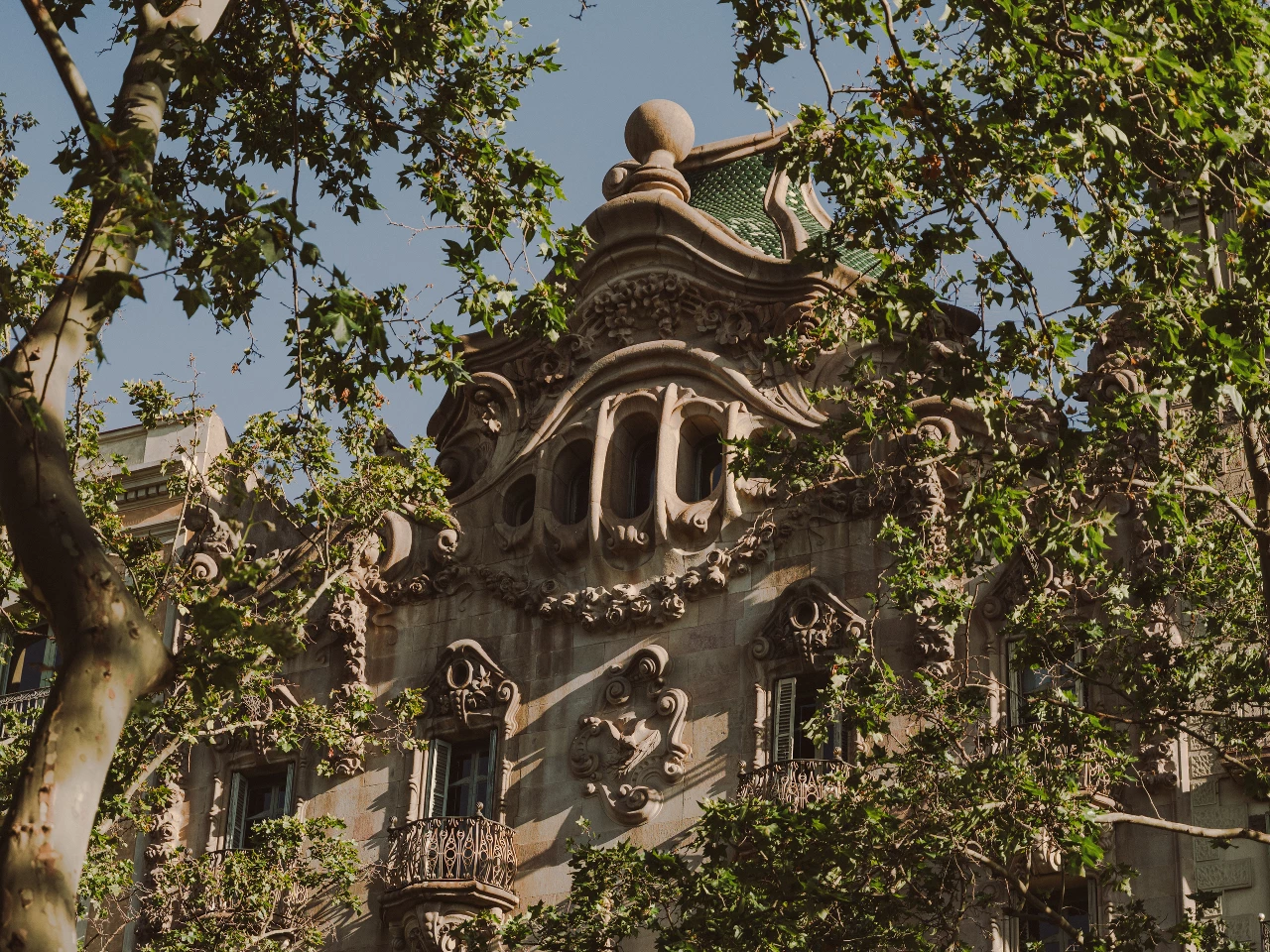
Palau Montaner
A richly decorated modernista building, now home to the Government Delegation in Catalonia.

Find Barcelona’s most emblematic homes and buildings
Filters
Search by dates
