Església de la Mare de Déu de Betlem
A Baroque temple located on La Rambla, noted for its façade adorned with sculptures of Jesuit saints and a Nativity scene.

Església de Sant Felip Neri
A Baroque church in a romantically charming square of the same name, a poignant testament to the Spanish Civil War.

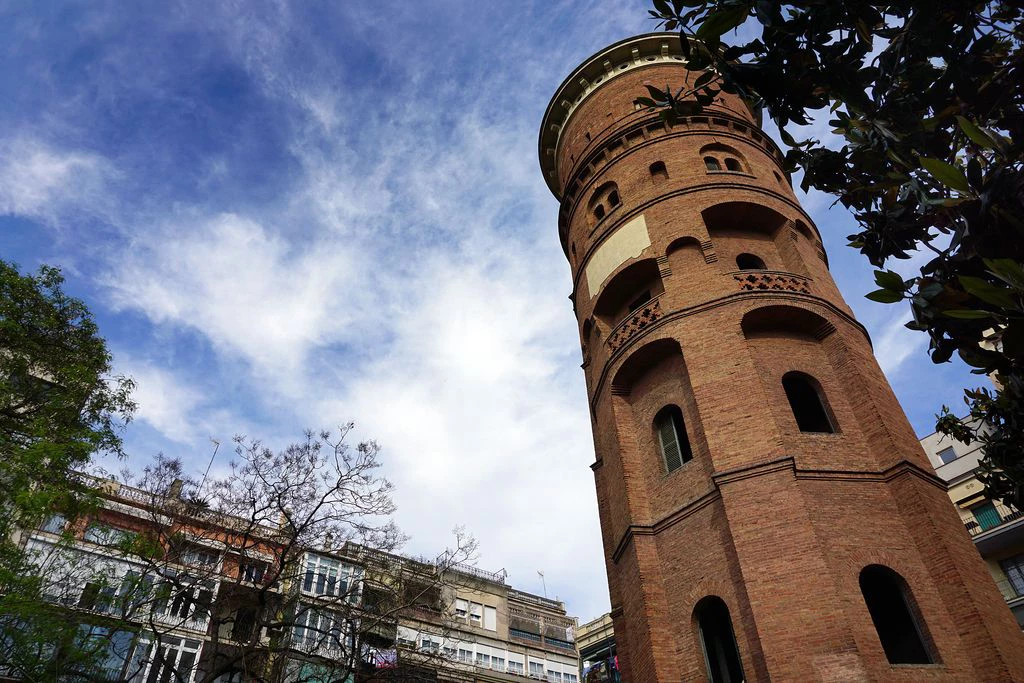
The Eixample’s First Water Tower
Cylindrical exposed-brick water tower, a key testament to the origins of Cerdà’s Eixample.
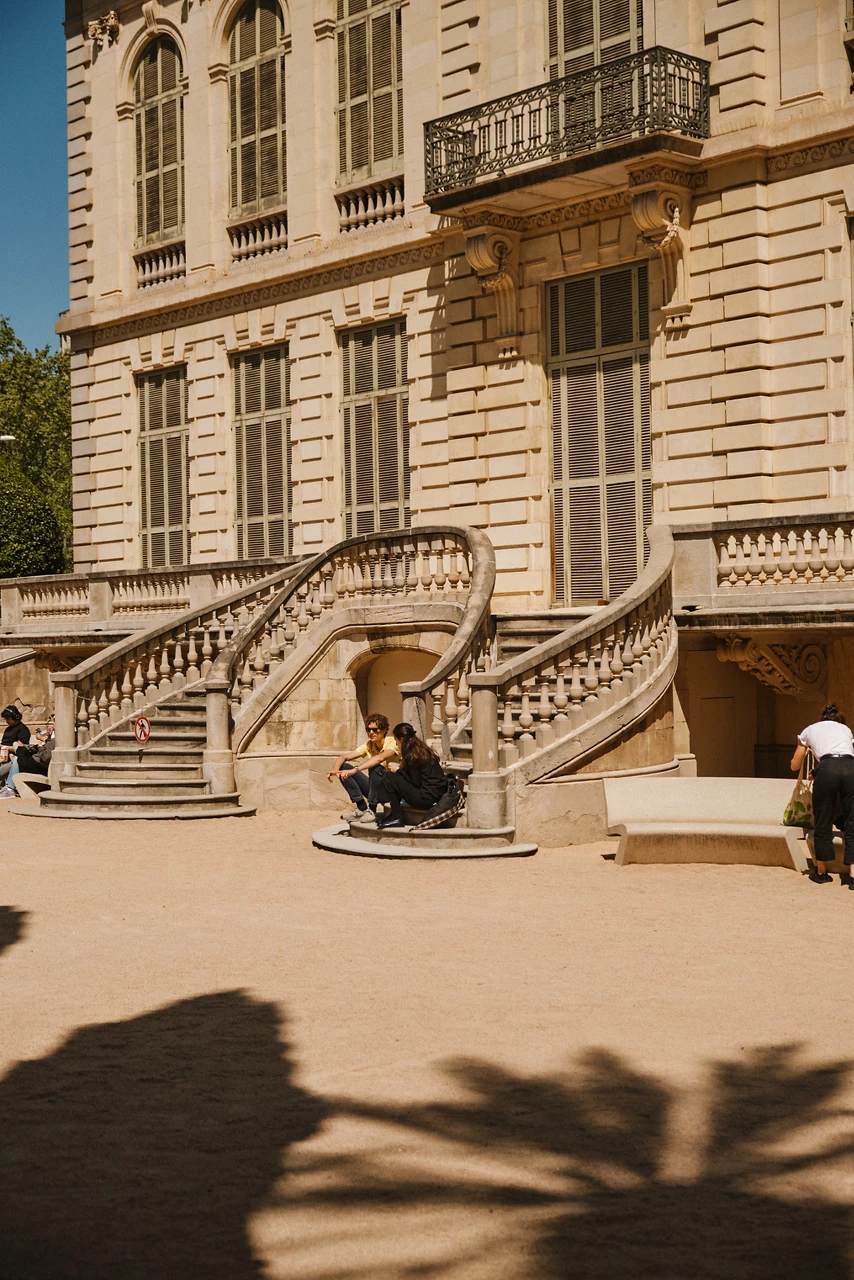
Palau Robert
A public venue in a neoclassical building, hosting exhibitions and events that reveal the rich diversity of Catalonia.
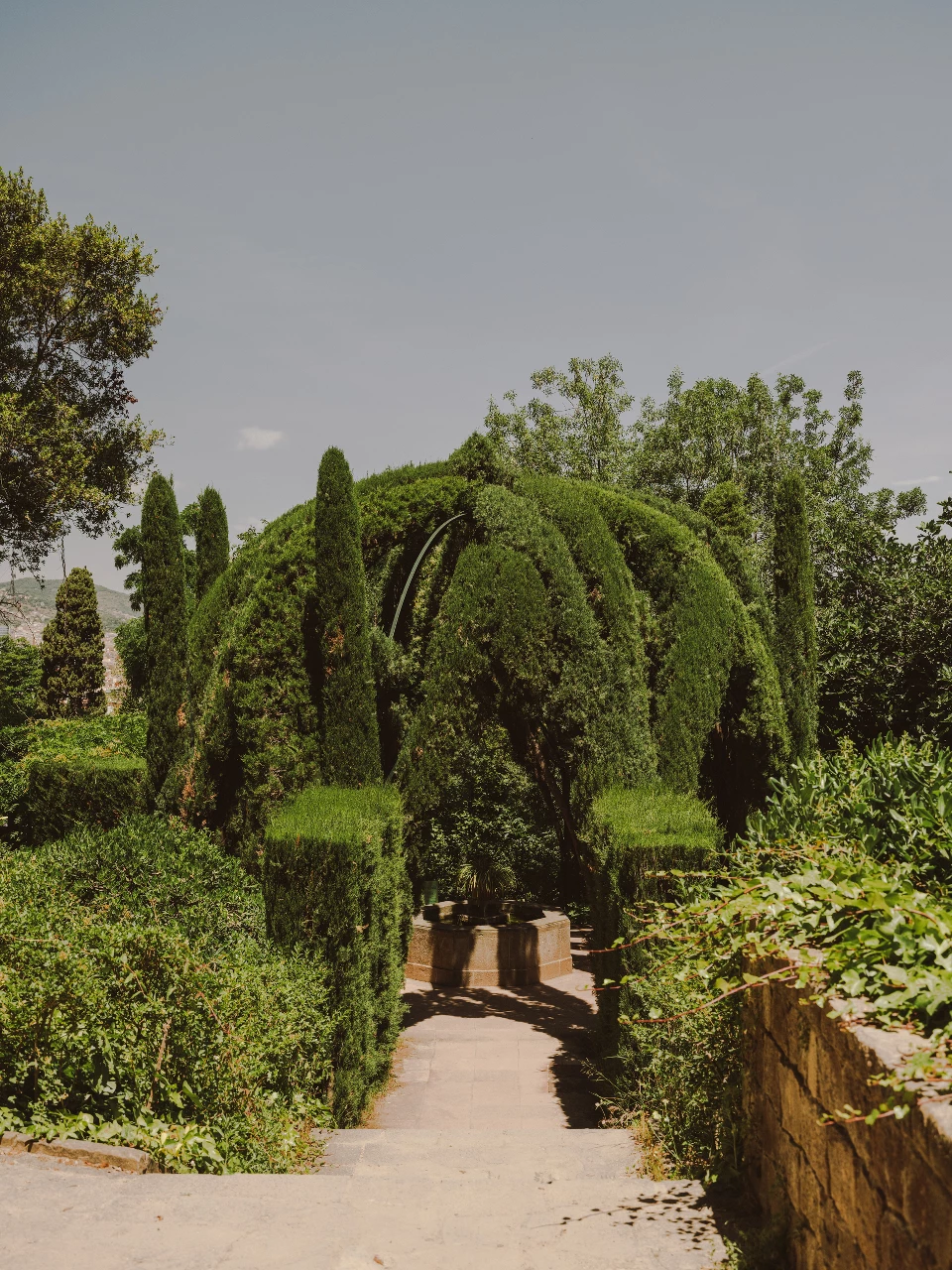
Jardí d’Aclimatació de Montjuïc
The Jardí d’Aclimatació de Montjuïc is a small botanical garden, perfect for a leisurely stroll in the heart of Montjuïc.

Jardins de Laribal
The Jardins de Laribal, full of lush greenery, are one of the most charming corners of Montjuïc hill in Barcelona.
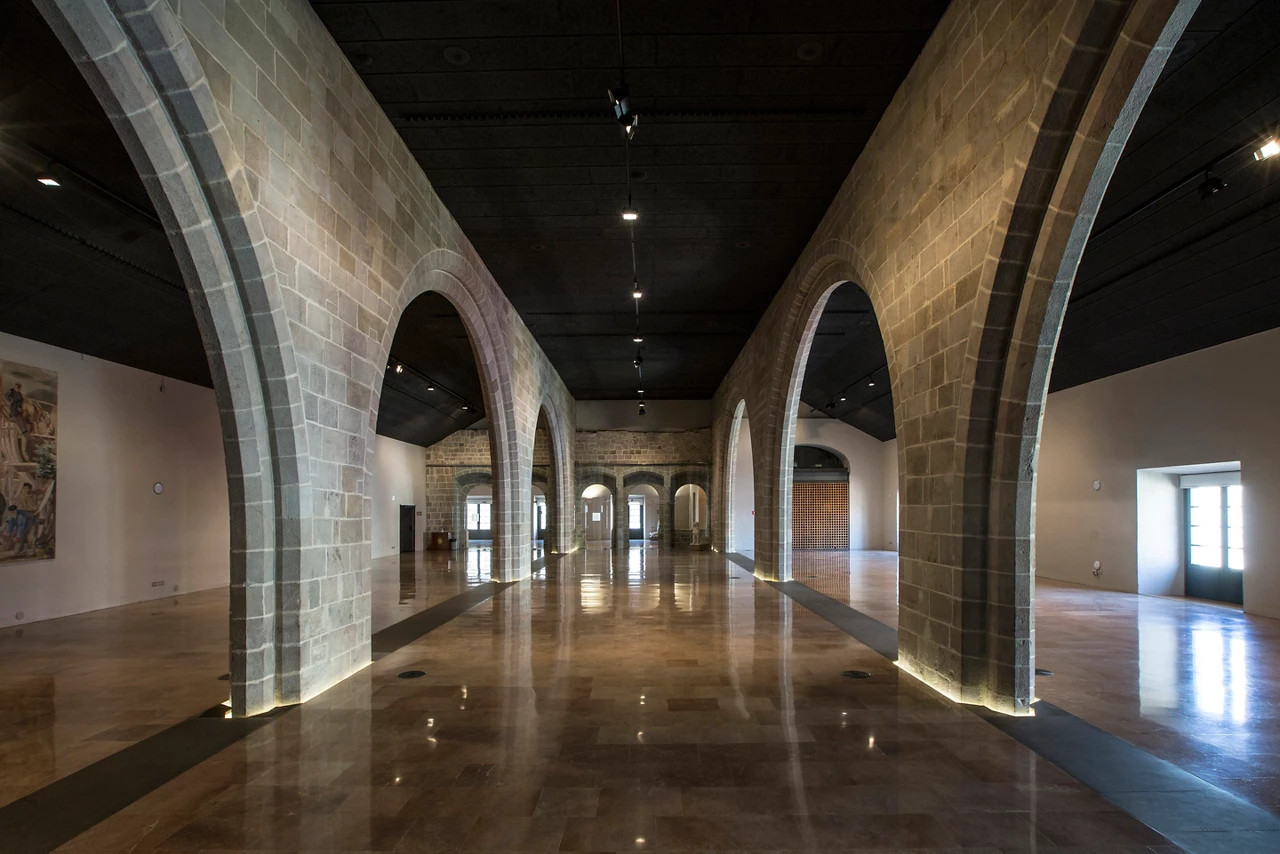
Castell de Montjuïc
A 17th-century military fortress at the top of Montjuïc, with open views over the port, the Mediterranean and the city.

La Llotja
A monumental 18th-century building combining neoclassical and Gothic architectural styles, historically connected to maritime trade and the fine arts.
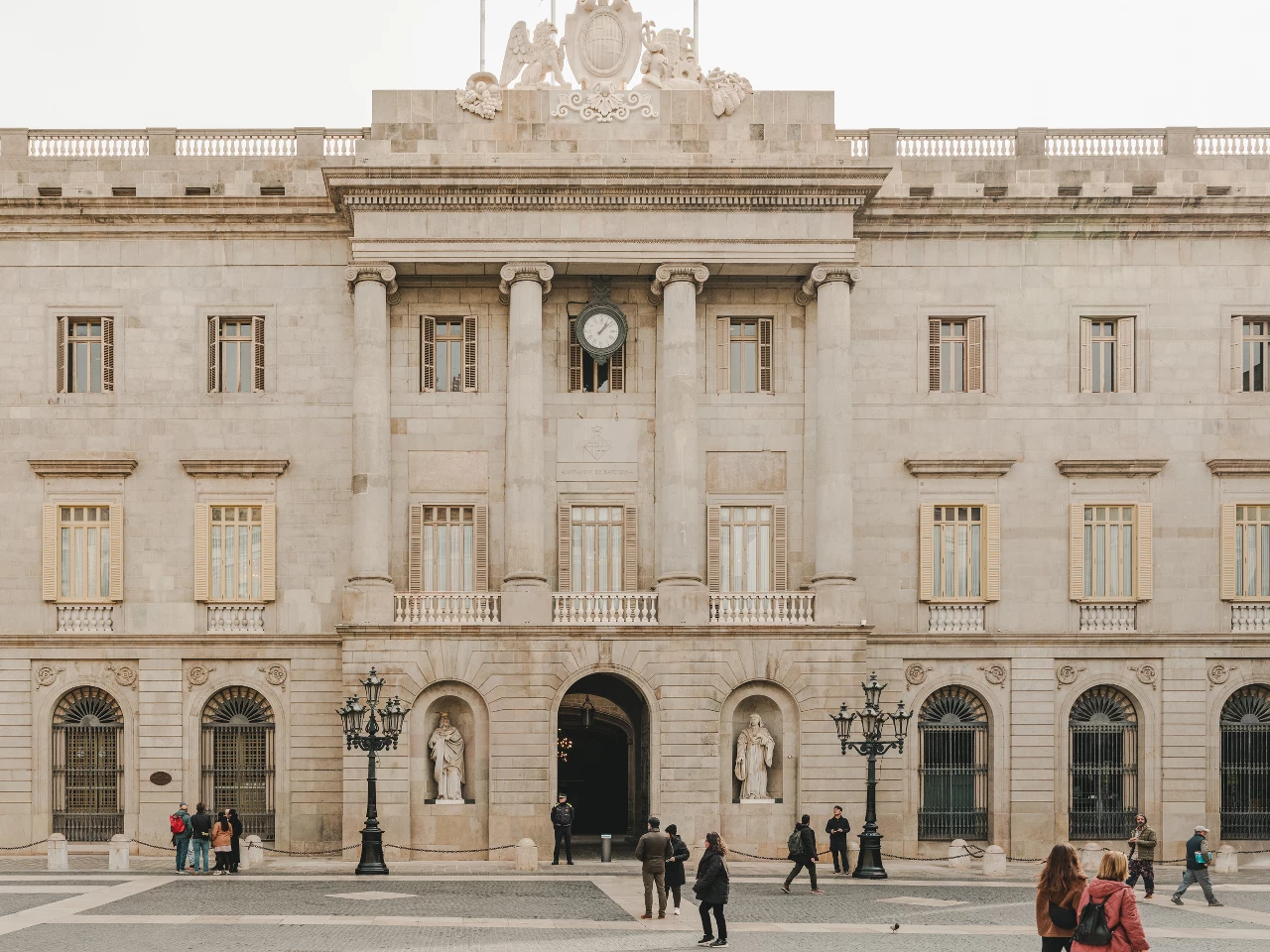
City Council or Casa de la Ciutat
Behind its neoclassical façade, it houses Barcelona City Council in Plaça de Sant Jaume, the former forum of the Roman city of Barcelona.
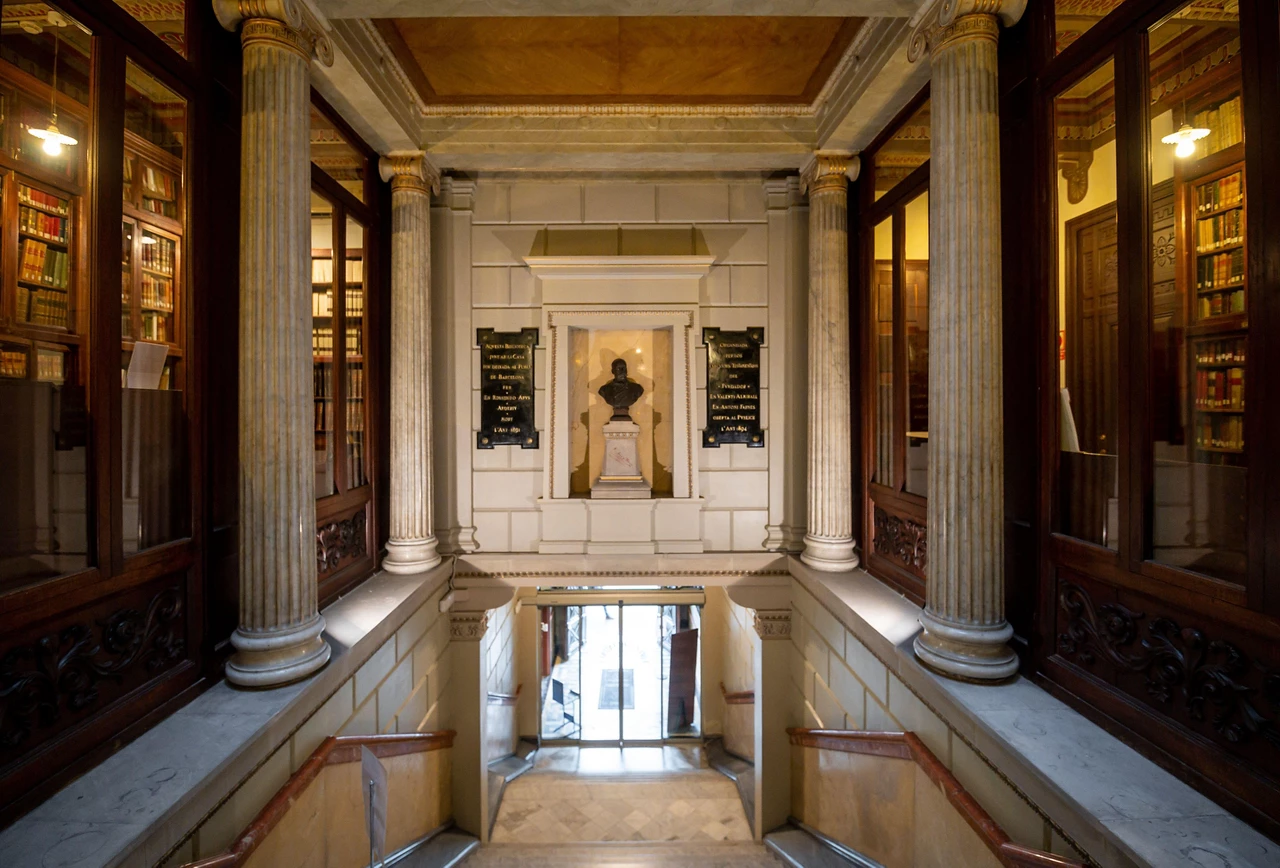
Biblioteca Pública Arús
A leading modernista library since 1895, with over 70,000 volumes dedicated to social, historical and cultural research.
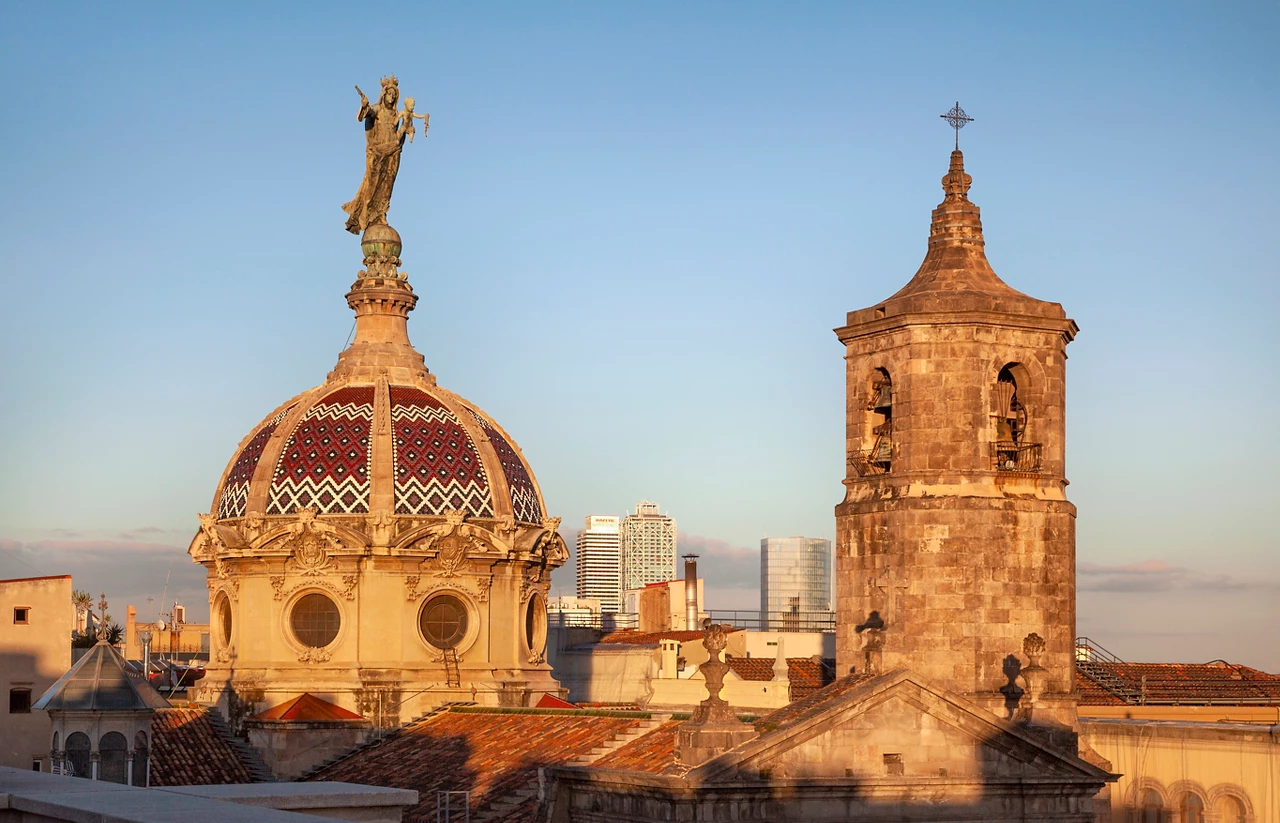
Reial Acadèmia de Ciències i Arts de Barcelona (RACAB)
A scientific centre housed in a modernista building on La Rambla, dedicated since the 18th century to the study, promotion and dissemination of science.

Poble Espanyol de Barcelona
An architectural complex featuring full-scale replicas of emblematic buildings from across Spain, reflecting the country’s cultural and artistic diversity.

Catedral de la Santa Creu i Santa Eulàlia de Barcelona
The city’s main church, built between the 13th and 15th centuries and dedicated to the Holy Cross and Saint Eulàlia, patron saint of Barcelona.

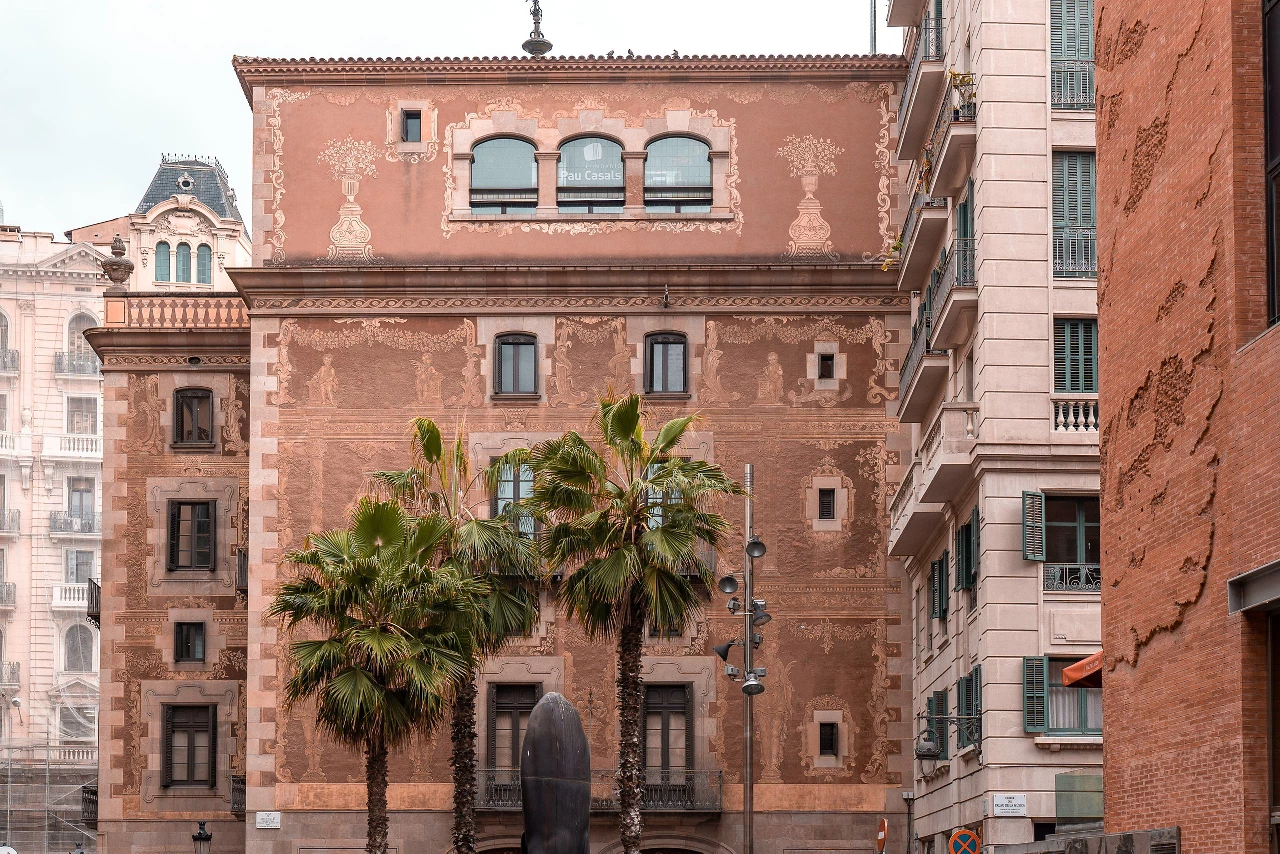
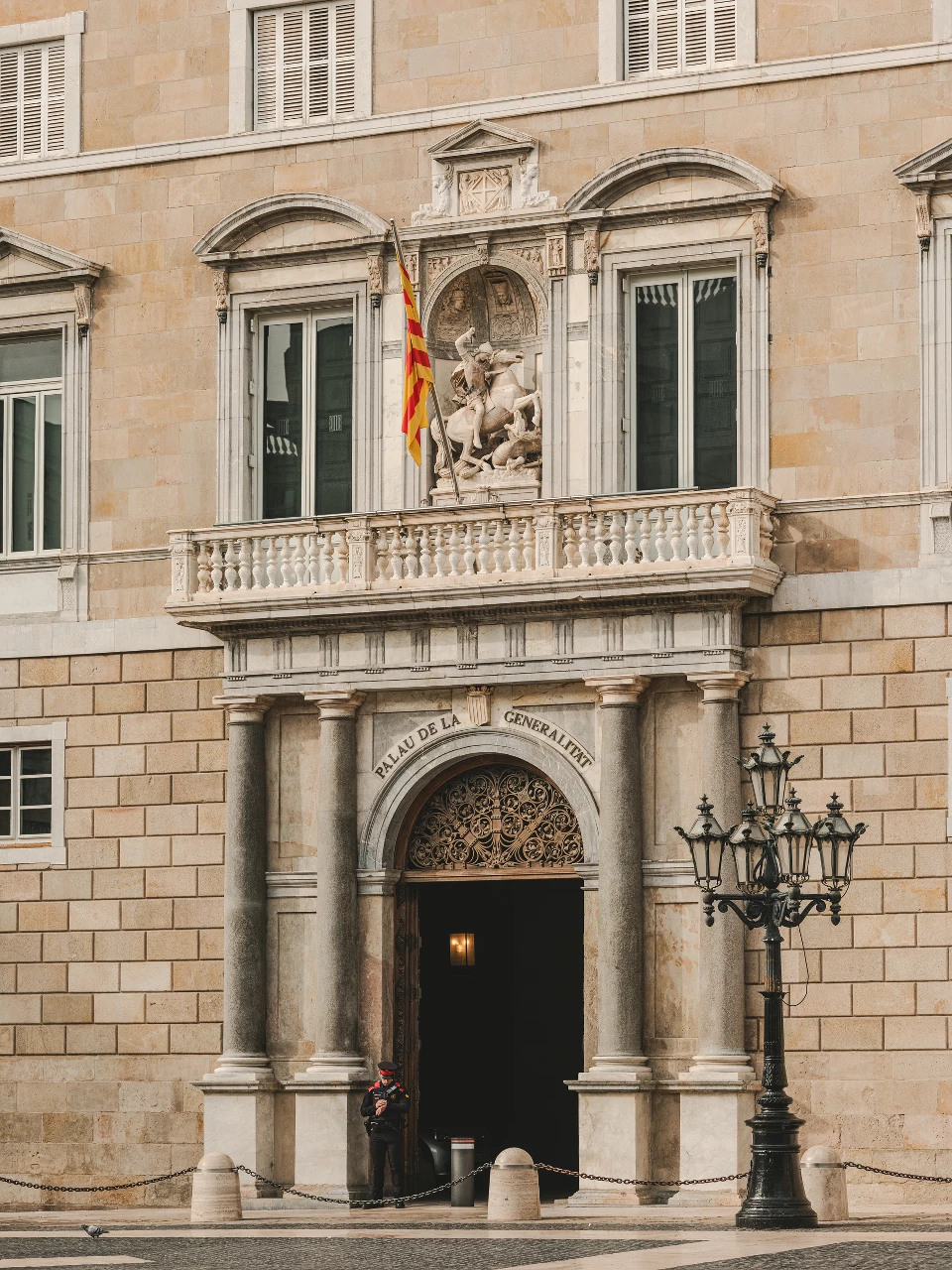
Palau de la Generalitat
Historic and current seat of the Generalitat Government of Catalonia, built between the 15th and 17th centuries and reflecting the transition from Gothic to Renaissance architecture.

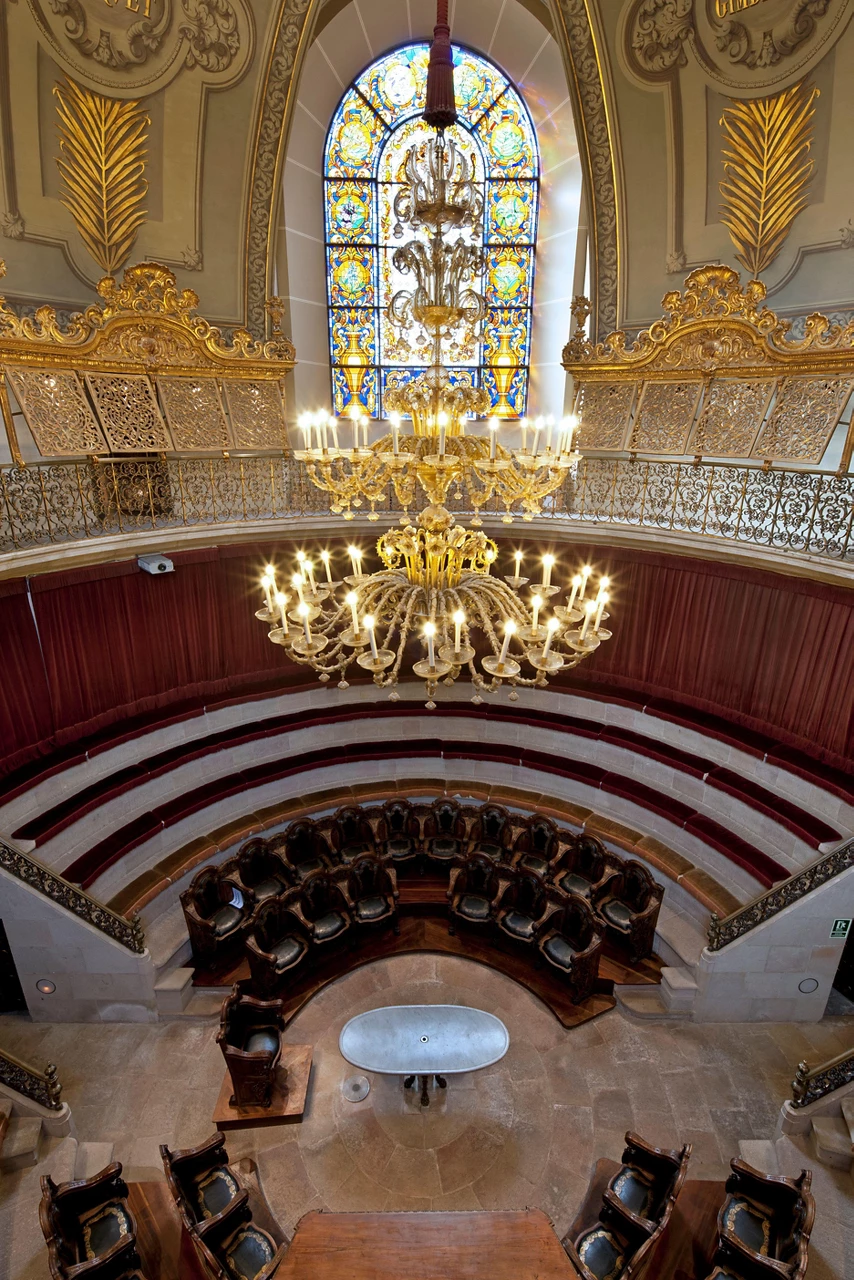
Reial Acadèmia de Medicina de Catalunya
A landmark neoclassical building in Barcelona’s medical history, now home to a leading academic institution.
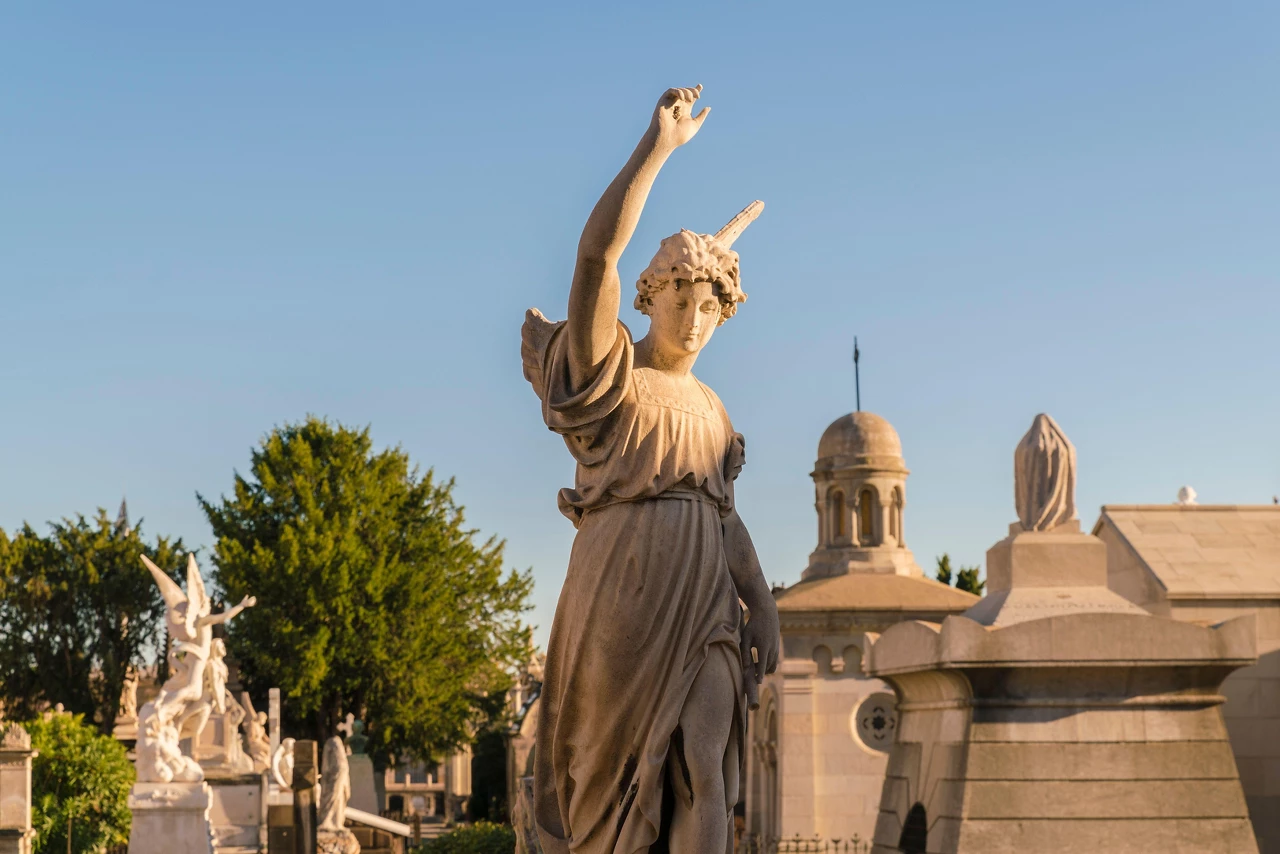
Cementiri de Poblenou
Barcelona’s oldest cemetery, of immense artistic and historical significance, featuring sculptures and distinguished figures.
Temple Expiatori del Sagrat Cor de Jesús del Tibidabo
An iconic Catholic church perched atop Tibidabo, visible from almost every corner of the city.

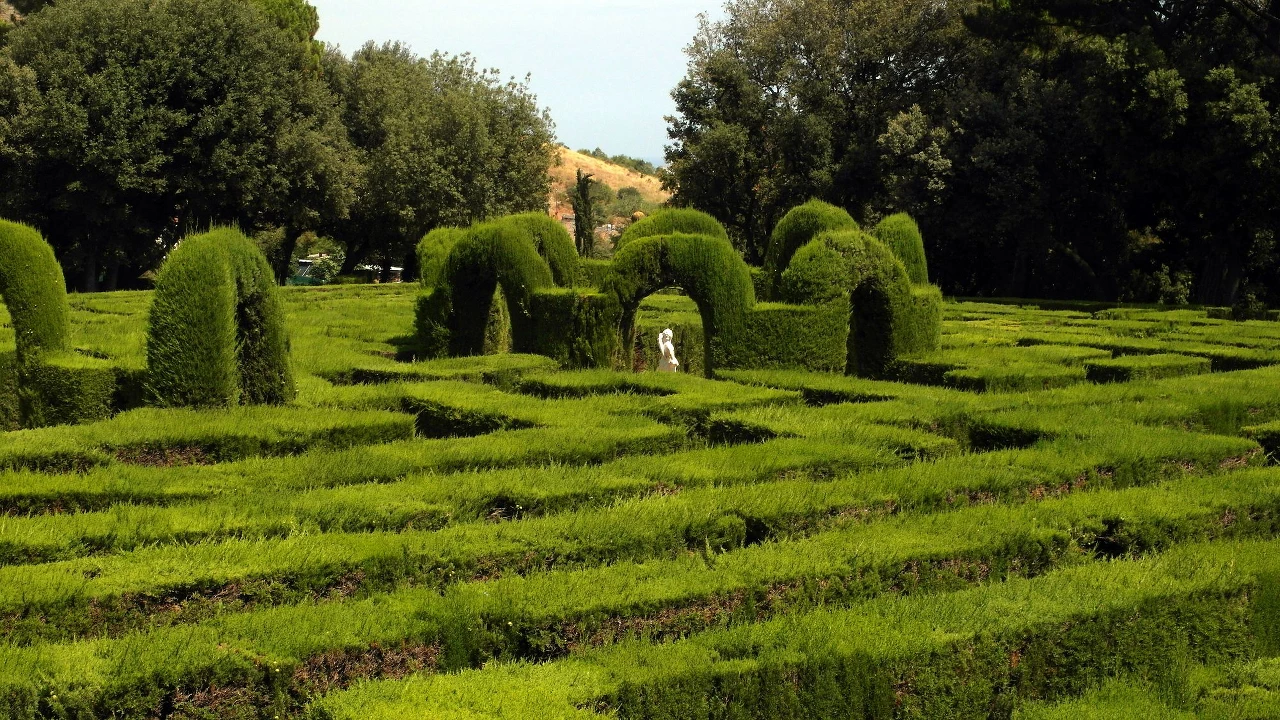
Parc del Laberint
Designed in 1791, it features a distinctive cypress maze and combines an 18th-century neoclassical garden with a 19th-century Romantic one.
Arxiu Històric de la Ciutat de Barcelona – Casa de l’Ardiaca
A Gothic and Renaissance building housing the documentary, bibliographic and graphic heritage of Barcelona City Council.

La Virreina. Centre de la Imatge
A municipal centre for contemporary visual culture, set within a Baroque palace on La Rambla.

Fossar de les Moreres
Memorial to the War of the Spanish Succession, in the square beside the Basílica de Santa Maria del Mar.
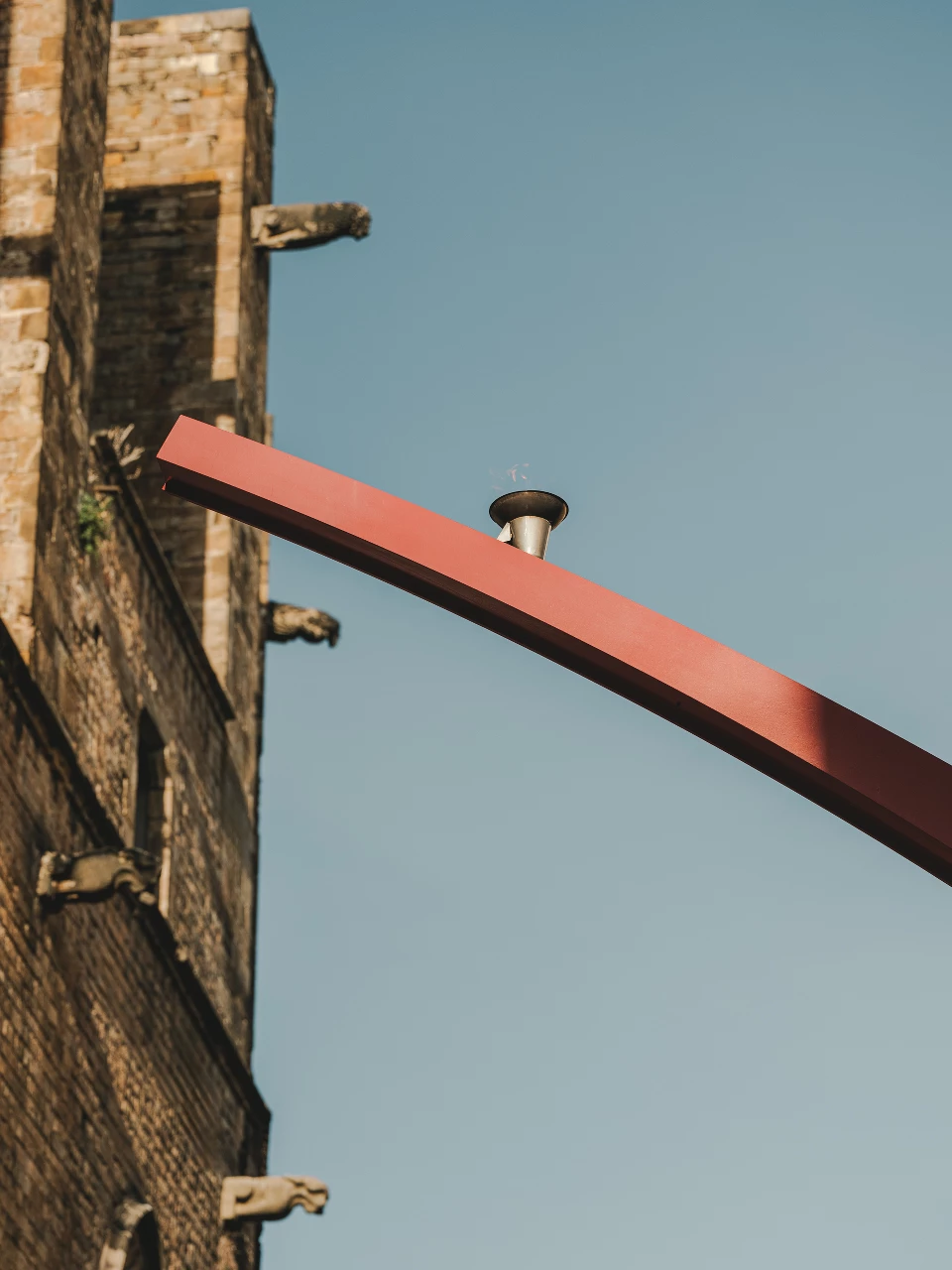
Jardí Botànic Històric
On Montjuïc, there is an unexpected garden with Euro-Siberian plant species and tall trees.
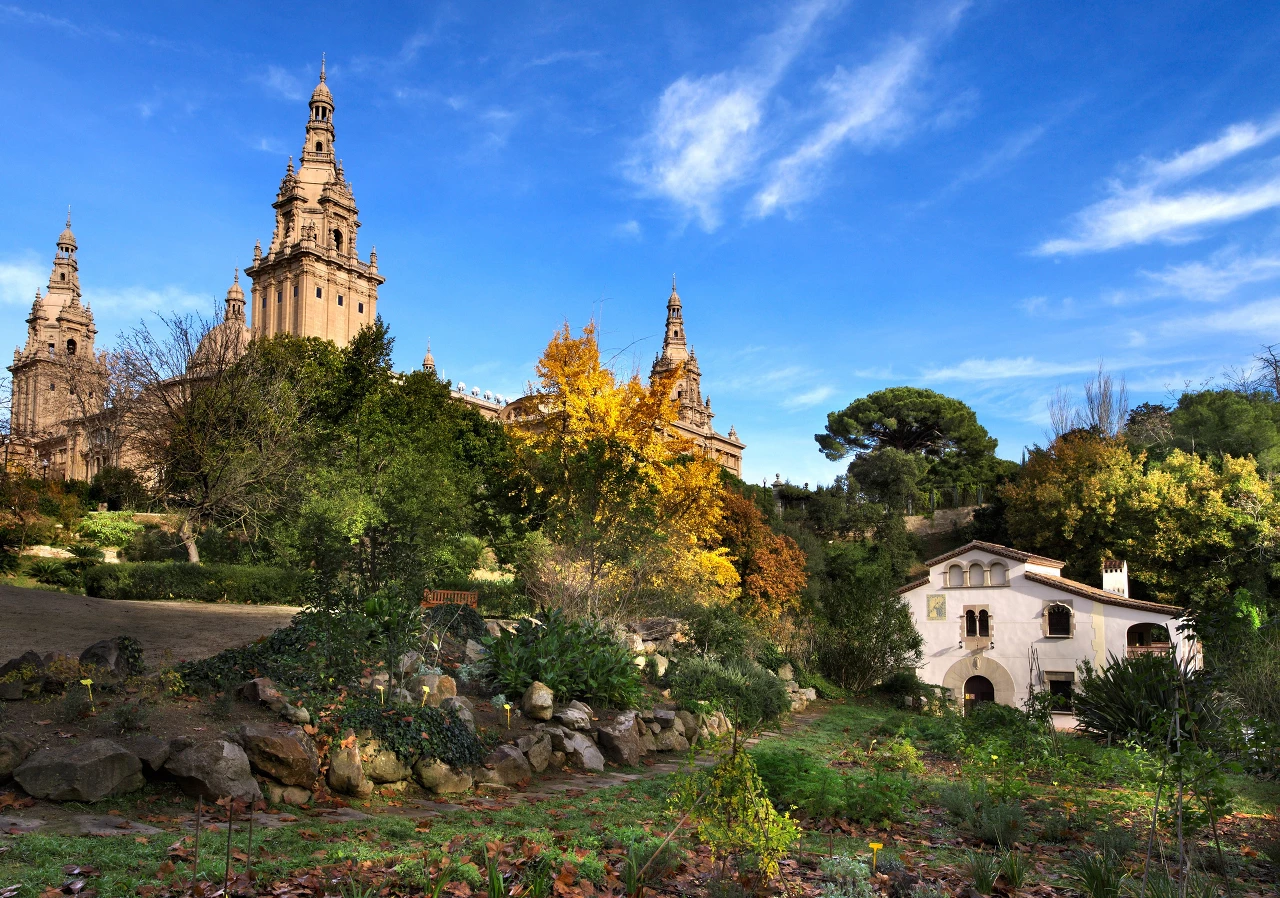
Reial Acadèmia de Farmàcia de Catalunya
Gothic-style academic institution specialising in pharmaceutical sciences, set within the Hospital de Santa Creu.

Cementiri de Montjuïc
A necropolis and open-air museum showcasing modern Barcelona, with notable architectural works.

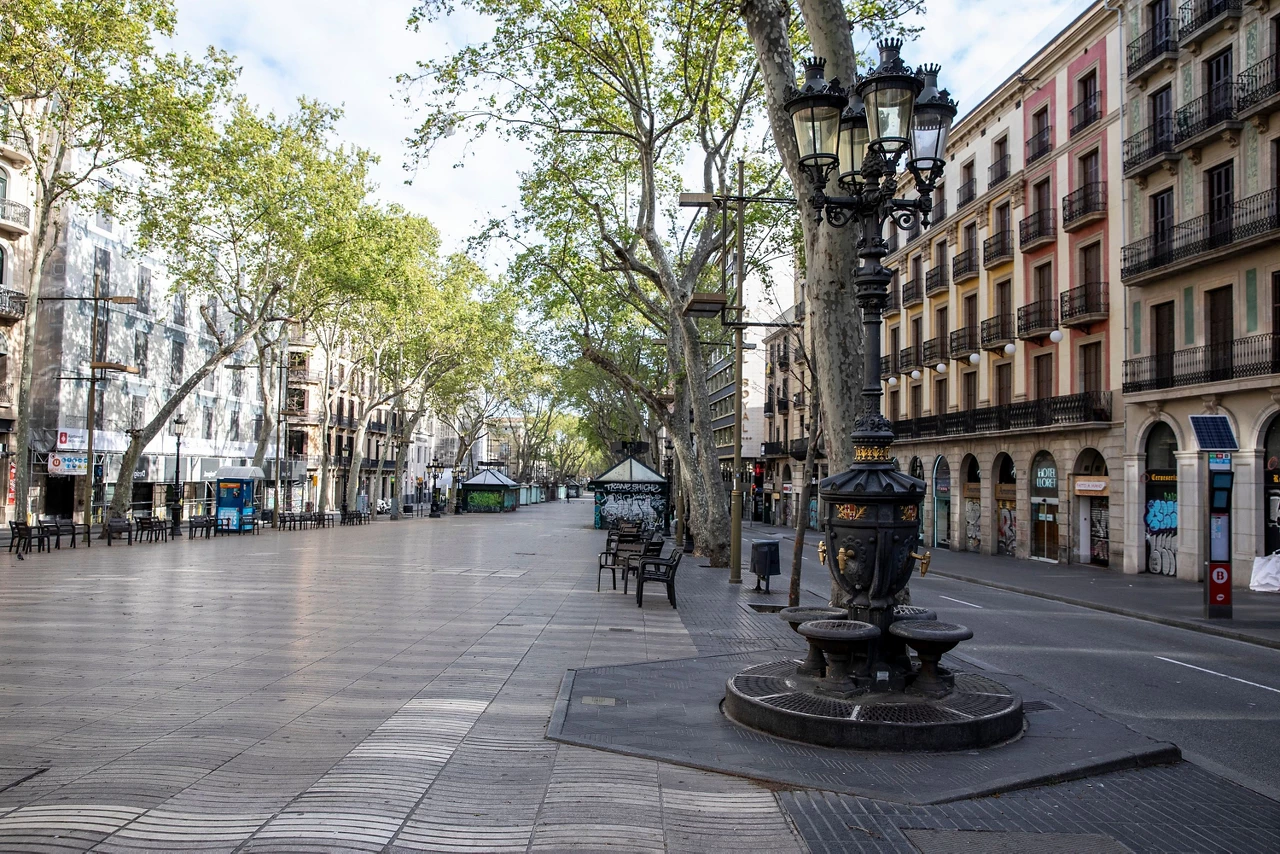
Font de Canaletes
An iconic iron fountain on La Rambla – and the place where Barça victories are celebrated.
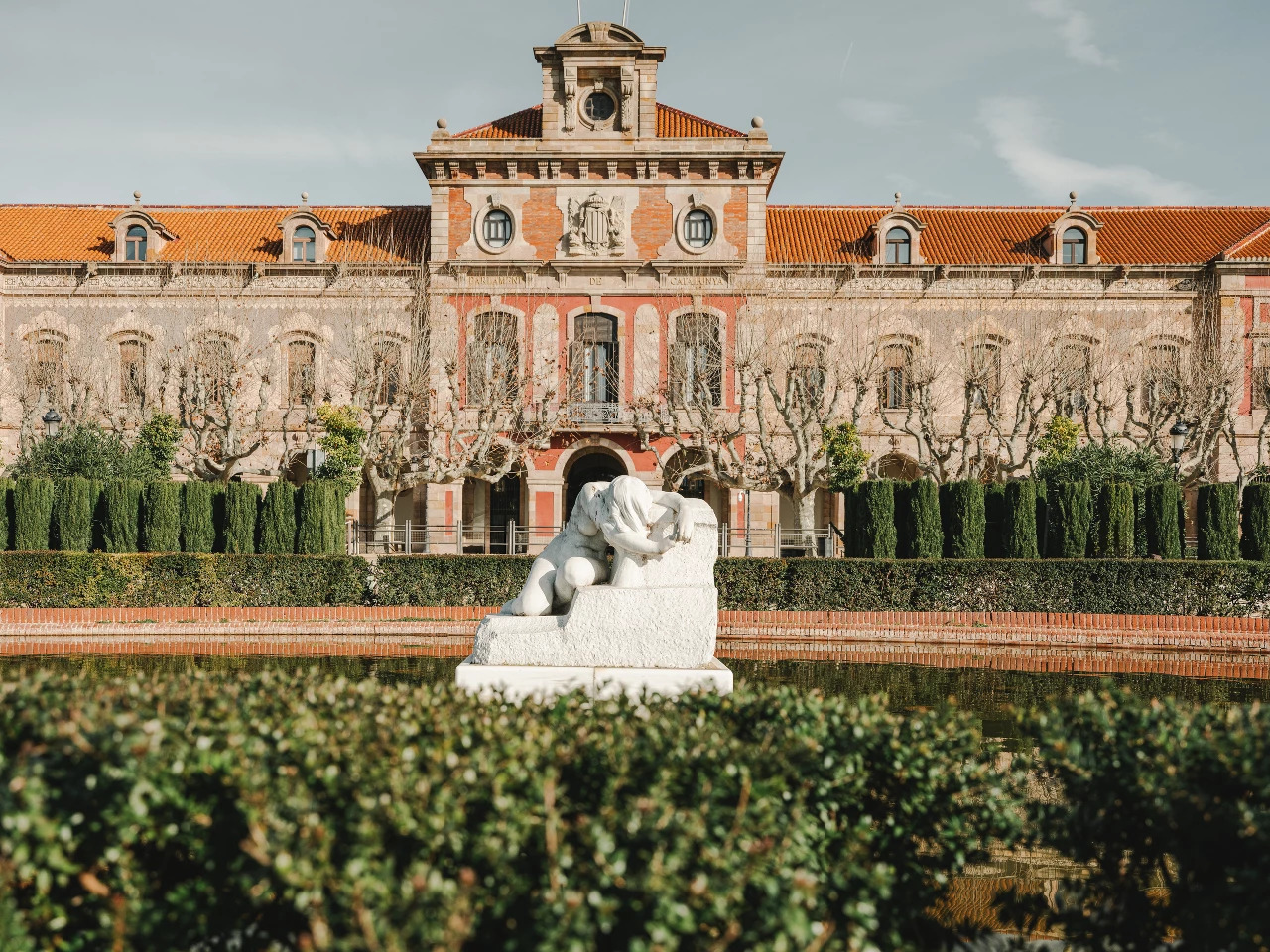
Parliament of Catalonia
An 18th-century neoclassical building that houses the Parliament of Catalonia in the Parc de la Ciutadella.
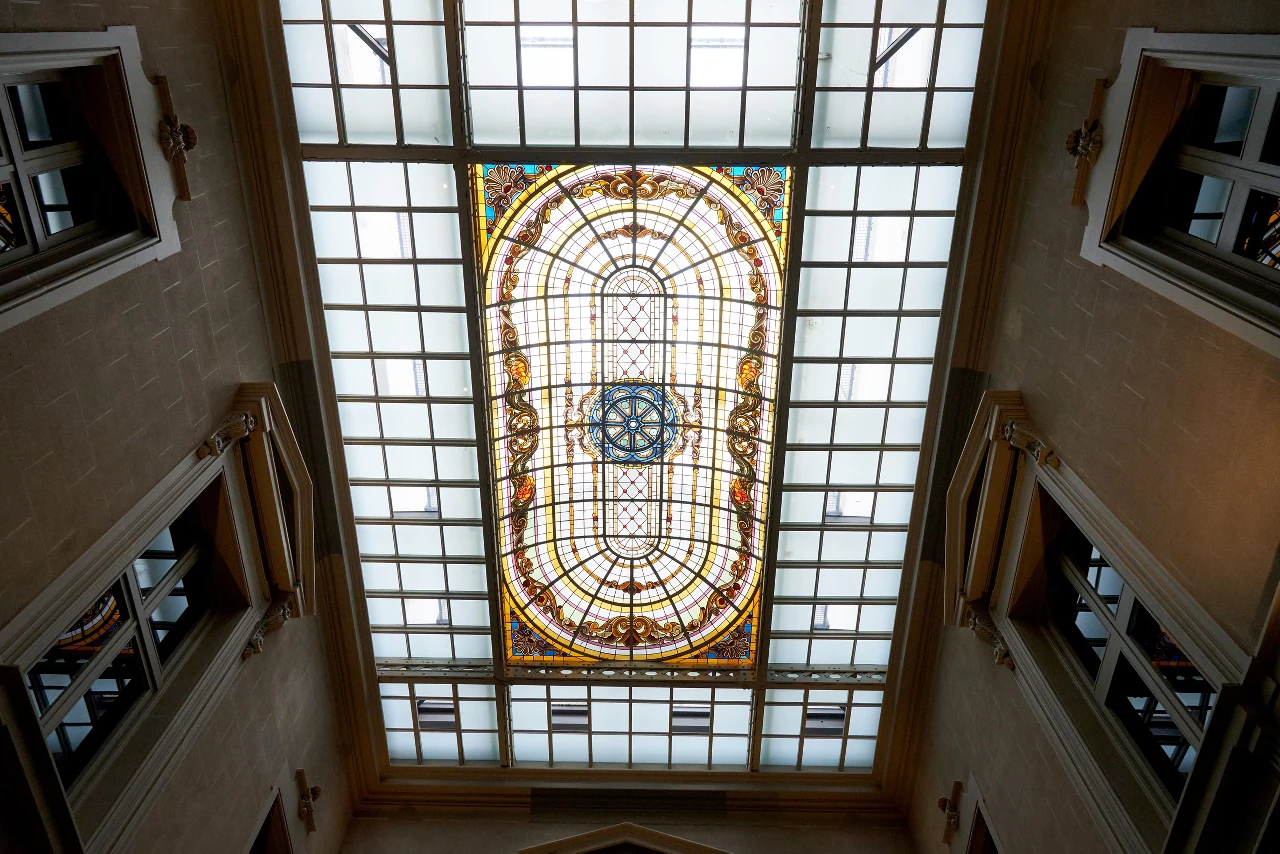
Estació del Nord
Tourist information office on the ground floor of Estació del Nord, offering travellers guidance on transport, services and activities in Barcelona.
