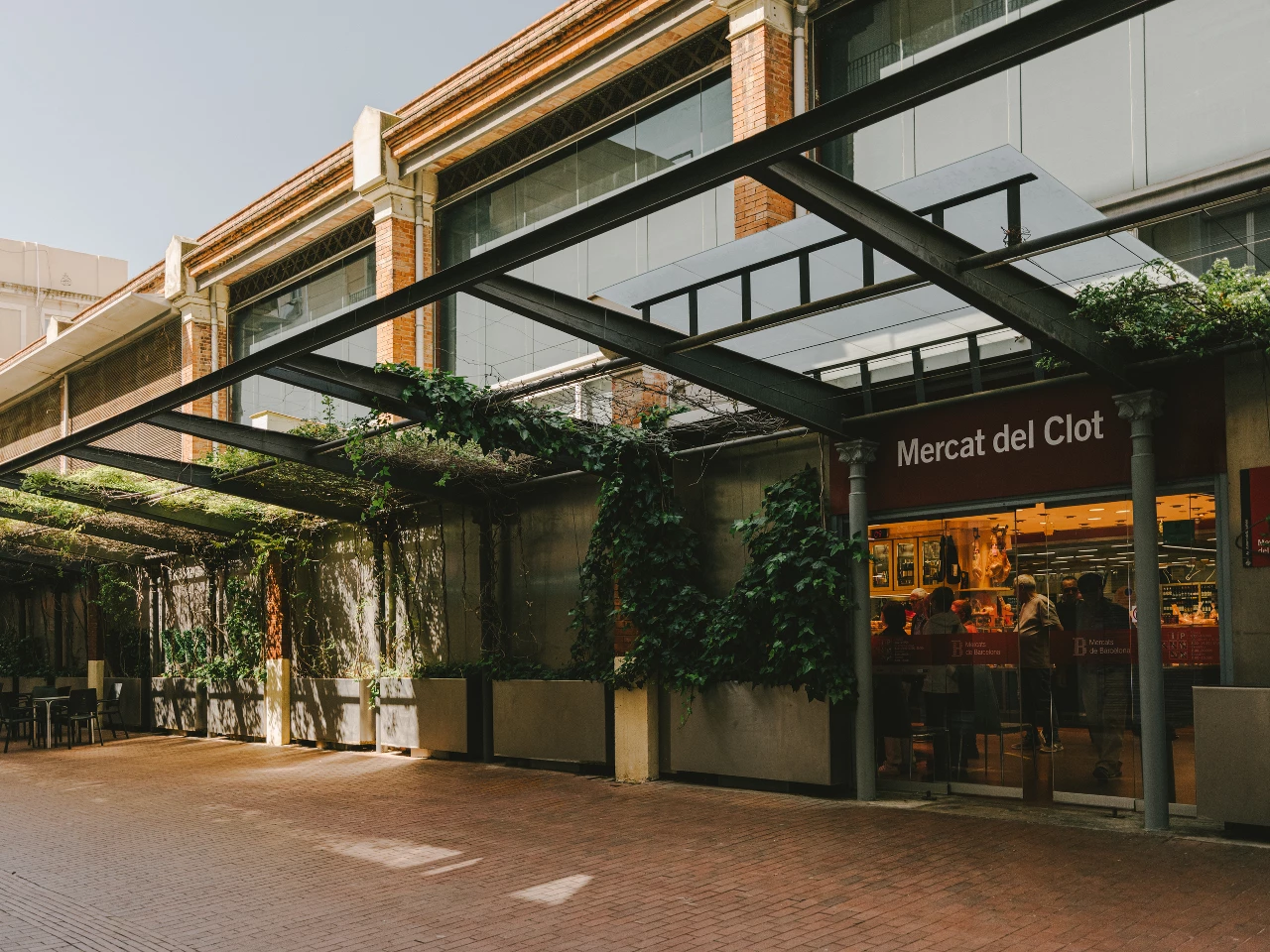
Casa Roviralta
Modernista mansion, popularly known as “El Frare Blanc” [“The White Friar”] standing on the elegant Avinguda del Tibidabo.
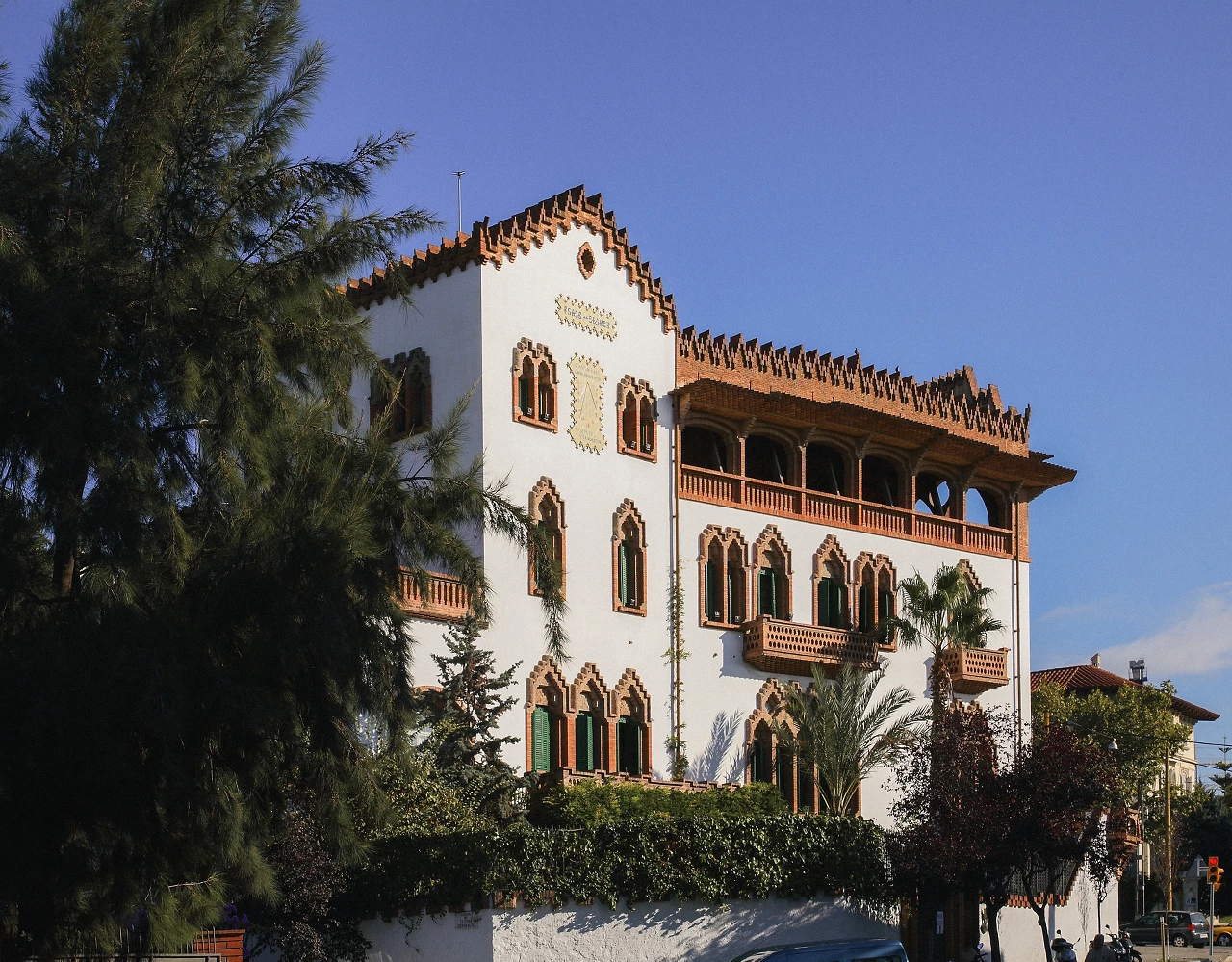
Casa Thomas
This building, at the heart of the Eixample district, displays some of the most authentic features of Modernisme.
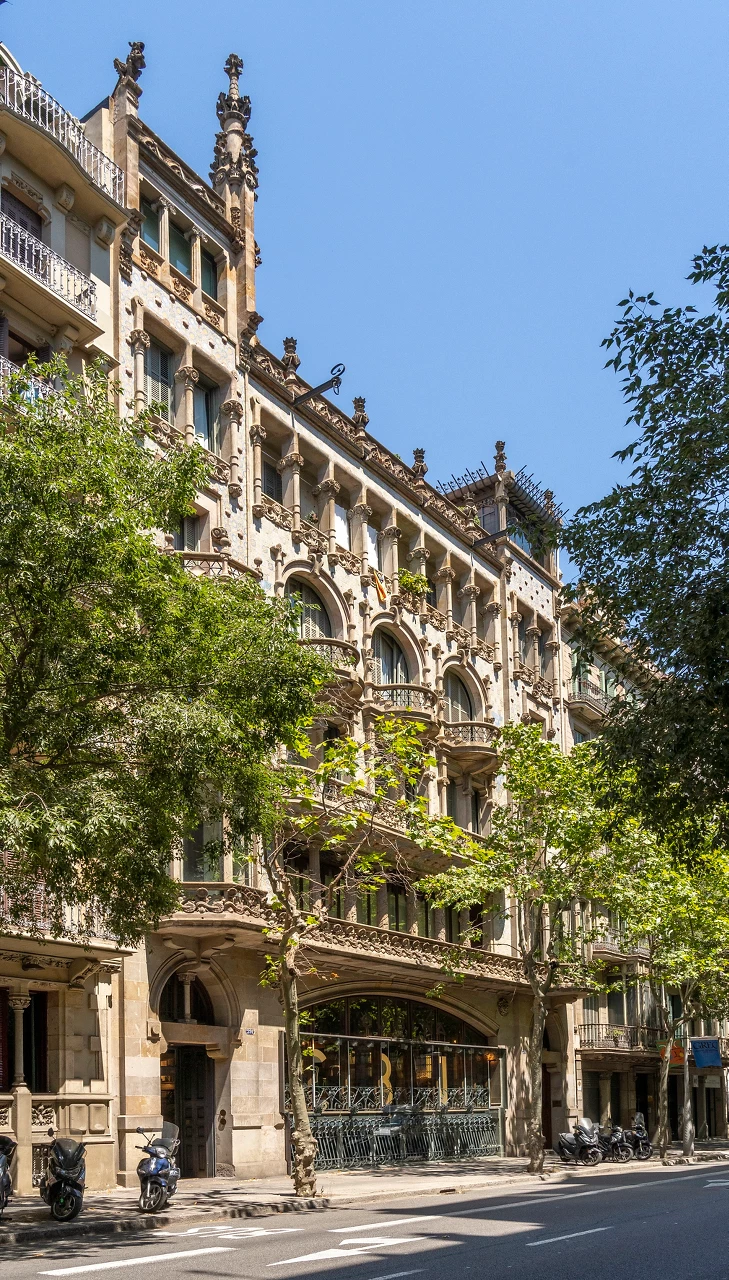
Palau Baró de Quadras
A modernista mansion by Josep Puig i Cadafalch with two very different façades.

Sant Pau Recinte Modernista
A modernista hospital complex from the early 20th century, repurposed as a space for culture and knowledge.
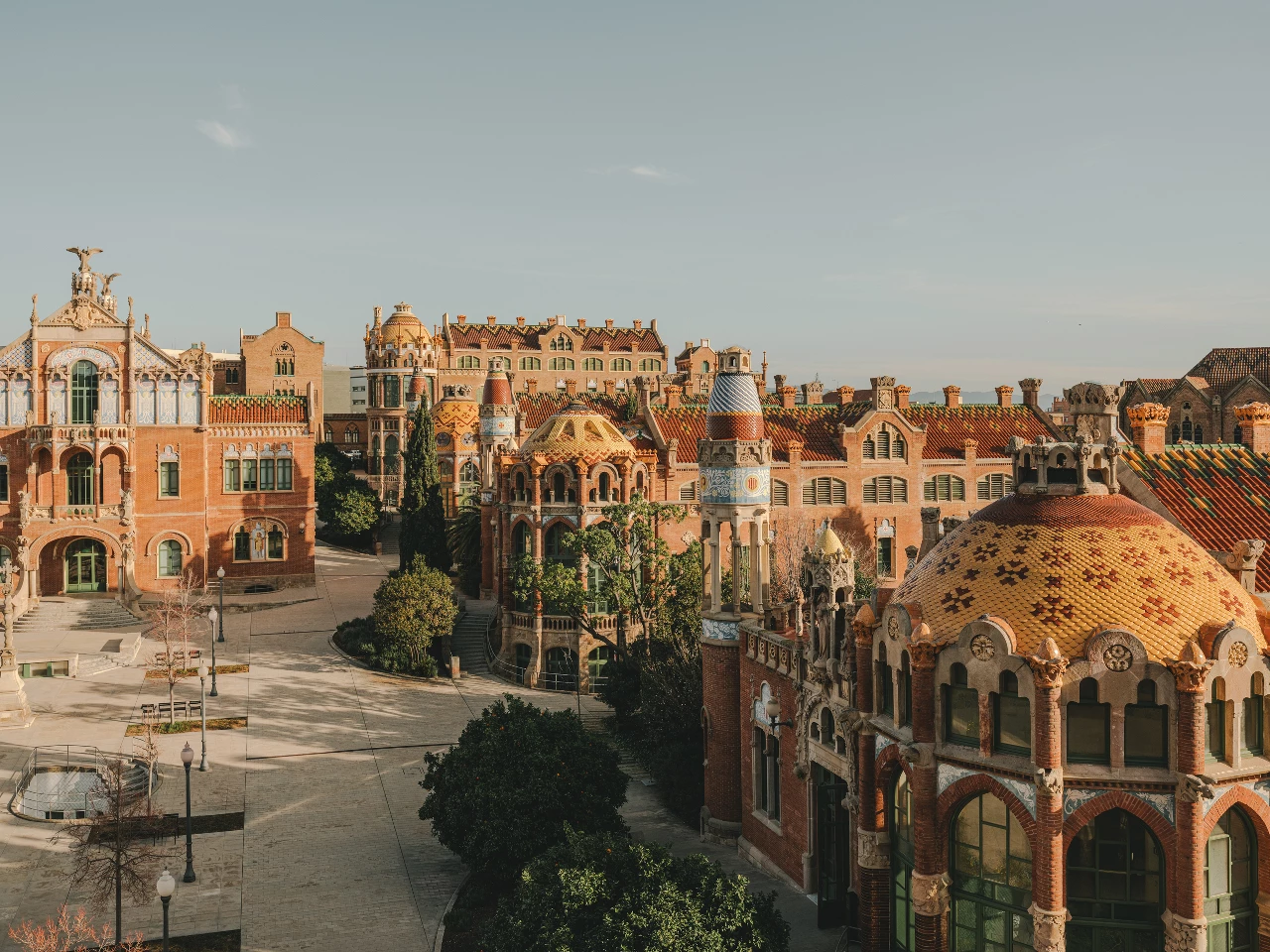
Torre d’Aigües de Catalana de Gas
A modernista water tower that increased the hydraulic pressure of the former gas factory.

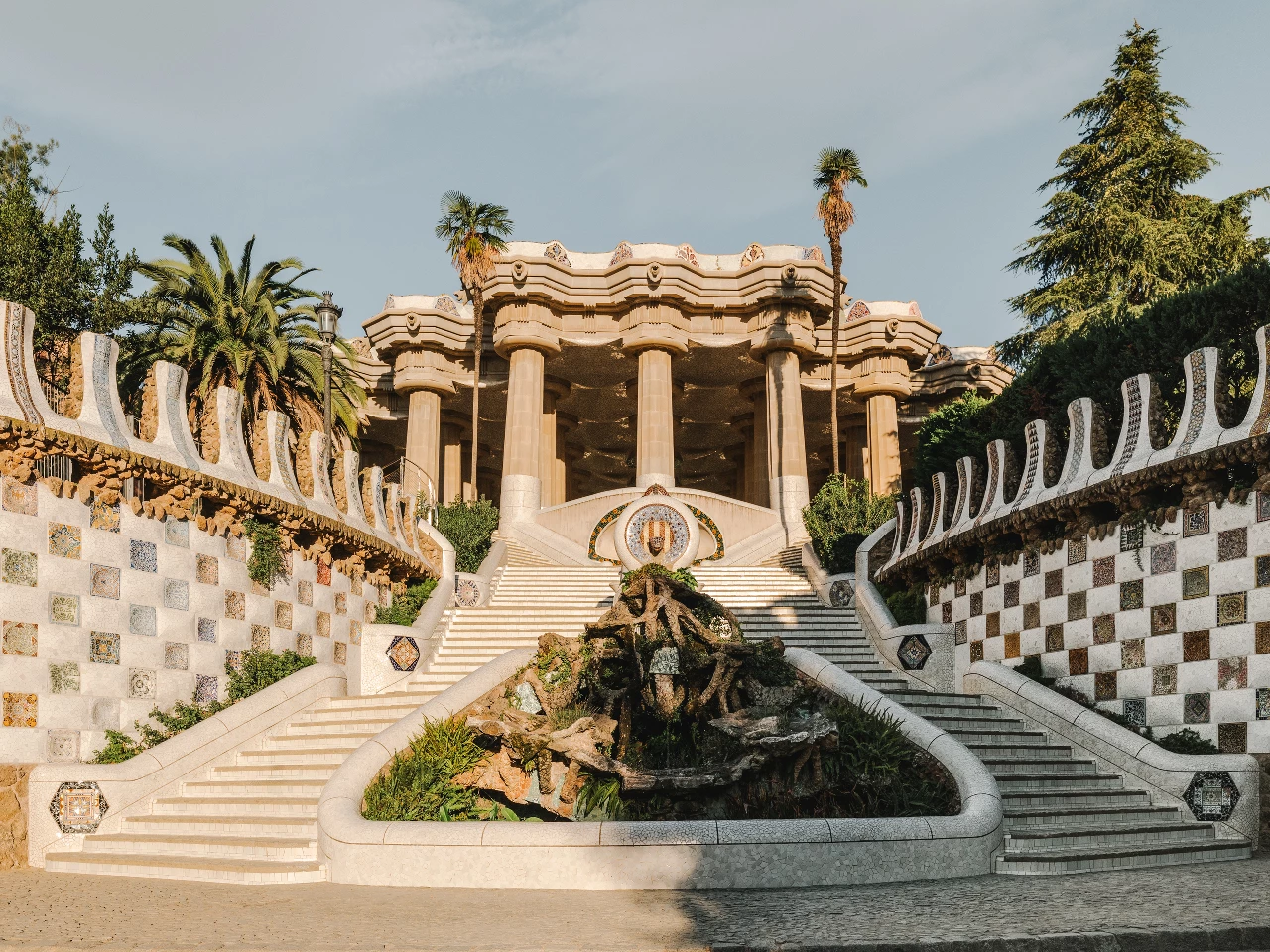
Park Güell
A monumental park designed by Antoni Gaudí, where modernista architecture and nature sit within a single landscape.
Casa Bruno Cuadros
A modernista façade with Oriental touches, recalling its past as a century-old umbrella shop.

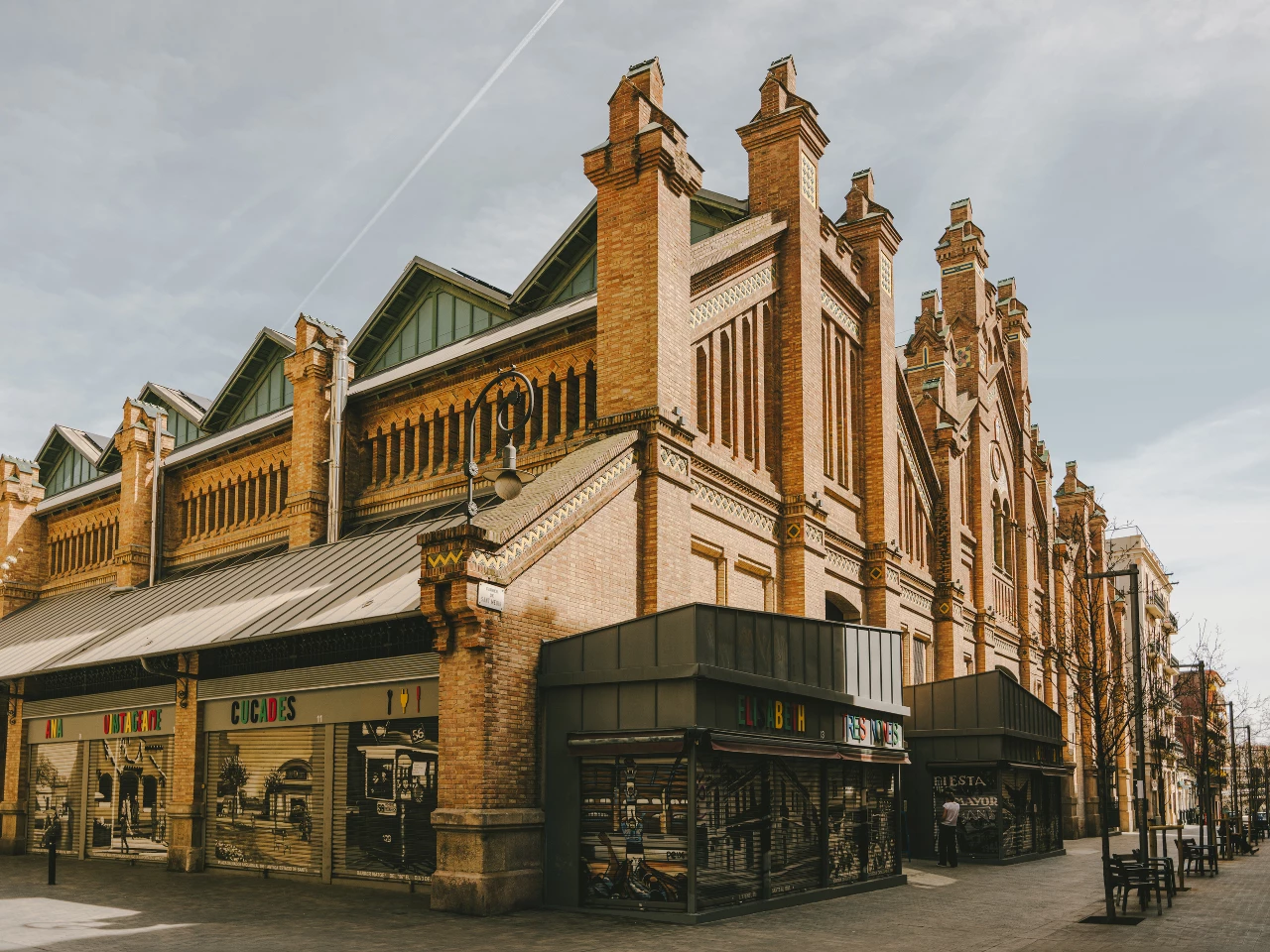
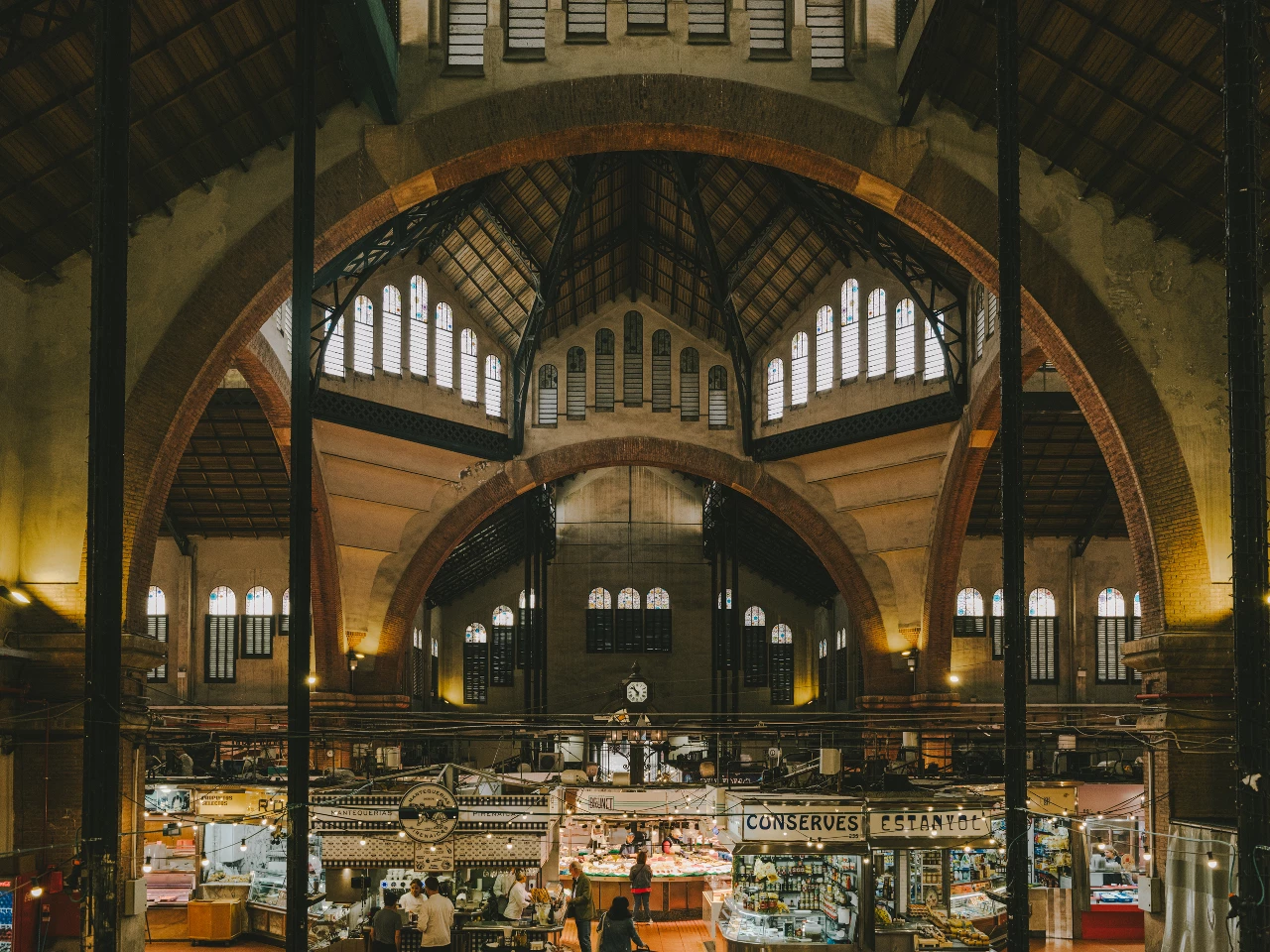
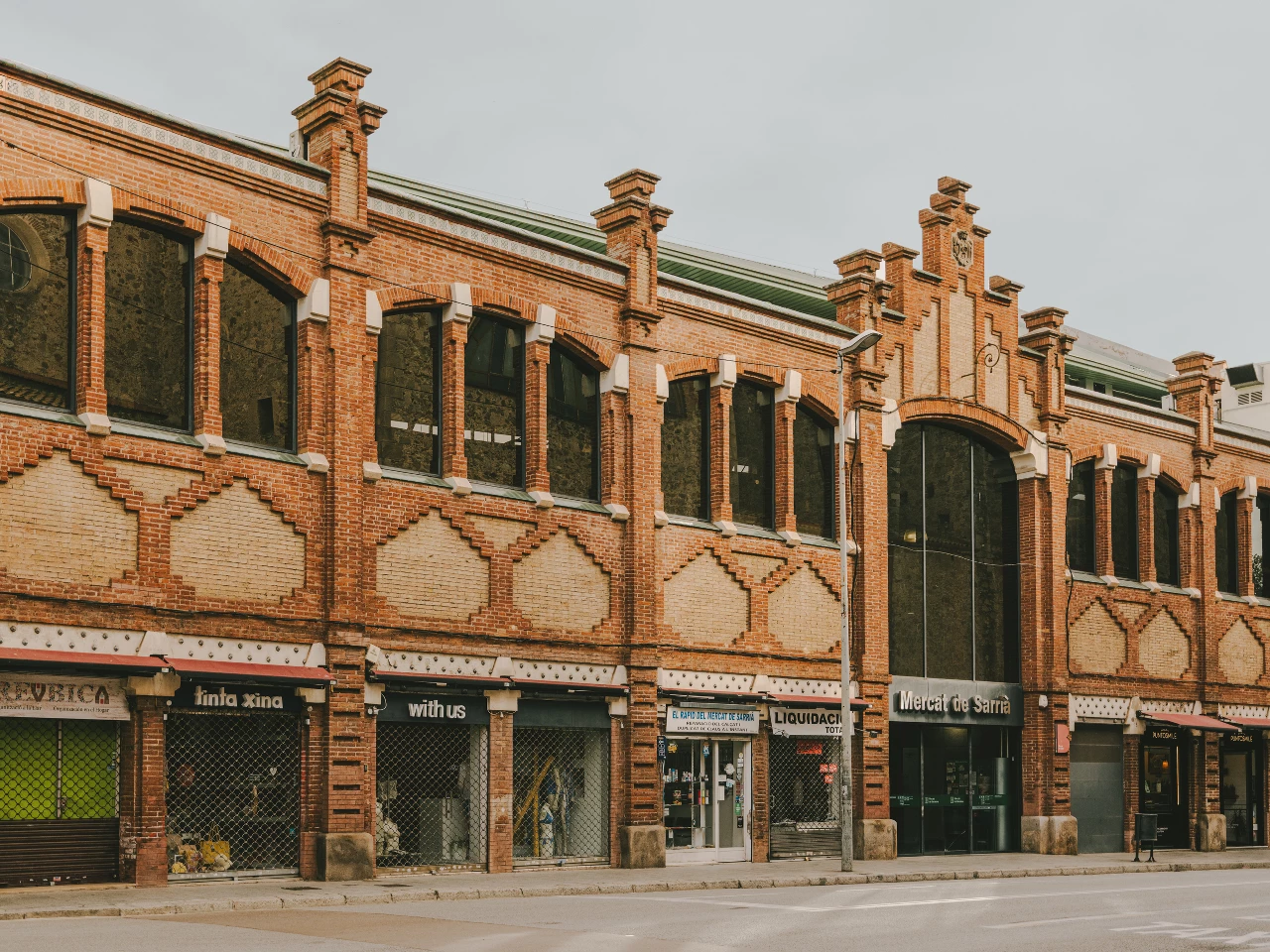
Mercat de Sants
Right on Carrer de Sants, the Mercat de Sants is a modernista gem where you can savour the flavours of the local neighbourhood.
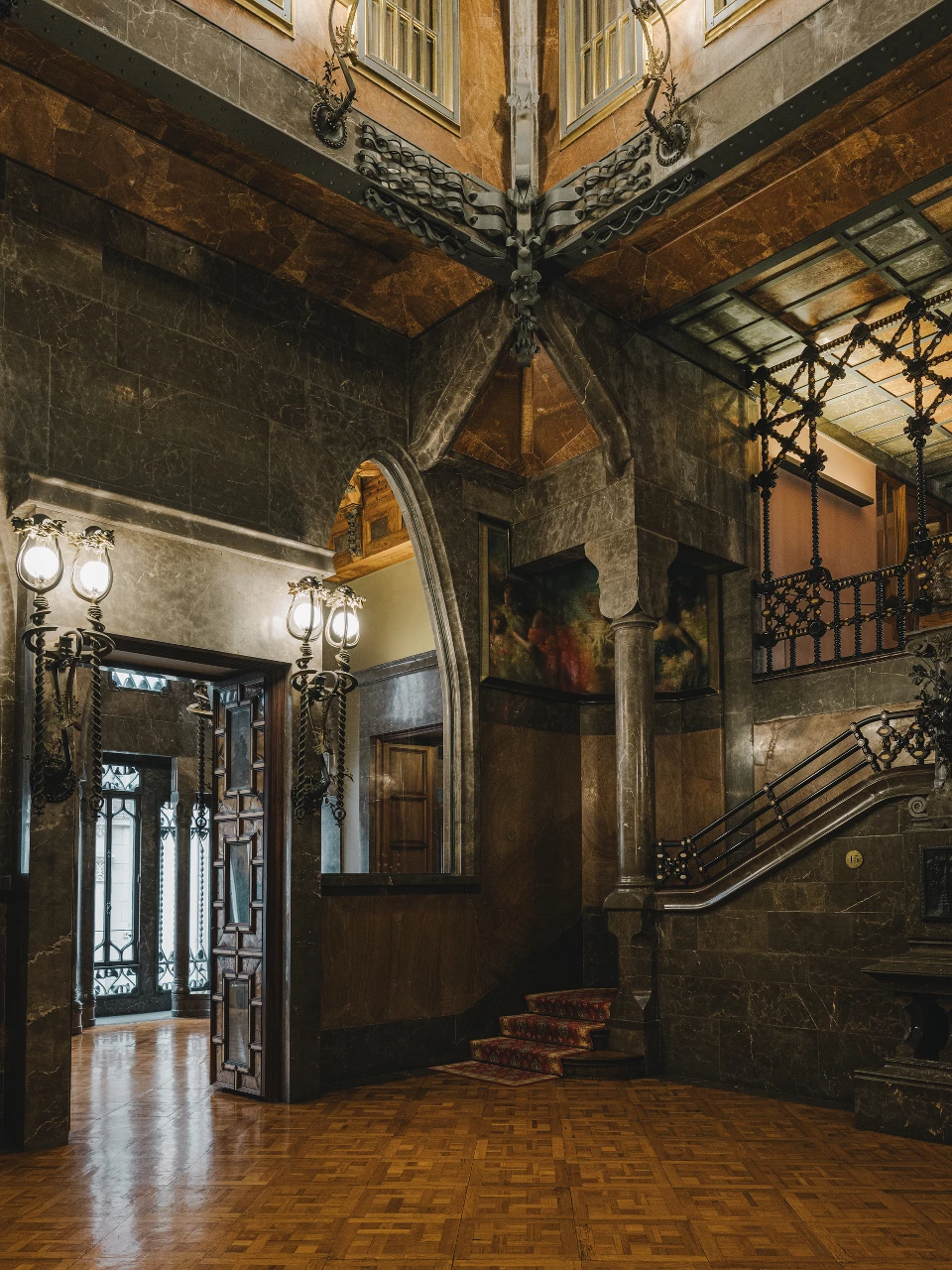
Palau Güell
A building with modernista interiors that preserves the former family residence designed by Antoni Gaudí for his patron, now a house-museum.
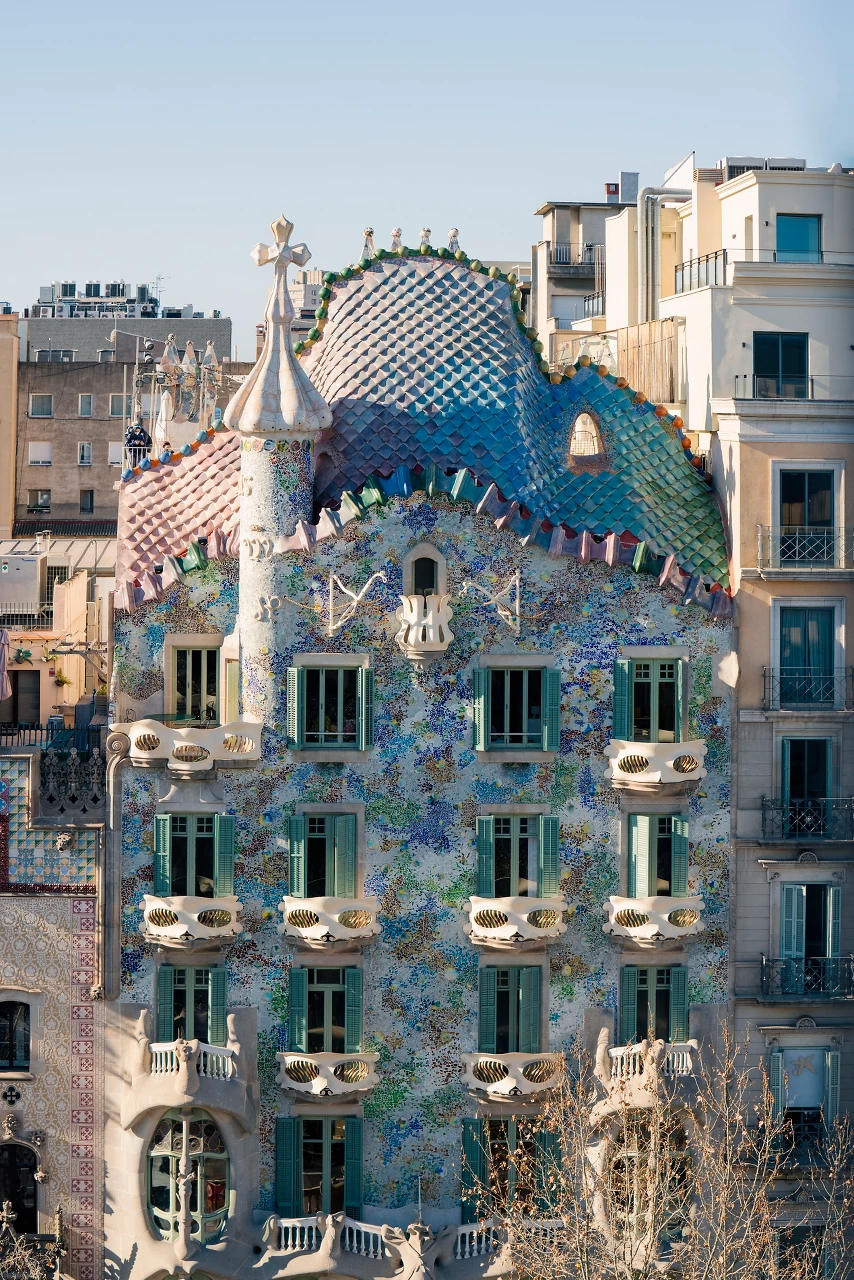
Casa Batlló
An icon of Catalan Modernisme and a key work by Gaudí, included on the UNESCO World Heritage list since 2005.
Mercat de Galvany
A modernista municipal market offering fresh produce in a carefully curated selection of specialist shops and stalls.
Casa Milà – “La Pedrera”
Gaudí’s last civil work and one of the boldest and most significant buildings of Catalan Modernisme, listed as a UNESCO World Heritage Site in 1984.

Castell dels Tres Dragons
A majestic modernista castle with towers, dragons and exposed brickwork, right in the heart of the Ciutadella.

Nau Gaudí
First work of the modernista genius, a modernista industrial building housing over 2,000 pieces of contemporary Catalan art.

Ca l’Aranyó
An old cotton mill, restored as a university space and a landmark of the city’s industrial past.
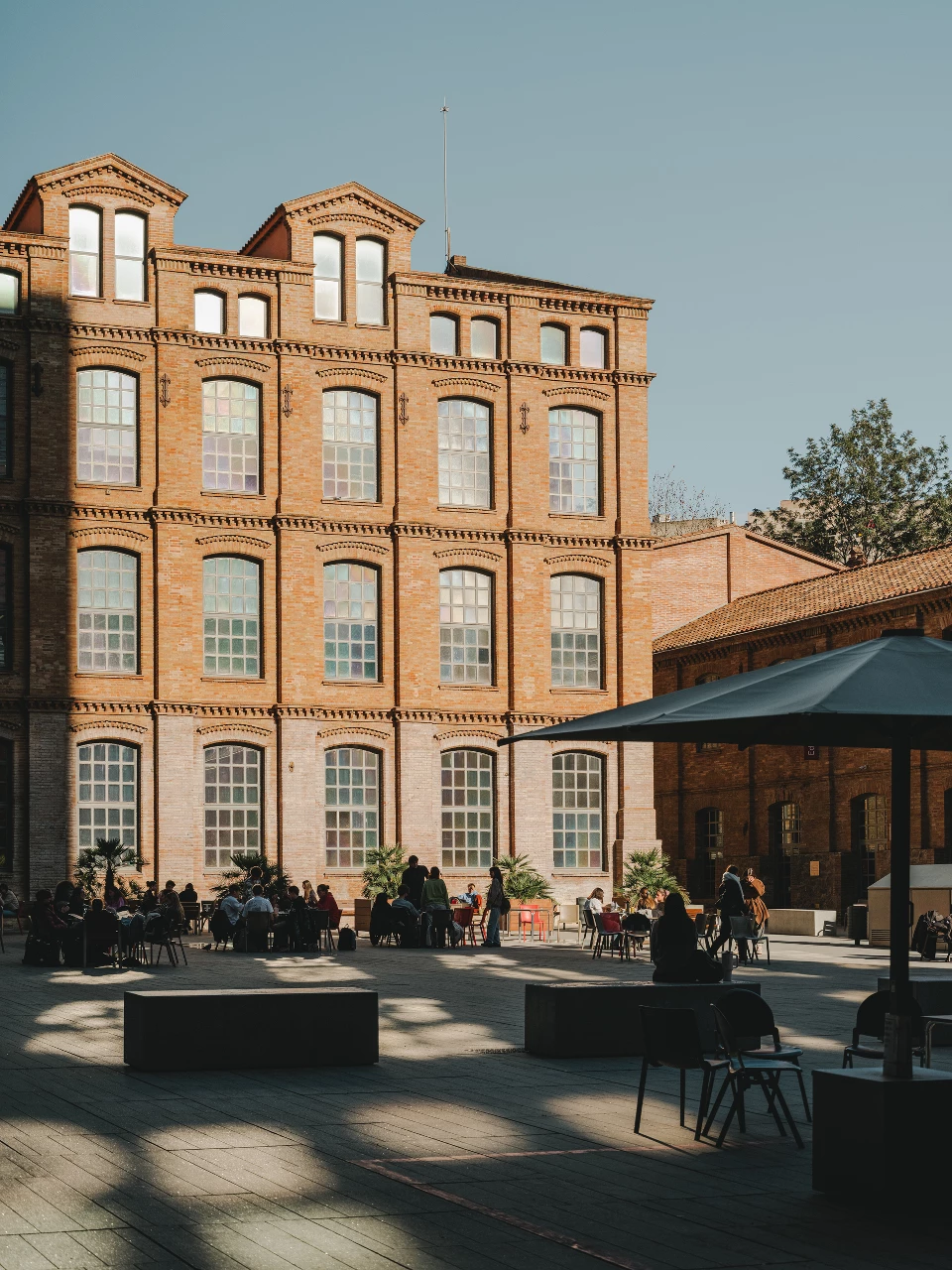
Escola Industrial de Barcelona
A former late 19th-century textile factory, now an urban campus where education, public services and industrial heritage sit side by side.

Mercat de la Boqueria
A lively food market with stalls selling fresh local produce alongside international specialities.
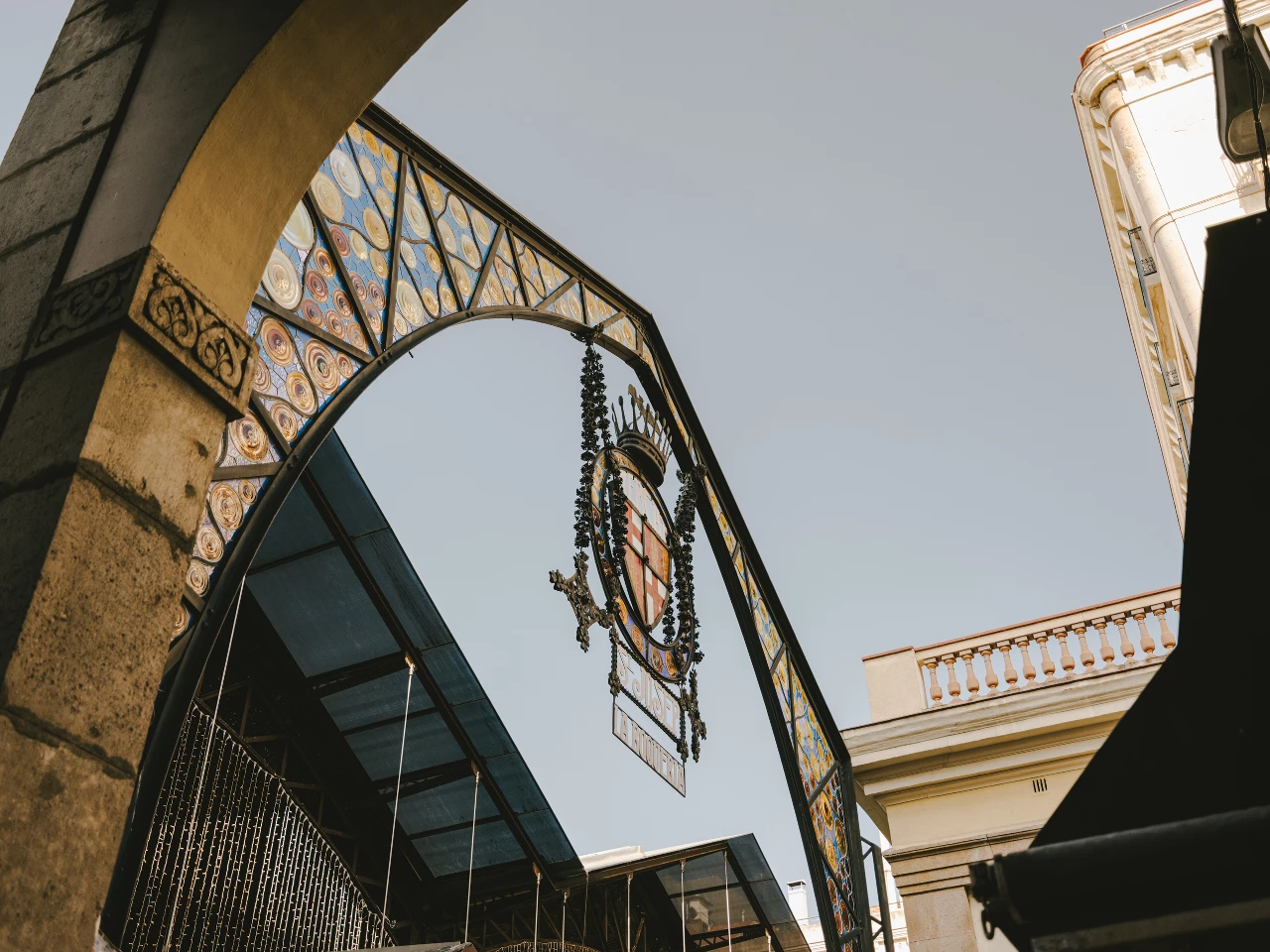
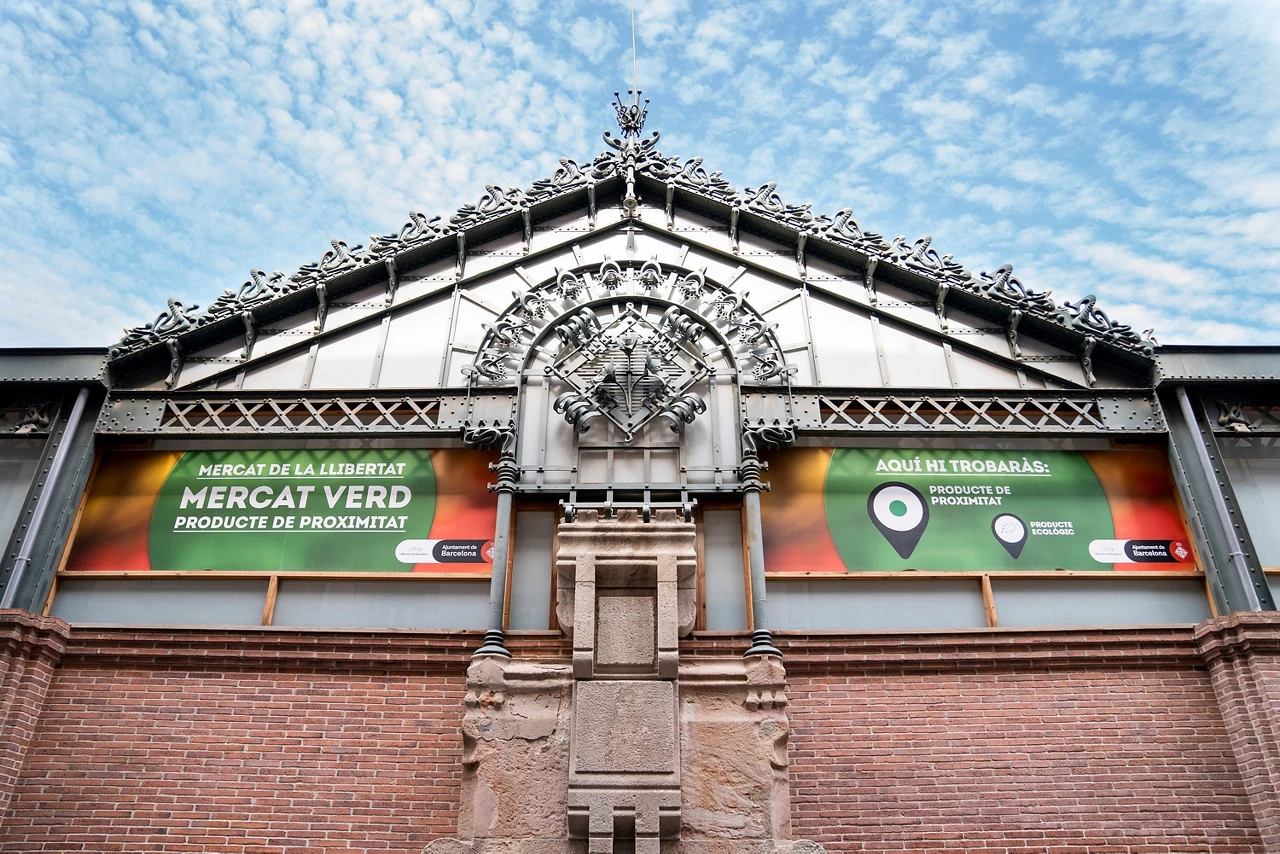
Mercat de la Llibertat
In the heart of Gràcia stands the Mercat de la Llibertat, a modernista icon of Barcelona’s marketplace tradition.
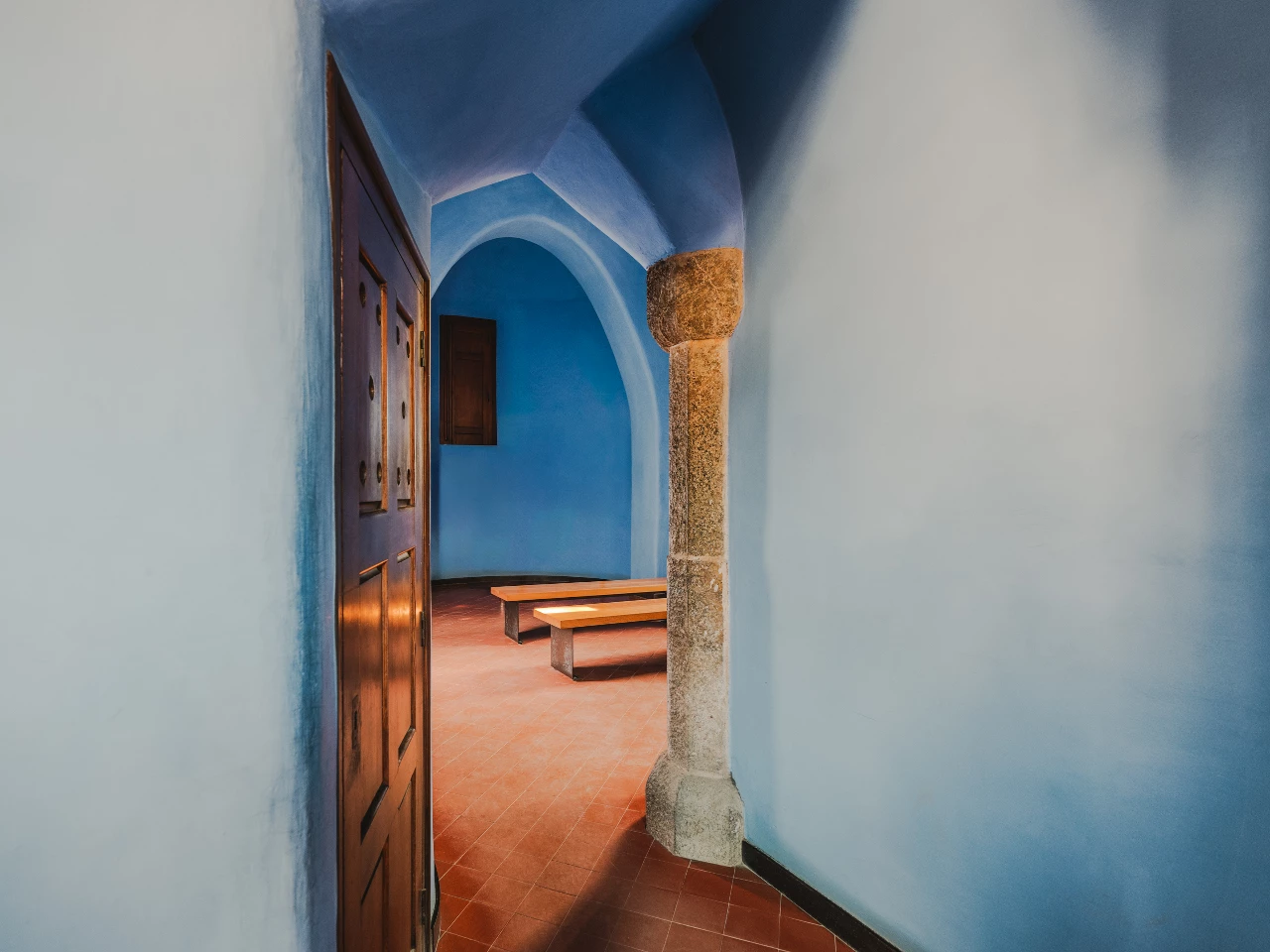
MUHBA – Museu d’Història de Barcelona – Park Güell
Interpretation centre in the Casa del Guarda detailing the connection between Antoni Gaudí, Eusebi Güell and the modernist vision of Park Güell.
Palau de la Música Catalana
A jewel of Catalan modernista architecture that houses a concert hall central to the city’s cultural life.

MUHBA – Fabra i Coats
19th-century former textile factory converted into a museum that explores the history of labour, industrialisation and Barcelona’s working-class memory.

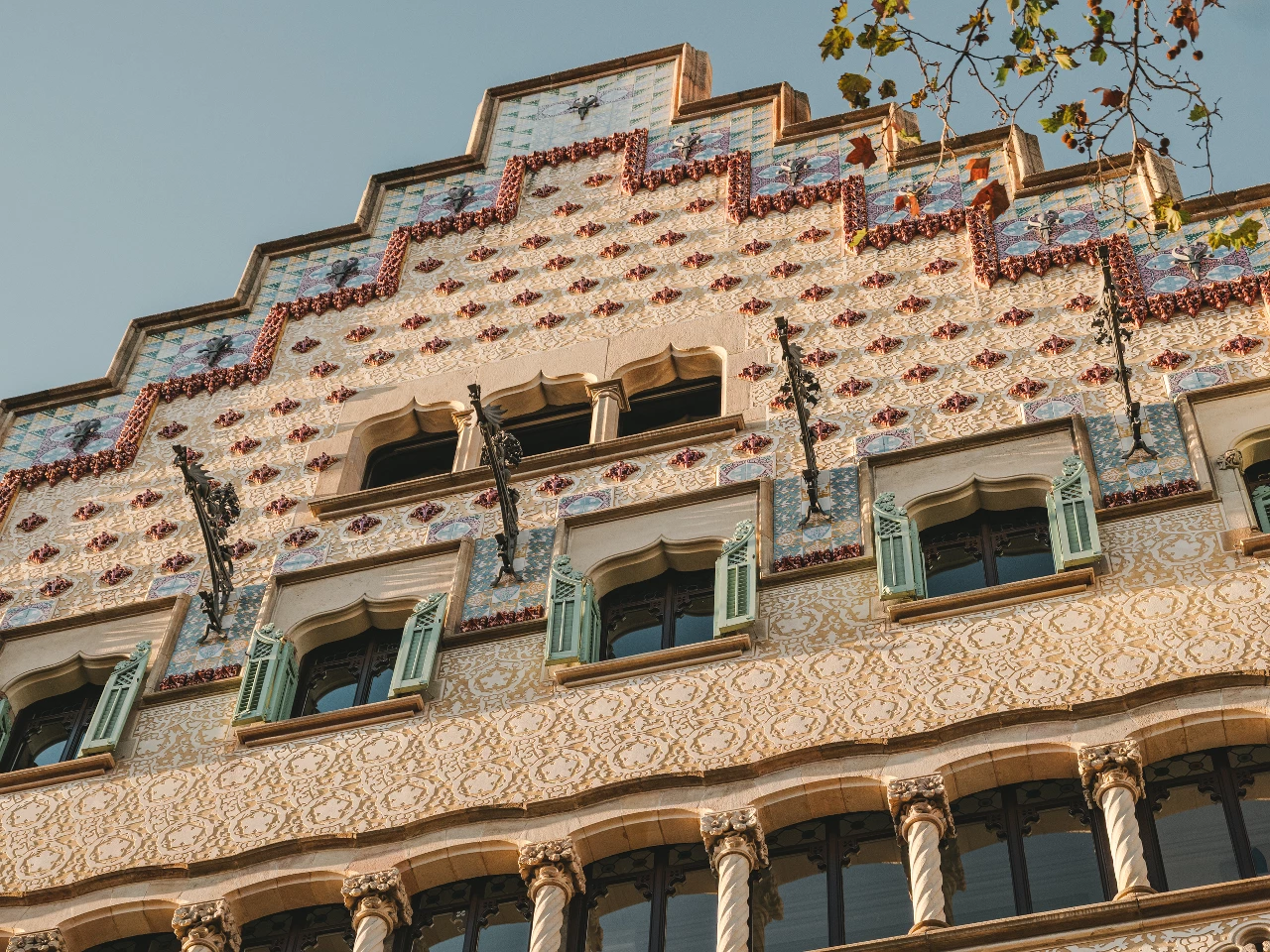
Casa Amatller
A house inspired by Flemish forms and Gothic elements, built during the golden age of Catalan Modernisme, commissioned by the chocolatier Antoni Amatller.
Casa Rocamora
A bourgeois mansion in a historicist style, home to a very personal collection of 19th- and 20th-century art and artefacts.
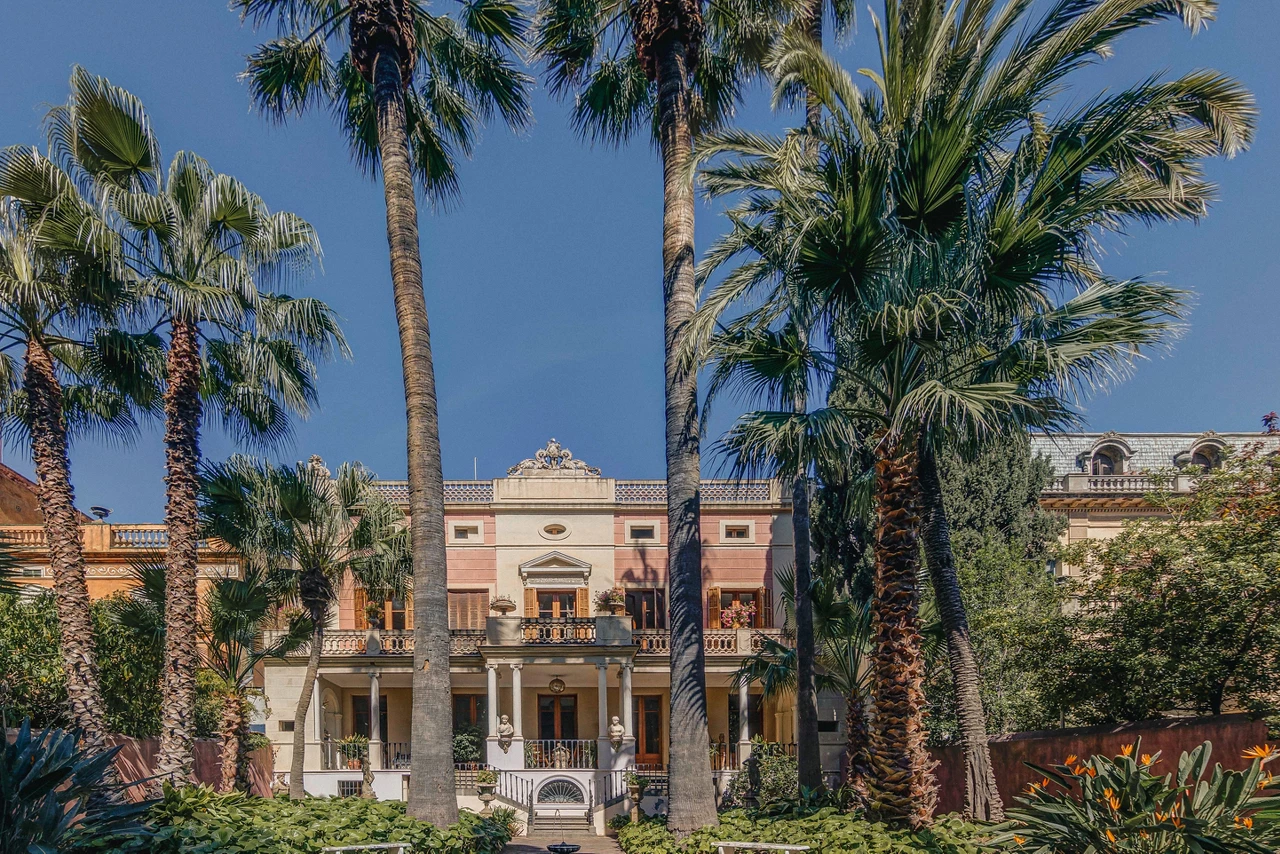
Casa Fuster
Showcasing Barcelona’s most refined and elegant Modernisme in one of the city’s most opulent buildings.
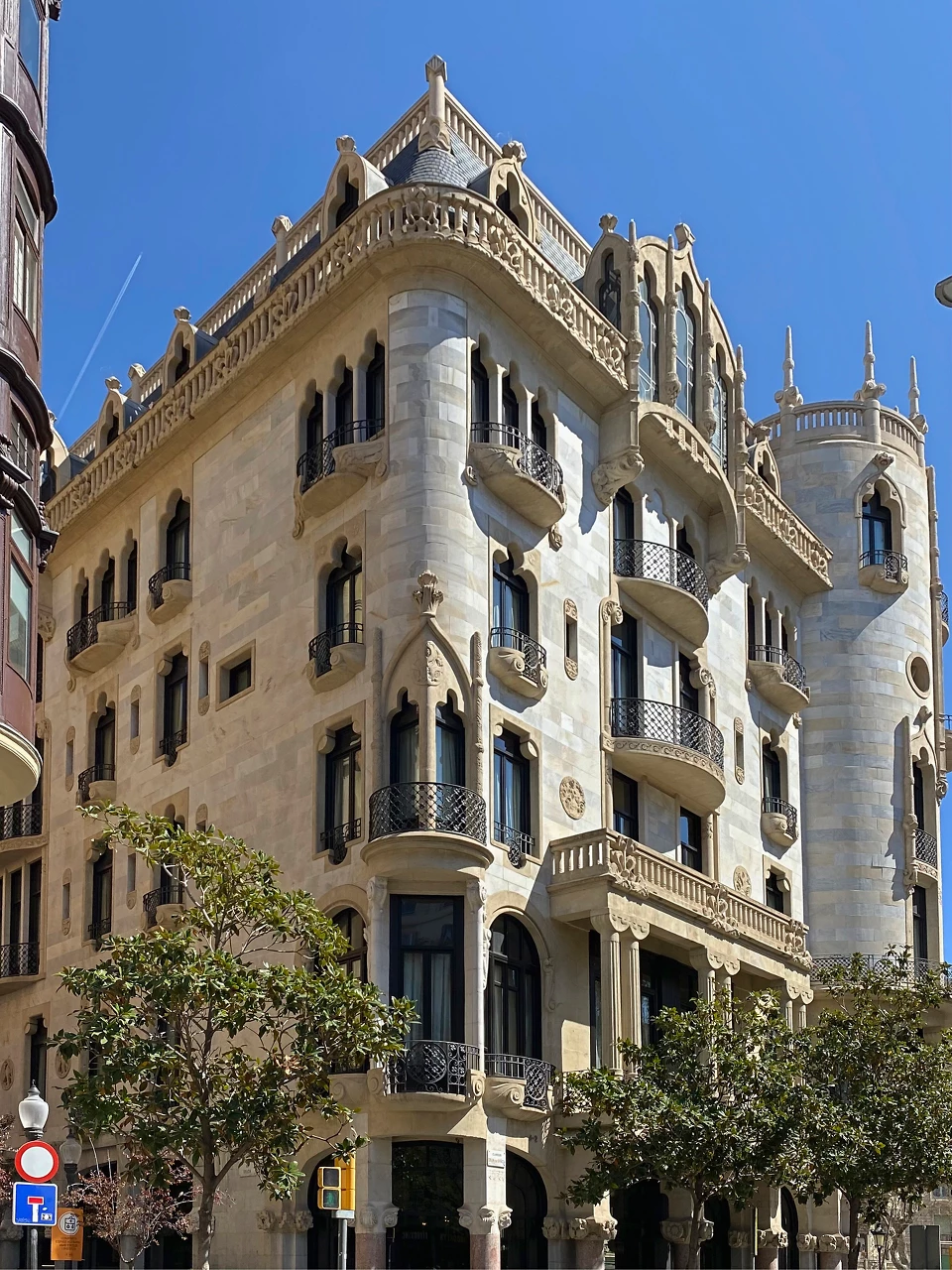
Casa Terradas – “Casa de les Punxes”
One of the most iconic silhouettes of Barcelona’s Modernisme, with the air of a medieval castle.

Casa Lleó Morera
A small Modernista palace on Passeig de Gràcia, part of the well known “Block of Discord”.
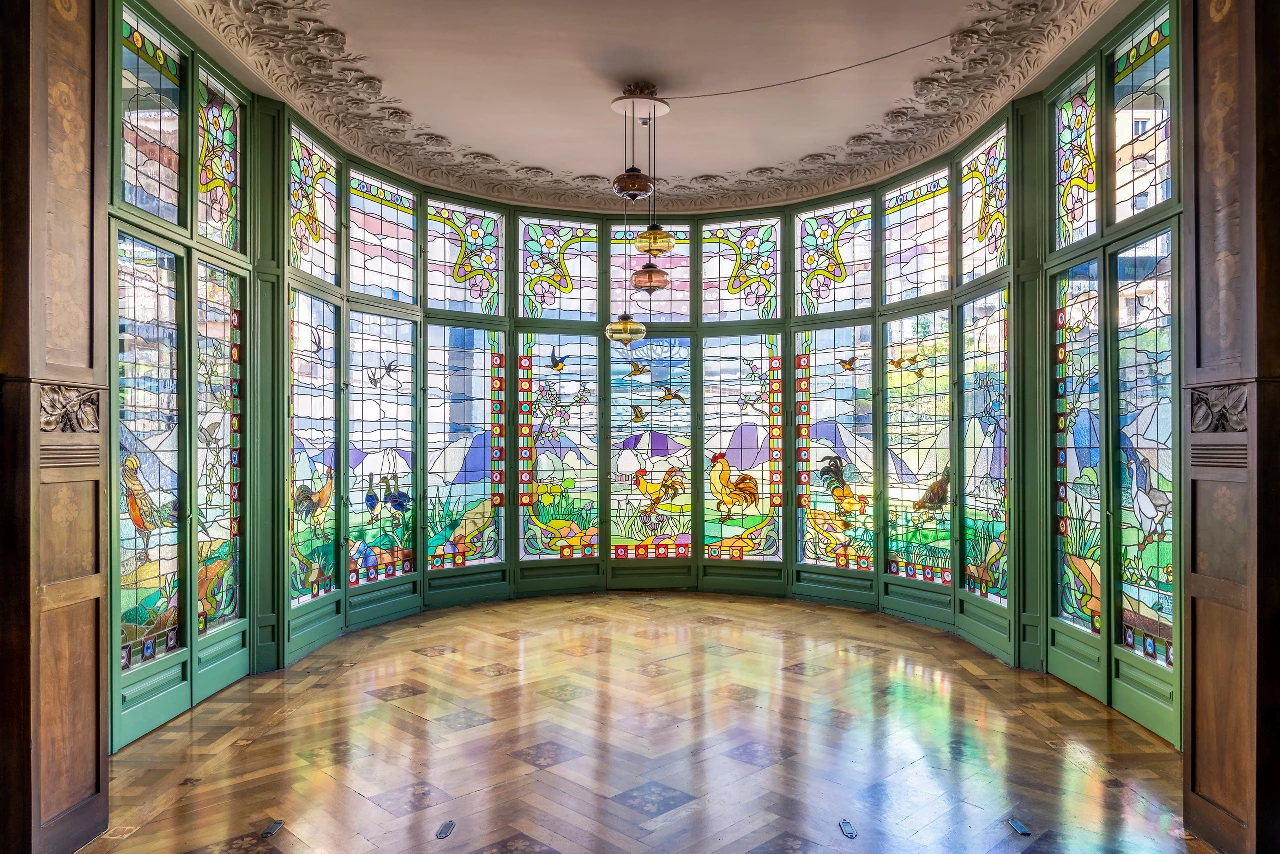
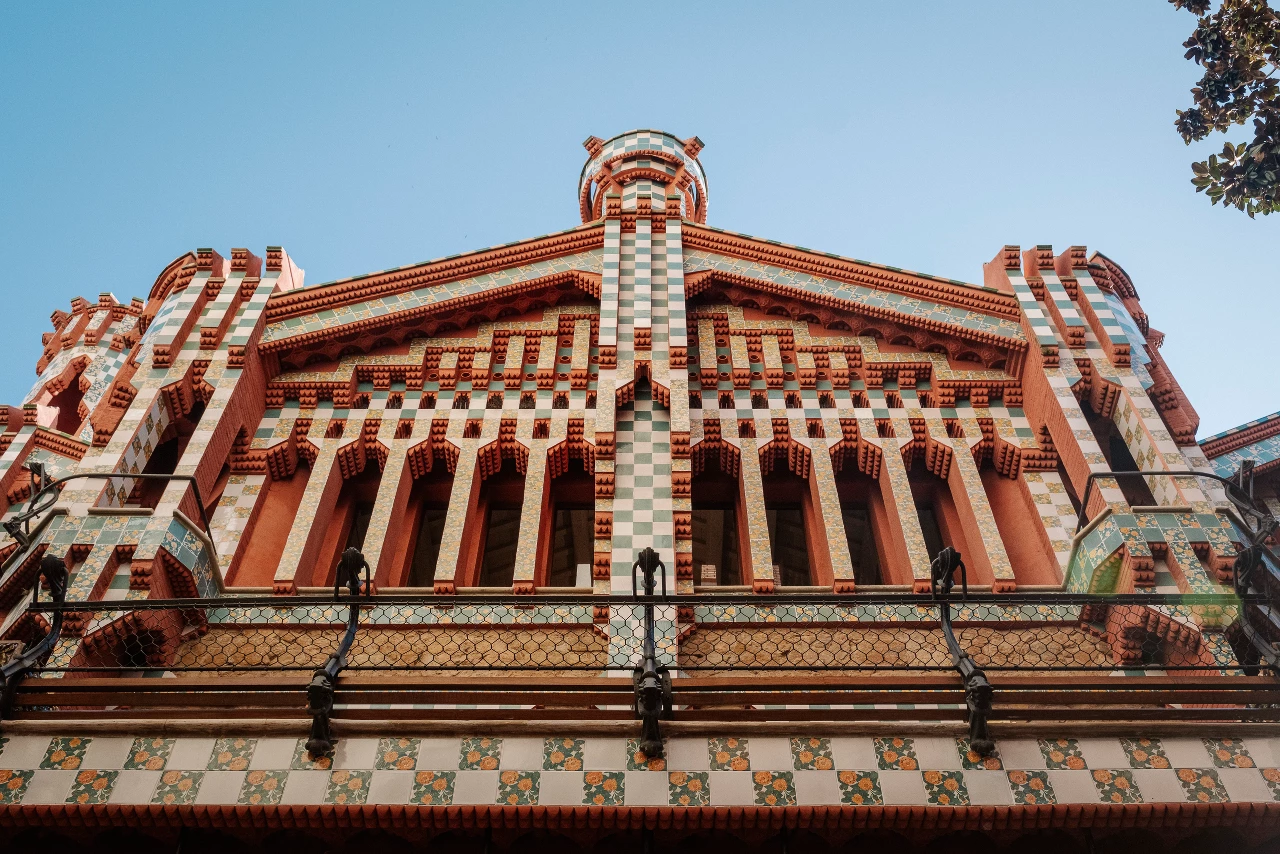
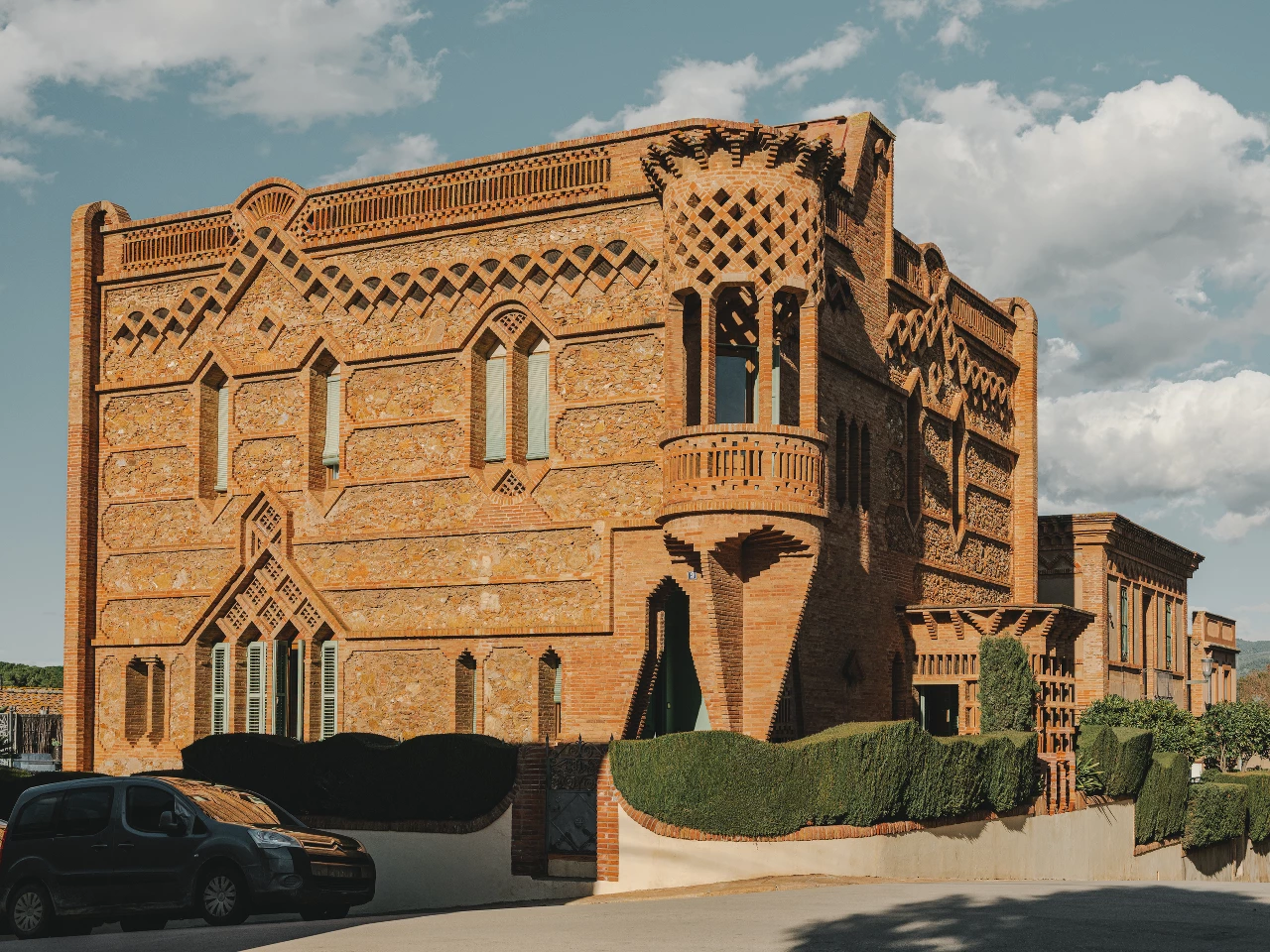
Casa Vicens
An unusual building shaped by oriental and Mudéjar influences, marking Gaudí’s early steps as an architect.
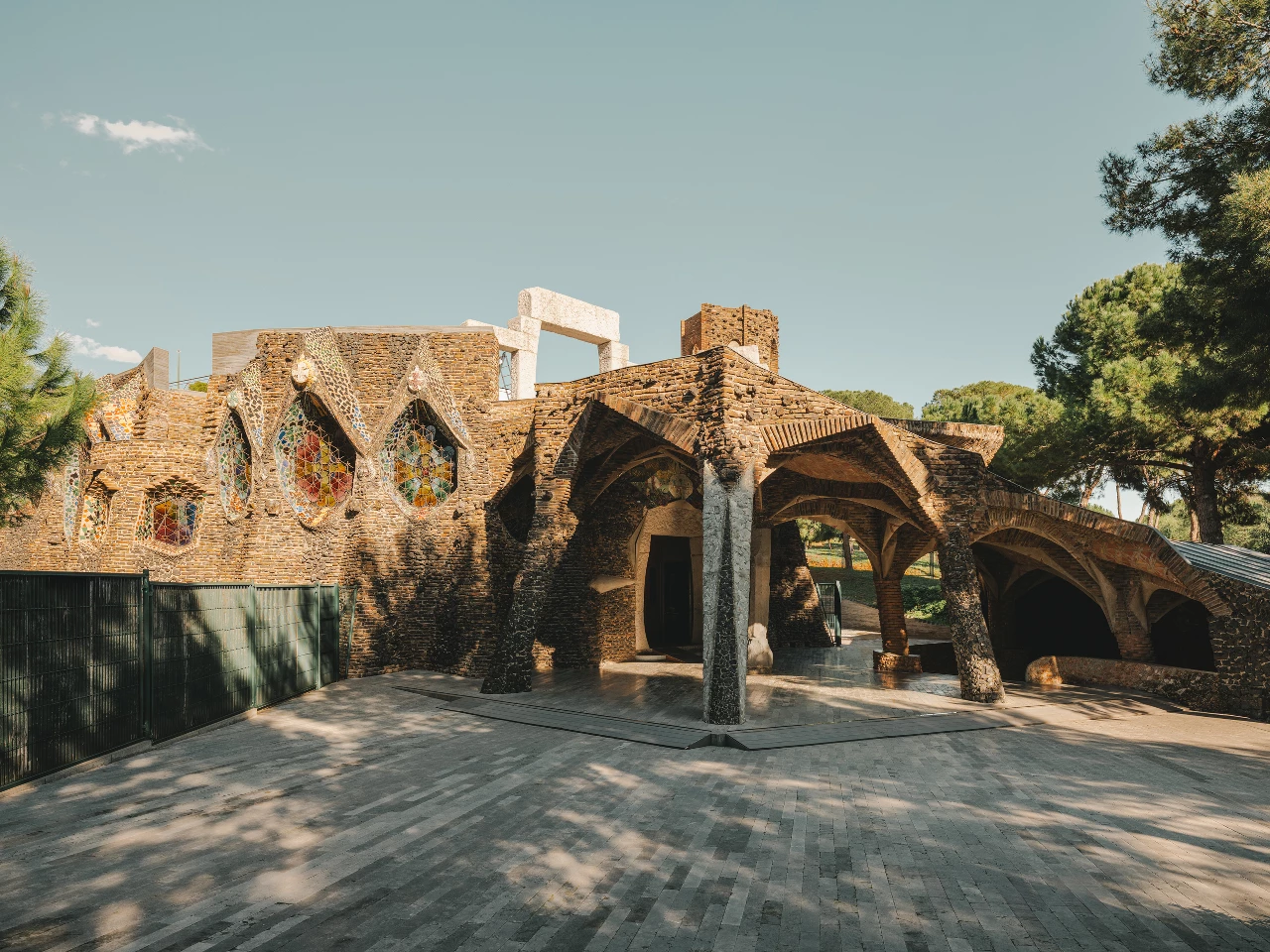
Cripta Gaudí – Colònia Güell
An unfinished church designed by Gaudí for Eusebi Güell’s textile colony, where he tested ideas later developed in the Sagrada Família.
Església de Sant Andreu del Palomar
Neo-Gothic parish church, its interior adorned with large murals depicting life in the neighbourhood.

Arc de Triomf
A civic triumphal arch built in 1888 as the gateway to the Universal Exhibition, 30 metres high and in the Neo-Mudéjar style.

Colònia Güell
A former textile colony that preserves its original factory complex and the unfinished crypt designed by Antoni Gaudí.
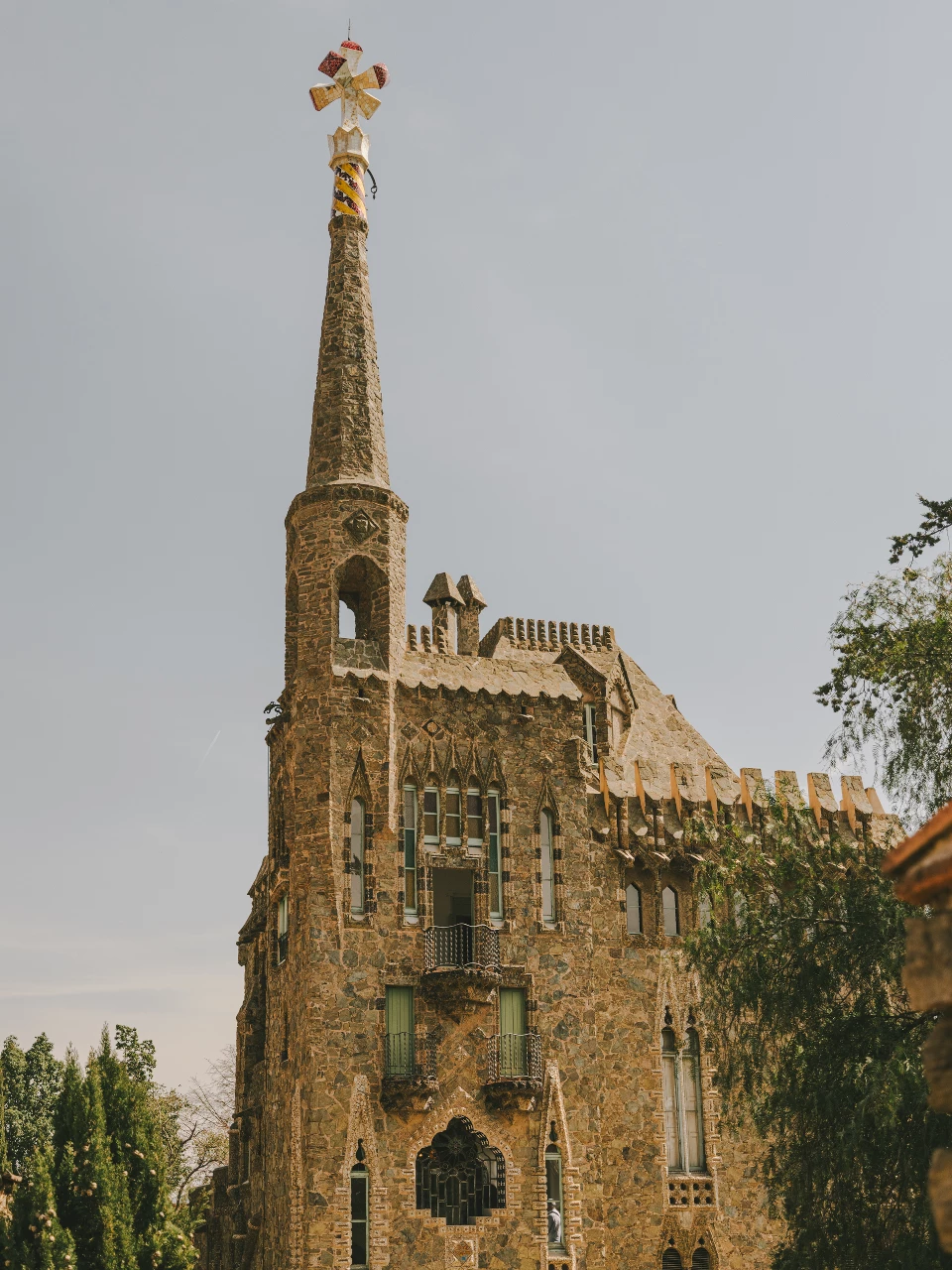
Torre Bellesguard
A modernista castle with a medieval soul – an intimate gem where the master architect surprises with clean lines and hidden symbols.
Casa Martí – “Els 4 Gats”
Modernist building home to the historic Els 4 Gats tavern, a haven for artists and intellectuals of Catalan Modernisme.

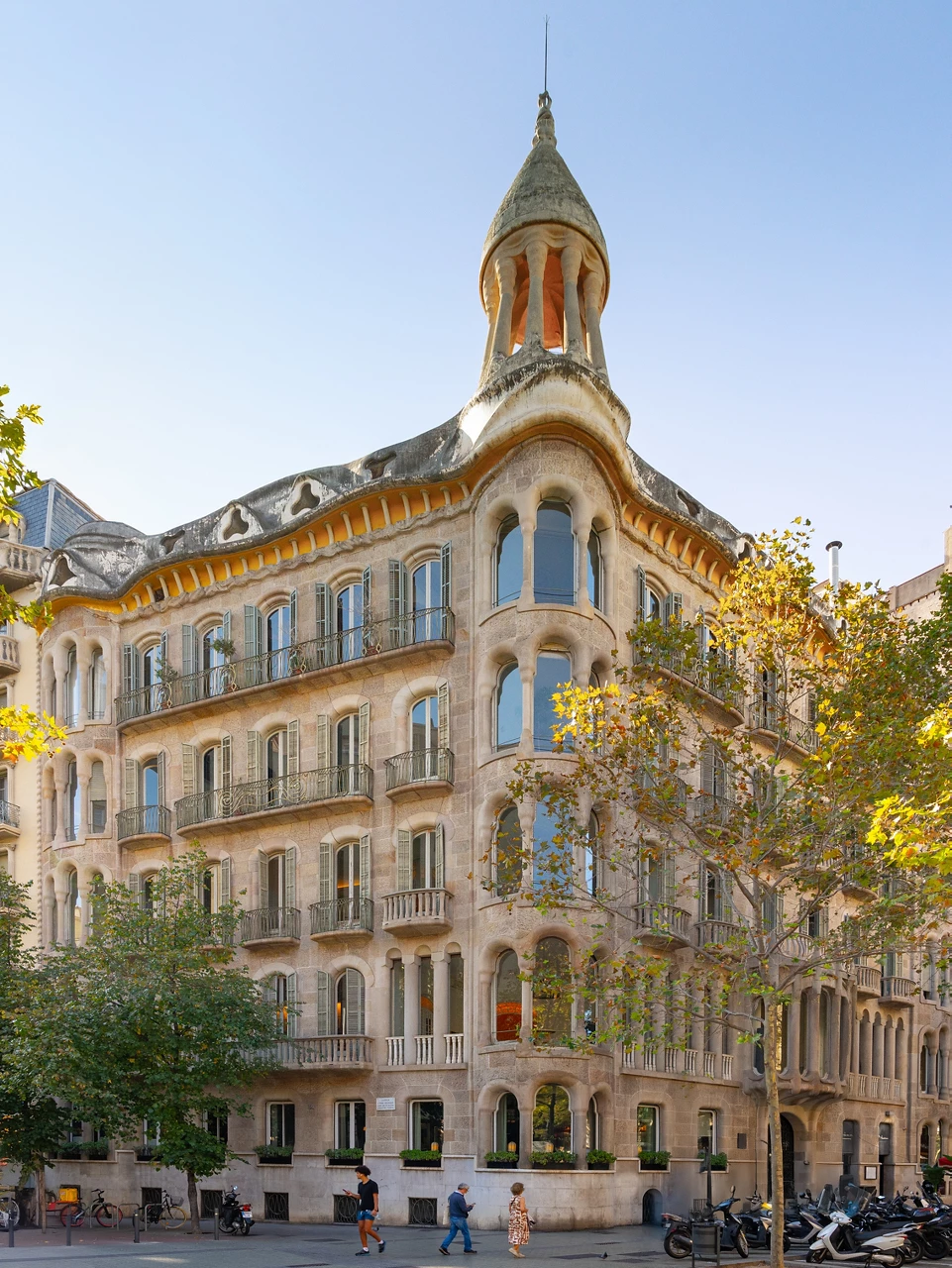
Casa Sayrach
One of the city’s last modernista buildings, set on an elegant corner of Avinguda de la Diagonal.
Pavellons de la Finca Güell
A modernista architectural ensemble marking the monumental entrance to the former Finca Güell, made up of the gatehouse, stables and riding arena.

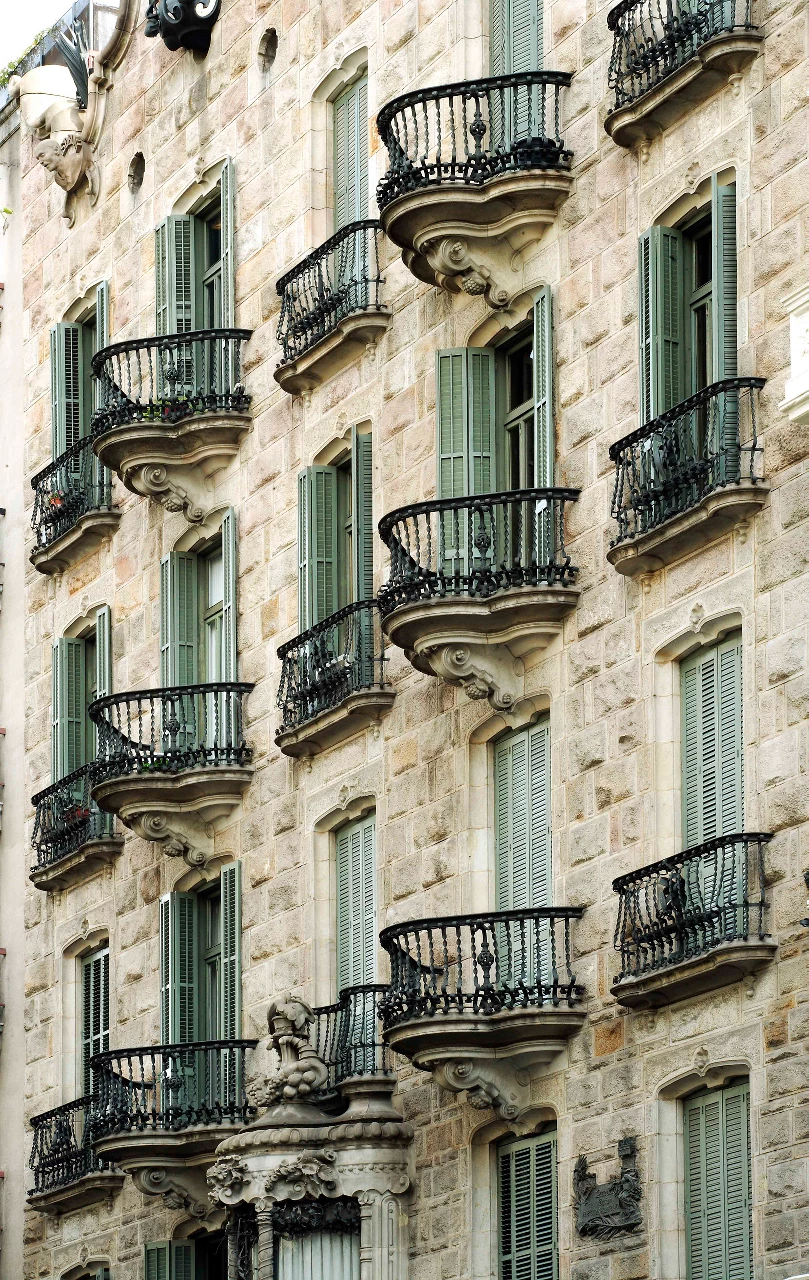
Basílica de la Sagrada Família
Antoni Gaudí devoted much of his life to the design and construction of this monumental church, the tallest in the world and one of the city’s most visited landmarks.

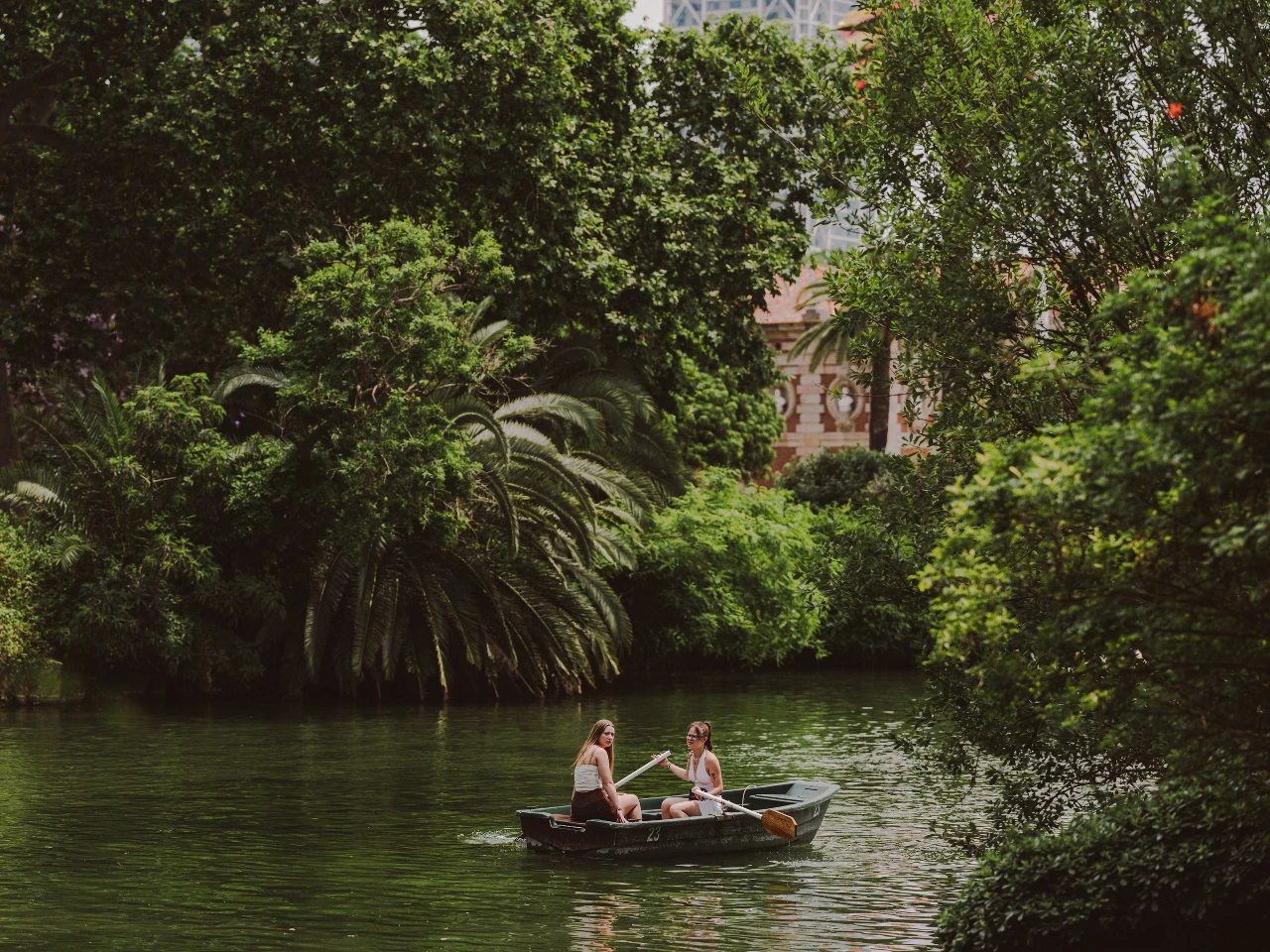
Parc de la Ciutadella
Barcelona’s first public park and a large green space with a monumental waterfall, a boating lake, museums and sculptures.
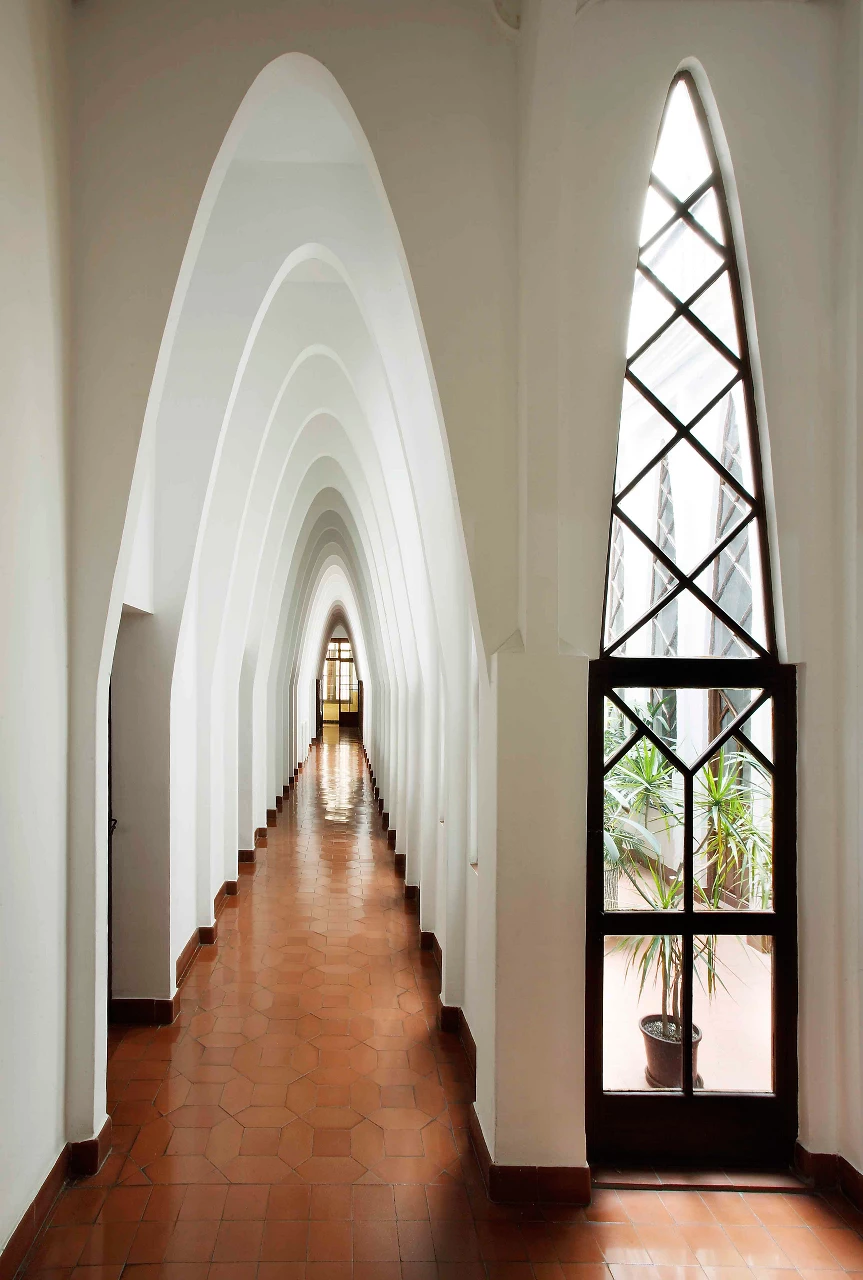
Col·legi de les Teresianes
A Gaudí-inspired building with a fortress-like presence, designed from the outset as an educational space.
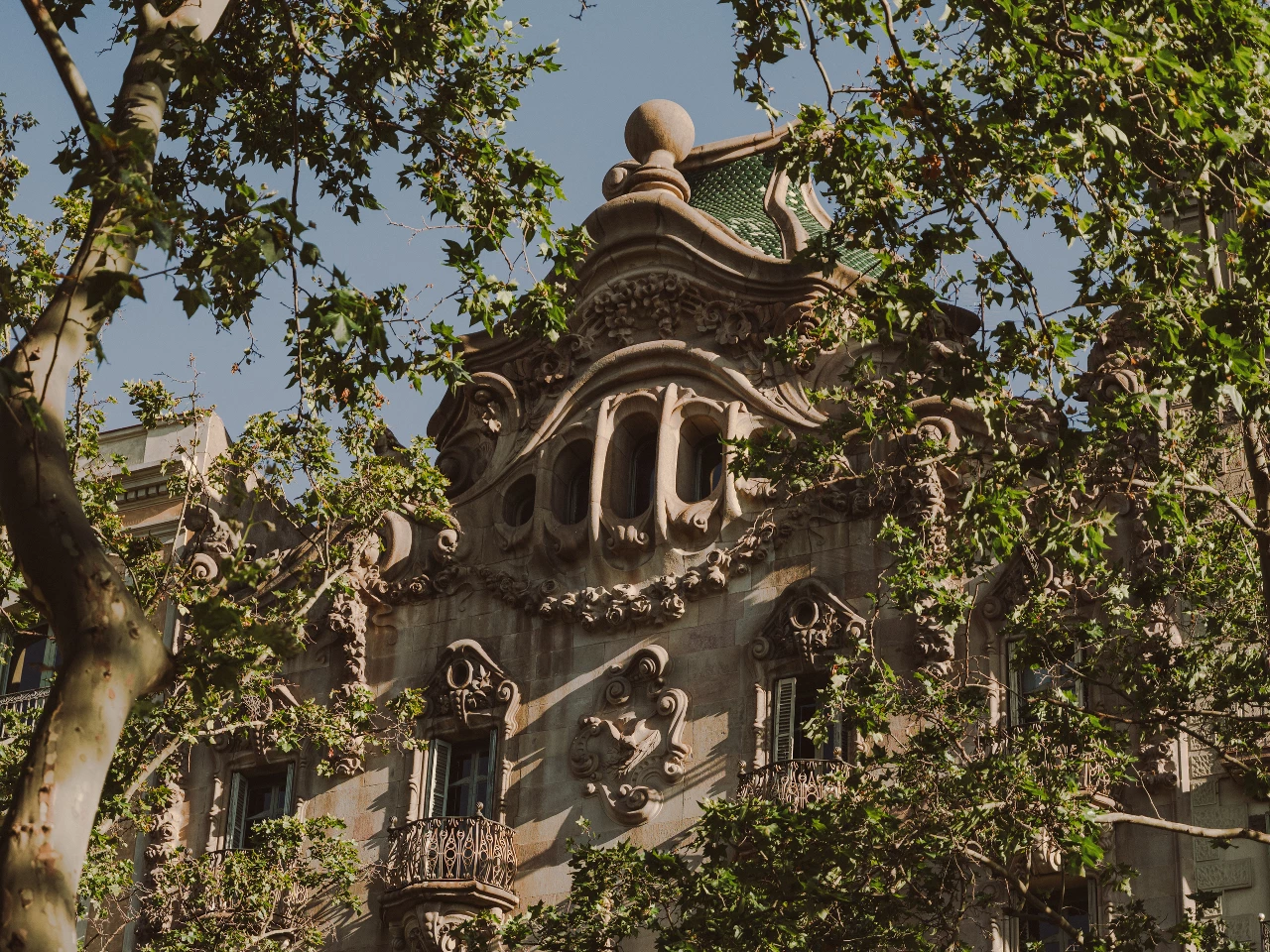
Palau Montaner
A richly decorated modernista building, now home to the Government Delegation in Catalonia.

Mercat del Clot
In the heart of the Sant Martí neighbourhood, the Mercat del Clot is a market with over a hundred years of history.